Blog

Moving Tips & Insights | Clancy Relocation Blog

Table of Contents

Key Takeaways

What Percentage of Americans Move Each Year?

Top States Gaining and Losing Population

Estimated Cost of Full-Service Movers

4 Major Factors Influencing U.S. Relocation Trends

What to Pack and What to Leave Behind

How to Choose the Right Moving Company for Your Home or Business Relocation

Frequently Asked Questions

Make Moving Across the U.S. Stress-Free with Clancy Relocation & Logistics!

Key Takeaways

12.6% of Americans moved in 2022, with interstate migration remaining strong despite declining mobility.

Southern and Western states are growing, while high-cost states like California and New York see the most departures.

About 9 million U.S. citizens live abroad, seeking affordability and overseas career opportunities.

Cost of living, jobs, remote work, and climate are key drivers of U.S. relocation trends.

Migration favors the South and suburbs, shaping where Americans are moving to in the coming years.

Choosing a licensed and reputable mover ensures a smooth, stress-free relocation.

Millions of Americans relocate annually due to job opportunities, cost of living, and lifestyle changes. But what percentage of Americans move each year? In 2025, moving trends will be shaped by economic shifts, evolving housing demands, and climate concerns. Analyzing recent data provides valuable insights into where people are relocating and the key factors driving these moves, helping individuals and industry professionals stay ahead of migration patterns.

What Percentage of Americans Move Each Year?

couple enjoying the box packages

The U.S. Census Bureau reports that the percentage of Americans who move each year has been steadily decreasing. In 2022, the moving rate was 12.6%, a slight drop from 12.8% in 2021 and part of a continued decline from 16.8% in 2006. Despite this downward moving trend, relocation remains a significant event, with 28.2 million Americans moving in 2022.

Interestingly, 19.9% of movers in 2022 relocated to a different state, an increase from 18.8% in 2021. This trend suggests that more people are seeking opportunities beyond their home states, likely influenced by job prospects, affordability, and remote work.  What percentage of Americans move each year? continues to decline, but interstate migration remains significant as people look for better financial and lifestyle options.

Additionally, USPS data shows a steady decline in permanent address changes, with over 33 million processed in 2022 compared to 37 million in 2015. This highlights changing migration patterns influenced by economic conditions, rising moving costs, and shifting employment opportunities.

Are People Leaving the U.S.?

As of March 2025, international moving trends continue to shape the movement of U.S. citizens. According to the U.S. State Department, approximately 9 million Americans currently reside abroad, with many relocating for career growth, education, or lifestyle changes. Moving data suggests that factors such as cost of living, political climate, and global job opportunities remain key drivers of international relocation.

At the same time, the U.S. remains a primary destination for global migration, with over 40 million foreign-born residents. This two-way movement reflects ongoing shifts in economic conditions and immigration policies.

The growing acceptance of remote work has further influenced migration in 2025, allowing more Americans to live abroad while maintaining U.S.-based employment. Many are opting for destinations with lower living expenses and flexible residency options, making international relocation an increasingly viable choice.

Are people leaving the U.S. permanently or temporarily? It varies—some move abroad permanently for citizenship or long-term residency, while others relocate temporarily for work, education, or personal reasons before returning.

Top States Gaining and Losing Population

As Americans continue to seek better economic opportunities, lower living costs, and improved lifestyles, population shifts across the U.S. remain a key trend.

Understanding where are Americans moving to and analyzing past migration patterns helps predict future trends. Data from the most moved to states in 2023 highlights significant inbound migration, while other states saw substantial population declines. 

Examining where are people moving to in 2024 also provides further insight into the factors driving these shifts and which states may continue to see growth in 2025.

What is the Most Moved To State?

The states with the most inbound moves in recent years have largely been in the South and West, where lower taxes, affordable housing, and strong job markets have attracted new residents. Florida and Texas have consistently ranked as the most moved to states, with both states seeing hundreds of thousands of new residents annually.

Florida

With over 738,000 new residents in 2022, Florida continues to see substantial population growth. The state’s lack of income tax, warm climate, and expanding job market make it an attractive destination for retirees, remote workers, and families seeking affordability.

As the third most populous state in the U.S., behind California and Texas, Florida’s population reached 23 million as of April 1, 2024. The state has been adding 350,000 to 375,000 new residents annually throughout this decade, reflecting steady migration trends. Compared to 2022, this sustained growth reinforces Florida’s status as a top destination for domestic movers.

Texas

Texas gained nearly 668,000 new residents in 2022, solidifying its position as one of the most moved to states in 2023. Its strong economy, lack of state income tax, and affordable living continue to attract newcomers.

In 2023, Texas overtook Florida in net migration—a title Florida had held since 2014. The margin was narrow, with Florida adding 136,750 residents, just 800 fewer than Texas. By 2024, Texas saw the largest numeric population increase in the U.S., adding nearly 563,000 people and bringing its total population to 31,290,831. As migration trends persist, Texas remains a top destination for those relocating in 2024, drawing residents seeking economic opportunities and a lower cost of living.

Cities like Austin, Houston, and Dallas continue to experience rapid growth, attracting professionals and families alike

North Carolina and South Carolina

Both states have seen a rise in migration and were considered as one of the most moved to states in 2023, particularly among people leaving high-cost states. The Carolinas offer a balance of affordability, job opportunities, and scenic landscapes, making them attractive destinations.

Tennessee and Georgia

These states have become some of the states with the most inbound moves, driven by their growing economies, reasonable housing prices, and increasing job opportunities.

What State Has the Most People Leaving?

While some states are seeing a surge in new residents, others are experiencing a steady population decline. The answer to what state has the most people leaving remains largely the same year after year, with California, New York, and Illinois consistently losing the most residents. Meanwhile, where are most people moving to continue to favor states with lower taxes, affordable housing, and strong job markets?

  • California: With over 817,000 residents leaving in 2023, California continues to have one of the highest outbound migration rates. High housing costs, rising taxes, and concerns about affordability are pushing residents to states like Texas and Arizona. When asked what state has the most people leaving, California consistently ranks at the top due to its high cost of living and economic challenges.
  • New York: Losing over 545,000 residents in 2023, New York continues to struggle with high living costs, economic shifts, and remote workers moving to lower-cost states. The trend of where are people moving to in the U.S. often includes former New Yorkers relocating to Florida and neighboring states like New Jersey. As outbound migration increases, New York remains one of the top answers to what state has the most people leaving each year.
  • Illinois: One of the Midwest’s hardest-hit states, Illinois saw over 115,000 people leave in 2023. High property taxes and slow job growth have made it one of the states with most inbound moves—but in reverse, as more people leave than move in.
  • Pennsylvania and New Jersey: While not losing as many residents as California or New York, these states have seen steady outbound migration as people seek lower-cost alternatives in the South.

Estimated Cost of Full-Service Movers
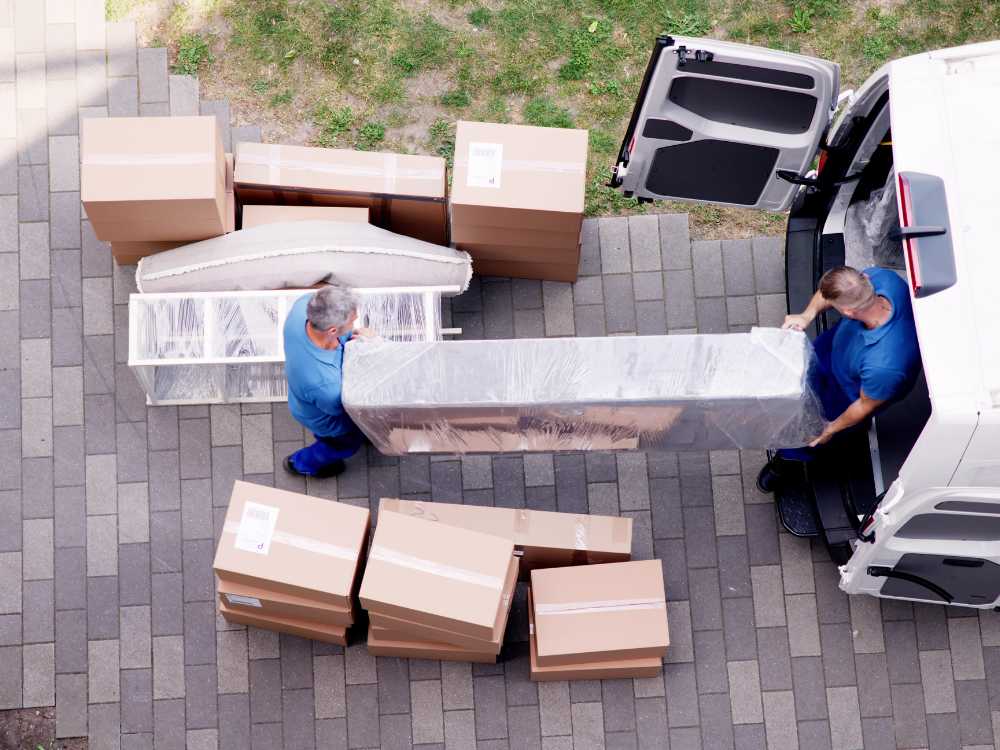
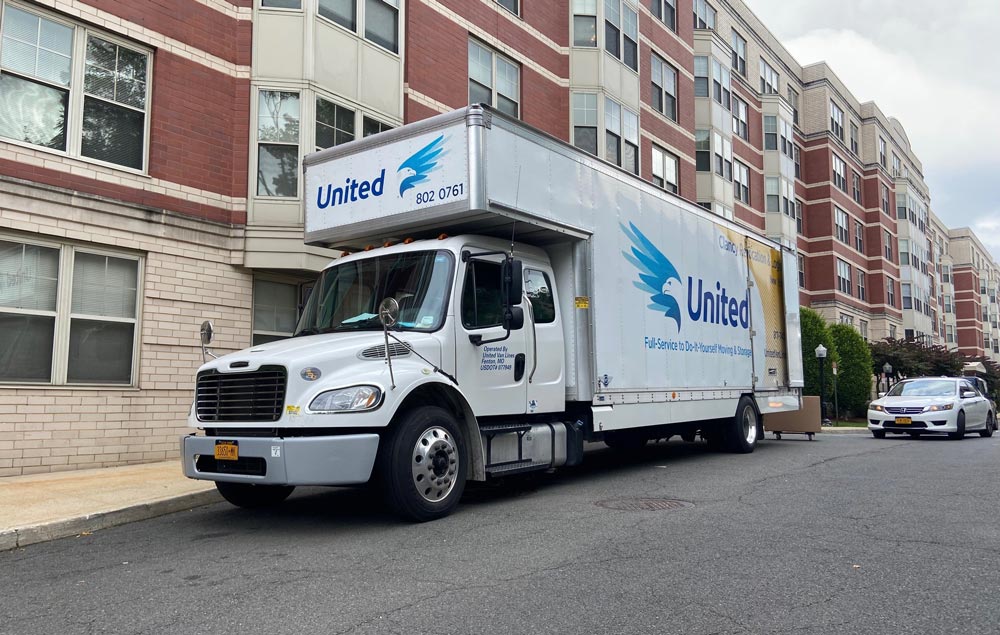
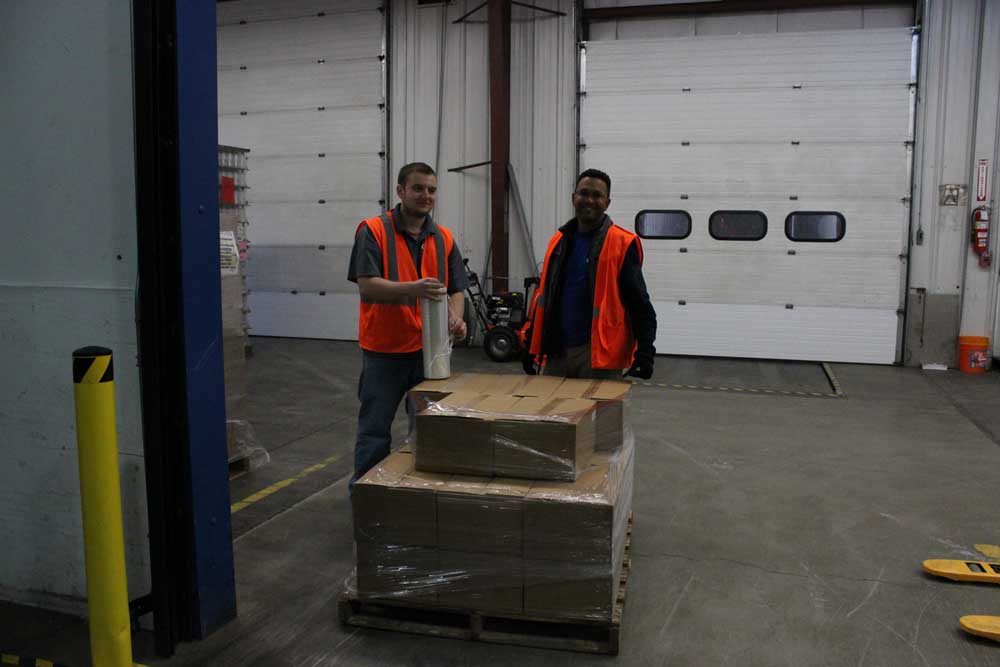
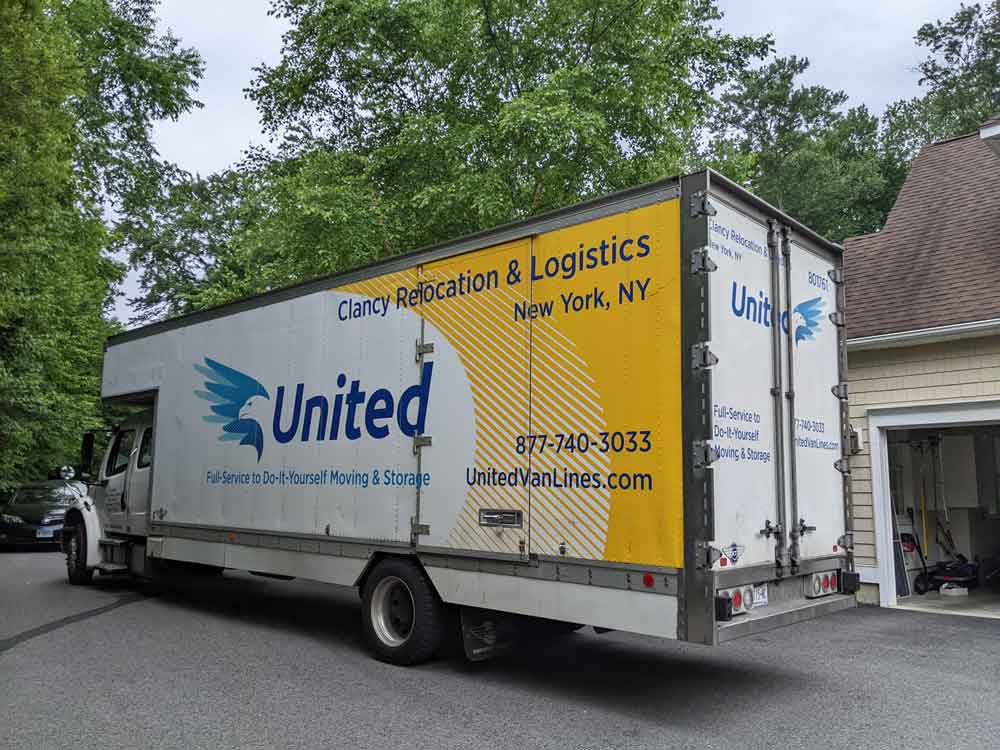
Loading boxes to moving courier

When planning a move, hiring professional movers can ease the stress and save time. To help you budget, here’s a quick look at the average costs you can expect.

Distance 1 Bedroom 2 – 3 Bedroom 4 – 5 Bedroom Local (Less than 100 Miles) $720 – $1,200 $1140 – $2,520 $1,680 – $5,640 100 miles $1,440 – $2,040 $1,740 – $2,280 $2,040 – $4,320 250 miles $1,680 – $2,640 $2,040 – $4,440 $2,640 – $6,000 750 miles $1,920 – $3,720 $2,760 – $8,520 $6,840 – $9,720 1500 miles $2,160 – $4,080 $3,360 – $9,120 $8,280 – $11,640 2500 miles+ $2,520 – $4,680 $4,920 – $10,080 $16,800+

DISCLAIMER: Rates can vary based on various factors. For the most accurate pricing and a detailed and personal quote, contact trusted local moving providers like Clancy Relocation & Logistics.

4 Major Factors Influencing U.S. Relocation Trends

Relocation trends in the U.S. are shaped by economic, social, and environmental factors. Americans are looking for better job opportunities, lower living costs, and a higher quality of life. The rise of remote work, climate concerns, and state-specific policies are also playing a significant role in moving trends and migration patterns. 

Here are the key factors influencing where people are moving in 2025.

✔ Cost of Living

Affordability remains a major driver of migration, with many Americans moving to states where their income stretches further. Rising housing costs, taxes, and everyday expenses push people to seek financial relief in states with lower living costs. As economic conditions fluctuate, moving numbers continue to reflect a shift toward regions offering more stability and affordability.

✔ Job Market

A strong job market is one of the biggest factors influencing where most people moving to. As people move to areas with better career opportunities, higher wages, and economic stability. States with booming industries attract professionals seeking long-term growth, while those with declining job prospects see more residents leaving in search of stability.

Cities like Austin, Nashville, and Raleigh have emerged as key destinations due to their expanding tech, healthcare, and finance sectors. These states offer not only job availability but also lower business taxes, a skilled workforce, and an overall pro-business environment, making them more appealing than states with stagnating economies and high costs. Meanwhile, states like Illinois and Pennsylvania continue to see outbound migration due to slow job growth, heavy taxation, and fewer opportunities for upward mobility.

✔ Remote Work and Lifestyle Flexibility

As remote work continues to reshape migration patterns, more professionals are leaving expensive urban centers for suburban and rural areas that offer lower living costs and better quality of life. States like Colorado, Arizona, and Tennessee have become hubs for remote workers due to their affordability, outdoor amenities, and growing infrastructure to support flexible work. Moving statistics indicate this trend will persist as hybrid and remote work opportunities expand, allowing workers to prioritize lifestyle over proximity to an office.

✔ Climate and Weather

Today, climate stability plays a significant role in relocation decisions, as safety and sustainability become top priorities. However, with the increasing threats of hurricanes, rising sea levels, and wildfires, many are reconsidering their choices. Where are people moving to instead? States with moderate climates and fewer natural disasters, such as Idaho, Montana, and North Carolina, are becoming more attractive alternatives.

What to Pack and What to Leave Behind

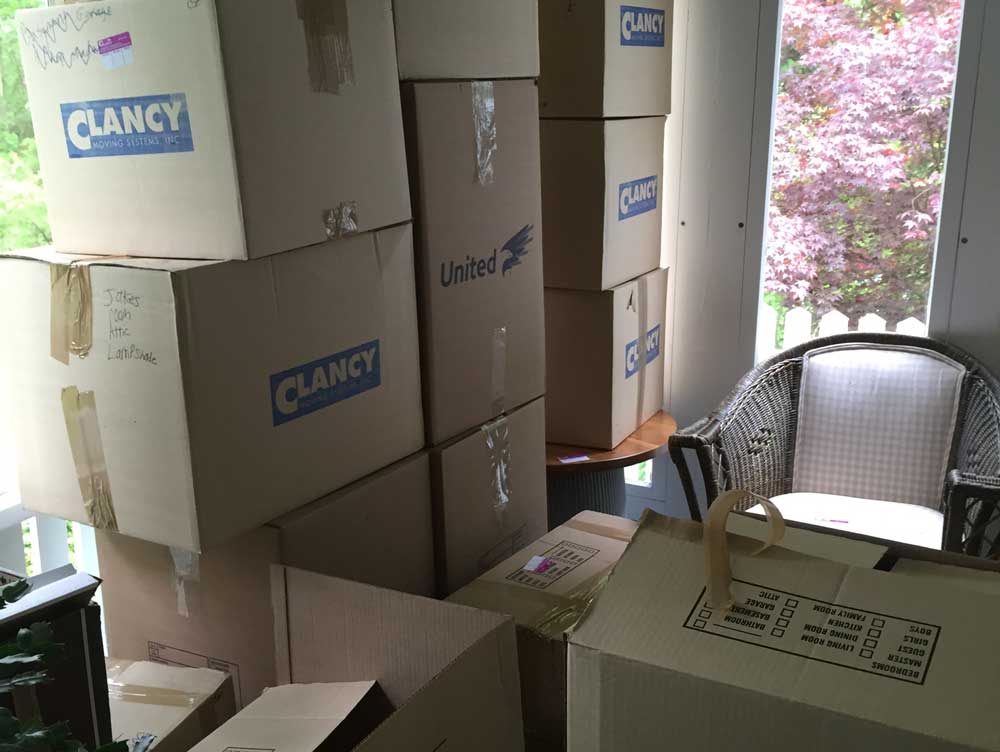
Couple moving boxes

Moving can be a complicated process, and knowing what to pack—and what to leave behind—can make the transition much smoother. Some items are too valuable to risk losing, while others may be hazardous or difficult to transport. Proper planning ensures a safe and efficient move, especially as moving numbers continue to rise with people relocating across the country.

Items You Shouldn’t Pack for Moving

Certain items should not be packed with the rest of your belongings due to safety, legal restrictions, or risk of damage. Many moving statistics highlight common mistakes made during the packing process, which can lead to unnecessary complications. 

Here are some categories of items best left out of the moving truck:

✔ Hazardous Materials

Flammable, toxic, or explosive items pose a serious risk during transit and should not be included in moving boxes. Items like aerosol cans, gasoline, fireworks, pool chemicals, and ammunition must be disposed of properly or transported separately following safety guidelines.

✔ Perishable Goods

Food that requires refrigeration, fresh produce, or half-used pantry items should not be packed, as spoilage can lead to unpleasant odors and damage to other belongings. If where are people moving to in the U.S. involves a short-distance move (under 150 miles), perishable items may be transported if properly packed and handled.

✔ Important Personal Documents & Valuables

 Essential paperwork and valuable items should always stay with the owner during the move. This includes birth certificates, passports, insurance policies, medical records, and financial documents. Additionally, heirlooms, jewelry, and irreplaceable personal collections should never be packed with general household items to avoid loss or damage.

What to Keep With You

Moving day can be hectic, so keeping an easily accessible bag of essentials ensures a smoother experience. As moving data suggests, one of the most common moving-day regrets is packing away necessary items in boxes that get buried in a moving truck. To avoid this, consider keeping these must-have items in your vehicle:

✔ Daily Necessities

  • Wallet, keys, and identification
  • Cell phone and charger
  • Prescription medications
  • Toiletry kit (toothbrush, toothpaste, lotion)
  • Change of clothes and comfortable shoes

✔ Travel & Safety Items

  • First aid kit
  • Flashlight and spare batteries
  • Maps or GPS device
  • Snacks, bottled water, and pet supplies if applicable

✔ Important Documents & Valuables

  • House deed or lease agreement for the new home
  • Insurance documents and vehicle registration
  • Small valuables like jewelry or collectibles

Careful planning is essential because where are Americans moving to is shifting toward southern and western states, often requiring longer travel distances. This increases the likelihood of delays due to extended transit times, logistical challenges, and potential weather disruptions. Proper preparation ensures a smoother relocation, minimizing unexpected issues.

Final Moving Day Tips

As moving statistics show, a well-organized move reduces stress and ensures a successful transition. By carefully planning what to pack and what to carry separately, moving day can be smoother and less chaotic. Whether relocating within the U.S. or internationally, following these guidelines ensures everything arrives safely at the new destination.

How to Choose the Right Moving Company for Your Home or Business Relocation
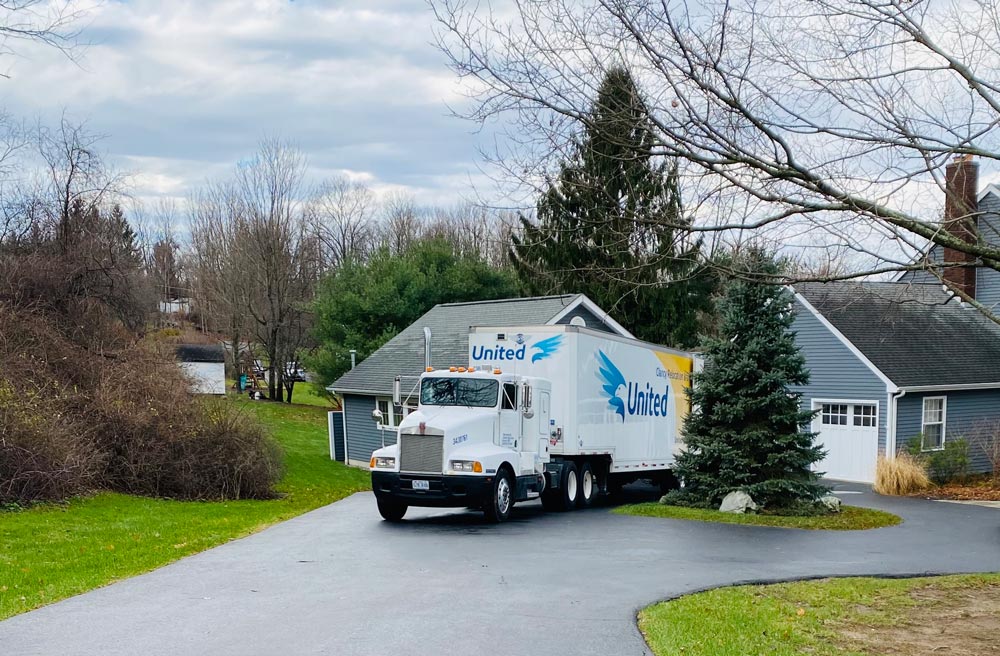
Moving statistics

Moving requires careful planning, whether for a home or business. With moving data showing increased state-to-state transitions, hiring a reliable moving company is key to a smooth and efficient process. Clancy Relocation & Logistics specializes in both residential and commercial moves, offering tailored solutions to ensure hassle-free relocation.

✔ Residential Moving Tips

Verify Licensing and Insurance

Hiring a licensed and insured moving company ensures a secure and legal move. A valid USDOT number confirms legitimacy, while valuation coverage protects belongings from loss or damage. With many relocating to high-demand areas, considering where are people moving to in 2024 helps in selecting movers experienced with popular routes.

Get Transparent Cost Estimates

Request at least three quotes from reputable companies to compare services and avoid hidden fees. Low-cost estimates can signal scams or unexpected charges. With moving numbers rising, Clancy Relocation & Logistics provides clear pricing, detailed contracts, and flexible options tailored to customer needs.

Assess Available Services

From full-service packing to storage solutions, selecting a company that meets relocation needs is crucial. If moving to one of the most moved to states like Texas or Florida, choosing specialists in long-distance moves is essential. Clancy Relocation & Logistics offers secure storage and handling of fragile or high-value items to accommodate various moving situations.

Check Customer Reviews and Complaints

As relocation trends shift, many ask, “Where are Americans moving to?” Job-rich states remain popular destinations, and working with an experienced mover like Clancy Relocation & Logistics ensures a smooth transition. Reading reviews on FMCSA and the BBB can also help you find movers with a strong track record.

✔ Commercial Moving Tips

Hire a Commercial Moving Specialist

Business relocations require specialized expertise to minimize downtime and protect assets. With more companies expanding to states with the most inbound moves, Clancy Relocation & Logistics offers professional commercial moving services, including office relocation, industrial moving, and warehousing.

Plan for Minimal Business Disruptions

Timing is crucial for businesses. Scheduling moves during non-peak hours or weekends ensures minimal operational impact. Clancy Relocation & Logistics provides strategic planning, including IT relocation and workspace setup, for a seamless transition.

Verify Equipment and Storage Solutions

Commercial moves often require specialized equipment, secure storage, and climate-controlled options. With businesses relocating to where are most people moving to, choosing a mover with the right capabilities ensures safe transportation and setup at the new location.

Avoid Scams and Hidden Costs

Fraudulent movers often target businesses with last-minute price hikes or delayed shipments. Clancy Relocation & Logistics guarantees transparent pricing and a dedicated project manager for every commercial move, ensuring security and efficiency.

Frequently Asked Questions

How do I make moving days less stressful?

Stay organized by packing everything before movers arrive and keeping a “Take-With-Me” inventory for essentials like IDs, documents, jewelry, and medications. Have a small bag with moving day essentials—snacks, water, chargers, and a first-aid kit. Keep travel necessities in your car, including spare keys, cash, toiletries, and pet supplies if needed. Enlist help from family or friends to ease the process, and stay flexible in case of delays. Short breaks and moving checklists can keep things on track and reduce stress.

Are People Leaving the U.S. for Political Reasons?

Political concerns continue to influence Americans’ decisions to move abroad. A 2024 Monmouth University report found that 34% of Americans wanted to relocate, up from 10% fifty years ago. By political affiliation, 41% of independents, 35% of Democrats, and 22% of Republicans expressed interest in resettling. 

How far in advance should I start planning my move?

It’s best to start planning your move at least two to three months in advance. This gives you enough time to research moving companies, compare prices, and secure a moving date that works for you. If you’re moving long-distance or during peak seasons like summer, you may need to plan even earlier. Packing can take longer than expected, so setting a schedule for sorting, donating, and boxing up your belongings is helpful. Last-minute moves can be stressful and more expensive, so early preparation can save both time and money. 

How do I decide whether to hire movers or move myself?

The decision depends on your budget, time, and how much stuff you need to move. Hiring professional movers can be convenient, especially for long-distance moves, but it can also be expensive. If you’re moving locally and don’t have a lot of heavy furniture, renting a truck and doing it yourself may be a cost-effective option. Consider factors like physical effort, time constraints, and whether you have friends or family to help. Some people choose a hybrid approach, hiring movers for large items while handling smaller boxes themselves. 

What are the most common moving mistakes?

One of the biggest mistakes is underestimating how much time packing will take, leading to a rushed and stressful move. Some people forget to label boxes properly, making unpacking a nightmare. Others fail to check moving company reviews and end up with unreliable movers or unexpected fees. Overpacking boxes can lead to damage or injury when lifting heavy items. Another common mistake is not setting up utilities and address changes in advance, which can cause delays and inconvenience. 

Make Moving Across the U.S. Stress-Free with Clancy Relocation & Logistics!

Relocating to a new state is a major transition, and choosing the right moving partner makes all the difference. Clancy Relocation & Logistics provides expert services to ensure a smooth and efficient move, whether heading to a bustling city or a quiet suburban neighborhood. With experience handling interstate moves, secure transportation, and tailored relocation solutions, every step is managed with precision and care. 

Start planning today—contact Clancy Relocation & Logistics for a hassle-free moving experience!

Let’s face it—adulting comes at you fast.

One minute you’re tossing your cap in the air, and the next you’re Googling what “first and last month’s rent” actually means. Between lease agreements, unexpected expenses (hello, toilet paper budget), and way more boxes than you thought you owned, moving into your first apartment can feel like chaos.

But it doesn’t have to.

Table of Contents

Key Takeaways

Why You Need a Moving Checklist

Pre-Move Planning

Packing and Organizing with Professional Support

Why Hiring Movers Matters

What To Look For in a Moving Company

Questions To Ask Before Booking

Moving Day Essentials

Frequently Asked Questions

Simplify the First Apartment Move With Clancy Relocation & Logistics!

Key Takeaways

A moving checklist keeps your first apartment move organized and stress-free.

Pre-move planning prepares you for a smoother moving day.

Packing and organizing protect your items and simplify unpacking.

Hiring movers eases the process and safeguards your belongings.

Choosing the right company ensures a reliable, on-time moving experience.

Asking the right questions helps avoid surprises and ensures the movers are a good fit.

Moving day essentials keep important items close for a stress-free first day.

Why You Need a Moving Checklist

A good checklist isn’t just about staying organized. It’s your lifeline through the mess. From figuring out what to pack to sorting out your budget, the right list can be the difference between a total meltdown and a smooth, stress-free move.

That’s where a moving checklist comes in.

Think of it as your go-to guide for launching life in your first apartment—clear, organized, and yes, maybe even a little fun.

Here’s everything every new grad should check off before calling that place home.

Pre-Move Planning

Start strong with a first apartment moving checklist. Before packing a single box, focus on picking the right place, setting a budget, and sorting out the key details.

Researching Potential Apartments

Before signing a lease, it’s important to research and compare options to find a place that fits your lifestyle, budget, and long-term needs. Here are the key factors to consider while evaluating apartments:

  • Budget Evaluation: First-time renters should calculate how much they can comfortably spend on rent each month by reviewing their income, student loan payments, and estimated living expenses. For instance, consider spending no more than 30% of your monthly income on rent to ensure you have enough left over for essentials like groceries, transportation, savings, and the occasional splurge. In addition to regular rent, plan for upfront expenses like the first month’s rent, a security deposit (usually one month’s rent), and possible application fees.
  • Location and Commute: Choosing a neighborhood that offers safe surroundings, walkability, and a manageable commute to work or school is essential. Online maps and local forums can help provide insights into daily traffic and transit access.
  • Safety and Surroundings: It is highly recommended to visit the neighborhood during the day and at night to observe lighting, noise, and safety. Look for nearby amenities such as grocery stores, pharmacies, and public transport stops.
  • Lease Terms: Carefully reading the lease can help avoid surprises later. Important details include how long the lease lasts, whether subletting is allowed, who is responsible for repairs, and the terms for renewing or breaking the lease.
  • Moving Costs: Whether hiring professional movers or renting a truck, moving can be expensive. Costs may include hourly labor, mileage, gas, and equipment rentals such as dollies or furniture pads. Getting quotes in advance helps manage expectations.
  • Utility Setup and Services: In addition to deposits, there may be activation fees for internet, electricity, and water. Planning ensures services are ready when moving day arrives.

Hiring Movers and Planning the Move

Hiring movers is a smart investment for first-time renters looking to reduce the stress and workload of moving day. Partnering with an experienced relocation service like Clancy Relocation & Logistics helps ensure everything arrives safely and on schedule.

  • Work With a Reputable Moving Team: A seasoned moving company can manage the logistics of apartment moves with professionalism and care, handling everything from large furniture to fragile items. Teams with commercial and residential experience tend to be more organized and better equipped for tight timelines or urban moves.
  • Secure the Date Early: Movers can book up quickly, especially around the start or end of the month. Once your lease is signed, schedule your move right away to ensure availability.
  • Coordinate Building Requirements: Check with both your old and new buildings for any move-in policies. Some locations require elevator reservations, proof of insurance from the movers, or limit moving hours.

Packing and Organizing — Why Let the Pros Handle It?

Packing efficiently is one of the most important parts of any first apartment moving checklist. This stage is not just about putting things into boxes—it’s about reducing clutter, protecting valuable items, and preparing for an easy transition. 

Professional packing services offer a faster, more secure way to prepare for moving day, especially for those working through a first-time renter’s moving checklist. Instead of sourcing supplies or guessing how to protect delicate items, experienced teams handle everything from start to finish using the right materials and techniques.

For first-time renters, this removes the stress and uncertainty of doing it alone. Working with a trusted relocation partner, such as Clancy Relocation & Logistics, adds peace of mind and ensures your belongings are in capable hands.

What You Can Expect with Packing Services

When you choose to use professional packing services as part of your essential first apartment checklist, here’s what’s typically included to make the process smooth and efficient:

  • All Supplies Included: No need to shop for boxes, tape, bubble wrap, or markers—moving crews show up with high-quality materials and tools, saving you time and ensuring your items are packed safely from the start.
  • Room-by-Room Organization: Each box is clearly labeled and packed by room or category, which makes unpacking less overwhelming and helps you settle into your new apartment with ease.
  • Special Handling for Fragile or High-Value Items: Items like dishes, electronics, and glass decor are packed with extra care using the right materials, reducing the risk of damage, something that’s especially helpful for renters starting fresh with limited belongings.
  • Flexible Support Based on Your Needs: Whether you want help with the entire apartment or just specific areas, packing services can be tailored to your comfort level, budget, and timeline, making them a great fit for first-time renters.

How You Can Still Stay Involved

If you prefer to pack a few things yourself or keep personal items close:

  • Prepare a First-Night Essentials Bag: Keep a small bag with clothes, basic toiletries, chargers, medications, keys, and important documents with you—this way, you won’t be digging through boxes on your first night.
  • Sort and Declutter Before Crew Arrival: Go through your items ahead of time and donate, toss, or recycle anything you don’t need. It makes packing faster and helps avoid moving unnecessary clutter into your new space.
  • Label Sentimental or Private Items: While moving teams are respectful and professional, you may prefer to pack personal or sentimental items—like journals, photo albums, or keepsakes—on your own for added peace of mind.

Why Hiring Professional Movers Matters

When planning your first apartment move, hiring a reliable moving service can make a big difference. Movers do more than just lift and carry—they manage the physical labor, streamline the process, and help protect valuable belongings.

  • Saves Time and Effort: Professional movers manage the loading, transportation, and unloading of belongings, giving renters the freedom to focus on settling in—a key step in any first apartment move-in checklist.
  • Protects Belongings: Movers are trained to properly wrap and secure fragile or bulky items to prevent damage during transport.
  • Reduces Physical Risk: Safety is a major concern during any move. Lifting heavy or oversized items improperly can cause common injuries like strains and sprains. Professional movers use the right techniques and equipment to reduce physical risk and ensure safe handling throughout the move.
  • Simplifies Scheduling: Moving companies follow strict schedules, helping renters stick to their move-in timeline without unnecessary delays.
  • Fewer Last-Minute Problems: Because movers plan, they often help avoid surprises, such as furniture that won’t fit through a doorway or delayed transportation.
  • Less Stress on Move-In Day: When movers handle the heavy lifting, renters can focus on settling in and getting comfortable. A recent survey found that one in four Americans consider moving more stressful than landing a plane, ranking it above losing a job or switching careers. Professional help can make a major difference.

What To Look For in a Moving Company

First Apartment Moving Checklist

When following an essential first apartment checklist, selecting the right moving company is critical. The wrong choice could result in lost items, damaged furniture, or unexpected costs.

  • Licensing and Valuation: When choosing a moving company, make sure it’s fully licensed and insured. This ensures you’re protected if anything gets lost or damaged during the move—crucial peace of mind when checking off your first apartment move-in list, where every item matters.
  • Transparent Pricing: The company should provide clear, written estimates so there are no surprises on moving day. Reputable providers like Clancy Relocation & Logistics are known for offering upfront quotes that outline all expected costs, helping renters understand exactly what’s included and avoid hidden fees.
  • Customer Reviews: Online reviews give insight into the company’s reliability, professionalism, and overall service quality. A pattern of positive reviews is a good sign.
  • Experience With Apartments: Movers who regularly handle apartment relocations are familiar with navigating narrow stairwells, securing elevator time slots, and managing limited parking—critical details often overlooked by those new to moving.
  • Availability and Flexibility: Top-tier movers offer scheduling that matches your move-in date and the flexibility to adapt if plans shift—something every first-time renter should prioritize to avoid stress and keep the move on track.

Questions To Ask Before Booking

Before signing a contract and finalizing your first-time renter moving checklist, it’s essential to ask a few key questions to make sure the moving company is the right fit. These questions help set clear expectations, avoid hidden costs, and prevent last-minute surprises—especially important for anyone following an essential first apartment checklist.

  • Are Moving Supplies Included? Some movers include things like padding, straps, and boxes in the price, but others charge extra. Be sure your first apartment moving checklist covers what’s included.
  • How Do They Handle Fragile or Heavy Items? Ask what procedures they follow to protect TVs, mirrors, or oversized furniture. This is critical if you’re moving for the first time and want your essentials to arrive damage-free.
  • What Is the Cancellation Policy? Plans can change quickly. Understand the terms for canceling or rescheduling to avoid losing your deposit or paying fees.
  • Are There Additional Fees for Stairs, Elevators, or Long Walks? Many apartment moves involve stairs, tight hallways, or limited parking. Ask if these scenarios cost extra, so you’re not caught off guard.
  • Will the Same Crew Handle Pick-Up and Drop-Off? Consistency matters. Knowing whether the same team will unload your belongings helps ensure better accountability and handling.

Moving Day Essentials

Every first apartment moving checklist should include a set of must-have items for the big day. Whether you’re unpacking on your own or working with a professional team like Clancy Relocation & Logistics, being prepared helps ensure everything goes according to plan. From basic tools to personal items, these essentials are key to a successful transition.

What to Take With You (Your “Take-With-Me” Inventory)

  • Important papers and IDs
  • Jewelry and valuables
  • Medications
  • Snacks and water
  • Houseplants
  • Pet supplies
  • Emergency cash

In Your Bag or Pockets

  • Cell phone
  • Spare keys
  • Wallet (with cash & cards)
  • Driver’s license / ID
  • Sunglasses or prescription glasses
  • Health insurance cards
  • Medical and dental records
  • Birth certificate / Passport
  • School records
  • Emergency contact info

In the Car

  • Phone charger(s)
  • First aid kit
  • A GPS device or a printed map
  • Suitcases with clothing & valuables
  • Blankets and pillows
  • Toiletry kit (toothpaste, lotion, etc.)
  • Paper towels / wet wipes
  • Flashlight
  • Trash bags
  • Road flares or triangles
  • Pet food, water, bowls
  • Toys or comfort items (for kids/pets)
  • Snacks or a cooler with lunch
  • Small houseplants
  • Prescription medications

What Not to Pack When Moving (Leave Out or Carry Personally)

  • Hazardous or Restricted Items
  • Aerosol cans
  • Ammunition
  • Lighter fluid, oils, or fuels
  • Paints, varnishes, or thinners
  • Household batteries or car batteries
  • Fireworks or matches
  • Pesticides and pool chemicals
  • Bleach, ammonia, or nail polish

Sensitive Personal Items (Carry With You Instead)

  • Address books, financial docs
  • Car/home keys
  • Insurance policies
  • Prescription meds (especially if they need refrigeration)
  • Laptop, hard drives, backups
  • Jewelry, furs
  • Photos, heirlooms, diplomas
  • Plane tickets, checkbooks
  • Research or professional files

Perishables (Unless Delivered Within 24 Hrs & Under 150 Miles)

  • Frozen or refrigerated food
  • Opened containers
  • Fresh produce or dairy
  • Items that spoil easily
TIP
Consider hiring professional moving services like Clancy Relocation & Logistics. They can provide guidance on what to keep with you vs. what they can safely transport.

Frequently Asked Questions

What should I do before moving out of my current apartment?

Before moving out, notify your landlord with proper notice according to your lease agreement. Make sure to clean the apartment thoroughly to increase the chances of getting your security deposit back. Take pictures of the apartment’s condition for your records. Disconnect utilities and update your address with banks, subscriptions, and the postal service. Don’t forget to return keys and settle any remaining bills.

How do I update my address when I move apartments? 

You can update your address by visiting your local post office or using the USPS website to file a change of address form. It’s also important to inform your bank, employer, valuation providers, and any subscriptions or services you use. Many companies allow you to update your address through their online portals. Make sure to do this before or shortly after your move to avoid missing important mail. Double-check all changes to ensure smooth mail forwarding.

How do I safely move with pets?

Moving with pets requires extra planning to keep them calm and safe. Try to keep their routine as normal as possible during the move. On a moving day, keep them in a quiet, secure space or arrange for a pet sitter. Make sure their carrier is comfortable and well-ventilated if you’re traveling. After arriving at the new apartment, introduce them gradually to the new space.

How can I reduce stress during my apartment move?

Start early and break tasks into manageable steps to avoid feeling overwhelmed. Use a planner or app to stay organized and track your progress. Don’t hesitate to ask for help or delegate tasks when needed. Keep a positive mindset and remember the move is temporary. 

What should I do immediately after moving into a new apartment?

Unpack essentials first and make sure utilities are working properly. Check for any damages and report them to your landlord right away. Introduce yourself to neighbors and learn about building policies or amenities. Update your address with any services you may have missed. 

Simplify the First Apartment Move With Clancy Relocation & Logistics!

Moving into a first apartment can be overwhelming without the right help. From careful planning to efficient transport, Clancy Relocation & Logistics provides reliable moving solutions designed specifically for first-time renters. With years of experience handling residential moves, our team ensures that every item is protected, every detail is managed, and the transition into a new space is smooth from start to finish.

Start the move with Clancy Relocation & Logistics today!

Table of Contents


Key Takeaways

6 Reasons Families Trust Cross Country Movers for Relocation

  1. Professional Expertise
  2. Time-Saving Convenience
  3. Stress Reduction
  4. Comprehensive Services
  5. Safety and Valuation Coverage
  6. Cost-Effective in the Long Run

Frequently Asked Questions

Simplify Long-Distance Moving with Trusted Experts!

Key Takeaways

Experienced cross country relocation services ensure items are packed, handled, and transported with skill and care.

Professional moving teams streamline the process, saving families valuable time.

Having experts manage the move reduces emotional and physical strain on families.

Full-service options provide everything from packing to storage under one solution.

Reputable movers offer safety measures and valuation coverage for added peace of mind.

Bundled services and reduced risk of costly mistakes make hiring movers a smart financial choice.

Moving across the country is a major life transition that involves careful planning, time, and coordination. For families, the process can become even more complex with the added responsibilities of children, school schedules, and settling into a new environment. 

Handling everything alone often leads to stress, delays, and unexpected expenses. That’s why many families turn to professional cross country movers to handle the heavy lifting. 

Here are six key reasons why families prefer cross country movers for long-distance moves.

6 Reasons Families Trust Cross Country Movers for Relocation

1. Professional Expertise

When families are preparing for a long-distance move, hiring professional cross country movers can provide a level of expertise that significantly eases the process. 

Trained to Handle Long-Distance Moves

Cross country moves require more than just manpower—they demand skill, coordination, and attention to detail. Cross country moving services train their crews to understand how to pack, lift, and transport items specifically for long-distance travel.

  • Packing With Precision: Movers use proven techniques and quality materials to wrap, cushion, and box items so they remain intact during transit. This includes fragile glassware, electronics, and oddly shaped items.
  • Strategic Loading: Items are loaded in a calculated order, with heavy objects secured at the bottom and lighter or delicate items placed carefully to prevent shifting and breakage.
  • Navigating Long Routes: Drivers familiar with long-distance travel follow efficient routes, monitor road conditions, and adjust for factors like weather or traffic to ensure timely delivery.
  • Consistent Quality: Reputable movers follow standardized processes and maintain quality control from start to finish, offering the same level of care regardless of distance.
  • Customer-Focused Support: Top-rated cross country moving services communicate clearly, offer helpful advice, and check in with families throughout the process to ensure satisfaction and clarity every step of the way.

Reduced Risk of Damage or Loss

One of the main reasons families prefer professional cross country movers is the added security for their possessions. Moving across the country involves more handling and time on the road, which increases the chances of damage without the right precautions.

  • Protective Equipment Used: Movers arrive with protective gear such as padding, shrink wrap, floor runners, and moving straps, all designed to keep items secure during handling and transit.
  • Inventory Management: Teams take a detailed inventory of items being moved, helping families keep track of every piece and reducing the chance of anything being lost.

2. Time-Saving Convenience

Relocating across the country is a major undertaking that demands time, effort, and careful coordination. For families balancing daily routines, jobs, and school schedules, handling a long-distance move alone can become exhausting. 

Creates Comprehensive Solutions 

When families hire professional cross country movers, they gain access to experienced professionals who are trained to manage the entire moving process from start to finish. This removes the stress of figuring out complex logistics and ensures everything is handled on schedule.

  • Coordinated Scheduling: Movers plan every phase of the relocation, from packing days to delivery windows, making sure everything stays organized and on time.
  • Route Planning: Cross country drivers know how to map the most efficient and safest routes, reducing travel time and avoiding common delivery delays.
  • Inventory Management: Teams use a system to catalog and label boxes so nothing is lost or misplaced, saving time during unpacking and setup.

Frees Up Time for Personal Priorities

Hiring cross country moving services gives families back the time they would have spent packing, loading, and managing transportation. This extra time can be used for important personal tasks that need attention before the move.

  • Focus on Work and School: Parents can maintain productivity at work and children can stay in school longer without the disruptions caused by packing and planning.
  • Handle Housing Transitions: Families have more time to finalize mortgage paperwork, lease agreements, or prepare their new home before arrival.
  • Time for Goodbyes: Instead of rushing through the final days, families can spend meaningful time with loved ones and wrap up local commitments properly.

Faster, More Efficient Moves

One of the biggest advantages of using the best cross country movers is how quickly and efficiently they complete each part of the move. Their experience helps avoid common mistakes that cause delays in DIY moves.

  • Optimized Packing Systems: Professional movers use materials and packing techniques that not only protect items but also speed up the process.
  • Team-Based Labor: A crew of movers can accomplish in hours what would take a family several days, allowing for quicker departure and setup.
  • Reliable Transportation Schedules: Families can count on accurate pickup and delivery timelines, avoiding the frustration of long gaps between move-out and move-in.

3. Stress Reduction

Long-distance moves are not only physically demanding—they often bring emotional fatigue and mental exhaustion. Balancing the organization of belongings, tight schedules, and everyday responsibilities can quickly become overwhelming. In fact, nearly 64% of people report that a recent move was the most stressful experience they’ve faced, highlighting just how emotionally taxing the process can be.

Provide Peace of Mind

When working with cross country moving services, families benefit from clear schedules and consistent communication. This removes uncertainty and builds trust, making the move less stressful and more predictable.

  • Point of Contact Support: Many best cross country movers assign a dedicated coordinator who serves as the main point of contact, answering questions and resolving issues throughout the move.
  • Problem Solving: Whether it’s a change in delivery time or an unexpected delay, professional movers have the experience to quickly troubleshoot problems and adjust plans without causing major disruptions.

Emotional Relief for the Whole Family

The stress of a long-distance move can affect the entire family, from toddlers to grandparents. Hiring cross country movers offers emotional relief by easing the burden of planning and execution, allowing families to focus on their well-being and the exciting transition ahead.

  • Reduces Family Tension: By handling logistics and labor, movers help prevent arguments and stress within the household, promoting a calmer moving experience for everyone.
  • Creates a Sense of Stability: With professionals managing the move, children and older family members feel more secure and less disrupted by the changes.
  • Allows More Quality Time Together: Instead of being consumed by tasks, families can spend their final days in the current home making memories and preparing emotionally for the move.

4. Comprehensive Services

Cross Country Movers

Long-distance moves can involve complex logistics, especially for families with children, pets, or large households. Choosing the best cross country movers means having access to a full suite of solutions that make moving less stressful and more organized. 

Full-Service Options Offer All-in-One Support

Reliable cross country moving services take care of the heavy lifting—literally and figuratively. These services are meant to cover all aspects of a family’s relocation, from the moment packing begins to final setup at the new home.

  • Packing and Unpacking Services: Professional movers are trained to pack all types of belongings safely and efficiently. They use sturdy boxes, padding, and labels to make sure everything stays organized and protected during the journey. Once the move is complete, they also assist with unpacking, helping families settle in faster without the hassle of unboxing everything themselves.
  • Secure Storage: Sometimes move-in and move-out dates don’t line up perfectly. In these cases, cross country movers offer access to secure storage facilities. Families can store their belongings, knowing their items are safe until they’re ready to be delivered.
  • Furniture Disassembly and Assembly: Large or bulky furniture often needs to be taken apart to move safely. Movers disassemble items like beds, tables, and shelving before transit and reassemble them at the destination. This prevents damage and saves time during setup.

Customizable Packages to Fit Family Needs

Not all families have the same needs during a move. Some may want complete support, while others only need help with specific parts of the process. That’s why cross country relocation services are often customizable.

  • Flexible Service Levels: Whether a family wants full packing and setup or just loading and transport, movers offer packages to match. This flexibility ensures that families only pay for what they truly need.
  • Accommodations for Special Items: Families with delicate or oversized belongings—like antiques, pool tables, or grandfather clocks—benefit from cross country moving services that offer specialized care. Items made of wood are especially vulnerable, as they can shrink or swell with changes in humidity during transit. Professional movers understand these conditions and use proper packing and climate-controlled handling to protect sensitive items from damage.
  • Support for Last-Minute Changes: Life doesn’t always go according to plan. Many of the best cross country movers are prepared to adjust timelines and service details on short notice, giving families the flexibility they need when unexpected delays arise.

5. Safety and Valuation Coverage

Long-distance relocations involve more than just packing and transporting items—they require planning for the unexpected. For families making significant moves, working with professional cross country movers means having access to valuation coverage that helps protect belongings throughout the journey. 

Understanding Valuation Coverage

Valuation coverage is a crucial part of any long-distance move. While it’s not the same as valuation, it outlines the mover’s responsibility for your belongings. However, coverage and pricing can vary, so it’s best to check with trusted companies like Clancy Relocation & Logistics for accurate details.

  • Released Value Protection: This is the most basic form of coverage and is typically included in the cost of the move. It covers belongings based on weight rather than actual value—usually at a rate of 60 cents per pound per item. While it offers some protection, it may not be enough for high-value items.
  • Full Value Protection: This option provides more thorough coverage. If an item is damaged, lost, or destroyed, the mover is responsible for repairing it, replacing it with a similar item, or offering a cash settlement based on its current market value. Though it comes with an additional fee, it offers stronger financial protection, making it ideal for families with valuable or sentimental items.
  • Declared Value Coverage: With this option, the total value of the shipment is declared by the customer. The mover’s liability is then based on that amount, not the weight. It gives families more control over how much coverage they want for their move.

Why Valuation Coverage Matters for Families

When relocating across states or even across the country, the risk of damage or loss increases due to the long distance and various handling points. Valuation coverage provides families with added assurance that their belongings are not only being transported by the best cross country movers, but also protected throughout the journey.

  • Protection Against Unforeseen Events: During a cross country relocation, items may pass through several stages—from loading docks to long drives and storage. Valuation coverage ensures that families are not left to absorb the cost of accidents, mishandling, or transit-related damage.
  • Confidence in the Moving Process: When working with cross country movers, clear communication about coverage options helps families make informed decisions. Understanding what each option includes and excludes builds confidence in the entire moving process.
  • Peace of Mind During a Major Transition: Moving can be emotionally and physically overwhelming. Valuation coverage helps reduce worry by providing a financial safety net, allowing families to focus on settling into their new home.

6. Cost-Effective in the Long Run

Hiring cross country movers can initially appear to be a bigger investment, but over time, it often proves to be a more affordable and stress-free choice for families. Instead of navigating the complications and hidden expenses of a self-move, many turn to professional cross country movers to handle the job efficiently and transparently.

Avoiding Unexpected DIY Expenses

Do-it-yourself moves can create unexpected costs that families don’t always plan for. These costs can accumulate quickly and stretch a family’s moving budget far beyond what was expected.

  • Equipment Rentals and Supplies: Moving without help often means paying for a rental truck, moving equipment, and a large number of packing materials like boxes, blankets, and tape. These items may seem minor at first but add up quickly when purchased separately.
  • Fuel and Travel Costs: Long-distance trips come with fuel expenses, tolls, hotel stays, and meals along the way. These travel-related costs can easily exceed a family’s initial budget.
  • Risk of Damaged Items: Without proper training or the right materials, packing fragile or heavy belongings can lead to breakage. Replacing or repairing these items can become an expensive consequence of a DIY move.
  • Time Away From Work: A self-move usually requires taking multiple days off from work to pack, travel, and settle in. This lost time may affect income or eat into valuable vacation days.
  • Potential for Delays or Accidents: Inexperience can lead to poor planning, mechanical issues, or accidents on the road, resulting in delays and even higher repair or replacement costs.

Bundled Services Provide Better Value

One of the major advantages of using   is that they typically offer bundled packages that include everything needed for a successful move. This approach offers greater value and fewer financial surprises. 

However, it’s important to note that services and pricing can vary widely between providers, so families are encouraged to research carefully. Reputable companies like Clancy Relocation & Logistics can offer accurate estimates, clear service breakdowns, and trustworthy support throughout the moving process.

  • All-in-One Packages: Many cross country relocation services include packing, loading, transporting, unpacking, and sometimes temporary storage, all under one service agreement. This removes the need to hire different providers for each task.
  • No Hidden Fees: The best cross country movers offer transparent estimates, allowing families to understand exactly whatthey’re paying for. This predictability can help prevent budget overruns.


Frequently Asked Questions

What should I consider when planning a cross-country move?

Planning a cross-country move requires attention to timing, budget, and logistics. Start by setting a firm moving date and creating a checklist of tasks. Consider whether you’ll hire professional movers or do it yourself, and research the costs of both options. Look into moving coverage, state-specific laws, and utility transfers. 

What items should I not bring during a cross-country move?

Avoid bringing perishables, hazardous materials, and items banned by moving companies. Examples include open food containers, flammable substances, and firearms without proper permits. Also consider selling or donating bulky furniture you no longer need. Reducing clutter not only cuts moving costs but also simplifies unpacking. Always check your mover’s list of prohibited items to avoid delays.

How do I choose the right moving company?

Look for a licensed and insured mover with positive customer reviews. Get at least three written estimates and compare services, pricing, and availability. Check the company’s DOT number and Better Business Bureau (BBB) rating. Ask questions about liability coverage and cancellation policies. A trustworthy mover will offer transparency, reliability, and clear communication.

How should I prepare my home for moving day?

Start by decluttering and packing non-essentials weeks in advance. Label boxes clearly with contents and room destinations. On moving day, keep walkways clear, secure pets, and make parking space available for movers. Create a moving day essentials box with toiletries, chargers, snacks, and important documents. 

What’s the best way to pack fragile items for a long-distance move?

Use plenty of cushioning like bubble wrap, packing paper, and foam for delicate items. Pack fragile items tightly in sturdy boxes and clearly label them as “fragile.” Don’t overload boxes and place heavier items at the bottom. Consider double-boxing valuable pieces like electronics or glassware. If you’re unsure, professional cross country relocation services can ensure extra protection.

Simplify Long-Distance Moving with Trusted Experts!

Planning a long-distance relocation can be overwhelming without the right support. Working with experienced providers like Clancy Relocation & Logistics ensures every detail is managed with care, from packing to delivery. Our professional approach, clear communication, and reliable service make cross-country transitions smoother for families and individuals alike.

Get in touch today to schedule a personalized moving consultation!

Table of Contents

Key Takeaways

6 Tips for Storing Antiques Safely and Choosing the Right Storage Services

  1. Climate-Controlled Environment
  2. Clean and Pest-Free Conditions
  3. Security And Surveillance
  4. Professional Packing and Handling
  5. Accessibility and Organization
  6. Reputation And Reviews

Frequently Asked Questions

Protect Antique Collections With Expert Care!

Key Takeaways

✔ Select storage services that regulate temperature and humidity to prevent long-term deterioration of antique materials.

✔ Choose a facility that maintains strict cleanliness and pest control to keep antiques free from mold and infestations.

✔ Opt for providers with strong security measures in place to ensure antiques remain protected at all times.

✔ Look for services that offer professional packing and handling to reduce the risk of accidental damage.

✔ Prioritize organized, accessible storage that allows safe retrieval and proper item management.

✔ Trust providers with verified reviews and antique-handling experience to ensure reliable, knowledgeable care.

Storing antiques requires more than just placing them in a safe space—it involves careful planning, the right environment, and knowledgeable handling to preserve their condition and value. These items are often made from delicate materials and can be highly sensitive to temperature, humidity, and physical damage. Choosing the right storage services is key to ensuring long-term preservation.

Here are six best practices to look for when storing antiques.

6 Tips for Storing Antiques Safely and Choosing the Right Storage Services

1. Climate-Controlled Environment

Antique items are often crafted from organic and sensitive materials like wood, fabric, paper, leather, and metal. These materials naturally react to environmental conditions, especially temperature and humidity. 

Why Stable Temperature and Humidity Levels Matter

Maintaining a consistent climate is essential for preserving antiques. Without control, seasonal changes and sudden environmental fluctuations can create conditions that speed up deterioration.

  • Prevents Warping and Cracking: Wood is highly responsive to shifts in moisture and temperature. In dry conditions, it can shrink and crack. In humid settings, it may swell or warp. Consistent climate control keeps the wood’s moisture content stable, preserving its original form and preventing structural weakening.
  • Protects Against Mold and Mildew: Mold and mildew thrive in damp environments and can grow quickly on fabric, leather, paper, and even wood. These fungi not only damage the item but also release unpleasant odors and cause staining. Regulated humidity prevents the air from becoming overly moist, minimizing this risk.
  • Reduces Rust and Corrosion: Metals such as iron, bronze, and brass are especially vulnerable to corrosion when exposed to humid air. Climate-controlled storage services help keep metal components dry and rust-free by managing humidity within a safe range.

How Fluctuations Can Damage Wood, Fabric, and Metal

Inconsistent environmental conditions are especially harmful to antiques. As materials age, they become more fragile and less capable of adapting to changes. What may seem like minor fluctuations in climate can cause irreversible damage to older items.

  • Fabric Fading and Weakening: Repeated exposure to temperature swings and humidity can cause fibers in fabrics to weaken, lose their color, and become brittle. Over time, this leads to tears, discoloration, and loss of detail in textiles such as upholstery, clothing, and tapestries.
  • Wood Separation and Loosening: Antique wooden furniture and objects often feature joints held together by glue or pressure fitting. Climate instability can cause wood components to expand and contract, breaking bonds and leading to loose or detached parts.
  • Metal Deterioration: Variations in humidity can trigger the oxidation process in metal, causing it to develop rust or patina. This not only affects appearance but can also eat away at fine detailing or structural integrity if not managed.

2. Clean and Pest-Free Conditions

Maintaining a clean and pest-free environment is one of the most important factors in protecting antiques while in storage. Even small amounts of dust and pest activity can lead to serious and sometimes irreversible damage. 

Risks Posed by Pests

Antiques are especially vulnerable to pest damage due to the natural materials they’re often made from, such as wood, fabric, paper, and leather. Without proper pest control, even short-term exposure can lead to lasting harm.

  • Insect Damage: Pests like termites, silverfish, and carpet beetles can chew through wood, cloth, and paper, leaving behind holes, fraying, and internal weakening that may not be immediately visible.
  • Rodent Activity: Mice and rats can chew on wood or fabric and are known to build nests inside soft furnishings, often causing stains, odors, and physical destruction.
  • Infestation Spread: Once inside a storage space, pests can multiply quickly and affect multiple items, leading to extensive restoration costs or total loss.

Risks Posed by Dust

Dust may seem harmless at first, but over time it can cause serious damage to antique items, especially those made from porous or delicate materials like fabric, wood, and paper.

  • Surface Damage: Fine dust particles can settle into cracks and textured surfaces, leading to abrasion, dulling, or scratching of finishes and polish.
  • Discoloration and Staining: Dust buildup on fabrics, paintings, or paper can lead to visible yellowing, fading, or permanent staining if not regularly removed or controlled.

Certifications or Guarantees a Service Might Offer

When selecting storage services, it’s helpful to ask about any certifications or policies that support a clean, protected environment. However, these guarantees vary per provider, so it’s best to contact options like Clancy Relocation & Logistics to clarify these matters. 

  • Environmental Certification: Certifications from environmental or facilities management organizations show that the provider meets established cleanliness and air-quality standards.
  • Pest-Free Guarantees: Some providers offer written guarantees against pest-related damage. This shows a strong commitment to maintaining a controlled and clean environment.
  • Inspection Logs and Transparency: Facilities that maintain visible logs of inspections and maintenance activities demonstrate their accountability. Clients may be allowed to review these logs for added reassurance.

3. Security And Surveillance

When it comes to storing antiques, security is not just a feature—it’s a necessity. Valuable and often irreplaceable, antiques require protection from theft, damage, and unauthorized handling. 

Why 24/7 Monitoring And Controlled Access are Crucial

A secure facility is one that never sleeps. Storage services that offer constant monitoring reduce risks significantly by maintaining active oversight at all times. Controlled access further ensures that only trusted individuals can enter the premises.

  • 24/7 Video Surveillance: Continuous video monitoring allows facilities to record every corner of the property, day and night. This helps deter criminal activity and provides visual evidence in case of any incidents.
  • Access Control Systems: Multiple access control systems limit entry to authorized personnel only. This prevents strangers or unapproved individuals from entering the property or individual units.

Valuation And Risk Protection

Even with the best security measures in place, accidents and natural events can still occur. Valuation is an essential layer of protection that helps mitigate financial loss if something goes wrong. However, coverage options and policies can vary between providers, so it’s recommended to consult reputable companies like Clancy Relocation & Logistics for accurate information and reliable guidance on pricing and protection plans.

  • Offered Valuation Policies: Many facilities offer in-house valuation plans or connect clients with specialized insurers who cover fine art and antique storage.
  • Custom Valuation Coverage: For rare or high-value antiques, it’s important to secure a policy based on the item’s appraised value, not just a general estimate.
  • Proof Of Coverage Requirements: Some storage services require proof of valuation before accepting items into storage. This ensures both the customer and the provider are covered in case of damage, fire, or theft.

4. Professional Packing and Handling

Storing Antiques

Storing antiques safely is not just about finding space—it’s about protecting delicate and often irreplaceable items with care. This is where expert packing and handling become essential. 

How Trained Staff Impacts the Process 

Trained staff play a vital role in protecting antiques from damage. Their experience ensures each item is treated with care and attention to detail.

  • Knowledge of Materials: Trained professionals are familiar with how different antique materials—such as aged wood, ivory, ceramic, or vintage textiles—can react to touch, movement, and pressure. They know how to handle each one properly.
  • Specialized Handling Techniques: Staff use safe lifting, padding, and carrying methods to reduce the risk of scratches, breakage, or structural strain. They also avoid unnecessary contact with delicate finishes or fabrics.
  • Damage Prevention: With proper techniques, trained personnel help avoid accidental drops, bending, or surface wear—preserving the condition and value of the antiques for the long term.

Recommended Packing Materials And Techniques

The right packing materials and methods are key to preventing damage during transport and while in storage. Reputable storage services will either use or recommend proper materials that suit each type of item. It’s best to contact providers like Clancy Relocation & Logistics to confirm availability of these materials. 

  • Acid-Free Paper: Ideal for wrapping fragile or aging items like books, textiles, artwork, or metal pieces, acid-free tissue acts as a neutral layer that helps prevent discoloration, surface damage, and corrosion.
  • Bubble Wrap and Foam Padding: These materials cushion breakable items, such as glassware, fine china, or ornate wood carvings, keeping them safe from shocks or bumps.
  • Custom Crates and Boxes: Custom-built containers fit the specific size and shape of each item, reducing shifting during transport and offering better stability. This is especially important for unusually shaped or large pieces.
  • Furniture Covers: These are made from soft, breathable materials and are used to protect antique furniture from dust, light exposure, and humidity without trapping moisture inside.

Availability Of Assistance Or In-House Services

Some storage services go beyond providing a place to store antiques. They offer extra support that makes it easier for collectors and owners to properly manage their items. Options vary so it’s best to confirm these services to the storage company. 

  • On-Site Packing Support: Many facilities provide trained staff who can help with wrapping and boxing items right at the storage location. This ensures items are stored safely from the beginning.
  • Pickup and Delivery Services: Some storage providers offer transportation services. This is especially helpful for large or heavy antiques that need special care when being moved.
  • Consultation Services: Expert teams may provide advice on how to best pack or store specific antiques. They may inspect the item and recommend the most protective method or materials based on its condition and type. 

5. Accessibility and Organization

Storing antiques should not come at the cost of convenience or proper care. A reliable storage service not only protects valuable pieces but also makes it easy to locate, access, and manage them when needed. 

Ease of Access and Item Retrieval

Storage services should offer straightforward, dependable access to stored antiques. This ensures that owners or caretakers can inspect, rotate, or retrieve items without disruption or unnecessary delays.

  • On-Site Assistance: Trained personnel who are familiar with handling fragile or valuable items can assist in locating, retrieving, or moving antiques, helping reduce the risk of accidental damage.
  • Clear Navigation and Unit Layouts: Organized aisles, clearly marked unit numbers, and logical layout design help users find their storage units and contents quickly without confusion or backtracking.

Custom Storage Features for Antiques

Antiques often require non-standard storage solutions due to their unique sizes, shapes, and materials. The right setup helps prevent damage from improper stacking, cramped spaces, or unsuitable surfaces. Communicating with trusted providers like Clancy Relocation & Logistics can help clarify the availability of these features. 

  • Custom Shelving Units: Storage services that offer padded or adjustable shelving units can accommodate different types of antiques, from delicate porcelain to heavy wooden furniture, without compromising their condition.
  • Vertical Storage for Artwork and Mirrors: Flat artworks and mirrors should be stored upright using padded supports to avoid pressure cracks, warping, or frame separation. Vertical storage also makes these items easier to sort and access.
  • Individual Wrapping and Staging Areas: Designated zones for unpacking, inspecting, and rewrapping antiques allow for safer handling before and after items are moved. These areas reduce the risk of damage caused by rushing or poor lighting conditions.

6. Reputation And Reviews

Choosing a trusted company for antique storage isn’t just about the features they offer. A provider’s reputation often says more than any brochure can. Before selecting storage services, it’s smart to look at what others have experienced.

Key Things to Look For

Customer feedback offers valuable insight into how a company actually treats and stores antiques. It helps paint a real-world picture of their service quality, reliability, and professionalism.

  • Long-Term Customer Satisfaction: Reviews from customers who have used the service for years can reveal how consistent the provider is in handling delicate and valuable items.
  • Handling Claims And Issues: Look for reviews that mention how the company responded to any damage or concerns. A responsive and respectful team is key when storing irreplaceable items.
  • Ease Of Communication: Pay attention to how well staff communicate with customers. Clear communication is a good sign of well-managed storage services.

Online Reviews, Testimonials, And Accreditations

Online platforms often hold a wealth of honest opinions. Pair those with professional endorsements to get a clearer sense of who can be trusted.

  • Google And Yelp Reviews: These sites usually include a mix of ratings and detailed comments. Focus on those mentioning antique storage specifically.
  • Video Or Written Testimonials: Some companies share real customer stories on their websites or social media. These can offer deeper insight into the client experience.
  • Industry Certifications Or Memberships: Look for accreditations from organizations related to storage or antiques, such as the American Alliance of Museums or the Self Storage Association. These can be signs of proper training and ethical practices.

Experience In Handling Antiques Specifically

General storage services may not always offer the level of care antiques require. Companies that regularly deal with antique items are more likely to understand the importance of proper handling and protection.

  • Specialized Knowledge: A storage provider with experience in antiques often understands how to store items like vintage furniture, artwork, or heirlooms properly.
  • Custom Solutions For Fragile Items: These companies may offer padded shelves, custom crates, or extra climate controls for delicate pieces.
  • References On Request: Trustworthy providers with antique experience are usually willing to share past client references or project examples.


Frequently Asked Questions

Can improper handling during storage lead to antique devaluation?

Yes, improper handling such as dragging, stacking, or lifting from weak points can cause scratches, fractures, or even complete breakage. Many antiques are delicate and structurally different from modern items, requiring specific handling techniques. Damage caused during handling often results in visible defects that lower resale and appraisal value. Even seemingly small mistakes can compromise the integrity of a piece.

What are the risks of improper antique storage?

Improper storage can lead to irreversible damage such as cracking, warping, fading, or mold growth. Temperature swings and humidity can degrade materials like wood, leather, or fabric. Metal antiques may corrode, while paper-based items might become brittle or discolored. Pests such as rodents or insects can also infest and chew through delicate pieces. 

How should I prepare antiques for long-term storage?

Preparing antiques for long-term storage starts with a detailed cleaning using appropriate materials. Once clean, wrap each item in protective materials suited to its composition, like cotton sheets or bubble wrap. Ensure items are properly labeled and documented, including photos for valuation purposes. Store items off the floor and avoid stacking heavy objects on top. Finally, check items periodically to ensure they remain in good condition.

Are there financial consequences of storing antiques incorrectly?

Yes, poorly stored antiques can lose substantial monetary value due to damage, staining, or deterioration. Restoration costs can be high, and some pieces may become unsellable if irreparably harmed. Valuation may not cover losses caused by negligence or improper storage. Long-term value depends heavily on condition, which directly links to how well items are stored.

What are common mistakes people make when storing antiques?

Common mistakes include using plastic wrap, stacking heavy items, storing in damp basements, or forgetting to document the items. Many people also underestimate the importance of climate control or assume valuation isn’t necessary. Others fail to inspect the unit regularly, allowing damage to go unnoticed. Using poor-quality packing materials can also lead to surface damage or exposure. 

Protect Antique Collections With Expert Care!

Clancy Relocation & Logistics specializes in secure, professional storage services tailored to the needs of antique items. Our facilities are equipped to safeguard delicate valuables through climate control, proper handling, and trusted security measures. With a long-standing reputation and experience in managing antique collections, we offer peace of mind and dependable service for collectors and curators alike.

Contact Clancy Relocation & Logistics today to explore custom storage solutions!

Table of Contents

Key Takeaways

6 Reasons to Hire Full-Service Movers for Your Apartment Move

  1. Handle All Packing and Unpacking
  2. Provide Heavy Lifting and Loading Support
  3. Offer Transportation Logistics
  4. Supply Moving Equipment
  5. Save Time and Energy
  6. Reduce Risk of Damage or Loss

Factors to Consider When Moving into a New Apartment

Frequently Asked Questions

Make Moving Apartments Safer and Simpler With Trusted Experts!

Key Takeaways

Full-service movers carefully pack and unpack every item, saving time and reducing the stress of doing it alone.

They handle all the heavy lifting and loading, preventing injury and protecting large or fragile furniture.

Movers manage all transportation logistics, eliminating the need to rent a truck or plan the route.

They bring all the necessary moving equipment, ensuring items are moved safely and efficiently.

A trained moving crew speeds up the entire process, freeing up time to focus on other important tasks.

Professional movers reduce the chance of damage or loss by using proper techniques, materials, and valuation options.

Moving apartments is often more stressful than people expect—and the data proves it. In a recent survey of 1,000 Americans who had recently moved, 45% said it was the most stressful event in their life. From packing to logistics, the process can be overwhelming. Full-service movers help ease that burden by handling the toughest parts of the move.

Here are six ways they make apartment moving much easier.

6 Reasons to Hire Full-Service Movers for Your Apartment Move

1. Handle All Packing and Unpacking

Moving apartments involves far more than just transporting items from one place to another. One of the most time-consuming and physically demanding parts of the process is packing and unpacking. 

Packing Services Done Right

From small decor pieces to large furniture, full-service movers pack everything with attention to detail and a focus on safety.

  • Professional Packing Supplies: Movers bring high-quality materials like sturdy boxes, bubble wrap, packing paper, and heavy-duty tape to protect items from damage during the move. These materials are specifically chosen to handle the demands of both long and short-distance relocations.
  • Item-Specific Packing Techniques: Each item is packed using the right method for its size, shape, and fragility. For example, glassware is wrapped individually, electronics are cushioned with anti-static padding, and furniture is protected with moving blankets.
  • Room-by-Room Packing Strategy: Movers use an organized approach by packing room by room. This keeps items grouped logically and makes it much easier to locate essentials when setting up the new apartment.

Unpacking That Saves Time

Unpacking after a move can be exhausting, especially after a long day of coordinating logistics. Full-service movers also handle this step, helping to speed up the transition into the new space.

  • Box Placement by Room: Upon arrival at the new apartment, movers place boxes and furniture in the rooms where they belong. This eliminates the need for heavy lifting or constant back-and-forth.
  • Unpacking and Organizing: Movers can unpack boxes and arrange items in designated areas such as cabinets, closets, and shelves. This service helps the resident settle in faster and avoid living out of boxes for days or weeks.
  • Removal of Packing Waste: Once everything is unpacked, movers collect and dispose of all packing materials such as boxes, plastic wrap, and paper. This keeps the new home clean and clutter-free from day one.

2. Provide Heavy Lifting and Loading Support

When moving apartments, one of the most physically challenging parts is dealing with large furniture, heavy boxes, and awkwardly shaped items. 

Expert Handling of Heavy Items

Professional movers are trained to lift, carry, and load items with precision. Their experience helps prevent common issues that can occur when trying to move heavy belongings without assistance.

  • Furniture Disassembly and Reassembly: Movers can take apart items like bed frames, bookshelves, and dining tables before transport. Once everything arrives at the new apartment, they reassemble it properly, saving both time and effort.
  • Safe Navigation Through Tight Spaces: Moving apartments often involves maneuvering through narrow staircases, elevators, or tight hallways. Movers are skilled at guiding large items through these spaces without damaging the walls, floors, or the items themselves.
  • Use of Specialized Tools: Full-service moving teams come equipped with tools such as hand trucks, furniture sliders, moving straps, and lifting harnesses. These tools allow them to carry more weight safely and efficiently while keeping everything stable during the process.

Protection for People and Property

Lifting and loading incorrectly can lead to both injuries and damage. Relying on trained movers helps avoid these risks and ensures a smoother, safer move.

  • Reduced Risk of Personal Injury: Professional movers use safe lifting techniques and team coordination to reduce physical strain. According to injury data, smart lifting practices lower the risk of back sprains, muscle pulls, wrist and elbow injuries, and spinal issues often caused by lifting heavy objects. These risks are especially common in do-it-yourself moves without proper training or support
  • Protection Against Property Damage: Items are wrapped in padding or moving blankets and handled with extra care. This keeps fragile or valuable pieces from being scratched, dropped, or broken while being loaded onto or off the truck.

3. Offer Transportation Logistics

Full-Service Movers

Moving apartments is not just about packing boxes—getting those boxes to the new location safely and efficiently is just as important. Full-service movers remove the stress from this stage by managing all aspects of transportation, from planning to final delivery.

Professional Planning and Route Coordination

Reliable movers begin by creating a clear plan to move everything smoothly. They consider the size of the move, traffic patterns, timing, and potential challenges before a single box is moved.

  • Route Planning: Movers study local routes and traffic conditions to choose the most efficient and reliable paths. This helps avoid unnecessary delays and ensures belongings arrive on time.
  • Timing Coordination: They schedule pickups and deliveries based on building access hours, elevator reservations, and the client’s availability to ensure a seamless transition.
  • City or Suburb Navigation: Experienced movers know how to handle tricky situations like narrow city streets, busy apartment complexes, or limited parking. They’re familiar with permits and rules, which avoids last-minute surprises.

Truck Management and Safe Loading

There is no need for the person moving to rent a truck or worry about how to load their belongings. Full-service movers arrive with everything needed to safely transport household items.

  • Truck Sizing and Preparation: Movers assess the volume of items to bring a correctly sized truck. This prevents multiple trips or wasted space and protects items from being packed too tightly or loosely.
  • Safe Loading Techniques: Trained crews use equipment like dollies, straps, and moving blankets to secure furniture and boxes. Their method reduces the risk of breakage or shifting during the drive.
  • Efficient Use of Space: They know how to stack and position items inside the truck in a way that maximizes space and keeps everything balanced. This lowers the risk of damage and speeds up unloading later.

Peace of Mind During Transit

Letting professionals handle transportation allows the individual to focus on other important details of moving apartments without worrying about the drive.

  • Licensed and Covered Drivers: Full-service companies use drivers who are trained, certified, and covered by valuation. This adds a layer of protection in case of unexpected events.
  • Real-Time Communication: Some moving companies provide updates or tracking during the move, so the individual always knows where their belongings are and when they’ll arrive.
  • Backup Plans: If bad weather, traffic, or mechanical issues occur, movers have protocols in place to handle the situation. This ensures delays are managed professionally and calmly.

4. Supply Moving Equipment

Full-service movers arrive with all the essential tools and equipment needed for a safe and efficient move. When moving apartments, having the right gear not only saves time but also protects belongings and prevents injuries. 

Commonly Used Moving Equipment Tools and Equipment

The proper moving tools are critical in reducing the risk of damage to furniture and other items. They also minimize the physical strain on individuals and help navigate the unique challenges that often come with moving in or out of apartment buildings.

  • Dollies and Hand Trucks: These wheeled tools are used to move heavy items such as boxes, appliances, and furniture. They allow movers to transport several boxes at once, reducing the number of trips needed and making it easier to move items through hallways, elevators, and tight entryways commonly found in apartment buildings.
  • Ramps and Lifting Straps: Ramps help create smooth transitions between surfaces, especially when loading items into a moving truck. Lifting straps help movers carry large or heavy items by evenly distributing weight across their bodies, allowing for safer lifting and better balance.
  • Protective Padding and Blankets: These materials are used to wrap and cover furniture, mirrors, glassware, and other delicate belongings. Padding prevents scratches, dents, and cracks during the moving process, especially during transport when items may shift or bump against each other.
  • Furniture Sliders: Sliders are placed under furniture legs or corners to help slide large pieces across floors without scratching or damaging them. This is especially useful in apartments with hardwood floors or tight spaces where lifting is difficult.
  • Toolkits and Disassembly Gear: Full-service movers bring complete toolkits with screwdrivers, wrenches, and other necessary tools. These allow them to safely take apart furniture like beds, tables, and bookshelves. Disassembling large items before transport makes them easier to move and helps prevent damage during transit.
  • Straps and Tie-Downs: These are used to secure items inside the moving truck. By holding everything in place, they prevent boxes and furniture from shifting during the ride, which protects both the items and the truck interior.

5. Save Time and Energy

Moving apartments is a time-consuming process that involves much more than packing boxes. It requires coordination, physical effort, and attention to detail. Full-service movers help make this transition quicker, less tiring, and far more organized by handling the most demanding parts of the move.

Trained Professionals Work Efficiently

Experienced movers know exactly what to do and how to do it quickly. Their skills help streamline the process from start to finish.

  • Experience Reduces Delays: Full-service movers follow proven systems and checklists. This helps prevent delays caused by poor packing, confusion, or forgetting important steps.
  • Teamwork Speeds Things Up: With multiple movers working at once, tasks such as packing, wrapping, and loading happen at the same time rather than one by one. This significantly cuts down the total time required.
  • Familiarity With Common Challenges: Whether it’s getting a couch through a narrow doorway or loading a truck in a tight alley, movers are trained to handle obstacles efficiently. This avoids trial-and-error approaches that slow things down.

Reduces Physical and Mental Load

Moving apartments is not only physically demanding but also mentally draining. Full-service movers take over many of the responsibilities that usually wear people out.

  • More Time for Other Tasks: With professionals managing the physical side of the move, people can focus on finalizing lease details, updating addresses, and preparing for life in the new apartment.
  • Less Stress on Moving Day: Movers arrive fully equipped and ready to work. This means there’s no need to scramble for boxes, tape, or extra help at the last minute.
  • Energy Saved for Settling In: Instead of feeling completely worn out by the time the move is over, individuals have the energy to unpack, organize, and get comfortable in their new space.

Eliminates Time-Consuming Planning

Planning a move involves more than just picking a moving day. It includes renting equipment, coordinating helpers, mapping routes, and estimating time for each task. Full-service movers take over these details and simplify the process.

  • No Need to Rent Equipment: Full-service movers bring everything required for the job, including moving trucks, dollies, tools, straps, and protective padding. This eliminates extra errands and rental paperwork.
  • Route and Schedule Planning: The moving company handles logistics such as choosing efficient routes, avoiding high-traffic areas, and setting estimated arrival times, which helps keep the day running smoothly.
  • Set Timeline and Arrival Windows: Movers provide a clear schedule in advance, so there are no surprises. This allows individuals to plan their day with confidence and avoid unnecessary waiting.

6. Reduce Risk of Damage or Loss

When moving apartments, one of the biggest concerns is keeping personal belongings safe from damage or loss. From fragile dishes to valuable electronics, there’s always a risk something might get broken, scratched, or misplaced during the process. 

Professional Handling of Fragile Items

Full-service movers are trained in proper packing and lifting techniques, which helps prevent damage during loading, transit, and unloading.

  • Trained Techniques: Movers know how to handle fragile, bulky, and oddly shaped items. They use proven methods for wrapping and lifting to avoid breakage and minimize shock during transport.
  • Proper Materials: Instead of using old boxes or makeshift packing, they bring professional-grade supplies such as bubble wrap, furniture blankets, stretch wrap, and sturdy boxes. This ensures each item is properly cushioned and secured.
  • Item Labeling: Boxes containing fragile items are clearly marked and handled separately. This alerts the team to stack them carefully and keep them in safer areas during the move.

Use of Valuation for Peace of Mind

Valuation coverage is another layer of protection that full-service movers provide, which helps build trust and peace of mind.

  • Basic Coverage Options: Most full-service moving companies automatically include basic liability coverage. This usually compensates for damage based on the weight of the item.
  • Upgraded Protection Plans: For higher-value belongings, customers can choose full-value protection. This type of plan offers reimbursement for the actual cost to repair or replace damaged or lost items.
  • Documented Inventory: Movers often prepare a detailed list of all items being moved. This inventory is not only helpful for organizations but also serves as a record in case an item needs to be located or a claim needs to be filed.

Factors to Consider When Moving into a New Apartment

Relocating to a new apartment is exciting but requires careful planning. From rent prices to day-to-day living expenses, understanding key factors can help make the move smoother and more manageable. Proper preparation is essential, no matter where the new apartment is located.

1. Cost of Living and Housing

Living costs can vary widely depending on the area, and apartments in high-demand locations tend to be more expensive. It’s important to factor in not just rent, but also utilities, groceries, and transportation costs. Taking time to research different neighborhoods can help strike the right balance between affordability and convenience.

2. Weather and Climate

Climate plays a big role in how comfortable and practical apartment living can be. Some areas have cold winters with snow, while others deal with hot, humid summers. It’s important to prepare for seasonal changes, which may affect heating, cooling, and even commute times.

3. Taxes and Finances

Taxes and other living expenses can impact monthly budgets significantly. State and local taxes, as well as additional costs tied to apartment living like renter’s valuation and service fees, should be considered ahead of time. Reviewing job benefits or any relocation assistance may help offset some of these expenses.

Frequently Asked Questions

How far in advance should I start planning my apartment move?

It’s best to start planning your apartment move at least 6-8 weeks in advance. This gives you enough time to sort through your belongings, donate or sell items, and book movers if needed. Early planning helps reduce last-minute stress and ensures you can reserve your preferred moving date. You’ll also need time to gather packing supplies and handle address changes. s.

What should I look for in a moving company?

When choosing a moving company, check their license, valuation, and online reviews. A reputable company will offer a written estimate, clear terms, and friendly customer service. Ask if they provide packing services or special handling for fragile items. Be wary of very low quotes, as these could be a sign of hidden fees or poor service.

How can I make packing more efficient?

Start by decluttering—get rid of items you no longer need. Pack room by room, label boxes clearly, and keep essentials in a separate box for easy access. Use towels or clothes to cushion fragile items to save on bubble wrap. Color-coded labels or number systems can help you unpack more smoothly later. 

What items should I pack last before moving?

Pack essentials like toiletries, medications, basic cookware, important documents, and a few changes of clothes last. These should go in a “first night” or “essentials” box that travels with you, not in the moving truck. Think of it as your survival kit for the first couple of days in your new place. Items you use daily should be kept accessible until the very end. 

How do I notify others about my change of address?

Start by updating your address with the post office, banks, utility providers, and any subscription services. Don’t forget to inform your employer, healthcare providers, and friends or family. Many changes can be made online, which makes the process quicker. Be sure to keep mail forwarding active for at least a few months. 

Make Moving Apartments Safer and Simpler With Trusted Experts!

Clancy Relocation & Logistics takes the stress out of moving apartments by handling every detail with care and professionalism. From protecting fragile belongings to offering reliable valuation options, every step is designed to reduce risks and provide confidence. With our experienced movers and dependable service, the entire process becomes more efficient and secure.

Get in touch with Clancy Relocation & Logistics today to schedule a stress-free move!

Table of Contents

Key Takeaways

4 Benefits of Long Distance Moving Companies with Storage

  1. Streamlined Coordination Between Moving And Storage
  2. Safe And Secure Storage Facilities
  3. Reduces the Need for Immediate Unpacking
  4. Less Physical And Mental Strain

6 Tips for Finding Long Distance Moving Companies With Storage Options

Frequently Asked Questions

Move Easier With Expert Support From Clancy Relocation & Logistics!

Key Takeaways

Working with one provider for both moving and storage reduces scheduling conflicts and simplifies communication.

Belongings stay protected in storage facilities equipped with 24/7 surveillance. 

Temporary storage offers flexibility to unpack at a comfortable pace without cluttering the new home.

Professional services minimize heavy lifting and logistical stress, helping to prevent injuries and burnout.

Moving is a major life event, and for many, it’s one of the most overwhelming. In fact, about 64 percent of people report that a recent move was the most stressful experience they’ve faced. Choosing long distance moving companies that offer storage options can ease that burden significantly by simplifying logistics, protecting belongings, and creating breathing room in the timeline.

Here are several ways these services help save time and reduce hassle during a long-distance move.

4 Benefits of Long Distance Moving Companies with Storage

1. Streamlined Coordination Between Moving And Storage

Long-distance moves come with many moving pieces—packing, transporting, timing, and sometimes unexpected delays. Managing all these while working with separate moving and storage companies can lead to confusion, duplicated tasks, or worse, lost time and money. Opting for long distance moving companies that include secure storage services helps avoid these pitfalls by centralizing the process under one roof.

One Company, One Plan

When a single provider is responsible for both the transport and the storage of belongings, it brings clarity and control to the entire relocation. This approach removes the guesswork and ensures that everything—from pickup to final delivery—is aligned.

  • Fewer Vendors to Manage: Working with one company means there’s no need to track down multiple contacts or coordinate between different providers. This reduces the chance of missed updates and keeps the process focused and organized.
  • Centralized Communication: All updates, changes, or concerns go through a single point of contact, making communication faster and more effective. Customers don’t have to explain the situation repeatedly to different teams.
  • Simplified Paperwork: With just one contract and one billing process, paperwork is easier to understand and manage. There’s no confusion about terms, costs, or service timelines.

Smooth Transition From Pickup To Storage

A well-integrated moving and storage service means belongings move from the home into storage without any unnecessary stops, delays, or changes in handling.

  • Coordinated Scheduling: Pickup, storage, and future delivery are all scheduled through one provider, ensuring that each step is timed for maximum efficiency. This helps avoid delays between moving out and moving in.
  • Consistent Handling of Items: The same team manages the items throughout the journey, reducing the risk of mishandling. Belongings are kept secure and accounted for without changing hands multiple times.
  • Faster Problem Resolution: If any issue arises—such as timing conflicts or specific storage needs—it can be resolved quickly because the entire process is being handled by one team. This leads to faster solutions and less back-and-forth.

2. Safe And Secure Storage Facilities


When using long distance moving companies that also offer storage options, one of the biggest advantages is the enhanced safety of belongings during transit delays or while waiting to move into a new home. These long distance moving companies invest in advanced storage technology and secure handling procedures to ensure every item is protected.

Round-The-Clock Surveillance

Security is a top priority for reputable moving and storage services. With professionally installed surveillance systems, storage areas are carefully monitored at all hours.

  • 24/7 Video Monitoring: Storage facilities are equipped with high-resolution cameras that operate continuously, capturing activity in real-time to prevent unauthorized access and quickly identify any suspicious behavior.
  • Secure Entry Points: With multiple access control systems in place to ensure only authorized individuals can enter storage areas, belongings are kept safe. These systems ensure that belongings are safe at all times. 

Peace Of Mind During The Move

Entrusting belongings to a long distance moving company with secure storage offers more than just convenience—it offers assurance that items will remain safe until the final delivery.

  • No Need To Worry About Loss Or Damage: With professional-level protection in place, items are handled with care and kept away from high-risk or uncontrolled environments, lowering the chance of damage or misplacement.
  • Protection Throughout The Entire Journey: From the moment items are picked up to the time they’re delivered, storage acts as a safeguard during unexpected delays, weather issues, or logistical adjustments.

3. Reduces the Need for Immediate Unpacking

Relocating across states or to a new city can feel overwhelming, especially when arrival times, home readiness, and unpacking don’t all line up perfectly. That’s why long distance moving companies with storage services make such a difference—they give people room to adjust without the chaos of doing everything at once.

Safe Holding Space

Storing items off-site helps homeowners and renters create a clean and functional starting point inside the home.

  • Deep Cleaning: It’s easier to clean floors, walls, windows, and cabinets thoroughly when large furniture and boxes aren’t in the way.
  • Minor Repairs: Fixing chipped paint, installing light fixtures, or replacing appliances is more efficient when rooms aren’t crowded with belongings.
  • Furniture Arrangement: With time to assess the space and layout, people can decide where each item fits best—without needing to constantly move things around.

No Need To Rush

Storage options remove the pressure of having to settle everything at once, making move-in more manageable.

  • Staged Unpacking: Instead of overwhelming the home with boxes, individuals can bring in items gradually and focus on setting up one area at a time.
  • Avoiding Clutter: Postponing a complete move-in keeps areas like hallways and bedrooms free from excess items, promoting a safer and more organized environment. Research indicates that visual clutter can hinder the brain’s ability to concentrate, making a clean, orderly space beneficial for focus and overall mental well-being.
  • Smoother Settling-In Process: With fewer distractions, individuals can focus on registering for utilities, getting familiar with the area, and handling other essential post-move tasks.

Helps Handle Unexpected Delays

Even well-planned moves are vulnerable to surprises that throw off the schedule.

  • Closing Date Delays: When a home sale or purchase falls behind schedule, having access to storage means belongings can be safely kept until move-in is possible—without needing to reschedule everything.
  • Lease or Rental Timing Gaps: If there’s a gap between moving out of one rental and into the next, short-term storage bridges that time without the need to rush or find last-minute lodging for possessions.
  • Renovation Setbacks: Construction or remodeling projects often run longer than expected. With storage available, furniture and other items won’t get in the way or risk being damaged on a half-finished property.
  • Travel or Personal Emergencies: Unexpected life events like illness, family emergencies, or work-related travel can cause delays. Secure storage gives movers peace of mind, knowing their items are safely held while they focus on more pressing matters.
  • Weather-Related Interruptions: Storms, snow, or natural disasters can make transport unsafe or even impossible. Storage solutions give people the option to wait out the weather without risking their belongings or rushing the move.
  • Temporary Housing Transitions: Sometimes, individuals or families need to stay in short-term housing before settling into their permanent home. Storage prevents them from living surrounded by boxes or moving items in and out multiple times.

Supports a Smooth Transition

A long-distance move is more than just transportation—it’s about easing into a new chapter. Having storage as part of the process helps make that adjustment easier.

  • More Control Over the Process: Rather than being forced to unpack everything immediately, people can take their time and create a more intentional, organized setup in their new home.
  • Better Organization: Gradual unpacking allows individuals to thoughtfully decide where items belong, reducing clutter and making it easier to settle in.
  • Improved Settling-In Experience: With less chaos on move-in day, the experience becomes more welcoming and manageable. Families can focus on adjusting to their new surroundings instead of being buried in boxes.

4. Less Physical And Mental Strain

Long-distance relocations often put significant strain on the body, especially for those who attempt to handle the move without professional help. The following injuries are commonly reported during DIY or poorly supported moves:

  • Back Strain: Lifting heavy boxes or furniture without proper form can lead to lower back injuries, which are among the most common during moves.
  • Knee and Joint Pain: Repeated bending, lifting, or carrying items up and down stairs can cause joint stress, especially in the knees and ankles.
  • Shoulder Injuries: Overhead lifting or carrying unbalanced loads can result in shoulder strains or even rotator cuff issues.
  • Hernias: Improper lifting of heavy items can increase the risk of hernias, particularly abdominal hernias from excessive force.
  • Hand and Finger Injuries: Handling furniture or boxes without gloves can lead to cuts, crushed fingers, or jammed joints.
  • Slips and Falls: Navigating stairs, wet surfaces, or cluttered pathways while carrying items can lead to falls that cause sprains, fractures, or head injuries.

Long-distance relocations are not just about moving items from one place to another—they often involve juggling tight schedules, heavy lifting, emotional stress, and unexpected obstacles. By using long distance moving companies that also offer storage services, individuals can reduce both physical effort and mental burden during the process. 

Reducing Repetitive Handling

When storage and transport are handled by a single company, customers avoid having to move their belongings multiple times between different places or service providers.

  • Fewer Trips Required: Belongings are picked up once and either delivered directly to the new home or temporarily placed in secure storage, minimizing the need for repeated travel.
  • No Double Handling: There is no need to unload and reload items into different vehicles or facilities. This not only reduces physical effort but also lowers the risk of damage.

Saving Time For What Matters

Time is often one of the most limited resources during a long-distance move. Choosing long distance moving companies that include storage solutions helps people save valuable time and use it more effectively.

  • More Time to Settle In: Instead of spending days managing the logistics of a move, customers can focus on getting comfortable in their new space and adjusting to a new city or routine.
  • Support for Life Transitions: For individuals relocating due to work, education, or personal changes, having extra time allows them to focus on those major life transitions without distraction.

Easing Emotional Load

The emotional toll of moving long distance is often underestimated. Having to deal with delays, clutter, or uncertainty about where belongings are can create unnecessary stress. Comprehensive services from long distance moving companies help ease that pressure.

  • Simplified Decision-Making: With fewer moving parts to manage, people don’t have to make as many decisions or worry about whether they’ve missed a critical step in the process.
  • Professional Guidance Available: Experienced moving professionals can offer useful advice, keep things on track, and address any concerns quickly, helping customers feel supported every step of the way.

6 Tips for Finding Long Distance Moving Companies With Storage Options

Choosing the right moving company is a crucial part of a successful long-distance relocation—especially when storage is needed. Not all companies offer the same level of service, and some may not include secure storage solutions at all. 

1. Look For Integrated Services

When researching long distance moving companies, it’s helpful to choose those that offer both transportation and storage under one roof. Integrated services reduce the need to coordinate with separate vendors and make it easier to manage timelines. This also ensures that belongings move seamlessly from the original location into storage or directly to the destination without unnecessary transfers.

2. Prioritize Security Features

Storage is only as good as its security. It’s important to check what protective measures are in place. Reputable long distance moving companies should offer features like 24/7 surveillance, access control systems, and secure storage environments. Advanced monitoring and restricted entry can provide peace of mind.

3. Verify Licensing And Valuation

Only work with long distance moving companies that are properly licensed for long-distance moves and carry valuation. Licensing ensures the company complies with state and federal regulations, while valuation protects belongings in case of damage or loss. This is especially important when items are stored for extended periods during a relocation.

4. Read Customer Reviews And Ratings

Real customer experiences can offer valuable insight into how a company operates. Look for reviews that mention both moving and storage services to get a full picture of what to expect. Consistent praise for professionalism, punctuality, and care in handling items is a good sign of a reliable provider.

5. Ask About Storage Conditions

Not all storage facilities are the same. Before committing, it’s worth asking about the environment where belongings will be kept. Climate control, cleanliness, and pest control measures are important—especially for long-term storage or when storing delicate items like furniture, electronics, or documents.

6. Understand What’s Included

Transparent pricing and clearly defined services make a big difference. Ask for a detailed breakdown of what’s included in the moving and storage package. This helps avoid hidden fees and ensures there are no surprises later on. A reliable company will be upfront about costs, timelines, and any limitations.


Frequently Asked Questions

How do I know if I need storage during my move?

You might need storage if your new place isn’t ready yet or you’re downsizing and don’t know where everything will go. It’s also useful if you’re in between homes or staying somewhere temporarily. Sometimes people use it during renovations too. If there’s a delay or timing issue, storage helps avoid the stress of finding space last-minute.

How long can I keep my things in storage?

You can usually keep your stuff in storage for as long as you need. Some people only need it for a week, while others keep things stored for several months. It depends on your situation and what the company offers. Just be sure to ask about any time limits or monthly fees. 

Can I access my stored items whenever I want?

It depends on the company and their storage setup. Some places let you schedule a time to pick up or add things, while others may have more limited access. If you need regular access, let the company know ahead of time. Some facilities allow visits during business hours only. It’s good to check this before you move your stuff in

Do I need to be present during pickup and delivery?

Yes—it’s a good idea to be there to make sure everything goes as planned. You can give directions, answer questions, and check your items. If you can’t be there, you might be able to assign someone else you trust. But always check with the company. 

What should I avoid putting in storage?

Avoid storing perishable items, plants, or anything that could spoil or attract pests. Also, don’t pack flammable or hazardous items. Most companies will give you a list of what’s not allowed. It’s all about safety and keeping your stuff in good shape. 

Move Easier With Expert Support From Clancy Relocation & Logistics!

Managing a long-distance move can be overwhelming, especially when unexpected delays or last-minute changes disrupt plans. With Clancy Relocation & Logistics, every part of the process—from secure storage to safe transport—is handled with precision and care. Our experienced team provides storage solutions that reduce stress, protect belongings, and allow time to focus on preparing the new home properly.

Request a custom quote today and discover how simple long-distance relocation can be with Clancy Relocation & Logistics!

Table of Contents

Key Takeaways

6 Must-Know Moving Tips for Parents with Kids

  1. Start With Open Communication
  2. Get Kids Involved
  3. Stick to Routines
  4. Visit the New Area Ahead of Time
  5. Create a “First Night” Box
  6. Give Kids Time to Adjust

Frequently Asked Questions

Make Moving With Kids Easier With Trusted Support!

Key Takeaways

Talk openly about the move early to help children feel secure and included.

Involve kids in tasks and decisions to reduce anxiety and build confidence.

Maintain daily routines to provide comfort and stability during the move.

Visit the new area in advance to ease fears and create familiarity.

Pack a first-night box with essentials to make the first evening more comfortable.

Give kids time to adjust emotionally and adapt at their own pace.

Moving with children is more than a logistical task—it can deeply affect their sense of stability and emotional well-being. While a new home brings fresh opportunities, the process can be stressful for kids, especially when routines are disrupted. A study in the Journal of Social and Personality Psychology shows frequent moves can harm friendships and are especially tough on introverted or anxious children.

Here are practical tips to help parents make the move smoother and more supportive for their family.

6 Must-Know Moving Tips for Parents with Kids

1. Start With Open Communication

Moving to a new home is a major life event for children. They may feel confused, worried, or even excited. When parents take the time to talk openly about the move, it helps kids feel included, supported, and reassured. 

Talk About the Move Early

Children handle change better when given time to prepare and understand what’s happening.

  • Give Them Time To Adjust: Sharing the news early helps kids process the move and ask questions. Many parents arrange CT moving and storage in advance to reduce stress and stay emotionally available.
  • Avoid Last-Minute Surprises: Sudden announcements can cause confusion and hurt trust. Planning ahead—like booking CT moving and storage early—lets parents focus on open, honest conversations.

Use Age-Appropriate Language

Clear communication helps children feel safe, especially when it matches their level of understanding.

  • Use Simple Terms for Younger Kids: Use short, clear phrases like “We’re moving to a new house” to reduce anxiety and help younger kids feel secure.
  • Be Honest but Gentle With Older Children: Explain the reason for the move and what to expect in a calm, positive tone. While parents handle emotions, CT moving and storage professionals can take care of the heavy lifting.

Encourage Questions and Positivity

Giving children space to express themselves builds confidence and reduces fear.

  • Make It a Two-Way Conversation: Ask open-ended questions and listen closely to show their thoughts matter.
  • Highlight the Exciting Parts: Focus on fun changes like a new room or nearby parks to help kids feel more curious and less anxious about the move.

2. Get Kids Involved

Relocating can be a big change for children. When kids feel included in the moving process, they are more likely to adjust well and feel less anxious. Small responsibilities and simple choices can give them a sense of ownership, making the move a more positive and exciting experience. 

Let Children Help With Packing

Involving kids in packing allows them to stay connected to their belongings and prepares them emotionally for the move. It also teaches responsibility and decision-making.

  • Pack Personal Belongings: Children should be encouraged to pack their own toys, books, clothes, and comfort items. This gives them a sense of control and helps them feel secure knowing their favorite things are coming with them.
  • Label Their Boxes: Giving kids markers or stickers to decorate and label their own boxes can turn packing into a fun activity. Families using CT moving and storage often say this makes unpacking more organized and less stressful for everyone.
  • Sort and Donate Together: Parents can guide their children in deciding which items they no longer need. Donating toys or clothes can teach valuable lessons about sharing, while also cutting down the load for the CT moving and storage team.

Involve Them in Decision-Making

Even small choices can help children feel important during the moving process. When kids are given a voice, they are more likely to accept and even enjoy the transition.

  • Choose Room Decorations: Letting children pick new room colors, bedding, posters, or themes gives them a creative outlet. It also helps them feel excited about setting up their new space.
  • Select Their Setup: Parents can offer two or three layout options for furniture placement, toy storage, or study areas. Making these small decisions can help kids feel more confident and involved.

Build Excitement for the New Home

Creating positive energy around the move can help shift a child’s focus from what they’re leaving behind to what they can look forward to.

  • Explore the Neighborhood Online: Showing children pictures or videos of the new neighborhood, nearby parks, playgrounds, and schools can help them feel more familiar and less nervous about their new environment.
  • Make a Countdown Calendar: A colorful, child-friendly calendar can help count down the days until moving day. Adding fun notes, stickers, or drawings each day keeps the process light and playful.
  • Plan a Fun First Day: Having a special activity planned for the first day in the new home—like ordering their favorite meal, setting up a movie night, or playing a family game—can give children something exciting to look forward to.

3. Stick to Routines

Maintaining daily routines during a move can be one of the most effective ways to support children through the transition. When a family is surrounded by packed boxes and new environments, familiar routines act as emotional anchors. 

Practicing Predictability

Children find comfort in predictability. When they know what to expect, it reduces feelings of uncertainty and stress. This is especially important during a move, when so many other things feel unfamiliar.

  • Maintain Mealtimes: Continue serving meals at the same time each day. A consistent eating schedule not only supports physical health but also reassures children that some parts of life remain unchanged, even when the scenery does.
  • Keep Bedtime Consistent: Follow the same bedtime rituals each night, such as brushing teeth, reading a story, or listening to calm music. Keeping this nightly structure helps children relax and sleep better in a new or temporary environment.
  • Stick to Family Rituals: Continue simple traditions like Friday night pizza, weekend walks, or morning hugs. These small, familiar moments are emotionally grounding and remind children that the family unit remains strong, no matter where they are.
  • Limit Sudden Changes: Avoid making unnecessary changes to household rules or daily routines right after the move. Children already have a lot to process, so gradual changes are easier for them to accept and adapt to over time.

Maintaining Consistency During the Move

Even with a busy schedule, keeping familiar routines helps children feel more secure during a move.

  • Use Visual Schedules: A simple checklist of daily activities helps kids know what to expect. While CT moving and storage handles the move, visual routines offer structure and comfort.
  • Pack Familiar Items Last: Keep key comfort items easily accessible. Families using CT moving and storage often bring a small “comfort box” to have those items on hand.
  • Designate Quiet Time: Set aside time each day for calming activities like reading or drawing to help children reset emotionally.
  • Recreate Key Spaces Quickly: Set up the child’s room or play area first to give them a familiar space right away. Many parents work with CT moving and storage to make this a priority on move-in day.

4. Visit the New Area Ahead of Time

Getting familiar with a new place can ease the stress of moving, especially for children. When families take the time to visit their new community in advance, it helps create a sense of comfort and excitement. 

Explore the Neighborhood Together

Introducing children to the new area helps them feel included and involved. It also gives parents a chance to learn more about what the community has to offer.

  • Walk Around the Block: Taking a walk through the new neighborhood allows children to see where they might ride their bikes, play, or meet neighbors.
  • Find Local Stores and Restaurants: Visiting nearby shops and eateries can help make the area feel more familiar and welcoming.
  • Notice Community Features: Look for places like libraries, recreation centers, or community gardens to show children the benefits of their new town.

Tour the School Before Moving

A new school can be one of the biggest worries for kids during a move. Visiting the school in advance helps reduce anxiety and builds confidence.

  • Meet Teachers and Staff: A short introduction to future teachers or school staff can help children feel more comfortable on their first day.
  • Walk Through the Building: Touring classrooms, the cafeteria, gym, and playground gives children a better idea of what to expect.
  • Review the Route: Whether walking, driving, or taking the bus, showing the route to school helps children prepare for their daily routine.

Visit Local Parks and Fun Places

Showing children the fun side of their new area can turn nervousness into excitement. Highlighting places designed just for kids helps them feel like they belong.

  • Play at a Nearby Park: Letting children run, play, and explore helps them feel relaxed in their new setting.
  • Check Out Family Attractions: Look for spots like indoor play centers, museums, or kid-friendly cafes that the family can enjoy after the move.
  • Discover Nature Trails or Sports Fields: These places often become favorite hangouts and can help children make new friends faster.

5. Create a “First Night” Box

Moving day can be overwhelming for both parents and children. Between unpacking and adjusting to a new environment, it’s easy to misplace essential items. That’s why putting together a “First Night” box is a smart and practical step. 

Why a “First Night” Box Matters

The first night in a new home can be a big adjustment, especially for kids who may feel unsettled by the change. Having key items readily available allows the family to settle in without needing to open every box. 

  • Comfort Items: Bringing along familiar objects such as a favorite stuffed animal, a cozy blanket, or a beloved bedtime story can help children feel safe and secure in their new room. These personal items can ease nighttime anxiety and support a smoother bedtime routine.
  • Essential Clothing: Pack enough clothes for the next day, including pajamas, socks, and underwear. This ensures that no one has to search through packed boxes when it’s time to change or get ready for bed.
  • Toiletries: Include toothbrushes, toothpaste, soap, shampoo, and any other hygiene items that are part of the nightly routine. This helps maintain a sense of normalcy and keeps everyone feeling clean and refreshed.
  • Medications and First Aid: If any family members take prescription medication, make sure there’s enough for at least two days. A basic first aid kit with band-aids, antiseptic wipes, and pain relief medicine can be helpful in case of minor issues.
  • Basic Kitchen Supplies: Having simple items like disposable plates, cups, napkins, plastic utensils, snacks, and bottled water makes it easier to handle meals and snacks without needing to set up the kitchen right away.
  • Nighttime Necessities: Items like a portable nightlight, a sound machine or white noise app, and extra batteries can help create a calming sleep environment. These are especially useful for children who may have trouble falling asleep in a new and unfamiliar room.

Tips for Packing the Box

The box should be packed last and kept easily accessible throughout the move. Many families choose to carry it with them in their vehicle instead of loading it onto the moving truck. For those working with CT moving and storage, it’s helpful to set this box aside early and communicate with the movers to avoid it being packed away by mistake.

  • Label Clearly: Write “First Night Box” in large, bold letters on each side of the box so it can be found quickly when needed. This prevents delays during unpacking.
  • Pack Per Child: Consider creating a separate bag or smaller box for each child with their own personal essentials. This reduces confusion and ensures that each child has everything they need close by.
  • Use a Sturdy Container: Choose a durable bin or box with a lid that won’t break under pressure. A container with handles can also make it easier to carry in and out of the car or moving truck.

6. Give Kids Time to Adjust

Moving to a new home can be a big emotional shift for children. It’s important for parents to understand that adjustment doesn’t happen overnight. Kids may feel a mix of excitement, fear, and sadness. 

Be Patient With Emotional Changes

Moving can trigger a wide range of emotions in children, from enthusiasm to worry. Studies show that relocation may contribute to behavioral challenges and learning difficulties, particularly in school-age children. 

  • Recognize Behavior Shifts: Kids may become more emotional, experience sleep troubles, or show signs of stress through changes in eating habits or mood. These signs should be met with understanding rather than discipline.
  • Offer Reassurance Often: Simple phrases like “It’s okay to miss your old home” or “We’re here for you” help children feel supported and safe during the transition.

Encourage Expression of Feelings

Helping children put words to their feelings can make a big difference. When kids feel heard, they are more likely to adapt in healthy ways.

  • Create Safe Spaces to Talk: Encourage open conversations at dinner or bedtime. Let kids know that any feeling—happy, sad, nervous—is welcome and valid.
  • Use Creative Outlets: Drawing, journaling, or even playing pretend can help younger children express complex emotions they might not fully understand yet.

Stay Connected With Old Friends

One of the hardest parts of moving is leaving behind familiar faces. Staying connected to old friends can ease the feeling of loss and provide emotional stability.

  • Schedule Video Chats or Phone Calls: Even brief check-ins with friends from the old neighborhood can help children feel less isolated and more grounded.
  • Send Letters or Small Gifts: This adds a fun, interactive way to keep the connection alive and gives children something to look forward to.

Build New Relationships Gently

While it’s important to maintain old friendships, helping children make new ones is equally necessary for a smoother transition.

  • Attend Local Events or Activities: Join community centers, sports leagues, or library programs to meet peers in the new area.
  • Set Up Playdates When Possible: Meeting classmates or neighborhood kids in low-pressure settings can help children start new friendships naturally.

Frequently Asked Questions

What should I pack first when moving?

Start with the items you use the least, like books, seasonal clothes, and decorations. These things aren’t needed daily, so it’s easier to pack them ahead of time. As moving day gets closer, you can pack things you use more often. Save essentials like toiletries and kitchen basics for last. 

How do I know what to keep or toss when moving?

Ask yourself when you last used the item and if it still serves a purpose. If it’s been sitting unused for over a year, you probably don’t need it. Sentimental items are fine to keep, but try not to hold onto things just because. A move is a good time to declutter and simplify. 

Should I move on a weekday or weekend?

Both have pros and cons, but it depends on your schedule. Weekdays might be less busy and cheaper for movers, but you may need to take time off work. Weekends are more convenient but can book up faster. Pick what works best for you and plan accordingly. 

Do I need to empty my drawers before moving?

It depends on what’s inside. If the drawers are light and filled with soft items like clothes, you can usually leave them in. For heavy or breakable things, it’s better to empty them. Movers also appreciate lighter furniture to carry. 

How long does it take to pack up a house?

It depends on the size of your home and how much stuff you have. A small apartment might take a few days, while a larger house could take a couple of weeks. If you’re packing alone, give yourself more time. Doing a little each day helps keep it manageable. 

Make Moving With Kids Easier With Trusted Support!

Moving and Storage

Relocating with children in CT can be a challenge, but the process becomes much more manageable with the right help. Families across CT turn to Clancy Relocation & Logistics for dependable service and peace of mind during transitions. From careful planning to timely delivery, every step is handled with care. With experience in family moves, our team understands how to reduce stress for both parents and children.

Schedule a move with Clancy Relocation & Logistics today and keep family routines on track!

Table of Contents

Key Takeaways

6 Downsizing Strategies for a Smooth Apartment Move

  1. Start Early and Make a Plan
  2. Take Inventory of Belongings
  3. Sort Items Into Categories
  4. Focus on Essentials and Multi-Use Items
  5. Digitize Where Possible
  6. Sell or Donate Before Packing

Frequently Asked Questions

Make Moving Simple With Expert Support Today!

Key Takeaways

Begin the downsizing process early to avoid last-minute stress and stay on track with your apartment move.

Listing all belongings helps identify what’s necessary and what can be let go.

Categorizing items into keep, donate, sell, and toss makes decision-making more efficient.

Choosing essential and multi-use items ensures smarter use of limited apartment space.

Converting documents and media to digital format reduces physical clutter.

Selling or donating items before packing lightens the load and supports a fresh start.

Preparing for a move into a smaller space can feel overwhelming, especially when transitioning from a larger home to an apartment. In fact, about 64 percent of people say their recent move was the most stressful experience they’ve gone through. With limited room and storage, it’s important to sort through belongings thoughtfully before packing begins. Staying organized and making intentional choices can help simplify the moving checklist for apartment living. 

Here are six smart tips to make downsizing easier before the move.

6 Downsizing Strategies for a Smooth Apartment Move

1. Start Early and Make a Plan

Downsizing before a move is easier and less stressful when there’s enough time to plan each step. Starting early allows people to sort through their belongings without pressure and gives them space to make smart decisions. 

Create a Simple Downsizing Timeline

A clear timeline helps break the work into smaller, more manageable tasks over several weeks. This reduces the risk of feeling overwhelmed as the moving day gets closer.

  • Set a Start Date: Choose a day to begin downsizing, ideally at least 4 to 6 weeks before the move. Starting early makes it easier to work at a steady pace rather than rushing through everything at the last minute.
  • Break It Down by Week: Assign specific goals for each week to maintain steady progress. For example, Week 1 can focus on sorting through clothing, while Week 2 might be dedicated to kitchen supplies. Planning week by week not only keeps the process organized and consistent but also boosts productivity throughout the move.
  • Add Small Daily Goals: Setting daily tasks, such as decluttering one drawer or shelf, helps maintain progress without needing large chunks of time each day.

Use a Moving Checklist for Apartment Prep

A checklist acts as a guide throughout the downsizing and moving process. It keeps track of what has been done and what still needs attention, which can be especially helpful when juggling multiple responsibilities.

  • Write It All Down: List every area of the home, including closets, drawers, and storage units, and note what needs to be sorted in each one. This ensures nothing gets overlooked.
  • Match Tasks to the Timeline: Assign each item on the checklist to a specific day or week based on the timeline created. This helps spread out the workload evenly.
  • Track Progress Visually: Use a paper checklist or a digital version that allows for checking off tasks. Seeing progress can be motivating and adds a sense of control to the moving process.

Plan for What Fits in the New Space

Understanding the space available in the new apartment helps avoid bringing items that won’t be practical or won’t fit.

  • Measure the New Apartment: Use a tape measure or check the apartment layout to get accurate room dimensions. This prevents bringing oversized furniture or unnecessary items.
  • Visualize Each Room: Think about how each item will be used in the new space. Items that serve no clear purpose may be better left behind.
  • Limit Non-Essentials: If something hasn’t been used in the last year or has no place in the new apartment, it’s likely not worth packing. Focus on keeping what adds value or function to everyday life.

2. Take Inventory of Belongings

Before any boxes are packed, it’s essential to take a full inventory of what’s currently in the home. This step lays the groundwork for smarter packing decisions and helps identify what will realistically fit into an apartment. 

Begin Room by Room

Going room by room ensures that no area is overlooked, and it helps break the process into smaller, more manageable parts.

  • Start With the Least-Used Areas: Begin with spaces like guest rooms, hall closets, storage bins, or garages. These areas often hold forgotten items that are rarely used and can likely be downsized.
  • Work Through Daily Living Spaces: Move on to spaces that are used every day, such as the kitchen, bathroom, and bedroom. These areas contain important essentials, but they also often hide duplicates or non-essentials that can be removed.
  • Use a Notebook or Inventory App: Keeping track of each room’s contents—either in a simple notebook or using a phone app—makes it easier to remember what’s been sorted and helps avoid packing things twice.

Identify Duplicates and Unused Items

Removing duplicates and rarely used belongings is a smart way to cut down on unnecessary clutter before the move.

  • Spot Duplicates: Check for multiple versions of everyday items—like water bottles, towels, or chargers. Only a few of each are needed in most apartments, especially when storage space is limited.
  • Recognize Unused Items: Anything that hasn’t been used in six months to a year is a strong candidate for removal. These are items that likely won’t be missed once the move is complete.
  • Evaluate Sentimental Value Separately: Sentimental items such as gifts, photos, or souvenirs should be reviewed carefully. Some may be worth keeping, but others can be photographed and stored digitally to save space.

Add to the Moving Checklist for Apartment Planning

Once the inventory is complete, it becomes much easier to build a moving checklist that reflects the true needs of apartment living.

  • Create a Priority List: Highlight the items that are essential for daily life and should be packed first. This makes unpacking easier and more efficient in the new space.
  • Note Downsizing Opportunities: As the list grows, identify items that can be sold, donated, or recycled before the move. The fewer items packed, the smoother the moving process will be.
  • Align Inventory With Floor Plan: Use a simple sketch or layout of the apartment to match furniture and other large items with their future spots. This prevents overpacking and ensures everything brought will have a place.

3. Sort Items Into Categories

labeling boxes

Before anything gets packed, it’s important to go through every room and decide what truly needs to make the move. Sorting belongings into clear categories can make the downsizing process easier and more organized, especially when preparing for apartment living.

Stay Realistic About Space Limitations

Moving into an apartment often means adjusting to smaller square footage. It’s important to visualize what will actually fit and function in the new living space.

  • Measure Larger Items Before Deciding: Oversized furniture or bulky appliances may not suit the new layout. It’s helpful to check floor plans or measure rooms to ensure a good fit.
  • Prioritize Storage-Friendly Belongings: Choose items that are easy to store or serve multiple purposes. Folding furniture, stackable containers, and compact organizers are especially practical in apartments.

Sort Efficiently Room by Room

Tackling the entire home at once can feel overwhelming. Breaking down the sorting process by area helps keep it manageable and ensures nothing is overlooked.

  • Set Up Sorting Stations: Place labeled bins or boxes for each category—keep, donate, sell, toss—in each room. This makes it easy to organize items as decisions are made.
  • Work in Small Time Blocks: Spending 20–30 minutes at a time sorting a single area can be more effective than trying to do everything at once. This approach also reduces stress.
  • Finish One Area Before Moving On: Complete each room fully before starting the next. This builds momentum and ensures no items are skipped or forgotten.

4. Focus on Essentials and Multi-Use Items

Before packing for an apartment move, it’s important to narrow down what truly deserves space in the new home. Limited square footage means every item must earn its place. Prioritizing essential and versatile items helps create a more functional and organized living space.

Prioritize Practical and Sentimental Items

Not everything needs to make the move. When downsizing, it’s helpful to choose items that are used regularly or hold meaningful value.

  • Everyday Necessities: Keep items used on a daily or weekly basis, such as cooking tools, toiletries, and work-related supplies. These are the basics that support day-to-day living and should be part of a thoughtful moving checklist apartment plan.
  • Sentimental Keepsakes: Hold onto meaningful items like photo albums, heirlooms, or unique souvenirs. These personal touches help make a smaller apartment feel like home.
  • Avoid “Just in Case” Items: Eliminate things that haven’t been used in the past year. These often take up space without offering real value.

Choose Dual-Purpose Furniture and Appliances

Selecting pieces that serve more than one function is key for apartment living. These items maximize space and add convenience.

  • Storage Furniture: Consider beds with drawers underneath, ottomans with hidden storage, or coffee tables with shelves. These pieces provide function and hidden space, making them ideal for any moving checklist apartment scenario.
  • Convertible Furniture: Look for sofas that turn into beds or tables that fold down. These are ideal for hosting guests or creating flexible spaces in smaller homes.
  • Compact Appliances: Choose appliances that combine features, like microwave-toaster combos or washer-dryer units. These help reduce clutter while meeting daily needs.

5. Digitize Where Possible

Digitizing physical items is a smart strategy when downsizing for an apartment move. It reduces clutter, saves space, and helps keep important information organized. With limited storage in most apartments, converting paper files, media collections, and sentimental items into digital formats is both practical and efficient. 

Convert Paper Files to Digital Copies

Paper documents can quickly pile up and take up unnecessary space. By scanning and storing them digitally, it becomes easier to organize and retrieve files when needed—without keeping bulky folders or boxes.

  • Scan Important Documents: Start by scanning paperwork that may be needed after the move, such as financial records, medical forms, legal documents, warranties, and valuation policies. This ensures that essential information is backed up and always accessible.
  • Use Secure Storage Platforms: Choose trusted cloud services like Google Drive, Dropbox, or OneDrive to store digital files safely. These platforms offer easy access across multiple devices and can prevent the risk of losing physical copies in transit.
  • Label and Organize Files Clearly: Group documents into folders by category and use clear file names. This makes it easy to locate what’s needed without opening multiple files or folders.

Replace Physical Media With Digital Alternatives

Large collections of books, DVDs, CDs, and photos can take up more room than expected. Digital alternatives offer the same entertainment and enjoyment—without the bulk.

  • Switch to Streaming Services: Instead of packing dozens of DVDs or CDs, consider using digital entertainment platforms. Services like Netflix, Spotify, Hulu, or Apple Music offer instant access to a wide variety of movies, shows, and music, without any physical storage required.
  • Use E-Books and Audiobook Apps: Physical books are often difficult to part with, but switching to e-books or audiobooks is a space-saving solution. Apps like Kindle, Audible, or Libby allow for an entire personal library to be carried on one device.
  • Digitize Photos and Sentimental Items: Scan old photographs, letters, and artwork to preserve memories digitally. These digital copies can be stored on hard drives, cloud platforms, or shared with family members, ensuring they’re safe and always within reach.

6. Sell or Donate Before Packing

Before the packing process begins, it’s important to sort through personal belongings and make thoughtful decisions about what to keep. For anyone following a moving checklist for apartment living, downsizing through selling or donating is a key step toward a stress-free transition.

Organize a Sale to Clear Out Extras

Selling unused or unnecessary items can help reduce clutter and generate extra cash to offset moving expenses. It also prevents overcrowding in a smaller apartment space.

  • Garage Sale: A traditional garage sale is an effective way to quickly get rid of household items, clothes, books, and décor. Grouping items by type and clearly labeling prices makes it easier for buyers to browse and encourages more sales. Scheduling the sale for a weekend and advertising it through local groups or signs can increase foot traffic and success.
  • Online Marketplaces: Selling through platforms like Facebook Marketplace, Craigslist, and OfferUp is convenient for larger items like furniture, electronics, and appliances. Posting clear photos, accurate dimensions, and detailed descriptions helps buyers make quick decisions and reduces back-and-forth communication.
  • Community Boards or Local Apps: Apps like Nextdoor and bulletin boards at local coffee shops or grocery stores allow users to connect with nearby buyers who may be looking for used household goods. These methods are especially useful for coordinating quick pick-ups and avoiding the hassle of shipping or long-distance meetups.

Donate to Local Organizations

Donating items that are no longer needed is a practical and meaningful way to declutter before a move. It ensures that useful belongings are given a second life and benefit others in the community.

  • Charities and Thrift Stores: National organizations like Goodwill and The Salvation Army accept donations of clothing, kitchen tools, books, small furniture, and more. Items should be clean and in good condition. Some locations provide tax-deductible donation receipts, which can be helpful during tax season.
  • Shelters and Community Centers: Local women’s shelters, homeless shelters, and youth programs are often in need of household goods such as bedding, cookware, clothing, and toiletries. Calling ahead to check what items are currently needed ensures donations are useful and appreciated.
  • Pick-Up Donation Services: For bulky or heavy items like sofas, dressers, or mattresses in good condition, some charities offer free pick-up services. This is a convenient option for those short on time or transportation. Scheduling a pick-up in advance helps keep the moving checklist for apartment tasks on track.

Frequently Asked Questions

How can I avoid breaking fragile items during the move?

Packing fragile items carefully is key. Wrap each piece in bubble wrap or packing paper, and make sure there’s enough padding between items so they don’t shift around. Place heavier items on the bottom and lighter, more delicate pieces on top. Clearly label boxes as “Fragile” so you and anyone helping you know to handle them with care.

What’s the best way to handle kitchen items when moving?

Start by sorting through your pantry and refrigerator—throw out anything expired or that you don’t want to take with you. Pack heavier items, like pots and pans, at the bottom of boxes, and use plenty of padding for breakables like glasses and plates. Pack spices and smaller items in separate bags so they don’t spill. Consider packing a “first-night” kitchen box with essentials like a few plates, utensils, and a coffee maker so you’re not digging through boxes right away.

How can I make unpacking less overwhelming?

Unpack one room at a time, starting with the essentials like your bedroom or kitchen. As you open each box, put items away rather than leaving them out. Breaking the process into smaller steps helps it feel more manageable. If you made an inventory list before the move, use it as a guide to locate what you need quickly. 

How can I protect my floors and walls during the move?

Place rugs, mats, or cardboard at entryways and heavy traffic areas to prevent scuffs and scratches. Use furniture sliders or towels underneath heavy furniture to avoid marking up hardwood floors. Be careful when moving large items through doorways, and use corner protectors or blankets to cushion walls. Taking a few minutes to protect surfaces can save you time and trouble later on.

What should I keep on hand during the move?

Pack a small bag with essentials like toiletries, medications, chargers, a change of clothes, and important documents. Having these items easily accessible ensures you don’t have to dig through boxes on the first day in your new place. Keep snacks, water, and basic cleaning supplies nearby for quick cleanups and to stay energized. A simple toolkit with a screwdriver, pliers, and tape can also come in handy.

Make Moving Simple With Expert Support Today!

Managing the details of an apartment move can be overwhelming—but the right partner makes a difference. Clancy Relocation & Logistics provides trusted, professional moving services designed to ease the process from start to finish. Whether it’s downsizing, packing, or final delivery, every step is handled with care and precision.

Get in touch today to schedule a consultation and take the stress out of the move!

Table of Contents

Key Takeaways

Navigating the Moving Process: A Guide for First-Time Movers

Understanding the Moving Process

Knowing What Sets a Top-Rated Moving Company Apart

Preparing for Moving Day

What to Expect During the Move

After the Move Checklist

Frequently Asked Questions

Ensure a Seamless Finish With Expert Moving Coordination!

Key Takeaways

A clear understanding of each moving stage helps first-time movers feel more in control from start to finish.

Top rated moving companies handle every part of the process with professionalism, from planning to delivery.

Strong communication, careful handling, and reliable service set top-rated providers apart from the rest.

A smooth moving day starts with good preparation, clear instructions, and early coordination with the moving team.

During the move, trained crews work efficiently to load, transport, and unload items with care and precision.

After the move, trusted movers follow up with support, ensuring belongings are placed properly and any concerns are resolved.

Moving for the first time can feel overwhelming, especially without a clear understanding of what to expect. From organizing belongings to coordinating logistics, every step requires careful planning and trusted support. Choosing a reliable moving company plays a key role in how smooth the experience will be. Top rated moving companies are known for their professionalism, attention to detail, and ability to guide first-time movers through each phase with confidence.

Here are the key points every first-time mover should know when working with a top rated moving company.

Navigating the Moving Process: A Guide for First-Time Movers

Understanding the Moving Process

Moving into a new home for the first time can bring up a mix of emotions—excitement, uncertainty, and stress. One way to make the experience easier is by working with top rated moving companies that handle all aspects of the move. 

What a Full-Service Moving Company Typically Handles

A full-service moving company is designed to take care of everything involved in a residential move. These services are especially helpful for first-time movers who may not know where to start.

  • Initial Planning and Assessment: The company starts by learning about the size of the move and any special requirements. Movers may perform an in-home or virtual walkthrough to create a plan that fits the customer’s needs.
  • Professional Packing Services: All items are packed by trained staff who use the right materials to protect furniture, fragile items, and valuables. This helps prevent damage during transportation and reduces packing time for the customer.
  • Loading and Unloading: Movers carefully load packed boxes and furniture into the truck using proper lifting techniques. Once at the destination, they unload and place items where they belong, reducing physical strain for the customer.
  • Transportation of Belongings: The company manages all aspects of driving the moving truck, choosing the best route to ensure a safe and timely arrival at the new address.
  • Disassembly and Reassembly: If furniture or large appliances need to be taken apart for easier transport, the movers handle this and put them back together upon arrival.
  • Storage Options (If Needed): Some top rated moving companies offer temporary storage for customers who are between homes or need time before moving everything in.

Key Stages of a Move

The moving process includes several key stages that ensure everything stays organized and on track. Each step builds on the one before it, helping create a smoother transition.

  • Planning: During this stage, the customer and moving team agree on the schedule, review the inventory list, and confirm the level of service. This step is important for setting expectations and avoiding delays.
  • Packing: Movers bring the necessary supplies and begin packing items securely. Fragile belongings are wrapped with extra care, and everything is labeled to make unpacking easier.
  • Transport: Once everything is packed and loaded, the company transports items to the new location. Trucks are packed to minimize movement during transit, protecting items from damage.
  • Delivery and Setup: After arriving, movers unload each item with care and place it in the appropriate room. If requested, they also help reassemble furniture and remove leftover packing materials.

Knowing What Sets a Top-Rated Moving Company Apart

When planning a move, especially for the first time, choosing the right company can make all the difference. Working with one of the top rated moving companies helps ensure the process goes smoothly, from the first phone call to the final box being placed. 

Consistent Communication and Transparency

Strong communication is the foundation of a successful move. A top-rated company stays connected with the customer from start to finish, keeping everything clear and organized.

  • Detailed Estimates: Customers receive a written breakdown of services, pricing, and what to expect—there are no surprise charges later on.
  • Clear Timelines: Movers provide specific information about pickup and delivery dates, arrival windows, and how long the move will take.
  • Responsive Support: If any questions or changes come up, a dedicated support team is available to help. Timely updates are given if anything changes during the move.

Attention to Detail and Care for Belongings

Top rated moving companies stand out because of how they handle each item. Every piece of furniture, box, or fragile object is treated as if it were their own.

  • Protective Packing: Movers use the right materials—such as padded blankets, shrink wrap, and sturdy boxes—to protect everything from scratches, dust, or breakage.
  • Inventory Checks: A detailed checklist is created to keep track of all items. This ensures nothing gets lost or left behind during loading or unloading.
  • Special Item Handling: Items like glass tables, artwork, electronics, or antiques are packed and moved using special techniques and added protection.

Trained Staff and Proper Equipment

Professional movers are not only experienced but also equipped with the right tools to handle any type of move safely and efficiently.

  • Skilled Crew Members: Moving crews are trained in safe lifting, proper packing methods, and customer service. They know how to move items through tight spaces without damage.
  • Clean, Maintained Trucks: Vehicles used by top movers are regularly inspected and cleaned. They are stocked with dollies, straps, and ramps for secure transport.
  • Uniform Process: Each move follows a proven system, so every step—from loading to delivery—is consistent and well-organized.

Positive Customer Feedback and Reliability

A top-rated company builds its reputation by consistently delivering great service and earning the trust of its customers.

  • Verified Reviews: Genuine reviews from past customers often mention professionalism, punctuality, and how well items were handled.
  • Repeat Clients and Referrals: When people return for another move or recommend the company to others, it shows lasting satisfaction and confidence in the service.
  • Reliable Scheduling: Movers arrive when they say they will and finish the job as promised. Customers can plan around the move without unexpected delays.

Preparing for Moving Day

First-Time Movers

Getting ready for moving day is one of the most important parts of the moving process. For first-time movers, knowing what to expect and how to prepare allows the entire experience to go more smoothly. Top rated moving companies often work closely with customers to make sure everything is organized before moving day begins.

What The Company Needs From The Customer

Before the moving team arrives, there are a few things the company needs in order to complete the move efficiently and without delays.

  • Clear Access Points: Entryways, hallways, staircases, and driveways should be free of obstacles. This allows movers to carry furniture and boxes safely in and out of the home. Removing tripping hazards and unlocking gates or doors ahead of time saves valuable time.
  • Accurate Item List: A complete and updated list of what will be moved allows the team to bring the right truck size, equipment, and number of movers. This list should include all major furniture, fragile items, and anything that requires special handling.
  • Parking Arrangements: If parking is limited or requires a permit, arrangements should be made in advance. Reserving space close to the entrance ensures the moving truck can park nearby, which helps avoid long carry distances and speeds up the move.
  • Building Guidelines: For moves involving apartments, condos, or commercial buildings, it’s important to share any building-specific rules. This can include reserving elevators, approved moving hours, or requirements for using service entrances.

Walkthroughs And Inventory Assessments

Most top rated moving companies begin the process with a walkthrough or inventory assessment to fully understand the scope of the job and prepare accordingly.

  • In-Person or Virtual Walkthroughs: These walkthroughs help the moving company assess the home layout, identify potential challenges (like narrow hallways or stairs), and develop a customized moving strategy. Virtual walkthroughs may be offered for convenience.
  • Detailed Inventory Review: Reviewing the customer’s inventory allows the company to estimate how long the move will take, what materials are needed, and how to organize the loading and unloading process. This helps prevent surprises on moving day.
  • Highlighting Special Items: Any items that are fragile, oversized, or particularly valuable should be pointed out during the assessment. This ensures the moving team arrives with appropriate supplies, like furniture blankets, straps, or custom crates.

Coordination Between The Mover And Customer

A successful move is based on good communication and shared understanding between the customer and the moving team.

  • Open Lines Of Communication: Clear communication is a key part of any successful move, ensuring everyone involved understands the plan and works toward the same goal. Staying in touch with the moving company helps confirm important details like timing, access instructions, and special requests. Any questions or concerns can be resolved quickly through a simple phone call or email.
  • Agreed Timeline: It’s important to confirm the exact arrival time of the movers, the estimated time needed to complete the job, and any key deadlines. Having a shared schedule helps everyone stay on track.
  • Clarity On Responsibilities: Customers should know what the moving company will take care of and what should be prepared beforehand. For example, personal documents, medications, and sentimental items should usually be packed separately and kept with the customer.

What to Expect During the Move

A moving day handled by top rated moving companies is structured, efficient, and focused on keeping the customer’s belongings safe from start to finish. 

Managing Loading, Transport, and Unloading

Professional movers follow a clear system during each stage of the move to protect items and stay on schedule. Each step is carefully planned and carried out by trained crew members.

  • Loading the Truck: Movers load items strategically to maximize space and minimize shifting during transport. Furniture is padded, and boxes are stacked to avoid damage.
  • Securing the Load: All items are secured with straps or padding to prevent movement during travel. Fragile and valuable items are placed in safe positions.
  • Transport Process: Drivers follow optimized routes and maintain communication with the team to ensure timely arrival. Vehicles used by top rated moving companies are regularly inspected and equipped for long or short-distance moves.
  • Unloading at the New Location: Boxes and furniture are brought into the correct rooms based on labels or customer direction. The team unloads with the same care used during packing and loading.

Safety, Timing, and Professionalism Throughout the Process

A well-run move depends on more than just strength. Top rated moving companies prioritize safety, respect for property, and professional conduct at all times.

  • Safety Practices: Movers follow proper lifting techniques and wear protective gear to prevent injuries—especially since lifting heavy items is a leading cause of workplace injuries—and to safeguard floors and walls during the move.
  • Time Management: Crews work efficiently to stay on schedule while making sure no corners are cut. Delays are communicated clearly when they occur.
  • Professional Behavior: Team members are respectful, uniformed, and trained to represent the company’s high standards. They respond to questions politely and work with care throughout the move.

After the Move Checklist

Once the move is complete, the final steps play an important role in ensuring everything ends on a positive note. Top rated moving companies focus not only on transporting belongings but also on how the entire experience is closed out.

Delivery Confirmation and Item Placement

After arriving at the destination, the moving team carries out final confirmations and carefully places items as directed. This stage ensures all belongings are accounted for and properly situated.

  • Final Walkthrough With the Team: A walkthrough is done with the customer to confirm that every item has arrived and is undamaged. This helps clear up any confusion immediately.
  • Room-to-Room Placement: Movers place furniture and boxes in their designated rooms based on instructions. This saves time and reduces the need for heavy lifting later.
  • Unpacking Services (If Included): For those who requested unpacking, the movers may assist with opening boxes and removing packing materials.

Post-Move Support and Check-Ins

Reliable moving companies often provide support even after the move is completed. This level of service helps first-time movers feel confident and reassured.

  • Follow-Up Communication: A brief check-in may be conducted via phone or email to ensure satisfaction and address any lingering concerns.
  • Support With Claims: If an item is damaged or missing, guidance is provided on how to file a claim properly and efficiently.
  • Helpful Moving Resources: Some companies share resources such as setup tips, utility connection guidance, or local service contacts.

Wrapping Up 

The end of the moving process should feel just as organized and thoughtful as the beginning. Top rated moving companies are committed to leaving a strong final impression by ensuring everything is in order.

  • Clear Documentation: Final receipts, inventory sheets, and any service notes are provided for record-keeping and peace of mind.
  • Customer Feedback Opportunity: Customers may be invited to share feedback, which helps improve services and ensures continued satisfaction.
  • Last-Minute Help Requests: Some movers offer brief assistance with furniture adjustments or clearing out packing debris before they leave.

Frequently Asked Questions

How do I find a reputable moving company?

Start by asking friends and family for recommendations. Check online reviews and ratings on reputable review sites to see what other customers have said. Look for companies with a long history and good customer feedback, as this can be a sign of reliability. Research their credentials, such as whether they’re licensed and valuated.

How far in advance should I book a moving company?

It’s generally a good idea to book as soon as you know your moving date. During peak moving seasons, such as summer or the end of the month, companies can book up quickly. Ideally, you should contact a moving company at least a few weeks in advance to ensure availability. For longer or more complicated moves, reaching out even earlier can help. The sooner you secure your movers, the more time you’ll have to prepare and finalize details.

What if I need to reschedule or change my moving date?

If you find that your moving plans need to change, contact the company as soon as possible. Many moving companies will work with you to adjust the date, but their flexibility may depend on their schedule and the amount of notice you give. Be clear about any new details and ask if there are any fees associated with rescheduling. It’s always best to keep the lines of communication open so the movers can accommodate your needs. 

What happens if the movers are late?

If the movers don’t arrive at the scheduled time, call the company to find out what’s going on. Delays can happen due to traffic, weather, or other unforeseen circumstances. Good moving companies will keep you informed and work to resolve any issues quickly. In many cases, you’ll still be able to complete your move as planned, even if there’s a slight delay

What’s the best way to handle last-minute changes or surprises on a moving day?

If something unexpected comes up, stay calm and communicate with the moving company as soon as possible. Whether it’s a sudden change in schedule, extra items that need to be moved, or a delay in getting into your new home, clear communication is key. Movers are often experienced in handling surprises and will do their best to accommodate. Keep important phone numbers handy and be ready to adapt if needed. 

Ensure a Seamless Finish With Expert Moving Coordination!

Clancy Relocation & Logistics delivers more than just boxes—we deliver peace of mind. With trusted methods, organized placement, and responsive post-move support, our team ensures every detail is handled with care. Recognized among top rated moving companies, our service brings reliability to the final step of the journey.

Connect today to schedule dependable support through every phase of the move!

Table of Contents

Key Takeaways

What to Know Before Hiring Local Movers

  1. Understanding Licensing and Valuation
  2. Experience and Specialization
  3. Reputation and Reviews
  4. Service Offerings and Customization
  5. Pricing and Transparency
  6. Logistics and Scheduling

Frequently Asked Questions

Ensure a Smooth, Stress-Free Move with Expert Support!

Key Takeaways

Ensure the moving company is properly licensed and insured to protect against potential damages and liabilities.

Choose a company with experience in commercial moves and expertise in handling office equipment and specialized items.

Research reviews and testimonials to verify the company’s reputation and reliability before making a decision.

Confirm the range of services offered and whether they provide customized solutions tailored to business needs.

Request a detailed quote to understand pricing structures and avoid unexpected hidden fees.

Plan by securing availability, confirming schedules, and understanding the estimated time frame for completion.

Hiring the right commercial moving company is a critical decision that can impact business operations, employee productivity, and overall efficiency. A well-planned move ensures minimal downtime and protects valuable office equipment during transit. From verifying credentials to understanding service offerings, businesses must consider several factors before making a choice.

Here are key things to know before hiring local commercial moving companies.

What to Know Before Hiring Local Movers

1. Understanding Licensing and Valuation

Hiring local commercial moving companies requires careful evaluation, especially when it comes to licensing and valuation. Ensuring that a company meets legal requirements and provides adequate coverage can protect a business from unexpected risks.

Ensuring the Company Is Properly Licensed

A valid license indicates that a moving company operates legally and follows industry standards. Before hiring a moving service, businesses should verify that the company holds the necessary credentials.

  • State and Federal Licensing: Moving companies must have the required state and federal licenses. If the move crosses state lines, the company should have a U.S. Department of Transportation (USDOT) number, which can be checked through the Federal Motor Carrier Safety Administration (FMCSA).
  • Local and Regional Permits: Some states or cities require additional permits for commercial movers. Checking with local authorities can confirm whether a company complies with regulations.
  • Industry Certifications: Affiliations with professional organizations, such as the American Moving & Storage Association (AMSA) or the Better Business Bureau (BBB), indicate that a company follows ethical business practices.

Verifying Valuation Coverage for Potential Damages

Moving office equipment, furniture, and sensitive materials involves risks. Valuation coverage ensures financial protection in case of damages, losses, or accidents during the move. However, coverage and policies vary among moving companies, so it is essential to verify details in advance. Working with a reputable provider like Clancy Relocation & Logistics ensures accurate information and reliable service tailored to business needs.

  • General Liability Valuation: Covers accidental damage to property or injuries that may occur during the move. This protects both the business and the moving company from liability claims.
  • Cargo Valuation: Provides coverage for lost or damaged goods while in transit. This is crucial when moving high-value office equipment or fragile materials.
  • Workers’ Compensation Valuation: Ensures that employees handling the move are covered in case of workplace injuries. This prevents businesses from being held liable for medical expenses or legal claims.
  • Valuation Coverage Options: Some moving companies offer Released Value Protection (basic coverage at no extra cost but with limited liability) or Full Value Protection (more comprehensive coverage for a fee). Understanding these options helps businesses choose the right level of protection.

2. Experience and Specialization

Hiring local commercial moving companies requires careful consideration of their expertise and experience. A commercial move involves more than just transporting boxes; it includes handling valuable equipment, minimizing downtime, and ensuring a smooth transition. 

Checking Experience With Commercial Moves

Not all moving companies specialize in commercial relocations. Businesses should assess a mover’s experience to ensure they are capable of handling the complexities involved in a commercial move.

  • Years in Business: Moving companies with several years of experience in commercial relocations have likely developed efficient strategies to handle different challenges. A long history in the industry can indicate reliability and professionalism.
  • Past Commercial Clients: A reputable moving company should have a proven track record of successful commercial moves. Businesses should ask for references or case studies to gain insight into the mover’s capabilities.
  • Size and Scope of Moves: Some movers specialize in small office relocations, while others handle large corporate moves. Choosing a company that matches the scale of the move ensures they have the necessary equipment and expertise to complete the job efficiently.
  • Regulatory Compliance: Commercial moves often require compliance with zoning laws, building regulations, and permit requirements. An experienced moving company will be familiar with these legal requirements and ensure the move adheres to all necessary guidelines.

3. Reputation and Reviews

Hiring local commercial moving companies requires careful evaluation of their reputation. A company’s track record provides insight into its professionalism, reliability, and service quality. 

Researching Customer Feedback and Testimonials

Customer feedback is a valuable tool for assessing the quality of service provided by a moving company. Reviews and testimonials can highlight a company’s strengths while also revealing potential weaknesses that businesses should be aware of before making a decision.

  • Online Reviews: Checking platforms such as Google, Yelp, and the Better Business Bureau can provide businesses with insights into other clients’ experiences. While positive reviews can indicate reliable service, it is important to approach them with caution. A former U.S. federal criminal investigator has stated that many online reviews are fake, often written by individuals paid to post them. Given this concern, businesses should also seek direct references and testimonials from trusted sources.
  • Testimonials on Company Website: Many local commercial moving companies feature customer testimonials on their websites. While these can offer useful insights, businesses should also verify reviews on independent sources to ensure they are genuine and unbiased.
  • Word-of-Mouth Recommendations: Seeking recommendations from business associates, industry peers, or local contacts can provide trustworthy feedback. Personal referrals often offer a more detailed and accurate assessment of a moving company’s reliability and service quality.

Looking for Red Flags in Complaints or Poor Ratings

Not all negative reviews should be an immediate cause for concern, but businesses should pay close attention to recurring complaints and consistent patterns of poor service. With moving scams having seen a 35% year-over-year increase by the end of 2023, it is more important than ever to thoroughly vet local commercial moving companies to avoid potential risks.

  • Unresolved Customer Complaints: A high number of unresolved complaints on review sites or the Better Business Bureau may indicate poor customer service. A reputable moving company should actively respond to and address customer concerns.
  • Hidden Fees or Unexpected Charges: Complaints about undisclosed charges or sudden price increases suggest a lack of transparency. Businesses should request detailed, upfront estimates to avoid unexpected costs.
  • Delays and Last-Minute Cancellations: Frequent reports of delayed moves or last-minute cancellations may indicate disorganized scheduling and poor management. A dependable moving company should provide accurate timelines and adhere to scheduled moving dates.
  • Damaged or Lost Items: Repeated complaints about damaged, lost, or mishandled office equipment may indicate a lack of proper handling procedures. A professional moving company should take measures to protect business assets and offer valuation options for added security.
  • Unprofessional Staff and Poor Communication: Negative feedback about rude, unresponsive, or inexperienced movers can be a warning sign. A reliable moving company should have trained, courteous staff who communicate clearly throughout the moving process.

4. Service Offerings and Customization

Commercial Moving Companies

Hiring local commercial moving companies requires businesses to understand the range of services offered. Each business has unique relocation needs, and choosing a company that provides tailored moving solutions ensures a smoother transition with minimal operational disruptions.

Understanding the Range of Services Provided

Before hiring a moving company, businesses should evaluate the full scope of services available. Some companies offer only basic moving assistance, while others provide comprehensive relocation solutions that address various logistical challenges.

  • Packing and Unpacking Services: Many moving companies offer professional packing services to ensure that office equipment, furniture, and important documents are securely packed for transport. Some companies also provide unpacking services, allowing businesses to resume operations more quickly.
  • Furniture Disassembly and Assembly: Office relocations often require the disassembly and reassembly of workstations, desks, and shelving units. Some movers specialize in handling complex modular furniture systems, ensuring that all components are properly reassembled at the new location.
  • IT Equipment Handling: Computers, servers, and other technology are essential to business operations and require careful handling during a move. Certain moving companies have trained professionals who specialize in safely packing, transporting, and reconnecting IT infrastructure.
  • Storage Solutions: Businesses that need temporary or long-term storage for office furniture, equipment, or records should check whether the moving company provides secure storage facilities. Many companies offer climate-controlled storage to protect sensitive items.
  • Specialty Moving Services: Some industries, such as healthcare, manufacturing, or retail, require specialized moving services for high-value equipment, heavy machinery, or confidential documents. It is important to choose a moving company with experience handling industry-specific relocation needs. 

Assessing Tailored Moving Solutions

Not all local commercial moving companies provide customized moving plans. However, businesses with specific needs should prioritize movers that offer flexible and personalized solutions to ensure a smooth relocation process.

  • Flexible Scheduling: Many businesses cannot afford extended downtime during a move. A reliable moving company should offer flexible scheduling options, including after-hours or weekend moves, to minimize disruptions to daily operations.
  • Custom Packing and Handling: Some businesses have fragile or high-value assets that require special packaging or handling procedures. Moving companies that provide custom crating, climate-controlled transportation, or secure handling help protect valuable items during transit.
  • Scalability for Different Business Sizes: Whether relocating a small office or a large corporate headquarters, businesses should choose a moving company capable of scaling its services to match the project’s complexity. Companies experienced in managing large-scale moves often have better resources and expertise to handle complex relocations.
  • Project Management Support: Some movers offer dedicated project managers who oversee every aspect of the moving process. This service helps businesses coordinate logistics, track progress, and ensure that the move stays on schedule.

5. Pricing and Transparency

Hiring local commercial moving companies requires careful evaluation of pricing and transparency. Businesses should ensure they receive a clear breakdown of costs to avoid unexpected expenses. However, moving companies vary in pricing and services, so it is recommended to check with reputable providers like Clancy Relocation & Logistics for accurate estimates and reliable information.

Getting Detailed Quotes With No Hidden Fees

A reliable moving company should provide a clear and itemized estimate. Hidden charges can significantly impact a company’s budget, so it is essential to clarify all costs upfront.

  • Request an Itemized Estimate: A detailed quote should list all costs, including labor, transportation, packing materials, and additional services. This ensures businesses understand exactly what they are paying for.
  • Clarify Additional Charges: Some companies may charge extra fees for handling heavy equipment, staircases, long carrying distances, or after-hours moving. Confirming these costs in advance prevents surprises.
  • Ask About Deposit and Cancellation Policies: Some moving companies require a deposit, while others have cancellation fees. Understanding these policies can help businesses avoid financial loss if plans change.
  • Check for Fuel and Travel Fees: If the move involves long distances, there may be additional charges for fuel, mileage, or travel time. It is crucial to confirm whether these costs are included in the initial quote.

Comparing Costs With Services Included

Not all moving companies offer the same level of service, so businesses should compare costs in relation to what is provided. The cheapest option may not always be the best choice if it lacks essential services.

  • Identify What Is Included: Some companies include packing, furniture disassembly, and setup in their standard pricing, while others charge extra. Knowing what is covered helps businesses make accurate cost comparisons.
  • Evaluate Customization Options: Businesses with specific moving needs should ask about customized service packages. Some local commercial moving companies offer tailored solutions for IT equipment, office furniture, or fragile materials.
  • Balance Cost and Quality: While cost is a significant factor, quality of service is equally important. A slightly higher price may be justified if it includes professional packing, valuation, and timely delivery.
  • Request Multiple Quotes: Gathering estimates from multiple companies provides a clearer picture of the average pricing for commercial moves. This helps businesses find the best value for their budget.

6. Logistics and Scheduling

Proper planning is essential when working with local commercial moving companies to ensure a smooth and efficient transition. Businesses should focus on key logistical details, including scheduling, availability, and estimated time frames, to minimize disruptions and keep operations on track.

Ensuring Availability on the Desired Moving Date

Securing the preferred moving date is essential, especially during peak seasons when local commercial moving companies experience high demand. Businesses should plan ahead and confirm the schedule to prevent delays and unexpected challenges.

  • Scheduling Process Evaluation: Reviewing how the moving company manages scheduling ensures they can accommodate the preferred date without conflicts or last-minute changes.
  • Flexibility in Scheduling: Checking whether the company offers flexible scheduling options, including after-hours or weekend moves, helps minimize business disruptions.
  • Guaranteed Timeframes: Verifying if the company provides guaranteed arrival and completion times helps businesses coordinate staff and other logistical needs efficiently.
  • Rescheduling Policies: Understanding the company’s rescheduling policies in case of unforeseen changes ensures there are clear options without excessive penalties.

Understanding the Time Frame for Completion

Knowing the estimated duration of the move allows businesses to plan effectively and minimize downtime. Several factors can influence how long the relocation process will take.

  • Size of the Move: The amount of office furniture, equipment, and inventory being transported directly impacts the time required for packing, loading, transportation, and setup. Larger moves typically take longer to complete.
  • Complexity of Logistics: Moves that involve multiple locations, sensitive equipment, or restricted-access buildings may take additional time to coordinate. Businesses should communicate any special requirements to the moving company in advance.
  • Weather and Traffic Conditions: External factors, such as heavy traffic in urban areas or extreme weather conditions, can affect transportation times. Businesses should account for these potential delays when scheduling their move.

Frequently Asked Questions

What should I do before the movers arrive?

Before the movers arrive, make sure everything is packed (if you’re doing it yourself) and labeled for easy organization. Clear any obstacles in hallways and entrances to allow smooth movement of furniture and boxes. Inform employees about the moving schedule so they can prepare their workspaces. It’s also a good idea to confirm moving details with the company a day before the move.

How long does a local commercial move usually take?

The time it takes to complete a commercial move depends on the size of the business and the amount of items being moved. A small office move may take just a few hours, while larger businesses with more equipment and furniture may take a full day or longer. Factors like distance, building access, and the number of movers also affect the timeline. The moving company can provide an estimate based on the specifics of your move.

How do I find a reliable local commercial moving company?

You can start by searching online, reading reviews, and asking for recommendations from other businesses. Checking for proper licensing, valuation, and experience in handling commercial moves is important. It’s also helpful to request estimates from multiple movers to compare prices and services. 

What types of businesses use commercial moving services?

Many types of businesses use commercial moving services, including offices, retail stores, warehouses, medical facilities, and restaurants. Schools, hotels, and government offices also hire professional movers when relocating. Any business that needs to move heavy equipment, furniture, or inventory can benefit from commercial movers. The size and industry of the business don’t matter as long as the company needs help with relocation.

How far in advance should I schedule a commercial move?

It’s best to schedule a commercial move at least a few weeks to a couple of months in advance. This allows time to plan, organize, and coordinate all moving details. Last-minute moves can sometimes be accommodated, but availability may be limited. 

Ensure a Smooth, Stress-Free Move with Expert Support!

Relocating a business requires careful coordination and the right expertise. Clancy Relocation & Logistics provides professional commercial moving services designed to minimize downtime and keep operations running smoothly. With a dedicated team and customized moving solutions, every detail is handled with precision and efficiency. 

Secure a seamless transition by contacting Clancy Relocation & Logistics today!