Blog

Moving Tips & Insights | Clancy Relocation Blog

Table of Contents

Key Takeaways

Do You Need Climate-Controlled Storage When Doing a Home Renovation?

4 Reasons Why Storage Services Matter in Every Home Renovation Project

7 Factors to Consider Before Renting a Storage Unit

Frequently Asked Questions

Make Renovation Projects Smoother With Expert Storage Support!

Key Takeaways

Creating open, clutter-free spaces allows contractors to work more efficiently and safely during renovations.

Storing belongings off-site protects furniture, electronics, and valuables from dust, debris, and accidental damage.

Flexible short-term and long-term storage services help match storage plans to the exact needs and duration of any renovation project.

Removing physical clutter reduces mental stress, supports better decision-making, and keeps the renovation process more manageable.

Choosing the right storage unit depends on factors like size, rental length, accessibility, climate control, and provider reputation.

Home renovations often bring excitement and positive change, but they can also create clutter, disruption, and stress without the right preparation. From moving furniture to protecting valuables, homeowners face a range of challenges as they upgrade their living spaces. 

According to 2024 data, interior room remodeling was the most common type of renovation in the U.S., with approximately 69% of homeowners taking on such projects. These improvements frequently require clearing space and securing belongings, which is where to store your belongings safely during the process.

Do You Need Climate-Controlled Storage When Doing a Home Renovation?

Yes, a climate-controlled storage unit can be a smart investment—especially if you’re storing items that are sensitive to temperature, humidity, or dust during your home renovation.

Renovations can be messy, unpredictable, and often expose your belongings to elements like extreme heat, cold, moisture, or even construction debris. A climate-controlled unit maintains stable temperature and humidity levels, providing a safe environment for valuables such as:

Climate Control Benefits

  • Temperature stability: Typically kept between 55°F–85°F (13°C–29°C).
  • Humidity control: Helps prevent mold, rust, and warping.
  • Better dust and pest protection: These units are often better sealed.

When You Should Use Climate-Controlled Storage

For most home renovations, where there’s dust, paint fumes, potential water exposure, and variable access, climate-controlled storage offers peace of mind and helps preserve the condition of your items. It’s particularly worth it if:

  • Renovations will take longer than a few weeks
  • You live in an area with extreme temperatures or high humidity

Storing your belongings in a climate-controlled unit offers an extra layer of security and preservation, especially for:

  • Wooden furniture (tables, chairs, cabinets):
    Can warp, crack, or rot in humid or fluctuating temperatures.
  • Electronics (TVs, computers, stereo equipment):
    Moisture and extreme temperatures can damage internal components.
  • Artwork and collectibles (paintings, vinyl records, wine, stamps):
    Sensitive to temperature swings and humidity.
  • Important documents and photos:
    Can yellow, fade, or become illegible if exposed to heat or moisture.
  • Upholstered items or mattresses:
    Susceptible to mold, mildew, and odor absorption.
  • Musical instruments (especially woodwinds, guitars, pianos):
    Can go out of tune, crack, or suffer glue failure.

When It Might NOT Be Necessary

If you’re only storing non-sensitive items like:

  • Plastic bins of clothes or toys
  • Metal tools (briefly, and cleaned/dry)
  • Garden equipment
  • Temporary, short-term storage (if it’s only for a few days during mild weather)

…then a standard unit could suffice.

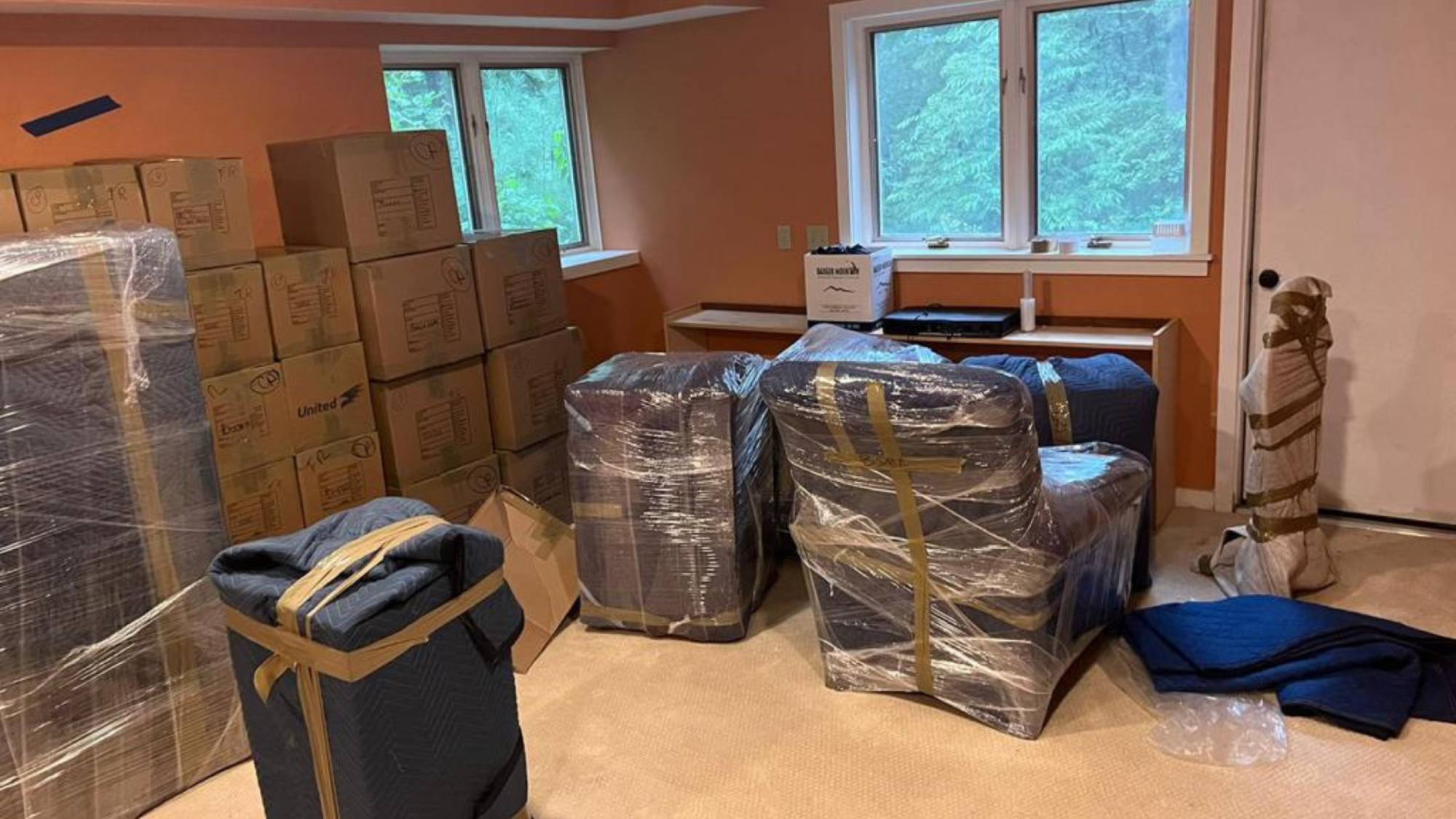
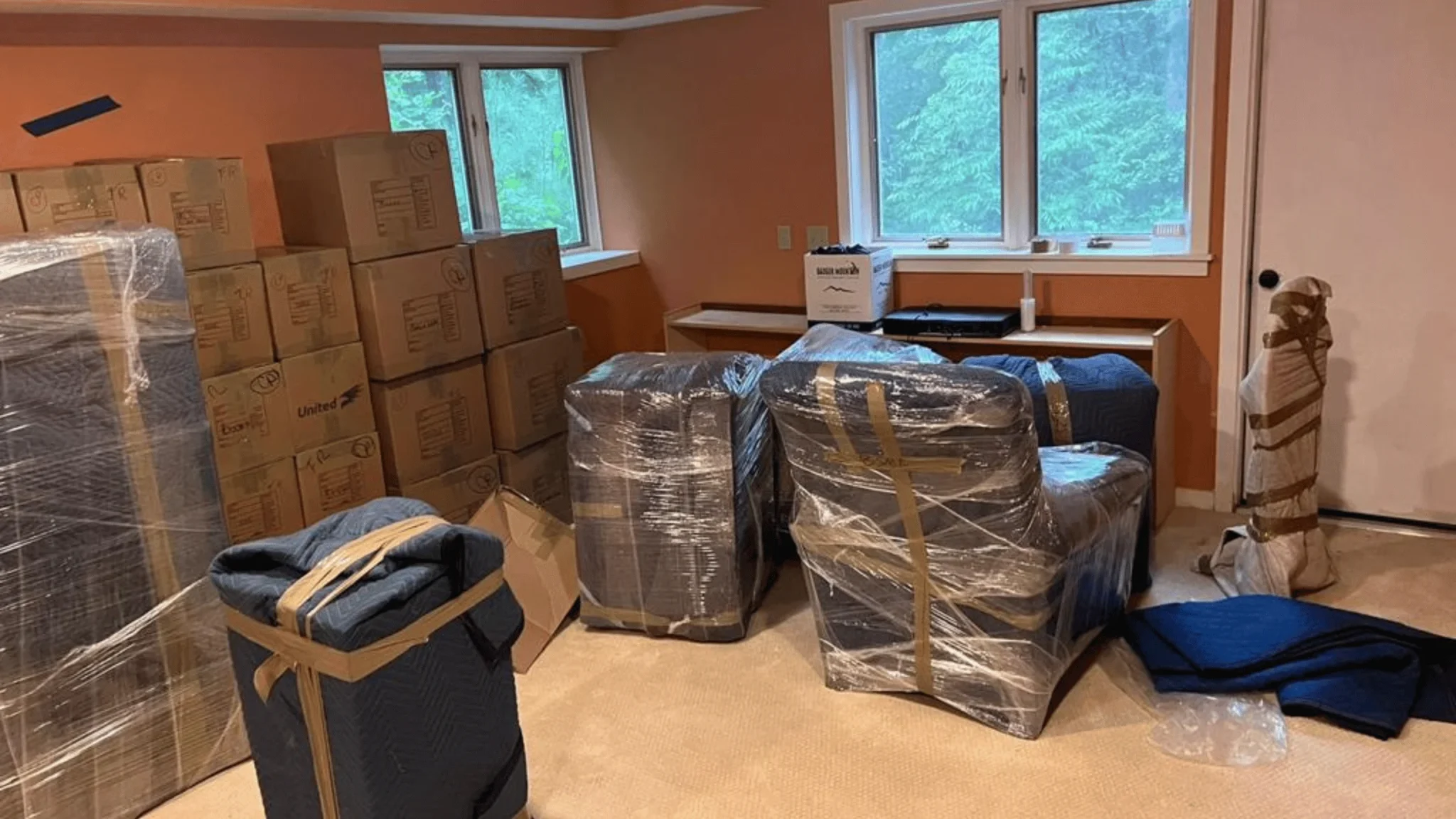
wrapped furniture for moving

4 Reasons Why Storage Services Matter in Every Home Renovation Project

1. Clearing Space for Renovation Work

Home renovations often demand clear, open areas for tools, equipment, and construction crews to operate safely. Using storage services helps homeowners remove unnecessary items and create a clutter-free space that supports efficient work.

Common Issues Caused by Cluttered Work Areas

Even well-planned renovations can be disrupted by items left in the workspace. A clean, open area allows for faster progress and reduces complications.

  • Restricted Movement for Contractors: Workers need room to carry tools, install materials, and navigate freely through the site. Cluttered rooms can slow them down and increase the chance of errors.
  • Increased Risk of Accidents: Leaving furniture and personal items in the work zone raises the chance of tripping, breakage, or injury. Short-term or long-term storage services can help avoid these costly setbacks.
  • Damage from Dust and Debris: Renovations generate a lot of mess, including dust, debris, and splatter that can ruin exposed belongings. Using self-storage units keeps valuable items protected in a secure environment.
  • Delayed Project Timelines: Clutter forces contractors to work around obstacles, often extending the time needed to complete each phase. Renting a storage unit helps maintain an efficient, uninterrupted workflow.
  • Misplaced Tools and Materials: Disorganized workspaces increase the likelihood of losing tools, hardware, or supplies. Clear areas make it easier to keep renovation essentials visible and within reach.
  • Obstructed Visibility for Planning: Clutter can make it difficult to assess the space and visualize layout changes. Off-site storage allows homeowners and designers to see the room clearly and make better decisions.

How Storage Services Keep Renovation Areas Safe and Efficient

Turning to storage facilities near me allows homeowners to move belongings out of harm’s way. This choice also helps maintain a safer, more productive environment for contractors and workers.

  • Creates More Working Space: Removing furniture and décor frees up floor space, giving professionals more room to complete tasks efficiently. Using storage facilities near you is a reliable way to clear entire rooms.
  • Improves Project Efficiency: With fewer obstacles in the workspace, renovations can proceed faster and more smoothly. This leads to fewer interruptions and quicker completion times.

2. Protecting Valuables from Damage

During a home renovation, protecting personal belongings should be a top priority. With constant movement, heavy tools, and dust in the air, it’s easy for items to get damaged or lost. Choosing the right storage services provides a smart way to safeguard furniture, electronics, and sentimental items throughout the renovation process.

Common Hazards That Can Damage Belongings

During renovations, household items can face unexpected risks if not properly stored. Here are some common hazards that can cause damage to belongings left in active work zones.

  • Dust and Debris: Renovation work often creates large amounts of dust, which can settle into fabrics, electronics, and small crevices. These particles can permanently affect surfaces and reduce the quality of delicate items.
  • Accidental Breakage: Furniture or fragile items may get bumped, scratched, or shattered during construction activity. Tools, ladders, or falling materials often increase the risk of breakage in busy work zones.
  • Moisture and Paint Exposure: Leaks, spills, or wet paint can accidentally ruin materials like wood, fabric, or paper. Paint overspray and humidity are especially harmful to antiques and electronics.
  • Unintentional Movement: Items may be moved repeatedly to make space, increasing the risk of damage from drops or improper handling. Frequent relocation often leads to dents, chipped finishes, or misplacement.
  • Heat and Temperature Fluctuations: Some renovation tools and processes generate heat, while open windows or HVAC changes can alter room temperature. These shifts can warp wood, crack materials, or damage temperature-sensitive items.
  • Pest Intrusion: Openings during renovations can allow pests like rodents or insects to enter the home. These pests may chew, nest, or stain unprotected belongings left in accessible areas.
  • Chemical Exposure: Strong cleaners, adhesives, and solvents used in renovation can emit fumes or spill unexpectedly. Such substances can discolor or degrade fabrics, plastics, and surfaces if not stored away securely.

Why Secure Storage Units Are the Best Choice

One of the most effective ways to avoid these risks is by using self-storage units. These spaces are designed to keep valuables protected in a clean, secure environment until the renovation is complete.

  • Clean and Climate-Controlled Spaces: Many storage facilities near me offer climate-controlled environments that protect against humidity, heat, and cold. This is essential for electronics and especially wood furniture, which can swell when exposed to humid air and shrink in dry conditions, leading to cracks or warping.
  • Private, Locked Units: Belongings are safely stored behind locked doors with exclusive access granted only to the renter. This type of storage service offers added peace of mind and strong privacy protection.
  • Dust-Free Environment: Items are kept away from the construction site, eliminating dust exposure completely. A controlled self-storage unit ensures fabrics and electronics stay clean and functional.


3. Storage Options That Support Every Renovation Timeline

During home renovations, creating space and protecting household items is just one part of the challenge. Storage services play an important role in helping homeowners maintain order and reduce stress as projects unfold.

Renovations often disrupt daily routines. Furniture, appliances, and personal items may need to be moved temporarily or for extended periods. Reliable storage facilities near you help bridge the gap between clearing out and moving back in, all while minimizing damage or clutter.

Short-Term Storage Services for Quick Renovations

Short-term storage is a practical option for projects that only last a few weeks or involve limited space.

  • Temporary Flexibility: Ideal for storing items during quick upgrades or small-scale renovations without a long-term commitment.
  • Lower Cost for Short Duration: Typically, more budget-friendly since billing is based on weeks or a single month.
  • No Long-Term Obligation: Perfect for homeowners who only need extra space for a brief period without extended contracts.


Long-Term Storage Solutions for Extended Projects

For projects that take more time or involve larger areas, long-term storage provides added convenience and security.

  • Cost-Efficient Over Time: Long-term storage solutions may include lower rates for longer commitments, offering better value over extended periods.
  • Best Fit for Large-Scale Projects: Accommodates the complete contents of multiple rooms or even the whole home.
  • Reliable for Delayed Timelines: Offers peace of mind in case renovations take longer than planned.

Disclaimer: However, keep in mind that services and pricing can vary between providers, so it’s best to consult reputable companies like Clancy Relocation & Logistics for accurate details and tailored recommendations.

4. Peace of Mind for Homeowners

During home renovations, the chaos of construction and rearranged furniture can lead to unnecessary stress. Homeowners often find themselves worrying about the safety of their possessions or feeling overwhelmed by clutter. 

How Storage Frees Up Mental Space

A clean and decluttered environment can reduce decision fatigue and improve day-to-day efficiency during renovations.

  • Improved Safety: Fewer items in the home mean fewer obstacles that can lead to slips, trips, or damage. Short-term storage services help create a safer space for everyone involved.
  • Simplified Planning: With belongings in off-site storage, it becomes easier to visualize and adapt to design changes. Having access to nearby storage facilities also allows for quick retrieval if plans shift.
  • Less Overwhelm: Clearing out non-essential items removes visual clutter, which helps lower stress and allows for better focus on renovation tasks. A quieter, more organized space supports clearer decision-making.
  • Reduced Daily Disruption: Keeping living areas free from piles of furniture and boxes makes it easier to maintain daily routines during renovation. This mental consistency contributes to a calmer experience overall.
  • Focused Communication: Without distractions from clutter, it’s easier to hold productive conversations with contractors and make informed choices. Storage services help maintain a cleaner setting for walkthroughs and planning.

Consequences of Mental Overload During Renovation

When a renovation space is filled with excess furniture, supplies, and household items, it can lead to a constant sense of mental fatigue. This state of overwhelm doesn’t just affect decision-making—it impacts the entire renovation experience. Relying on storage services to create a clean, organized environment can make a significant difference in both mindset and results.

  • Poor Decision-Making: A disorganized environment can lead to rushed or unclear choices about design, layout, or budgeting. Removing visual distractions through short-term storage services supports more thoughtful planning.
  • Increased Stress Levels: Constant exposure to mess and disorder can heighten anxiety and frustration. Using self-storage units to offload excess items helps create a more peaceful atmosphere.
  • Difficulty Managing Tasks: Too many physical items in the way can result in missed steps, forgotten materials, or overlapping responsibilities. A clear space improves workflow and keeps daily progress on track.
  • Disruption to Daily Life: Cluttered spaces can interfere with routines like cooking, sleeping, or working from home. Off-site storage facilities near you help preserve daily habits while renovations are underway.
  • Lower-Quality Results: A chaotic environment can lead to rushed work or skipped steps, ultimately impacting the finished look and function of the space. Organized surroundings allow everyone involved to focus on quality and detail.

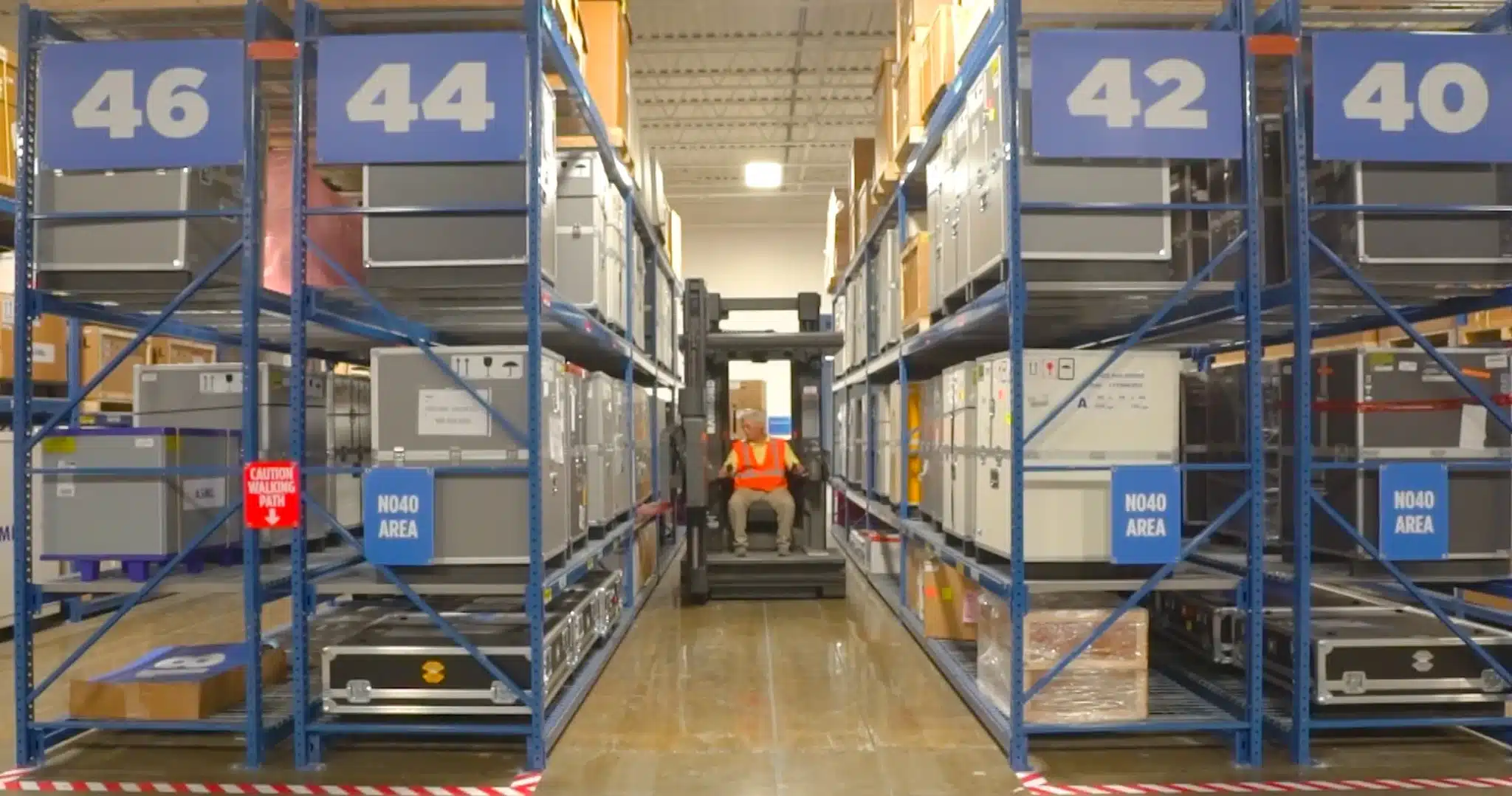
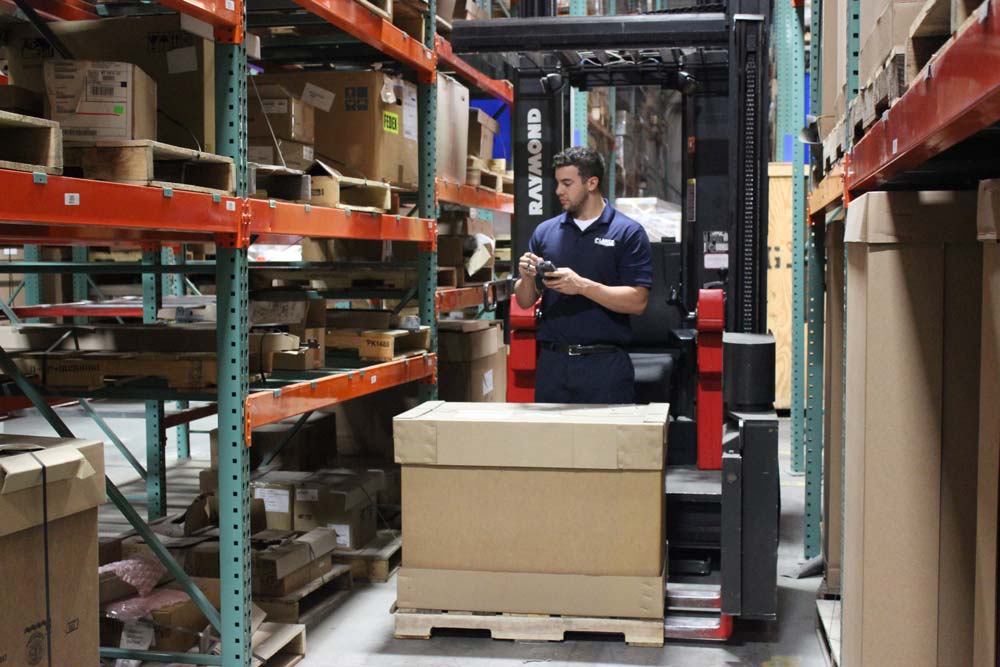
warehouse operator

7 Factors to Consider Before Renting a Storage Unit

Choosing the right storage solution can make a major difference in how smooth and efficient a home renovation feels. With furniture, appliances, and personal items needing protection or temporary relocation, it’s important to plan ahead and select a storage option that fits both the project scope and personal needs. 

Before renting a unit, here are several important factors to take into account:.

1. Unit Size and Storage Needs

Understanding how much space is needed helps avoid both overcrowding and overpaying. A small room renovation might only require a compact storage unit, while a full-home remodel could need something larger, like a 10×20 or 10×30. Instead of estimating on your own, it’s best to consult with professional movers for an accurate assessment.

Clancy Relocation & Logistics offers climate-controlled storage using secure 6x6x7 wooden vaults. Before anything is moved, a full inventory of household goods is completed. Items are then transported, offloaded at the warehouse, containerized, and kept insured until final delivery.

Keep in mind that storage services generally involve two separate moves—into storage and out—so it is important to account for this in your budgeting.

2. Rental Duration and Flexibility

Home renovation timelines can be unpredictable, so it’s wise to choose between short-term storage services and long-term storage solutions depending on the project scope. Look for flexible rental terms that allow for extensions or early move-outs in case the renovation finishes sooner or takes longer than expected.

3. Location and Accessibility

Finding storage facilities near you ensures that items can be retrieved quickly if needed during the renovation. Easy access is especially important for homeowners who may need to rotate items in and out or access tools, equipment, or seasonal décor during the process.

4. Security Features

The safety of stored items is a top priority, especially for high-value or sentimental belongings. Choose a facility that offers secure self-storage units with gated access, surveillance cameras, and individual locks. Security features help prevent damage or theft while items are stored off-site.

5. Climate Control and Item Sensitivity

Certain materials—like wood, fabric, electronics, and photographs—can be damaged by moisture or extreme temperatures. If storing sensitive items, look for storage units with climate control to keep temperature and humidity levels consistent.

6. Cost and Budget Planning

Compare pricing across local providers and understand what’s included in the rate. Some storage services may offer promotional rates for the first month, while others may charge extra for climate control or valuation coverage. Knowing the total cost upfront helps prevent surprises later in the renovation.

7. Provider Reputation

Not all storage providers offer the same level of service or reliability. It’s smart to research reviews and consult with trusted companies like Clancy Relocation & Logistics to ensure clear terms, responsive support, and high-quality facility standards. Reputable providers can also help guide the selection process based on specific renovation needs.

Frequently Asked Questions

How big is a 10×10 storage unit?

A 10×10 storage unit is 100 square feet, roughly the size of a standard bedroom. It can typically hold the contents of a one-bedroom apartment, including furniture, boxes, and appliances. This size is popular for temporary storage during small home renovations. It offers enough space for several large items without being oversized for limited needs.

Is it worth putting stuff in storage?

Yes, storage can be a practical solution during moves, renovations, or downsizing. It helps protect belongings from damage, loss, or clutter in the home. With flexible options like short-term storage services, it suits both temporary and extended needs. Many find peace of mind knowing their items are secure and easily accessible.

What are the benefits of storage as a service?

Storage as a service offers convenience, flexibility, and added protection for personal or business items. It reduces the hassle of managing extra belongings during transitions like moving or renovating. Providers often include features like climate control, security, and transportation support. This makes it ideal for short-term or long-term storage solutions.

How big of a storage unit do I need for a 4 bedroom house?

A 10×30 storage unit is usually the best fit for a 4-bedroom home, offering around 300 square feet of floor space. With an average height of 8 feet, it provides roughly 2,400 cubic feet—comparable to the volume of a one-car garage.

What is the alternative to storage units?

One of the most popular alternatives to traditional storage units is rent-to-own sheds. They offer a cost-effective and secure way to store items at home, with the added benefit of long-term use and customizable organization.

Make Renovation Projects Smoother With Expert Storage Support!

Home renovations come with a lot of moving parts, and having a dependable storage solution helps keep everything organized and stress-free. Clancy Relocation & Logistics offers reliable storage services designed to protect furniture, appliances, and personal items throughout the renovation process. 

With secure self-storage units and conveniently located storage facilities nearby, homeowners gain the peace of mind needed to focus on what truly matters—finishing the renovation efficiently and safely.

Contact Clancy Relocation & Logistics today to find the right storage plan for any renovation timeline!


Table of Contents

Key Takeaways

Complete Out-of-State Residential Moving Checklist

8–12 Weeks Before the Move

6–8 Weeks Before the Move

4 Weeks Before the Move

2 Weeks Before the Move

Moving Week

Moving Day

After the Move

5 Expert Tips from Out-of-State Moving Companies

  1. Communicate Clearly with Your Movers
  2. Research and Verify Movers
  3. Create a Detailed Moving Budget
  4. Label and Inventory Everything
  5. Understand Valuation Options

Frequently Asked Questions

Make Your Out-of-State Residential Move Stress-Free with Professional Support!

Key Takeaways

Start planning your residential move 8 to 12 weeks in advance. Breaking the process into manageable phases helps reduce last-minute stress and ensures everything stays on schedule.

Choose a licensed and insured interstate moving company. Confirm key details such as your move date, access requirements like elevator or parking arrangements, and payment terms at least two weeks ahead of time.

Begin decluttering early to lighten your load and cut costs. Pack gradually, starting with non-essentials. Clearly label each box and keep a master inventory list to simplify unpacking and stay organized.

Prepare a moving day essential kit with toiletries, chargers, important documents, medications, and other must-haves. Complete address changes, transfer utilities, and update documentation well in advance to avoid delays and confusion during the move.

Moving to a new state is a major life change that comes with a long list of tasks and decisions. From organizing belongings to arranging transportation and updating legal documents, the process can feel overwhelming without proper planning. 

In fact, in a survey of 1,000 Americans who had recently moved, 45% said it was the most stressful event in their life—ranking even higher than other major transitions. That’s why guidance from trusted out of state moving companies can make a meaningful difference.

Here are expert-backed tips and a complete checklist to help make the residential move more manageable.
Residential Moving Checklist

Complete Out-of-State Residential Moving Checklist

Preparing for an out-of-state move can feel overwhelming, especially for those who haven’t done it before. Dependable out of state moving companies often suggest breaking the process into phases. 

Here’s a practical and easy-to-follow timeline to help guide homeowners through the weeks leading up to a long-distance move.

8–12 Weeks Before the Move

This is the foundation phase of the moving process. Major decisions and research start here, and early planning sets the tone for a smooth transition. Most out of state moving companies agree that getting a head start during this period helps avoid last-minute stress.

☑ Start Researching and Booking a Moving Company

Begin comparing long distance movers and checking their reputation. Look for licensed, insured companies with strong reviews, and verify their credentials on trusted websites. Request estimates from at least three interstate moving companies, compare services and pricing, then secure your booking—reliable cross country movers often fill their schedules early.

☑ Get Organized With Moving Details

Keeping everything in one place helps maintain clarity throughout the process. Create a moving binder or digital folder for contracts, checklists, and receipts. Start building a budget that includes all moving-related costs, and notify employers now if time off from work will be needed.

6–8 Weeks Before the Move

With the move approaching, this is the time to shift from planning to action. Packing begins, and organizing the home becomes a priority. Out of state moving companies suggest starting early to stay ahead and avoid feeling rushed later on.

☑ Begin Sorting and Downsizing

Decluttering will make packing easier and cut down on moving costs. Go through each room and sort items into keep, donate, sell, or toss piles, focusing on things that are bulky or rarely used. Consider hosting a garage sale, listing items online, or donating usable goods—many charities even offer pickup services.

To make packing and crating more efficient, consider contacting local movers like Clancy Relocation & Logistics. Experienced moving companies often have established systems that guide you on what to pack, how to protect items properly, and what to leave out—saving you time, reducing damage risk, and ensuring a smoother out-of-state move.

☑ Start Packing Non-Essential Items

Begin packing in phases to make the process less overwhelming. Gather packing materials like sturdy boxes, tape, bubble wrap, and markers to get started. Pack up seasonal or rarely used items first, and label each box clearly with the room and its contents for a smoother unpacking process later.

Be sure to check what not to pack—items like flammables, perishables, and valuables can cause delays or damage and are often restricted.

4 Weeks Before the Move

With one month to go, this is the time to take care of essential tasks that help avoid last-minute stress. From updating records to confirming services, these steps make sure everything is in order before the residential move. Long distance movers often highlight this period as key to preventing delays or disruptions.

☑ Handle Address Changes and Notifications

Start by updating your home address with the most important institutions. Submit a change of address form with USPS to ensure mail is forwarded properly. Notify banks, credit card companies, streaming platforms, and schools or employers so your records stay current.

☑ Arrange Utilities and Travel Plans

Don’t leave utility and travel arrangements until the last week. Schedule shut-off dates for electricity, gas, water, internet, and trash services at your current home. Set up utilities for the new place in advance, and finalize travel plans, including flights or driving routes, especially if kids or pets are involved.

2 Weeks Before the Move

With moving day quickly approaching, most packing should be underway. Now is the time to double-check plans, handle important details, and make sure everything is lined up for a smooth transition. Out of state moving companies often say these final two weeks are where preparation pays off most.

☑ Finalize All Moving Plans

Review the full moving plan and confirm every major detail. Double-check the schedule, contact information, and payment terms with long distance movers to avoid confusion on the big day. Notify neighbors or building management about move-out logistics like elevator use or truck parking if needed.

☑ Pack Essential and Everyday Items

Start setting aside the items needed for the days leading up to and immediately after the move. Pack an essentials box with toiletries, chargers, snacks, and basic tools that stay accessible. Also prepare personal bags for each family member and secure important documents like passports, leases, and valuation info.

☑ Service the Vehicle Before a Long Drive

If driving to the new home, make sure the car is ready for the trip. Cross country movers often recommend a full check-up, including oil, tires, and brakes. Stock the car with water, snacks, maps, and emergency items, and plan the route with both GPS and printed directions just in case.

Moving Week

It’s time to wrap up loose ends, make final confirmations, and prepare the home for a smooth transition. Out of state moving companies emphasize that careful attention this week can prevent costly mistakes or delays.

☑ Confirm and Recheck Everything

Go through all moving details and make sure nothing important is overlooked. Coordinate with local moving companies like Clancy Relocation & Logistics to confirm arrival times, crew size, and payment method. Set aside deposits or tips in labeled envelopes, and double-check that keys, garage codes, or gate access info for the new place are ready to go.

☑ Pack a Moving-Day Bag

Prepare a small bag with all the must-haves for moving day and the first night. Include your wallet, phone, chargers, snacks, toiletries, and a change of clothes. Add basic tools and cleaners, and pack separate essentials for kids and pets to keep them comfortable during the move.

☑ Tidy Up the Home

Give the old home a quick clean once everything is packed. Vacuum, wipe down surfaces, and empty the fridge and cabinets. Safely dispose of any hazardous items and take out the trash and recycling before locking up.

Moving Day

The big day has arrived, and staying organized makes all the difference. Out of state moving companies stress the importance of being prepared and involved from start to finish. These final steps ensure everything goes smoothly and nothing important is overlooked.

☑ Stay Present and Involved

Being available during the move helps with quick decision-making and keeps things on track. Supervising the movers allows you to flag fragile or high-priority items and answer any questions as they come up. Cross country movers often say a hands-on approach reduces mistakes and keeps the process efficient. Take time to photograph valuable items before they’re loaded, and be sure to carry essentials—like medications, documents, or electronics—with you, not on the truck.

☑ Do a Final Walkthrough

Before leaving, walk through the entire home to make sure nothing is left behind. Check closets, cabinets, and hidden spaces to catch any forgotten items. Interstate moving companies also recommend shutting off lights and appliances, and locking all doors and windows to leave the property clean, safe, and ready for the next person.

After the Move

Once the boxes are unloaded, it’s time to settle in. Many cross country movers remind clients that unpacking and setting up can take a few days—there’s no need to rush.

☑ Start With the Basics

Focus on unpacking everyday essentials like kitchenware, toiletries, and bedding to make the space livable right away. Set up major furniture and appliances first before moving on to smaller items. Breaking down boxes as you go helps keep the new home clean and manageable.

☑ Handle Legal and Local Updates

Visit the local DMV to update your driver’s license and vehicle registration according to state guidelines. It’s also a good time to register to vote, transfer prescriptions, and set up local banking or medical services. Interstate moving companies often advise taking care of these tasks early to avoid delays or complications.

☑ Get to Know the New Area

Take some time to explore nearby stores, parks, and essential services to get familiar with the surroundings. Introduce yourself to neighbors or join local groups to begin building community connections. Establishing a simple daily routine helps the new place feel like home faster.

Expert Tips from Out-of-State Moving Companies

5 Expert Tips from Out-of-State Moving Companies

Moving to another state can feel overwhelming at first, but with the right approach, your residential relocation becomes much easier to manage. Out of state moving companies often provide valuable tips that simplify the process—helping homeowners plan effectively, stay within budget, and stay organized throughout a long-distance move.

1. Communicate Clearly with Your Movers

Clear communication is one of the most underrated but essential aspects of a successful long-distance move. Out of state moving companies often emphasize that strong, proactive communication helps avoid delays, misunderstandings, and last-minute complications.

  • Provide Accurate Information Upfront: Make sure your movers have a complete understanding of what to expect—this includes the number of rooms, any large or fragile items, whether stairs or elevators are involved, and specific access requirements at both the origin and destination. This allows the moving company to plan crew size, equipment, and timing accordingly.
  • Discuss Special Requests or Concerns Early: If you have unique items (pianos, antiques, artwork), pets, or a tight timeline, raise these concerns as early as possible. Movers can provide tailored solutions if they know in advance.
  • Stay Accessible on Moving Day: Be reachable and responsive during packing, loading, and delivery. Being present or assigning a point person can help resolve any questions and keep things moving efficiently. Some clients also find it helpful to do a quick pre-move walkthrough or video call with their mover to align expectations and ensure nothing is overlooked.

2. Research and Verify Movers

Not all moving companies offer the same level of service. It’s important to take time researching to find credible out of state moving companies that are experienced and properly licensed.

  • Check Licensing: Make sure the company has a U.S. DOT number and is registered for interstate moves.
  • Verify Valuation Coverage: Confirm they offer basic liability and ask about full-value protection for valuable items.
  • Read Customer Reviews: Look at reviews across multiple platforms to learn about other customers’ experiences.

3. Create a Detailed Moving Budget

Relocating to a different state comes with a variety of expenses, some obvious and others easy to overlook. Creating a clear budget helps manage costs and avoid surprises later on.

  • Professional Moving Services: Include the quote from the selected out of state moving company, plus any extra services like packing or storage.
  • Packing Supplies: Boxes, tape, bubble wrap, labels, and markers can add up quickly.
  • Travel Expenses: Think about fuel, flights, hotel stays, meals, and pet transport if needed.
  • Utility Transfers and Deposits: Costs for canceling, transferring, or starting services at the new address
  • Emergency Fund: Set aside a small amount for unplanned expenses during the move.


4. Label and Inventory Everything

Keeping track of what’s packed and where it’s going can save a lot of frustration after the move. A clear labeling system and a simple inventory make unpacking easier and help identify any missing or damaged items.

  • Use Room-Based Labels: Label boxes with the name of the room they belong in, such as “Kitchen” or “Bedroom 2,” to make unloading simpler.
  • List Contents on Each Box: Write a brief list of items inside the box so nothing gets lost or forgotten.
  • Color Code or Number Boxes: Use colored tape or numbered labels to match each box with a moving checklist or inventory sheet. Research shows that colored objects are more easily noticed, remembered, and understood, which makes this method highly effective for organizing and tracking your belongings.
  • Keep a Master Inventory List: Create a written or digital list of all packed boxes and major items. Include notes about which long distance movers are handling what, if needed.

5. Understand Valuation Options

Accidents are rare, but they can happen during a move. Knowing the valuation options offered by long distance movers helps protect valuable items and brings peace of mind. However, coverage varies by company, so it’s best to check with trusted names like Clancy Relocation & Logistics for clear, accurate details.

  • Basic Liability Coverage: Usually included at no extra cost but only covers a limited amount per pound per item.
  • Full Value Protection: Offers more comprehensive coverage by repairing, replacing, or reimbursing damaged or lost items.
  • Third-Party Valuation: Optional valuation through another provider, often used for high-value or fragile items.
  • Special Coverage for Specific Items: Items like antiques, artwork, or electronics may need additional valuation or handling plans.

Frequently Asked Questions

How much will it cost to move out of state?

Relocating to another state typically costs between $2,000 and $8,000, depending on the distance, amount of belongings, and services selected. Costs vary based on whether packing, loading, and transport are included. Key factors include the size of the move, travel distance, and the pricing structure of the movers. However, rates differ between companies, so it’s best to check with reputable providers like Clancy Relocation & Logistics for accurate estimates and service details.

How to start the process of moving out of state?

Start by creating a moving timeline and budget at least 8 to 12 weeks in advance. Research licensed interstate moving companies and get multiple quotes. Secure your preferred mover early, especially during peak seasons. Then begin decluttering, organizing, and gathering packing supplies to stay ahead.

What is a good budget for moving out of state?

A reasonable budget should cover all basic moving costs and any add-on services. Most moves fall between $1,400 and $8,000, depending on distance, home size, and whether full-service options are used. Include extra funds for travel, temporary housing, and deposits. Planning helps avoid surprise expenses.

How to move stuff from one state to another?

The most efficient way is by hiring licensed out of state or cross country movers. They handle packing, loading, transport, and delivery to your new home. For smaller moves, rental trucks or portable storage containers may be an option. Choose the method that fits your timeline, budget, and inventory.

What should I do when I move to another state?

Update your address with USPS, banks, and subscriptions. Transfer or set up new utility services, and get a new driver’s license and vehicle registration. Register to vote in your new state and locate local healthcare providers. Start building a daily routine to settle in smoothly.

Make Your Out-of-State Residential Move Stress-Free with Professional Support!

Relocating your home to another state can feel overwhelming, but the right support makes all the difference. Clancy Relocation & Logistics specializes in residential out-of-state moves, offering trusted services including packing, transport, coordination, and delivery—all backed by decades of experience as a leader in interstate and long-distance moving.

With licensed crews, transparent communication, and customizable residential solutions, we handle every step of your move with care, efficiency, and a focus on your unique needs as a homeowner.

Get a personalized quote today and take the first step toward a seamless, stress-free relocation to your new home!
Table of Contents

Key Takeaways

10 Essential Questions About Secure Storage Units

  1. What Type of Access Control Systems Are in Place?
  2. How Is the Facility Monitored?
  3. Are the Units Climate-Controlled?
  4. What Measures Protect Against Fire or Water Damage?
  5. How Often Is the Facility Maintained?
  6. What Happens in Case of a Power Outage?
  7. Are There Any Limits on What Can Be Stored?
  8. Is Valuation Available or Required?
  9. How Is Tenant Identity Verified?
  10. What Protocols Are in Place for Emergencies?

Frequently Asked Questions

Secure Peace of Mind With Trusted Storage Support!

Key Takeaways

Ask how access is managed to ensure only approved individuals can enter secure storage areas.

Learn how the facility is monitored to confirm it’s under constant surveillance for added protection.

Check how climate control is handled to keep sensitive items safe from temperature and humidity damage.

Understand how the facility is protected against fire and water threats to reduce the risk of loss.

Ask how often the property is maintained to ensure it stays clean, functional, and secure.

Find out how the facility operates during power outages to maintain safety and security systems.

Clarify how storage restrictions are enforced to avoid storing hazardous or unapproved items.

Confirm how valuation works and whether it’s a required part of the rental agreement.

Ask how tenant identity is verified to ensure access is granted only to legitimate users.

Learn how the facility prepares for emergencies to keep items secure in unexpected situations.

When it comes to storing valuable belongings, not all storage options offer the same level of protection. While many people focus on price or location, there are often overlooked details that make a significant difference in keeping items safe and intact. From security measures to emergency protocols, knowing what to ask can help in choosing the right facility with confidence.

Here are 10 important questions to consider when looking into secure storage units.

10 Essential Questions About Secure Storage Units

Storage Units

1. What Type of Access Control Systems Are in Place?

Choosing secure storage units means prioritizing the way a facility restricts and tracks who can enter the premises. One of the most important aspects of high-security storage facilities is how effectively they can keep unauthorized individuals out while making it easy for verified users to access their belongings.

Examples of Access Control

Some reliable secure self-storage solutions use multi-tiered access systems that are designed to create strong barriers and controlled movement throughout the property. However, access control levels vary per provider. To clarify storage access options and availability, it’s best to contact trusted companies like Clancy Relocation & Logistics. 

In general, these may include:

  • Electronic Gate Entry Systems: These systems allow only approved renters and staff to access the premises using encrypted access cards, mobile credentials, or digital keypads. Every access is logged, creating a traceable record of who entered and when.
  • Individual Unit Security: Beyond general property access, each storage unit has its own security system, typically involving heavy-duty padlocks or cylinder locks, which add an additional level of protection for stored belongings.
  • Access Logs and Time Restrictions: Some facilities restrict access to specific hours and use digital logging to monitor entry activity. This helps identify any unusual patterns and adds an additional layer of accountability.
  • Remote Access Capabilities: Certain secure storage solutions offer remote access control for management teams, allowing them to lock or unlock areas instantly in case of emergencies or suspicious activity.

2. How Is the Facility Monitored?

Security doesn’t stop at the gate. The way a storage facility is monitored daily has a huge impact on how well it can protect renters’ items. Facilities that promote themselves as the best secure storage nearby typically invest heavily in continuous, visible surveillance systems to prevent theft, damage, or suspicious behavior.

Key Monitoring Features

Surveillance technology and smart monitoring systems are at the heart of most high-security storage facilities, working 24/7 to safeguard everything on-site. Not all companies are capable of offering these features, so contacting providers like Clancy Relocation & Logistics can help clarify what’s available. 

Key monitoring features include but are not limited to: 

  • 24/7 Video Surveillance: Some of the best secure storage near me like Clancy Relocation & Logistics offer high-definition cameras positioned throughout the facility to provide constant coverage of key areas including entrances, exits, hallways, and storage unit rows. This constant monitoring helps deter criminal behavior and serves as a useful resource for resolving disputes.
  • Motion-Sensing Cameras: These cameras detect movement in specific areas and trigger immediate recording or alerts. They help capture activity that may not be seen in regular surveillance and can be set to monitor off-hours for added protection.
  • Centralized Monitoring Stations: Footage from all cameras is streamed to a central monitoring location where staff or digital systems keep watch in real-time. This allows for a quick response if anything unusual happens.
  • System Backups and Redundancy: The best secure storage has backup power sources and offsite data storage to ensure that video footage is not lost during power outages or system failures. This ensures continuity and accountability in any situation.

3. Are the Units Climate-Controlled?

Many people storing items in secure storage units forget to consider the impact of temperature and humidity. However, this can make a major difference when it comes to protecting certain belongings from long-term damage.

Why Climate Control Matters

Climate-controlled units help maintain a stable internal environment, which can prevent deterioration, especially in regions with seasonal temperature swings or high humidity. This feature is a core part of any high-security storage facility such as Clancy Relocation & Logistics that prioritizes item preservation.

  • Protection Against Extreme Temperatures: Items such as wooden furniture, vinyl records, and electronics can warp, crack, or malfunction when exposed to fluctuating temperatures. A climate-controlled unit keeps temperatures consistent year-round.
  • Humidity Regulation: Excess moisture in the air can lead to mold, mildew, and corrosion. Climate control keeps humidity levels in check, especially beneficial for paper items, artwork, and fabrics.
  • Preservation of Sensitive Materials: Photographs, antiques, musical instruments, and wine collections all require stable environments. Climate-controlled storage supports the long-term preservation of such delicate possessions.

4. What Measures Protect Against Fire or Water Damage?

While many assume storage units are automatically safe from natural disasters, that’s not always the case. Asking what protections are in place against fire or water damage helps ensure the chosen unit meets a true safe and secure self-storage standard.

Built-In Safety Features

Reliable secure storage units incorporate multiple layers of infrastructure to safeguard items from both accidental and environmental hazards.

  • Fire Suppression Systems: Top-tier secure self-storage solutions include modern fire prevention features such as smoke detectors and sprinkler systems. These systems respond quickly, helping to stop fires before they spread.
  • Water-Resistant Construction: Facilities that are thoughtfully designed may use materials that resist flooding or leakage. Raised flooring, sealed walls, and sloped drainage help protect against rainwater or plumbing issues.
  • Early Warning Systems: Alarms connected to fire and flood detection systems can notify management immediately, allowing for a quicker response.
  • Proactive Facility Design: Storage areas are often divided into zones to limit damage in case of an incident, providing peace of mind to customers using high-security storage facilities.

5. How Often Is the Facility Maintained?


mover

Routine maintenance is a crucial part of what makes secure storage units truly dependable. Cleanliness, operational checks, and general upkeep all play a role in keeping stored items safe and in top condition. When facilities prioritize upkeep, it reduces risks and strengthens the reliability of their storage solutions.

Why Maintenance Matters for Security and Safety

Without consistent maintenance, even the most high-tech secure storage units can develop vulnerabilities. From structural integrity to pest prevention, a well-maintained site supports both security and customer satisfaction.

  • Routine Inspections: Staff regularly walk through the facility to identify and resolve any issues, such as broken locks, damaged doors, or lighting outages.
  • Pest Control Measures: Scheduled treatments are used to prevent infestations that could damage stored items.
  • Cleanliness Protocols: Units, hallways, and access areas are cleaned regularly to avoid clutter or hazards that could interfere with safety.
  • Structural Repairs: Any wear and tear, including wall cracks or leaking roofs, is addressed promptly to maintain the durability of the storage spaces.

6. What Happens in Case of a Power Outage?

Power outages can compromise more than just lighting—they may impact surveillance systems and climate control. That’s why high-security storage facilities plan for these situations well in advance.

Backup Systems Ensure Continuous Protection

Reliable secure self-storage solutions include systems that keep operations running, even when the main power supply fails. These features help ensure belongings are protected at all times.

  • Emergency Lighting: Battery-powered lights in hallways and entry points help maintain visibility during outages.
  • Security System Backups: Surveillance cameras and access control systems often have uninterruptible power supplies (UPS) or generators to stay active.
  • Climate Control Continuity: For facilities with temperature-sensitive units, backup power maintains the internal climate, protecting valuables like documents, electronics, or antiques.
  • Rapid Response Protocols: Staff are trained to respond quickly, ensuring the building remains locked down and monitored throughout the outage.

7. Are There Any Limits on What Can Be Stored?

Safe and secure self-storage units are designed to protect belongings, but not everything is allowed inside. Understanding what can and cannot be stored helps maintain the integrity and safety of the facility and other tenants.

Common Storage Restrictions

Most high-security storage facilities have clear guidelines in place to prevent hazards and ensure compliance with safety standards.

  • Hazardous Materials: Items like gasoline, propane, fireworks, and paint thinners are typically prohibited due to fire or explosion risk.
  • Perishable Goods: Food, plants, and anything that can spoil are not allowed as they attract pests and cause odor issues.
  • Weapons and Ammunition: Many storage solutions do not allow firearms, ammunition, or explosives unless specific policies permit them.
  • Illegal Items: Any items that are illegal to own or transport are strictly banned and may result in law enforcement notification.

8. Is Valuation Available or Required?

Valuation is a key part of keeping stored items protected, even in facilities known for high standards. While unexpected events are rare, they can still happen—making coverage an important extra layer of protection. 

Understanding Storage Valuation Options

Storage solutions often give renters the option to insure their belongings, and in many cases, valuation may be a required part of the rental agreement. 

However, take note that policies and requirements can vary depending on the provider. It’s recommended to search for the best secure storage near me like Clancy Relocation & Logistics for accurate information and up-to-date pricing on coverage options.

  • Facility-Offered Valuation Plans: Many high-security storage facilities provide in-house valuation options that cover losses from theft, fire, or natural disasters. These are typically affordable and easy to set up during the rental process.
  • Homeowners or Renters Valuation Extensions: Some valuation policies extend coverage to off-site storage units. Renters should check with their provider to see if this applies to them.
  • Mandatory Valuation Requirement: Some facilities require proof of valuation before a rental agreement can begin. If a renter doesn’t have their own, the facility usually offers a basic plan to meet this requirement.
  • Coverage Limits and Exclusions: Valuation policies often have limits on claim amounts and exclusions for certain high-value or restricted items. It’s important to review the fine print.

9. How Is Tenant Identity Verified?

Security begins with controlled access—knowing exactly who enters and exits a facility is essential. A core function of high-security storage facilities is restricting entry to verified individuals only. 

Confirming tenant identities not only safeguards personal belongings but also strengthens the overall safety of the self-storage environment. In fact, research from 2021 revealed that passports were the most frequently forged form of identification, accounting for 39% of all detected fake documents—highlighting the critical need for thorough ID verification protocols.

Verification Methods That Build Trust

Reputable providers of secure storage units like Clancy Relocation & Logistics put clear processes in place to confirm tenant identity. These procedures not only prevent unauthorized access but also enhance overall accountability. As policies may vary, it’s best to ask the provider directly about their specific verification process to ensure all requirements are clearly understood and prepared for.

  • Government-Issued ID Checks: All tenants are required to provide a valid driver’s license, passport, or other recognized government identification at the time of signing the rental agreement.
  • Rental Agreement Signature Verification: Tenants sign a legally binding rental agreement that matches the identification presented. This step ensures legal clarity and tenant accountability.
  • Contact Information Confirmation: Facilities confirm personal details such as phone number, email, and emergency contacts. This allows for swift communication if any security issue arises.
  • Access Credential Issuance: After verification, tenants are issued unique entry credentials—such as key cards or unit-specific locks—limiting entry to authorized individuals only.

10. What Protocols Are in Place for Emergencies?

Emergencies can happen without warning, and the best secure storage nearby is expected to have comprehensive plans to deal with unexpected situations. Whether it’s natural disasters or on-site incidents, preparation is a sign of a truly secure storage unit facility. These protocols vary, so it’s recommended to communicate with trusted providers like Clancy Relocation & Logistics for confirmation. 

Emergency Preparedness at High-Security Storage Facilities

Having clearly defined safety protocols ensures that tenants’ items remain protected—even in worst-case scenarios. Here are some of the most important safety features to look for:

  • Emergency Response Coordination: High-quality facilities offering safe and secure self-storage coordinate with local emergency services. Staff are trained to follow response protocols and guide tenants if necessary.
  • On-Site Emergency Supplies: Many secure storage facilities keep emergency kits on-site, including flashlights, first-aid kits, fire extinguishers, and basic tools. These supplies support staff and emergency personnel during critical situations.
  • Tenant Communication Systems: Reliable storage providers use automated alert systems—like email, text, or app notifications—to keep tenants informed during emergencies. Clear communication ensures customers know the status of their units and any actions they may need to take.


Frequently Asked Questions

What should I look for during a facility tour?

During a facility tour, inspect the gates, fences, camera placement, lighting, and the condition of locks and doors. Ask about access hours, surveillance monitoring, and emergency procedures. Look for visible signs of maintenance and attentive staff presence. This firsthand evaluation helps ensure you’re selecting a truly secure storage unit.

What items are best stored in secure storage units?

Secure storage units are ideal for storing valuable items such as antiques, electronics, legal documents, jewelry, and business inventory. They’re also suitable for personal belongings during a move or renovation. High-value or sentimental items benefit from the additional protection provided by secure facilities. For fragile or temperature-sensitive items, choose a unit with climate control as well.

How do I choose a secure storage unit?

When choosing a secure storage unit, look for facilities with strong security measures like gated access, surveillance cameras, and on-site staff. It’s wise to read online reviews and check for theft reports or incidents at the location. Visit the site in person to assess the overall cleanliness and functionality of their security systems. The more transparency and security protocols a facility offers, the better protected your belongings will be.

Can businesses use secure storage units?

Yes, businesses frequently use secure storage units to store inventory, equipment, files, and excess supplies. These units offer a safe and organized space to manage assets without needing extra office space. Some facilities even provide units with electrical access and climate control for business needs. Always check the lease terms to ensure commercial use is allowed.

What should I avoid storing in a secure storage unit?

Even in secure units, you should avoid storing perishable goods, flammable materials, weapons, or illegal substances. These items can pose risks to your belongings and others in the facility. Most contracts explicitly prohibit such contents for safety and legal reasons. Always review the terms of service before storing anything potentially hazardous or restricted.

Secure Peace of Mind With Trusted Storage Support!

Choosing the right storage solution means more than just finding space—it’s about ensuring that every item is protected, accessible, and professionally handled. Clancy Relocation & Logistics provides access to secure storage units through high-security facilities designed for safety, reliability, and convenience. Our secure storage solutions are ideal for both any transitions and storage needs.

Connect with Clancy Relocation & Logistics today to explore the best secure storage options available!

Table of Contents

Key Takeaways

8 Essential Tips for First-Time Storage Unit Renters

  1. Evaluate Storage Unit Size
  2. Compare Facility Features and Environment
  3. Consider Location and Access
  4. Ask About Valuation and Payment Flexibility
  5. Research and Compare Providers
  6. Select the Right Facility and Reserve a Unit
  7. Pack and Prepare Belongings for Storage
  8. Move-In With Care and Maintain the Unit

Pros and Cons of Renting A Storage Unit for Long-Term Storage

Frequently Asked Questions

Secure the Right Storage Solution With Clancy Relocation & Logistics!

Key Takeaways

Choose a unit size that fits current needs without overpaying for unused space.

Look for facilities with climate control, security, and cleanliness that protect stored items.

Select a location that offers convenient access based on how often the unit will be visited.

Verify if the facility offers valuation and flexible payment options to avoid unexpected costs.

Check reviews and pricing from multiple providers to ensure reliable service and fair rates.

Reserve the unit early after confirming size, features, and availability.

Use quality packing materials and label boxes to protect items and stay organized.

Keep walkways clear, visit occasionally, and monitor conditions to preserve stored belongings.

Renting long-term storage is a practical solution for anyone needing extra space for seasonal items, business inventory, or belongings during life transitions like moving or downsizing. With so many unit sizes, features, and pricing options available, it’s important to understand how to choose the right facility, prepare belongings, and manage costs effectively.

Here are the essential steps every first-time renter should know when securing long-term storage facilities.

8 Essential Tips for First-Time Storage Unit Renters

organizing fragile boxes

Storing items for months or years calls for a thoughtful approach. Instead of relying on limited home space, choosing from reliable long-term storage facilities can offer security, convenience, and protection for belongings that matter.

1. Evaluate Storage Unit Size

Long-term storage planning starts with understanding how much space is actually needed.

  • Inventory Everything: Create a detailed list of what needs storing, including furniture, boxes, and seasonal or recreational equipment. A full inventory helps estimate the right unit size and avoid overpaying for unused space at long-term storage facilities.
  • Match Unit Size to Needs: Smaller units work for personal documents or small boxes, while larger units can fit full household items. Using online size guides or speaking with a facility rep can help identify the right unit.
  • Account for Future Additions: If the plan includes adding more items later, select a unit that leaves room for growth. This saves time and hassle in upgrading later at extended storage rental services.

2. Compare Facility Features and Environment

Every storage facility is different. Some offer basic amenities, while others include climate protection and enhanced accessibility.

  • Climate-Controlled Storage: These units regulate temperature and humidity consistently, helping prevent damage such as warping, rust, or mold in sensitive items like wood furniture, electronics, and paper-based materials. For example, extreme heat can degrade or slow down electronics, making long-term storage facilities with climate control a smart choice for long-duration storage.
  • Drive-Up Access Units: These make loading and unloading faster, especially for heavy or bulky items like appliances and furniture. Choosing safe long-term storage options with drive-up access is ideal for frequent movers or business storage.
  • Cleanliness and Maintenance: A clean facility is essential for preventing pests, moisture, or dust buildup over time. Ask how often the property is cleaned and inspected when touring long-term storage facilities.

3. Consider Location and Access

The facility’s location and how often items need to be accessed can influence the final decision.

  • Proximity to Home or Office: A nearby unit makes it easier to access belongings regularly or unexpectedly. Searching for the best long-term storage near me helps find the most convenient options.
  • Access Hours: Some facilities offer 24/7 access, while others have limited gate hours. Extended access is useful for travelers or those storing business materials in long-term storage facilities.
  • Security Features: Look for features like video surveillance, well-lit areas, and on-site management. These features are critical for choosing safe long-term storage options where frequent check-ins aren’t possible.

4. Ask About Valuation and Payment Flexibility

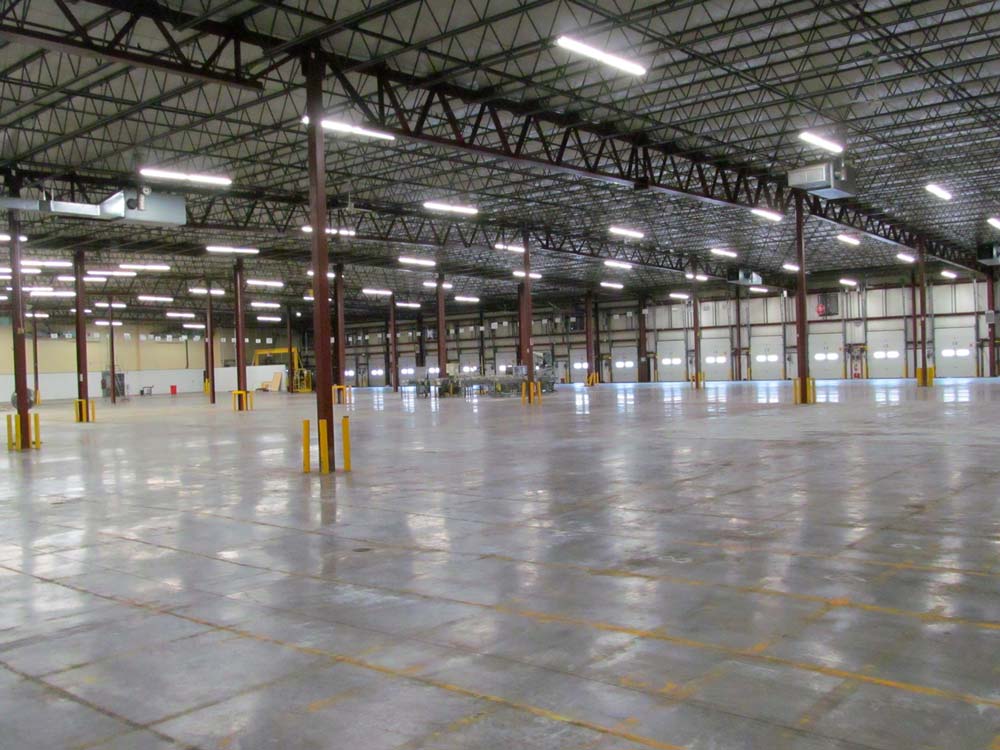
empty warehouse

Protecting stored items financially is just as important as choosing the right unit. However, keep in mind that pricing and policies can vary depending on the provider, so it’s recommended to consult reputable companies—such as Clancy Relocation & Logistics—for accurate, up-to-date information on coverage and flexible payment options.

  • Storage Valuation: Items in storage are not always covered by renters or homeowners valuation. Many extended storage rental services offer affordable valuation plans for long-term peace of mind.
  • Prepay or Auto-Pay Options: Prepayment discounts can lower monthly costs and lock in rates for long-term stays. Automatic payment options offered by long-term storage facilities also reduce the risk of missing due dates.
  • Online Account Management: Managing the rental online makes it easier to update information, make payments, or request assistance remotely. This feature is helpful for those using long-term storage facilities nearby while living or working away from the area.

5. Research and Compare Providers

Taking time to explore different providers will help in choosing the right storage solution.

  • Read Reviews and Ratings: Online reviews can offer helpful perspectives on a facility’s safety, cleanliness, and overall service. However, it’s important to approach them critically—according to a former U.S. federal criminal investigator, many reviews may be fake or paid, so cross-reference sources when researching the best long-term storage near me.
  • Tour the Facility: An in-person visit helps evaluate layout, security, and overall condition. This firsthand look ensures the selected provider offers safe long-term storage options suited to specific needs.
  • Compare Long-Term Plans: Different facilities offer unique long-term packages, including price breaks or free moving assistance. Ask about these benefits when comparing extended storage rental services.
  • Customer Support: Friendly, knowledgeable staff can make a big difference, especially when questions or issues arise. Positive service reviews often indicate reliable long-term storage facilities that value their customers.

6. Select the Right Facility and Reserve a Unit

Once research is complete, it’s time to make a decision and secure a unit. Choosing the correct facility is critical for both peace of mind and functionality.

  • Choose The Facility Type: Pick a facility type based on how much space is needed and how often access is required. Those searching extended storage rental services often benefit from flexible, scalable storage plans.
  • Make The Reservation: Once the type and size are confirmed, secure the unit by signing a rental agreement and submitting a deposit. Doing this early ensures availability at the best long-term storage near your location.

7. Pack and Prepare Belongings for Storage

Proper packing is essential to protect items in storage. Materials and packing strategies can significantly impact the condition of belongings after long periods.

  • Label and Categorize Boxes: Labeling each box with its contents helps streamline unpacking and access later. This organization method is especially useful for items placed in long-term storage facilities for months or years.
  • Use Quality Packing Materials: Sturdy materials such as bubble wrap, plastic bins, and packing tape help protect against moisture and physical damage. Quality packing is a must for anyone using safe long-term storage options.
  • Disassemble Furniture When Possible: Breaking down large pieces saves space and prevents damage during transport and storage. This is a common tip recommended by extended storage rental services.
  • Avoid Storing Perishables or Flammable Items: These items can spoil, attract pests, or create fire hazards if left in storage. Reputable facilities listed under long-term storage facilities near you usually restrict such items.
  • Clean and Ventilate Appliances: Before storage, clean appliances like refrigerators, ovens, or microwaves to prevent mold or odors. Keep doors slightly open to allow proper airflow and avoid moisture buildup.
  • Protect Furniture Surfaces: Dust and polish wooden furniture before storing to help preserve finishes. Use cotton sheets or furniture covers that allow airflow and avoid trapping moisture.
  • Use Appropriate Storage for Clothing: Store garments in breathable containers such as wardrobe boxes or plastic bins with lids. Place clothing in dry, dark, and cool areas to prevent fading or mildew.

8. Move-In With Care and Maintain the Unit

Once everything is packed, transporting items to the facility should be done with organization and caution. Regular check-ins help keep the unit in good condition.

  • Create an Aisle for Access: Leave a pathway in the center of the unit for easier access to items in the back. This is a small but smart tip that is often shared by staff at the best long-term storage providers near you.
  • Place Heaviest Items at the Bottom: Stack boxes and furniture with heavier items below to avoid collapsing or crushing. This helps maintain order, especially in long-term storage facilities with limited unit height.
  • Visit Periodically: Checking the unit every few months can catch early signs of damage, leaks, or pests. Many safe long-term storage options allow regular access during business hours.
  • Keep Inventory Records: Maintaining a list of stored items can make it easier to manage contents and avoid misplacement. This is especially helpful for businesses using extended storage rental services for overflow stock.

Pros and Cons of Renting A Storage Unit for Long-Term Storage

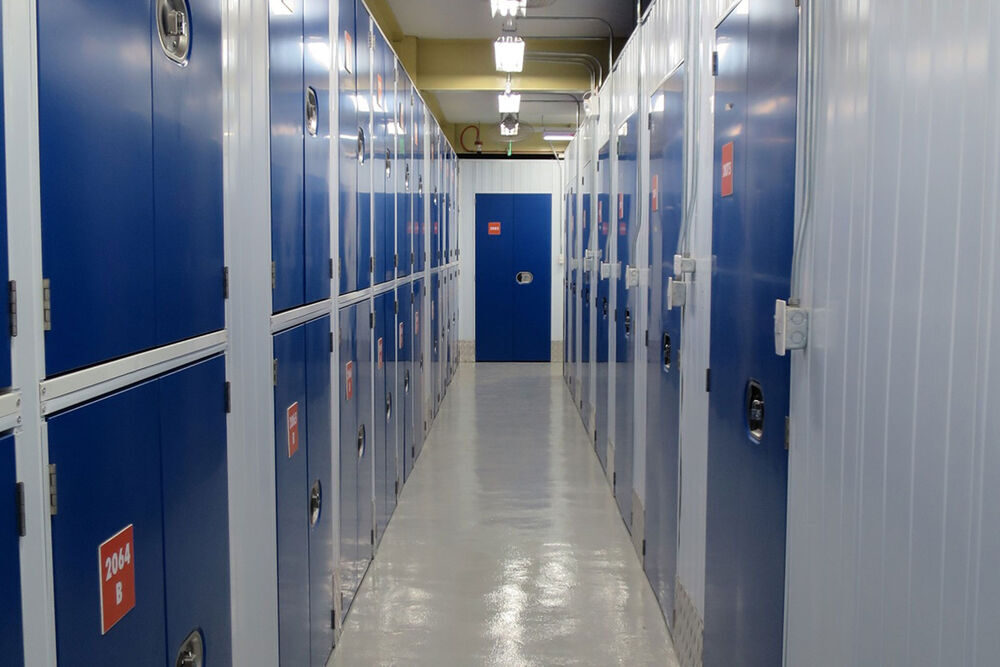
long-term storage facilities

Renting a storage unit can be a smart choice for those who need extra space over an extended period. But like any decision involving cost and convenience, there are both benefits and drawbacks worth understanding before committing.

When Long-Term Storage Makes Sense

For those in transition or downsizing, long-term storage facilities can offer flexibility and peace of mind. However, not all items are worth storing for long periods, especially when the value of the item does not match the cost of keeping it.

  • Home Renovation Or Relocation: During a home remodel or move, storage units provide a secure place for furniture and personal belongings. Many rely on long-term storage facilities to avoid damage or clutter during these times.
  • Seasonal Or Sentimental Items: Items like holiday decorations or keepsakes that are rarely used can be safely stored to free up home space. These are typically placed in safe long-term storage options where they remain protected until needed.
  • Business Overflow Storage: Companies often store documents, marketing materials, or surplus inventory offsite. Using extended storage rental services helps reduce in-office clutter and improves workspace efficiency.

Advantages Of Renting A Storage Unit

Storage units offer real value when used appropriately and with a plan. Their features and flexibility make them a practical solution for many individuals and families.

  • Long-Term Protection of Belongings: These specialized units protect sensitive items like electronics, artwork, and wooden furniture from temperature swings. Many people choose safe long-term storage options with climate control for long-term reliability.
  • Reduced Clutter at Home or Work: Storage units help create a more organized living or working environment by relocating infrequently used items offsite. This is especially helpful for those using extended storage rental services during life transitions or downsizing.
  • Peace of Mind: Knowing that belongings are stored in a safe, monitored space brings comfort to individuals and businesses alike. Many renters consider this one of the biggest benefits of using the best long-term storage solutions.
  • Short-Term Relief That Can Extend as Needed: Even if the original intent is temporary, many renters appreciate the ability to extend usage if needed. This makes long-term storage facilities useful for both planned and evolving storage needs.

Drawbacks Of Long-Term Storage

Although there are clear benefits, long-term storage can also come with potential downsides—especially if there is no clear plan or end date. Costs and access limitations are two major points to consider.

  • Monthly Costs Add Up: Over time, even a modest monthly fee becomes significant, especially if items are not retrieved. Those seeking extended storage rental services should calculate total cost versus item value.
  • Annual Price Increases: Many storage providers raise rates regularly, often after 12 months of rental. Renters searching for the best long-term storage should ask about pricing trends before committing.
  • Unintentional Item Neglect: It’s easy to forget what’s inside a unit, especially if it’s out of sight and out of mind. This leads many to continue paying for unused storage in long-term storage facilities without realizing it.

Other Considerations Before Committing To Long-Term Storage

Long-term storage works best when used with purpose and awareness. Without a plan or strategy, the storage unit can turn into an expensive holding spot for unused items.

  • Create an Exit Plan: Set a reminder to review the unit contents and contract terms every few months. This helps avoid paying indefinitely for extended storage rental services without a clear purpose.
  • Track Total Expenses: Automatic payments can make it easy to forget how much is being spent. Regularly reviewing bank statements helps assess if long-term storage facilities still make financial sense.
  • Reevaluate Storage Needs Over Time: Life changes—what was worth storing a year ago might no longer hold the same value. Reassess your storage contents annually and consider donating or selling unused items.

Frequently Asked Questions

How much is long-term storage?

The cost of long-term storage can vary widely depending on factors like the size of the unit, location, duration of rental, and whether climate control is needed. Keep in mind that rates and services can differ significantly between providers, so it’s recommended to check with reputable companies like Clancy Relocation & Logistics for accurate, up-to-date pricing and tailored storage solutions.

What is a long-term storage place called?

A place where items are stored for an extended period is commonly referred to as a long-term storage facility or a self-storage facility. These locations offer various types of units, including climate-controlled, indoor, and outdoor spaces, making them suitable for everything from personal belongings to vehicles. Many businesses and homeowners turn to extended storage rental services when they need a secure, off-site solution for excess items.

What is considered long-term storage?

Long-term storage generally refers to storing belongings for six months or longer. It’s commonly used during home renovations, relocations, or when downsizing, especially for items not used frequently. Most long-term storage facilities offer flexible terms, allowing renters to keep their items secure for several months or even years, depending on their needs. For more accurate information on what qualifies as long-term storage, including specific timeframes, features like climate control, and security options, it’s best to consult directly with Clancy Relocation & Logistics to find the solution that fits your needs.

Is it cheaper to rent a pod or a storage unit?

The cost comparison between a pod and a storage unit depends on specific needs, duration, and how far items need to be moved. While pods can offer on-site convenience and may be more cost-effective for short-term, local storage, their costs increase significantly over time, especially with delivery and relocation fees. In contrast, traditional storage units—especially from safe long-term storage options—often offer more stable monthly rates and better value for extended use. For most long-term storage needs, renting a unit at a facility is typically the more budget-friendly and practical solution.

What to know before renting a storage unit?

Before renting a storage unit, it’s important to evaluate what will be stored, how long it will be needed, and whether climate control is required. Researching long-term storage facilities near me, reading reviews, comparing prices, and checking security features can help ensure a good experience. Renters should also consider access hours, contract terms, and whether valuation is offered or required by the facility. 

Secure the Right Storage Solution With Clancy Relocation & Logistics!

Finding reliable and affordable storage is easier with a trusted partner like Clancy Relocation & Logistics. Whether the need involves seasonal storage, business overflow, or safeguarding personal belongings, our tailored solutions offer flexibility, protection, and convenience for any situation. We’re the best partner for your long-term storage needs! 

Contact Clancy Relocation & Logistics today to explore safe storage options that fit every need.

Table of Contents

Key Takeaways

6 Essential Hacks for Your Moving Packing Checklist

  1. Create a Master Packing Checklist Early
  2. Declutter Before Packing
  3. Pack by Room and Label Clearly
  4. Keep a “Moving Essentials” Box
  5. Consider Professional Packing to Save Time and Sanity
  6. Double-Check and Cross Off

Frequently Asked Questions

Make the Apartment Move Easier With Professional Packing Help!

Key Takeaways

Create structure and reduce stress by starting with a packing checklist early.

Declutter first to simplify packing and avoid bringing unnecessary items.

Pack by room and label clearly to stay organized and unpack efficiently.

Keep essentials in a separate box to access important items immediately.

Set daily packing goals to stay on track and avoid the last-minute rush.

Double-check and cross off items to prevent forgetfulness and ensure readiness.

Packing for an apartment move can feel like a high-stress juggling act—especially when you’re short on space, time, and patience. While a well-crafted packing checklist can bring order to the chaos and help you tackle tasks step by step, sometimes the most efficient and stress-free route is to call in the experts. Whether you’re a hands-on planner or someone ready to delegate, having a clear system—or trusted help—can make all the difference.

Here are six practical hacks to stay tidy and organized throughout the apartment packing process.

6 Essential Hacks for Your Moving Packing Checklist

Packing Tips

1. Create a Master Packing Checklist Early

Getting organized from the start is one of the most effective ways to reduce stress during a move. Having a well-structured packing checklist for moving apartments helps ensure nothing gets overlooked and that every step is handled on time. If planning isn’t your strong suit, Clancy Relocation & Logistics can help you kickstart your checklist with expert consultation and tailored move planning—perfect for turning overwhelm into action.

Start 3–4 Weeks Before Moving Day

Early planning provides the space to think through the move logically, without the pressure of looming deadlines. It also allows time to handle tasks like decluttering and buying supplies.

  • Build a Timeline: Creating a packing schedule at least three to four weeks ahead of moving day helps to spread out tasks and reduce overwhelm. This is a crucial part of any step-by-step packing guide for apartments.
  • Set Weekly Goals: Assign tasks to each week—for example, decluttering in week one, packing non-essentials in week two, and finishing high-traffic areas in week three.

Choose a Checklist Format That Works Best

Using the right format for the checklist helps keep the move tidy and organized from start to finish. The format should suit the person’s habits and make tracking progress easy.

  • Digital Checklists: Digital tools such as packing apps, spreadsheets, or mobile notes allow for flexible, on-the-go updates. These are ideal for those looking for the best way to pack for an apartment move using smart tools.
  • Printable Templates: A printed apartment moving packing list can be physically marked off and displayed in a visible area for daily reference. It provides a quick overview of progress and remaining tasks.

Organize by Category 

A strong checklist isn’t just a list—it’s a structured plan. Categorizing items ensures that nothing is missed and that packing happens in a logical, tidy way.

  • Essentials: List must-have items such as ID, important documents, medications, basic toiletries, and a few sets of clothes. These items should be packed last but noted first.
  • Room-by-Room Sections: Divide the list by room—bedroom, kitchen, living area, bathroom, and storage—to make packing more manageable and systematic.
  • Packing Supplies: Don’t forget to include packing materials such as boxes, bubble wrap, tape, scissors, and permanent markers. These are the tools that make the process smoother and cleaner.

Add Personal Reminders and Flexibility

Every move is different. The checklist should be treated as a living document that can be adjusted based on individual needs or changes in the plan.

  • Include Appointment Notes: Add reminders to book movers, notify utility companies, and schedule cleaning services. These small tasks are just as important as packing boxes.
  • Leave Room for Edits: As new tasks come up or plans change, update the checklist regularly to stay on top of everything without feeling overwhelmed. This flexible approach is key to following the best way to pack for an apartment move.

2. Declutter Before Packing

Getting rid of excess belongings is one of the most important early steps in any step-by-step packing guide for apartments. It clears physical space, lightens the load, and makes the entire process more efficient, from packing to settling into your new place. If you’re feeling overwhelmed by how much there is to sort through, Clancy Relocation & Logistics can step in with hands-on support—whether that means helping you downsize thoughtfully or professionally packing what matters most.

Why Decluttering Matters Before a Move

Clearing out unnecessary items before packing not only streamlines the move but also leads to a more precise packing checklist for moving apartments. Focusing on essentials minimizes the workload and cuts down on moving expenses. Studies have found that organized, clutter-free spaces help improve focus, reduce irritability, and enhance productivity, making both the packing process and the transition smoother overall.

  • Sort Items by Category: Divide belongings into four clear groups—keep, donate, toss, and sell. This makes decision-making easier and eliminates guesswork.
  • Reduce Packing Time and Supplies: Fewer items mean fewer boxes, less tape, and less stress. This streamlines the process and keeps the apartment tidy throughout.
  • Lighten the Moving Load: Letting go of non-essential items helps reduce the physical and financial weight of the move, especially for long-distance relocations.
  • Refine the Checklist: Once items are sorted, the apartment moving packing list becomes more accurate and easier to follow. It eliminates unnecessary clutter and ensures no important item is overlooked.
  • Make Room for What Matters: Keeping only what’s useful or meaningful makes unpacking and settling into the new apartment faster and more intentional.

3. Pack by Room and Label Clearly

Packing Tips

Packing one room at a time is one of the easiest ways to stay organized during a move. It keeps the process manageable, minimizes stress, and helps ensure nothing is overlooked. Many professional movers, like Clancy Relocation & Logistics, follow this method to keep moves efficient and well-structured, especially when handling packing services for clients.

Focus on One Room at a Time

Packing by room is the best way to pack for an apartment move because it brings clarity and structure to an otherwise hectic task.

  • Break It Down Room-by-Room: Focus on one space—like the kitchen or bedroom—before moving on to the next. This keeps packing manageable and prevents mixing up items from different rooms.
  • Assign Deadlines Per Room: Allocate time for each room based on the number of items. For example, give two days to the living room and one day to the bathroom, depending on how much there is to sort and pack.
  • Update the Checklist: Use an apartment moving packing list to mark completed rooms. Keeping track of progress helps maintain motivation and organization.

Use Color-Coded or Numbered Boxes

An organized box system simplifies both the moving and unpacking process. It also makes the step-by-step packing guide for apartments more effective when everything is clearly sorted.

  • Color Codes for Quick ID: Use colored tape, stickers, or markers to assign each box to a specific room (e.g., blue for the kitchen, red for the bedroom). Since colored objects are more easily perceived, remembered, and associated with identical shapes in the same color, this method helps ensure boxes are correctly placed upon arrival.
  • Number Boxes to Match Checklist: Assign each box a number that matches a section of the essential packing checklist for moving. For instance, “Kitchen Box #1 – Plates, Cups” matches a corresponding note in the checklist.
  • Create a Master Legend: Keep a written or digital reference list that explains the color or number system. This provides clarity for anyone helping with the move.

Label Contents and Destination Rooms Clearly

Proper labeling ensures nothing gets lost or misplaced, and it saves time when unpacking.

  • List Key Contents: Write the main items inside the box on the outside (e.g., “Sheets, Pillowcases, Towels”). This helps quickly identify needed items without opening multiple boxes.
  • Include Destination Room: Every box should note where it belongs in the new apartment—“Bedroom,” “Kitchen,” or “Bathroom.” This aligns with the packing checklist for moving apartments and avoids confusion during move-in.
  • Use Large, Legible Labels: Choose bold, waterproof markers or pre-printed labels. Clear visibility prevents issues in fast-moving environments, especially when multiple helpers or movers are involved.

4. Keep a “Moving Essentials” Box

The first 24 hours in a new apartment can be chaotic—so it’s crucial to have your must-haves close at hand. Clancy Relocation & Logistics suggests setting aside a clearly labeled “Day One” box with items you’ll need right away, even if the rest of your move is fully packed and managed for you.

The essentials box ensures that the most important items are immediately accessible upon arrival at the new apartment. Instead of tearing open random boxes, everything needed to get through the first 24–48 hours is in one place.

What To Include in a First-Day Essentials Box

These are the high-priority items everyone needs right away. They should be the first things packed and the last to be loaded into the moving truck:

  • Toiletries and Personal Care: Include toothpaste, toothbrush, deodorant, shampoo, body wash, toilet paper, hand soap, and a towel for each person.
  • Chargers and Electronics: Phone and laptop chargers, power banks, extension cords, and any adapters used daily.
  • Change of Clothes: Comfortable clothing, sleepwear, and undergarments for the first night and the next day.
  • Important Documents and Keys: Lease paperwork, ID cards, moving contracts, and keys to both the old and new apartments.
  • Basic Kitchen Supplies: One or two plates, cups, utensils, a bottle opener, snacks, bottled water, and instant meals or takeout menus.
  • Medications and First Aid: Prescriptions, allergy meds, bandages, and any essential over-the-counter items.
  • Cleaning Wipes or Spray: Quick-clean supplies to wipe down surfaces before settling in.

5. Consider Professional Packing to Save Time and Sanity

When you’re short on time or managing a busy schedule, packing can feel like too much. Professional movers like Clancy Relocation & Logistics can take the load off by handling everything from boxing to labeling.

Whether it’s a few rooms or the whole apartment, their team packs efficiently and securely — so you can stay focused on the move, not the mess. It’s a smart, stress-saving option when time and energy are in short supply.

Why It’s Worth Considering

Professional packing isn’t just about convenience—it’s about moving smarter. When time is tight or the to-do list is long, letting experts step in can make the entire process smoother from start to finish.

  • Saves Hours (or Days): Moving companies’ trained crew packs quickly and efficiently, often completing in a day what could take you several. That means less time surrounded by half-packed boxes and more time focused on the move itself.
  • Reduces Stress: Forget sourcing boxes, buying tape, or figuring out where to start. Moving companies like Clancy Relocation & Logistics bring all the necessary materials and follow a proven system to pack with order and speed — so you don’t have to overthink it.
  • Protects Your Belongings: From fragile kitchenware to bulky furniture, everything is packed using high-quality materials and professional techniques that reduce the risk of damage during transport.
  • Flexible Options: You don’t have to go all-in—moving services like Clancy Relocation & Logistics offer customizable packing services, whether you just want help with a few tricky areas or prefer to have everything handled from top to bottom.

6. Double-Check and Cross Off

As the moving day nears, take time for one last walk-through. Even with a solid checklist, it’s easy to miss small items or hidden spots. Movers like Clancy Relocation & Logistics recommend doing this final sweep a day or two before the move to ensure everything is packed, labeled, and ready to go, avoiding last-minute surprises.

Perform a Full Apartment Walk-Through

A slow, thoughtful walk-through is key to ensuring that nothing is forgotten. This is one of the most effective ways to catch missed items and finalize your apartment moving packing list.

  • Bedroom Check: Inspect under beds, behind furniture, and in closets. Small items like chargers, earrings, and books often get left behind in these hidden areas.
  • Bathroom Sweep: Look in drawers, medicine cabinets, and the shower. Toiletries, razors, and skincare products are commonly missed during initial packing.
  • Kitchen Review: Open every cupboard, drawer, and appliance. Perishables, cooking utensils, and cleaning supplies may still be sitting in hard-to-see spaces.
  • Living Room Review: Check behind entertainment units, inside couch cushions, and remove artwork or wall fixtures. Electronic accessories like remotes and HDMI cables are often left behind.

Use the Checklist to Cross Off Items Room by Room

Even the most efficient packing process can become disorganized without careful tracking. A reliable essential packing checklist for moving helps ensure everything is on schedule.

  • Match Packed Items to the List: Carefully compare what’s been packed to what’s listed on the essential packing checklist for moving. This confirms that no item is left out.
  • Physically Mark Completed Items: Use a pen, highlighter, or app to cross off items once they are fully packed or accounted for. This creates a visible sense of progress.
  • Note Any Last-Minute Additions: If anything was packed that wasn’t on the list, add it now to avoid confusion later during unpacking.

Organize Boxes and Clear Pathways

Good organization doesn’t stop when the last box is taped shut. Arranging the space to support a smooth exit is part of the best way to pack for an apartment move.

  • Group Boxes by Room or Priority: Stack boxes by where they belong (kitchen, bedroom, etc.) or label them with priority levels (unpack first, fragile, etc.). This helps movers—and the checklist—stay organized.
  • Remove Clutter From Hallways and Doors: A clean, open space helps prevent accidents and speeds up the loading process. It also ensures nothing gets left behind in hard-to-reach areas.

Frequently Asked Questions

How do I pack fragile items safely?

Wrap fragile items individually using bubble wrap, packing paper, or soft cloth. Use sturdy boxes and place heavier items at the bottom with lighter ones on top. Fill empty spaces with padding materials like crumpled paper or foam peanuts to prevent shifting. Label the boxes as “fragile” on all sides for visibility. Avoid overpacking to reduce the risk of breakage during transit.

What’s the most efficient way to pack clothes?

Use wardrobe boxes for hanging clothes to keep them wrinkle-free. Fold and pack other clothing in suitcases, duffel bags, or vacuum-seal bags to save space. Sort clothing by season or type to make unpacking easier. Consider donating items you haven’t worn in a year. Label containers clearly so you can find essentials quickly upon arrival.

How do I pack electronics properly?

Whenever possible, pack electronics in their original boxes with the original padding. If that’s not available, use sturdy boxes, bubble wrap, and anti-static packing materials. Remove batteries, cables, and accessories, and pack them separately but label everything. Take photos of cable setups to make reassembly easier. Avoid storing electronics in extreme temperatures or under heavy items.

What should I not pack with movers?

Avoid packing hazardous materials like paint, propane, or cleaning chemicals. Perishable food items, plants, and personal valuables like cash or jewelry should also stay with you. Important documents, medications, and irreplaceable items are best kept in a personal bag. Check with your moving company for a complete list of restricted items. 

Is it worth hiring professional packers?

If you’re short on time or overwhelmed, professional packers like Clancy Relocation & Logistics can be a worthwhile investment. They are trained to pack efficiently and securely, which reduces the risk of damage. While it costs more, it saves you time and stress, especially for large or last-minute moves. You can opt for full-service packing or just for fragile items. 

Make the Apartment Move Easier With Professional Packing Help!

Professional Packing

Navigating an apartment move becomes far more manageable with professional guidance and logistical support. Clancy Relocation & Logistics offers organized, efficient packing solutions tailored for apartment moves, ensuring every box, checklist, and detail is handled with care. With decades of experience and trusted service, our team takes the stress out of packing, so every step of the transition runs smoothly.

Get in touch with Clancy Relocation & Logistics today to request a personalized moving quote!

Table of Contents

Key Takeaways

Pre-Packing Preparation

Essential Packing Categories

  1. Kitchen Essentials
  2. Bedroom Basics
  3. Bathroom Necessities
  4. Living Room Items
  5. Cleaning Supplies
  6. Tools and Safety Gear
  7. Important Documents
  8. Miscellaneous Items

Moving Day Tips

Frequently Asked Questions

Make Moving Day Smoother With Expert Packing Support!

Key Takeaways

Start early, declutter intentionally, and gather all packing supplies to stay ahead of the moving process.

Group items by room and purpose to create a focused and efficient packing system.

Stay organized on moving day by preparing a first-night bag, labeling clearly, and confirming final tasks.

Moving into a first apartment is an exciting milestone, but the process can feel overwhelming without the right preparation. From organizing belongings to gathering supplies and coordinating the move, every step plays a role in creating a smoother transition. A well-planned packing strategy helps avoid stress, prevent last-minute scrambles, and ensure that nothing important gets left behind.

Here are the key steps to follow in a first apartment packing checklist to move out the right way.


Pre-Packing Preparation

Before starting to fill boxes, first-time renters should take some essential steps to lay the foundation for a smooth move. Following a solid first apartment packing checklist helps reduce stress and makes sure no important tasks are missed.

1. Create a Packing Timeline

A packing timeline brings structure and reduces last-minute stress. It’s a key part of any first-time apartment moving guide, helping divide the work over several weeks.

  • Six Weeks Before Move-In: Sort items to keep, donate, or discard. This clears clutter and gives time to plan.
  • Four Weeks Before Move-In: Pack non-essentials like books, decor, and seasonal clothes to free up space.
  • Two Weeks Before Move-In: Confirm moving help, set utility transfers, and update address for services.
  • One Week Before Move-In: Pack daily-use items and prep a “first-night bag” with essentials.

2. Declutter and Donate Unused Items

Before deciding what to pack for a first apartment, it’s helpful to remove items that are no longer needed. Decluttering not only lightens the moving load but also creates a more focused and organized process. In fact, research shows that an uncluttered space can reduce irritability, improve concentration, and boost productivity.

  • Sort Room by Room: Go one space at a time, starting with the least-used areas to stay organized.
  • Donate Gently Used Items: Give away clothing, cookware, or furniture in good condition to reduce the moving load.
  • Discard Damaged Goods: Throw out broken or expired items to streamline your essential packing list for first-time renters.

3. Gather Packing Supplies

Having the right supplies makes any first apartment packing checklist more effective. It also protects valuables and saves time.

  • Boxes (Various Sizes): Small for heavy items, large for light bulky ones, and medium for general packing.
  • Packing Tape and Dispenser: Secure boxes quickly and prevent them from opening during the move.
  • Permanent Markers: Label each box with room and contents for easier unpacking.
  • Bubble Wrap and Packing Paper: Wrap fragile items like glassware and electronics to prevent breakage.
  • Labels or Stickers: Buy or use colored tape as a budget-friendly alternative to color-coded stickers to match boxes to rooms—key for a smooth packing checklist for a first apartment move.

clancy-boxes

Essential Packing Categories

Not knowing what to pack for your first apartment can feel overwhelming, but breaking it down by room makes it easier to manage. 

1. Kitchen Essentials

A functional kitchen is key to daily living, even for simple meals. This part of the packing checklist for the first apartment move ensures that all the foundational items are covered so cooking and cleanup can happen smoothly from day one.

  • Plates, Bowls, Cups, and Utensils: It’s best to start with at least two of each item, allowing room for guests or dishes in the sink. Sturdy, lightweight options work well for moving and everyday use. These are the core of any essential packing list for first-time renters, enabling basic meals without hassle.
  • Pots, Pans, and Baking Sheets: One saucepan, one frying pan, and a medium baking sheet are enough to prepare a variety of dishes. These items are considered staples in any first-time apartment moving guide, as they allow renters to cook at home instead of relying on takeout.
  • Can Opener, Cutting Board, and Measuring Cups: These smaller tools are often forgotten but are used regularly. A durable cutting board helps protect counters, while measuring tools support basic recipes and portion control. Include them in the first apartment packing checklist to avoid unnecessary trips to the store.
  • Dish Soap, Sponge, and Trash Bags: These cleaning items make post-meal cleanup quick and sanitary. Choose a good sponge or scrubber, and bring a small pack of trash bags to get started. They are essentials in the packing checklist for a first apartment move, helping keep the kitchen in order.

2. Bedroom Basics

Packing bedroom items early ensures essential comfort is ready upon arrival, especially after a long moving day. Prioritizing this space in a first apartment packing checklist helps first-time renters settle in smoothly.

  • Bed Frame and Mattress: Pack a lightweight, easy-to-assemble frame and a comfortable mattress to avoid sleeping on the floor. This pairing supports rest and cleanliness and should be packed with priority for early setup.
  • Sheets, Pillows, and Blankets: Include at least one full bedding set, along with an extra blanket or pillow. These soft essentials bring comfort to a new space and are a must on any essential packing list for first-time renters.
  • Dresser, Hangers, and Laundry Basket: Flat-pack a small dresser or foldable storage unit, along with hangers and a laundry bin. These items keep clothing organized and are key for maintaining a clutter-free bedroom from day one.

3. Bathroom Necessities

A clean and functional bathroom is important from the first night. This checklist ensures renters won’t be caught without the essentials when they need them most.

  • Towels and Washcloths: Pack two sets of towels and washcloths per person to allow for rotation and laundry days. Choose absorbent, quick-drying materials to save space and time. This is a vital category in any first apartment packing checklist.
  • Shower Curtain and Hooks: Most apartments don’t come with these, and they’re necessary to prevent water damage. A basic shower curtain and a set of hooks are small, affordable, and often overlooked when deciding what to pack for your first apartment.
  • Toilet Brush, Plunger, and Cleaning Supplies: Cleanliness is easier to maintain with the right tools. These items help avoid unpleasant surprises and make it easier to keep the space fresh.
  • Toiletries (Toothbrush, Shampoo, etc.): Personal care items are daily-use essentials. Pack enough for the first week, including soap, deodorant, a hairbrush, and hygiene products.

4. Living Room Items

A cozy, functional living room creates a space for rest and entertainment. Even minimal furniture can make the area feel welcoming and useful.

  • Couch or Seating: Whether it’s a full sofa, loveseat, or foldable chair, some form of seating is essential. Choose something compact and easy to move, especially for small apartments. This should always be part of a first apartment packing checklist.
  • Coffee Table or TV Stand: These surfaces help organize living room items like remotes, drinks, or laptops. A sturdy, multipurpose piece adds structure to the room and improves its functionality, making it a strong addition to any packing checklist for a first apartment move.
  • Lamps or Lighting: Overhead lights can be harsh or limited, so additional lighting makes the space more comfortable. Floor or table lamps are great options that are both functional and decorative. Lighting should be included when planning what to pack for your first apartment.
  • TV, Speakers, and Remotes: Entertainment is part of feeling at home. A small TV, portable speakers, and labeled remotes help complete the space. These items enhance comfort and are worth including in an essential packing list for first-time renters.

5. Cleaning Supplies

Keeping a new apartment clean is essential for comfort, hygiene, and peace of mind. First-time renters should gather the right cleaning items before moving day so they’re ready to handle any mess from the start. 

  • Broom, Mop, and Vacuum: These three tools cover all floor types—tile, hardwood, or carpet. A broom and mop take care of dust and spills, while a vacuum is ideal for rugs or upholstered furniture. Together, they help maintain a tidy and fresh living space, making them must-haves on any packing checklist for a first apartment move.
  • All-Purpose Cleaner and Disinfectant Wipes: These products are useful for cleaning everything from kitchen counters to bathroom surfaces. Disinfectant wipes are quick for spills and sanitizing high-touch areas.
  • Paper Towels, Sponges, and Gloves: These smaller items are daily-use essentials. Paper towels handle quick cleanups, while sponges help scrub sinks and dishes. Cleaning gloves keep hands safe from harsh chemicals and grime. Every first-time apartment moving guide should include them.

6. Tools and Safety Gear

Having basic tools and safety items on hand ensures that first-time renters are prepared for both setup and emergencies. These items are essential for furniture assembly, small repairs, and staying secure in a new home.

  • Basic Toolkit (Screwdriver, Hammer, Nails): This simple kit makes it easy to hang pictures, fix loose screws, or put furniture together. Even renters with no experience will find these tools helpful. Including a toolkit in a first apartment packing checklist adds both convenience and confidence.
  • Flashlight and Batteries: A flashlight is important during power outages or when searching dark storage areas. Pack extra batteries to keep it usable anytime. It’s a smart safety item that belongs in every essential packing list for first-time renters.
  • First-Aid Kit: Accidents can happen during moving or unpacking. A basic kit with bandages, antiseptic, and pain relief ensures renters are ready to handle small injuries without delay. It’s a must for any first-time apartment moving guide.
  • Extension Cords and Power Strips: Outlets may not be located where they’re most needed. Extension cords and surge-protected power strips help set up electronics efficiently and safely. 

7. Important Documents

Important documents are often overlooked during packing, but they’re critical for identification, security, and daily life. Keeping them together in a labeled folder or fireproof pouch is a smart move for first-time renters. It’s also wide for these items to be carried personally to avoid loss or damage. 

  • Lease Agreement: A copy of the signed lease proves the right to occupy the apartment and may be needed when setting up utilities or verifying residency. This is a priority in any packing checklist for a first apartment move.
  • ID, Social Security Card, Passport: These forms of identification are used for job applications, setting up services, and official registrations.
  • Valuation Papers: Renters valuation protects personal belongings and may be required by the landlord. Including these papers in a first apartment packing checklist ensures nothing is missed when moving responsibilities begin.
  • Emergency Contacts: A printed list of phone numbers for family, close friends, healthcare providers, and the landlord is useful if a phone dies or service is disrupted. This is a practical piece of advice from any reliable first-time apartment moving guide.

8. Miscellaneous Items

These final essentials don’t fall into one specific category but are still key to making an apartment livable and connected from the start. These extra touches often define what to pack for a first apartment.

  • Internet Router and Cords: Getting connected to Wi-Fi is one of the first tasks in a new home. Bringing a router and compatible cables ensures there’s no delay in setting up service. It’s a must on every essential packing list for first-time renters.
  • Wall Hooks or Adhesives: Most rentals don’t allow nails in the walls. Adhesive hooks are renter-friendly ways to hang keys, coats, or decorations without damage.
  • Laundry Detergent: Moving means laundry. Pack detergent, dryer sheets, and stain remover so laundry day can start anytime. It’s a common item to forget, but a crucial one for first-time renters.
  • Personal Decor: Small pieces like framed photos, throw pillows, or plants help the apartment feel like home. Adding personality to the space makes the transition smoother and more enjoyable. These finishing touches round out a complete first-time apartment moving guide.

moving

Moving Day Tips

Moving day can be overwhelming, especially for first-time renters. With the right planning and a clear checklist, it becomes much easier to stay calm, focused, and efficient. 

1. Consider Hiring Packing Services

Hiring professional packing services can ease the pressure of moving, especially for those who are short on time or moving long distances. Partnering with experienced providers—such as Clancy Relocation & Logistics, known for their reliable residential moving support—can help make the transition smoother and more organized.

  • Time-Saving Option: Professionals pack quickly and efficiently, helping first-time movers stay on schedule.
  • Reduced Stress: Since a 2020 survey found that 45% of Americans ranked moving as the most stressful event in their lives, having experts manage fragile or bulky items can ease a significant part of that pressure.
  • Customized Service: Some companies offer partial packing for just the kitchen or delicate items, allowing flexibility based on needs and budget.

2. Pack a “First-Night” Bag

After a long day of moving, no one wants to dig through boxes to find a toothbrush or a phone charger. A well-prepared first-night bag ensures comfort and convenience from the very first night in a new home.

  • Toiletries and Medications: Include toothbrush, toothpaste, soap, shampoo, and any daily medications. These small items are often forgotten but instantly needed.
  • Change of Clothes and Sleepwear: Packing an extra outfit and something comfortable to sleep in helps ease the first night.
  • Basic Bedding: A blanket, pillow, and a set of sheets make it possible to sleep comfortably even before unpacking the entire bedroom.
  • Chargers and Devices: Phone and laptop chargers should go in this bag to stay connected and organized.
  • Snacks and Water: Quick snacks and bottled water keep energy up during or after the move, especially before the kitchen is unpacked.

3. Label Boxes Clearly by Room

Labeling is one of the simplest but most effective ways to stay organized. It saves time during unpacking and helps movers know where each box belongs.

  • Room-Specific Labels: Write the destination room on each box (e.g., Kitchen, Bedroom, Bathroom). It avoids confusion and keeps things moving efficiently.
  • Short Descriptions: Add a few words about the box’s contents (e.g., “Pots and Pans” or “Towels and Toiletries”) to make it even easier to unpack.
  • Mark Fragile Items: Clearly mark any boxes with breakable items so they’re handled with extra care.

4. Check the Apartment Before Leaving

A final walkthrough of the old place can prevent last-minute issues, forgotten items, or possible penalties.

  • Inspect All Rooms: Open every drawer, cabinet, and closet to make sure nothing is left behind.
  • Turn Off Utilities: Ensure lights are off, water is shut, and appliances are unplugged or turned off.
  • Take Photos: Document the condition of the apartment to avoid any disputes with the landlord later.

Dispose of Trash: Make sure garbage and leftover items are removed to leave the place clean and avoid fees.


Frequently Asked Questions

Do apartment complexes have moving rules I should be aware of?

Yes, many apartment buildings have specific moving rules, such as reserved elevator hours or parking restrictions. Some require advance notice, deposits, or a move-out checklist to be completed. It’s crucial to check your lease or talk to management well before moving day.

What’s the difference between packing for a local move and a long-distance apartment move?

Packing for a long-distance move often requires more durable packing materials and careful labeling. You’ll want to ensure items are secure for longer travel and potentially rougher handling. Local moves allow more flexibility with how tightly items are packed, as they’re often moved directly from point A to B. 

How do I stay motivated while packing my apartment?

Staying motivated can be tough, especially if you’re overwhelmed by the amount to do. Break the task into small, manageable chunks and set daily goals. Music, snacks, and rewards for milestones can keep your energy up. Seeing progress, like a cleared-out closet or finished room, can boost your mood. 

What should I avoid packing until the last minute?

Essential items like toiletries, important documents, basic cookware, and everyday clothes should be left for last. You’ll likely still need access to these things in the final days before your move. Pack them in a “first night” box or suitcase for easy access after the move. This can save you from digging through multiple boxes in your new apartment.

How can I deal with small space challenges while packing?

Packing in a small apartment often means working around limited space and minimal storage. It’s helpful to pack in stages, keeping one area clear for stacking completed boxes. Disassembling furniture early creates more room to move around. Using furniture like beds or sofas for temporary box storage can help as well.

Make Moving Day Smoother With Expert Packing Support!

Handling a first-time apartment move requires more than just boxes and tape—it takes planning, coordination, and the right help. Clancy Relocation & Logistics offers trusted packing and relocation services designed to reduce stress and protect what matters most. From partial packing to full-service moves, our team ensures every step is handled with care.

Get a custom quote today and take the next step with confidence!

Table of Contents

Key Takeaways

10 Essential Questions for Hiring Full-Service Movers

Frequently Asked Questions

Choose Trusted Experts for a Stress-Free Moving Experience!

Key Takeaways

Always confirm that the mover holds proper licensing and valuation to protect against potential risks.

Clarify which services are included in the quote to avoid surprise charges later.

Ask for a binding estimate to lock in costs and prevent unexpected price increases.

Check that the mover has experience with similar types of moves to ensure reliable service.

Verify whether they conduct in-home or virtual surveys for accurate pricing and planning.

Understand the company’s cancellation or rescheduling policy in case plans change.

Confirm whether packing supplies and labor are part of the service or billed separately

Learn how damage or loss is handled and what protection options are available.

Review references or online feedback to evaluate the mover’s reliability and reputation.

Get a clear moving timeline, including delivery windows and how delays are managed.

Hiring a full-service mover can take a lot of the stress out of relocating. From packing and loading to transportation and unpacking, full-service movers handle it all—but not all providers offer the same quality of service or transparency. Asking the right questions ahead of time can help avoid surprises, delays, and extra costs.

Here are 10 important questions to ask before hiring a full-service mover near me.

10 Essential Questions for Hiring Full-Service Movers

1. Is the Moving Company Licensed?

Hiring a professional mover near me without proper credentials can lead to unexpected costs, lost items, or even fraud. Before choosing a moving company, it’s critical to confirm they meet legal and industry standards. 

Why Licensing Matters

Licensed and insured residential movers near you offer peace of mind and legal protection. It’s the first sign of a legitimate operation and signals that the company follows safety and service regulations.

  • Protection From Liability: A licensed mover near you is required to follow state and federal guidelines, and valuation covers damages or losses during the move.
  • Proof of Professional Standards: Proper credentials reflect that the company operates with accountability and meets professional moving standards.

How to Verify Licensing

Not all companies that claim to be “the best movers near me” have the credentials to back it up. It’s important to verify their legal status.

  • Check the USDOT Number: For interstate movers, they should have an USDOT number. Search the company’s USDOT number on the FMCSA website to view license status and complaint history.
  • Confirm State Licensing: For in-state moves, check with the state’s consumer protection or transportation department to ensure the company is licensed locally.
  • Ask for Proof: Reputable apartment movers nearby will willingly provide licensing and valuation documentation upon request.

2. What Services Are Included in the Quote?

Full-service moving should include more than just transporting boxes from one place to another. Some professional movers near you may offer a wide range of services, but not all will include everything in the initial quote. Understanding exactly what’s covered can prevent costly surprises later on.

What “Full-Service” Typically Covers

The term “full-service mover” can vary slightly by company. Always ask for a detailed breakdown of what’s included.

  • Packing and Unpacking: Many apartment movers near me include professional packing of belongings, furniture wrapping, and unpacking at the new home.
  • Loading and Unloading: This service should cover labor to move items from the home to the truck and vice versa at the destination.
  • Transportation: The actual transport of items is the core of the quote, but ensure fuel costs and tolls are included.
  • Furniture Disassembly and Reassembly: Often included, this saves time and reduces the risk of damage during the move.

How to Avoid Hidden Fees

Even the best movers near me may charge additional fees that aren’t obvious at first. Knowing what to look for helps prevent last-minute charges.

  • Ask for a Detailed Estimate: A written estimate should outline all included services and any additional charges.
  • Watch for Extra Charges: Fees may apply for long carries, stairs, bulky items, or last-minute scheduling.
  • Clarify What’s Not Included: Be clear on whether things like storage, crating, or specialty item handling are part of the quote or billed separately.

3. Can They Provide a Binding Estimate?

Before signing any contract with a mover, it’s important to understand the type of estimate being offered. This directly affects how much will be paid at the end of the move and protects against unexpected costs. 

However, take note that pricing and service terms can vary between companies, so it’s recommended to check with reputable providers like Clancy Relocation & Logistics for accurate, transparent estimates and dependable information.

Understanding Binding vs. Non-Binding Estimates

Not all estimates are created equal. Knowing the difference helps people make informed decisions and choose professional movers near you who are transparent.

  • Binding Estimate: A binding estimate means the price is locked in based on the items listed and services requested. Even if the actual weight or labor time ends up being more, the cost won’t change. 

A binding estimate ensures there are no surprise charges. It offers peace of mind, especially when searching for residential movers near me for large-scale relocations.

  • Non-Binding Estimate: A non-binding estimate is only an approximation. If the move takes longer or weighs more than expected, the final cost can be significantly higher.

4. What Is Their Experience With Similar Moves?

Not all moving jobs are the same. Some movers specialize in apartment relocations, while others handle long-distance or high-value moves. 

Why Relevant Experience Matters

Hiring apartment movers for a large estate move—or vice versa—can lead to delays, damages, or poor handling. Asking about past experience shows whether the team can meet specific needs.

  • Long-Distance Moves: Complex Logistics : Long-distance relocations require detailed planning, coordination, and often cross-state licensing. Movers with this background know how to manage timing, transport, and communication.
  • Large Homes: More Rooms, More Planning : A large home typically involves more belongings, heavier furniture, and greater care in packing. Residential movers near you with experience in spacious homes can move efficiently without compromising safety.
  • Specialty Items: Delicate and Valuable : Items like pianos, antiques, and artwork need special handling. The best movers near you have the equipment, training, and padding materials to protect these belongings throughout the move.

5. Do They Conduct In-Home or Virtual Surveys?

Before selecting a mover, it’s important to understand how they evaluate the total volume and type of items that need to be moved. Whether the company offers in-home visits or virtual surveys, a thorough inventory process ensures that estimates are precise and tailored to the customer’s actual needs.

In-Home vs. Virtual Surveys

Each method of surveying—whether in-person or online—comes with its own set of advantages and considerations. Customers should choose based on convenience, complexity of the move, and the level of detail they want the mover near you to capture.

  • In-Home Surveys Provide Greater Accuracy: A mover’s in-person visit allows for a detailed walkthrough of all spaces, making it ideal for larger or more complex moves where capturing every item—especially those in storage areas—is essential.
  • Virtual Surveys Offer Speed and Convenience: A fast, flexible option conducted via smartphone or tablet, virtual surveys work well for smaller moves or apartment relocations but may miss hidden items, potentially affecting estimate accuracy.

6. What Is Their Cancellation or Rescheduling Policy?

Unforeseen circumstances can change even the most well-planned move. That’s why it’s essential to search for professional movers near me that are transparent with their cancellation and rescheduling policies. 

Key Details to Ask About

Different companies have different policies, and knowing the specifics can help the customer make an informed decision. These policies should be reviewed carefully and, ideally, confirmed in writing.

  • Notice Requirements: Most moving companies require a certain amount of notice—usually 48 to 72 hours—before a scheduled move in order to make changes without penalty. Ask how far in advance a customer must notify them to cancel or reschedule without being charged.
  • Refund Terms: In cases where a deposit is required, customers should confirm whether it is fully refundable, partially refundable, or non-refundable. It’s also important to know under what conditions a refund is granted, such as emergency cancellations or weather-related delays.
  • Rescheduling Options: Some movers allow customers to reschedule once at no extra cost, while others may charge a fee. It’s useful to ask if they offer priority rebooking or alternate dates in case the original schedule needs to shift.
  • Cancellation Fees: Ask about the cost of canceling the move outright. While some residential movers near you may charge a flat fee, others could retain the deposit or charge a percentage of the total estimate.
  • Weather or Emergency Policies: Reputable companies will have clear policies in place for dealing with extreme weather, road closures, or other unexpected events. It’s wise to confirm whether these circumstances qualify for free rescheduling or cancellation without penalty.

7. Are Packing Materials And Labor Included?

Hiring a professional mover for a full-service relocation often includes both packing and unpacking assistance. However, not all companies offer the same level of service, so it’s important to clarify what is and isn’t included before signing a contract.

What’s Typically Included In Packing Services

Not all residential movers define “full-service” the same way. Some might include all packing supplies, while others only offer labor. It’s essential to understand the scope of services before the move begins.

  • Packing Labor: Movers will pack belongings room by room, wrapping items for protection and labeling boxes to make unpacking easier.
  • Furniture Disassembly and Wrapping: Large furniture is typically disassembled and wrapped in moving blankets to prevent damage during transport.
  • Unpacking Services: Some full-service packages include unpacking items and placing them in designated areas in the new home.

Who Provides Boxes And Supplies

Understanding who supplies the materials is crucial for budget planning. While some best movers nearby include everything, others charge separately.

  • Company-Supplied Materials: Many full-service movers provide boxes, tape, bubble wrap, and specialty containers like wardrobe boxes or dish packs.
  • Customer-Supplied Materials: In some cases, the client may be expected to supply their own materials to reduce costs or for custom packing needs.

Material Fees: If materials are not included, the company may offer them at an additional cost, often marked up compared to retail prices.

person-organising-live-shop

8. How Do They Handle Damaged Or Lost Items?

Accidents can happen during a move, even with the most professional movers. Knowing how a company handles damage or loss builds trust and helps ensure that all items are protected.

Claims Process Overview

Every mover near you should have a clear and written process for handling damage or missing items. This process should be discussed and understood before the move begins.

  • Documented Inspection: Reputable movers conduct a pre-move inventory and inspect items before and after the move for accountability.
  • Damage Reporting Timeline: Customers are usually required to report any damage or loss within a specific period—often within 7 to 30 days.
  • Claims Submission Procedure: Movers typically provide a form or portal to submit claims. Proof such as photos, receipts, or inventory lists may be required.

Understanding Liability And Coverage

Not all moving valuation is created equal. It’s important to ask the mover near you what level of liability coverage is included and whether extra protection is available. For accurate information, it’s best to contact trusted providers like Clancy Relocation & Logistics. 

  • Released Value Protection: This basic coverage is included in most moves but only offers minimal compensation based on weight (e.g., $0.60 per pound per item).
  • Full Value Protection: This premium option offers higher coverage, meaning the company must repair, replace, or reimburse the item’s current market value.
  • Third-Party Valuation: For valuable or irreplaceable items, it might be worth purchasing additional coverage through an outside insurer.

9. Can They Provide References or Reviews?

Hiring a full-service mover near you is a big decision, and hearing from past customers can offer valuable insight. A company’s reputation speaks volumes about the quality of its service. Before committing, it’s important to see what others are saying about their experience with the mover.

Why Reviews and References Matter

Customer feedback helps reveal how a moving company treats its clients, manages challenges, and delivers on promises.

  • Trustworthiness of the Service: Reviews highlight whether the mover showed up on time, handled items with care, and kept their word on cost and timing.
  • Consistency in Service Quality: A long trail of positive reviews can point to a consistent, dependable performance.
  • Handling of Complaints: How a moving company responds to negative feedback can be just as telling as the review itself.

Where To Find Honest Reviews

Not all review sources are equal. Some platforms are more reliable and transparent than others.


  • Google Reviews: Offers a broad look at experiences from all types of moves—great for evaluating professional movers and residential movers near me.
  • Better Business Bureau (BBB): A reliable platform for checking mover ratings, complaint histories, and overall business practices—especially important since most people only hire a mover a few times in their lives, making them more vulnerable to scams. The BBB reports receiving an average of 13,000 complaints and negative reviews about movers annually, underscoring the need to verify a company’s reputation before hiring
  • Yelp and Trustpilot: Ideal for detailed customer stories and opinions, both positive and critical.
  • Company Website Testimonials: Helpful but often filtered; use these in combination with external sites for a fuller picture.

10. What Is the Timeline for the Move?

Understanding the timeline of a move helps reduce stress and sets clear expectations. Knowing when items will be packed, transported, and delivered can make planning much easier—especially for families, renters, and anyone using apartment movers nearby.

Key Parts of a Moving Timeline

Clear communication around scheduling is a key trait of professional movers. Timelines should be realistic and detailed.

  • Loading Schedule: The date and time the moving team will arrive to load the truck. Best to confirm this in writing.
  • Transit Duration: The estimated number of days the mover nearby will take to reach the new location. Factors include distance, weather, and traffic.
  • Delivery Window: The expected day or range of days when the items will be delivered. Best movers often provide updates en route.

Frequently Asked Questions

Can I customize the services I want from a full-service mover?

Absolutely, most full-service moving companies offer customizable packages to meet specific needs. You can opt for only packing, only transportation, or full end-to-end assistance. Flexibility is one of the key advantages of hiring a full-service mover. 

How long does a full-service move take?

The timeline depends on the size of your move, the distance to be covered, and the services requested. Local moves might be completed in a single day, while cross-country moves can take a week or more. Packing services may add a day or two to the schedule. 

How early should I book a full-service mover?

It’s best to book your full-service mover at least 4 to 6 weeks in advance, especially during peak moving seasons. Early booking ensures availability and gives you enough time to plan all aspects of your relocation. Last-minute bookings are possible, but options may be limited. 

How do I choose a reliable full-service mover?

Start by checking online reviews, ratings from the Better Business Bureau, and testimonials. Ask for recommendations and request multiple quotes to compare services and pricing. Make sure the company is licensed and insured before signing a contract.

Will I need to be present during the move?

It’s usually recommended that you’re present during key parts of the move, such as the initial walkthrough and final inventory check. However, you can often make arrangements if you can’t be there the entire time. Some movers offer remote coordination options. 

Choose Trusted Experts for a Stress-Free Moving Experience!

Partnering with a reliable provider like Clancy Relocation & Logistics ensures every detail of the move is handled with care, precision, and professionalism. From planning to delivery, our team of professional movers is equipped to manage residential and apartment relocations of all sizes. Backed by strong customer reviews and years of industry experience, Clancy Relocation & Logistics delivers peace of mind with every move.

Start the process with Clancy Relocation & Logistics today—request a detailed quote now!

Table of Contents

Key Takeaways

Why are Online Calculators Often Inaccurate

Hard Numbers, Soft Estimates: Online Calculators Miss the Mark

5 Hidden Dangers of Relying on Moving Cost Calculators

  1. Inaccurate Estimates
  2. Hidden Fees That Add Up Fast
  3. Privacy Risks, Scams, Data Traps
  4. Overwhelming Follow-Up Pressure
  5. Poor Customer Service Follow-Up

Why In-Home Estimates is Still the Gold Standard

How to Prepare for an In-Home Estimate

Frequently Asked Questions

Get Moving Plans Organized with Trusted Support!

Key Takeaways

✔ Online calculators often overlook key cost factors such as access restrictions, specialty items, and distance-based fees.

✔ Most calculators exclude common charges like packing materials, fuel, and stair fees—resulting in surprise costs.

✔ Many websites offering calculators are not affiliated with actual moving companies and operate solely to collect leads.

✔ Personal information entered is frequently shared or sold, increasing spam risk and susceptibility to scams.

✔ Submitting your details can result in a flood of emails and calls, pressuring rushed decisions.

✔ Some companies go silent after quoting, leaving users with no guidance or clarity.

Online moving cost calculators have become a popular tool for people planning relocations – both residential and commercial – to get quick estimates. However, numerous reports and expert analyses from the United States, Canada, the UK, and elsewhere reveal significant problems with relying on these online estimates.

Even legitimate online calculators maintained by large organizations have shown accuracy problems. For instance, the U.S. military’s Transportation Command launched an online tool to calculate reimbursement for service members’ DIY moves but had to take it offline after discovering it does not consistently generate accurate estimates.

This report examines the common issues, including inaccuracies in price estimates, consumer complaints about cost surprises and poor service, privacy, and scam risks when inputting personal data, and why in-home evaluations are often preferred over online quotes. The findings draw on credible statistics, expert commentary, consumer reviews, and news stories, as well as insights from moving industry associations and watchdog organizations.

Why are Online Calculators Often Inaccurate

A simple online calculator is unlikely to capture all the needs of a business move, from protecting critical equipment to accounting for downtime. In short, whether it’s a household move or a corporate relocation, online estimates often cannot reliably predict the true scope and cost.

In commercial moving scenarios, the complexity is even greater. Office relocations involve not just furniture but IT equipment, specialized machinery, and logistics like elevator access or after-hours requirements. An inaccurate quote can be especially disruptive if it blows the budget or delays operations. Moving consultants note that to estimate the cost of moving an office, companies typically perform an on-site survey or require a detailed inventory list to provide an accurate quote.

Most online moving calculators fail to mention this and customers are caught off guard by the final invoice.

This is why reputable commercial movers like Clancy Relocation & Logistics strive to provide a comprehensive quote upfront and warn clients about potential hidden costs so that the initial estimate is as transparent as possible​

Hard Numbers, Soft Estimates: Online Calculators Miss the Mark

Given the tendency to underestimate (or sometimes overestimate) costs, it’s no surprise that consumer complaints about moving cost discrepancies are common. Many customers have reported scenarios where the final bill far exceeded the initial quote given online or over the phone. A 2022 survey found that 70% of Americans who hired movers were charged more than their initial quote for moving services.

  • Over half of those surveyed felt they had been “scammed” because the initial low estimate was nothing like the amount they ultimately had to pay​
  • Often the extra charges were substantial — but about 13% of respondents ended up paying over $1,000 more than originally quoted​
  • These findings illustrate a widespread gap between what consumers expect to pay and what they are billed.

5 Hidden Dangers of Relying on Moving Cost Calculators

1. Inaccurate Estimates

Most moving cost calculators online are based on limited information and generalized formulas, so they “equate to a rough ballpark estimate” rather than reflecting the specific details of a customer’s move​. This means if you book a move based only on an online calculator’s result, you risk either overpaying or facing additional charges later when the mover assesses your actual inventory​.

Why Moving Calculators Can Be Misleading

Online moving calculators usually simplify the moving process, leaving out important details that directly affect the final cost. Because of this, many people are surprised when they receive a much higher quote from an actual moving company.

  • Lack of Customization: Most calculators ask only for basic details, such as zip codes, the size of the home, or the number of rooms. They do not ask for a full inventory or special conditions that may impact the move, which results in a vague and often misleading estimate.
  • Assumes Standard Conditions: These tools usually assume ideal moving conditions—such as having a large driveway, wide doorways, or easy access to the home. In reality, conditions like narrow stairs, no elevators, or tight spaces can slow down the move and increase costs.
  • No Item-Specific Consideration: Calculators do not consider the type, size, or fragility of items being moved. For example, a glass cabinet, or antique furniture may require special packing or handling, which leads to additional charges not shown in the online estimate.

2. Hidden Fees That Add Up Fast

Moving Cost

While online moving calculators can provide quick estimates, they often omit critical cost details—leading to unpleasant surprises when the final bill arrives. Many users find that their actual moving expenses far exceed the initial quote since services and pricing can vary widely between providers.

This is why it’s essential to confirm specifics directly with a trusted moving company—like Clancy Relocation & Logistics—to receive a transparent, customized estimate and avoid unexpected charges.

Why the Estimate Is Not the Final Price

The calculator only uses simple information, like the number of rooms or the distance of the move. But moving companies consider many other things when giving the real price. These are usually added later, and some may only appear on the final bill.

  • Packing Services: Movers may charge extra for packing up items, especially if they provide the boxes, tape, and bubble wrap. Even if someone packs their own things, certain fragile or high-value items may still need to be packed by the movers, which adds to the cost.
  • Stairs or Long Carry Fees: If the movers have to carry boxes up or down stairs, or if there’s a long walk from the truck to the front door, a special fee is usually added. This is common in apartments, condos, or houses without nearby parking.
  • Fuel Charges: Many moving companies charge extra for fuel, especially for long-distance moves. Even if the calculator shows a base price, the fuel cost is often added later, depending on the distance and size of the truck.
  • Valuation and Liability Coverage: Most estimates include only basic valuation, which may not cover the full value of damaged items. If the customer wants full coverage or protection for special items, this usually comes with an extra fee.
  • Storage Fees: If the new home is not ready yet, the moving company may need to store items for a few days or weeks. Storage is not free and can add up quickly depending on the size of the move.
  • Toll Charges and Parking Fees: If the moving truck needs to use toll roads, or if the area requires paid parking or permits, these fees are often passed on to the customer. This is especially common in cities or during long-distance moves.

3. Privacy Risks, Scams, Data Traps

To get a quote, online moving calculators require individuals and organizations to enter personal details such as names, phone numbers, email, current address, and destination — sometimes even an inventory of your possessions. This raises two issues: data privacy (who is collecting this information and how it will be used) and exposure to scams or aggressive sales tactics and data harvesting.

Risk of Data Sharing

Some websites do not keep personal information private and may share or sell it for marketing or business purposes. In fact, studies show that over 70% of websites share personal data—even without clear consent.

  • Sold to Third Parties: Many moving calculators are part of lead generation networks, where they sell user data to moving companies or marketing firms that the user has never contacted.
  • Used for Cold Calls and Spam: After submitting information, users often receive multiple calls, emails, or text messages from companies they didn’t choose to contact.
  • Shared Without Consent: Some websites hide their data-sharing practices in fine print, meaning users may not realize their information is being passed around.

Potential Scams and Security Concerns

Some fraudulent websites lure customers with enticing promotional offers that appear legitimate but are ploys to collect money for services that don’t exist. These sites typically don’t operate trucks, manage moving crews, or conduct any moves themselves—they exist solely to gather personal information and pass it on to third parties, who may or may not be qualified movers.

  • Phishing and Scam Attempts: Scammers may send fake emails or text messages pretending to be moving companies, asking for deposits or more personal information.
  • Unsecure Websites: Not all calculators use proper security (like HTTPS). If the site is not secure, the data entered can be exposed to hackers.
  • Fake Promotions and Phony Services: According to a major study by the Better Business Bureau (BBB), one of the biggest red flags in spotting a moving scam is the refusal to perform an on-site survey. Rogue operators often avoid offering in-person estimates, which the BBB identifies as a key warning sign of potential fraud

Influx of Calls and Emails

Once personal information is entered into a moving cost calculator, it’s typically shared with several moving companies at once. These companies may begin contacting the user immediately after submission.

  • Unwanted Calls From Multiple Movers: Several moving companies may call within hours, each trying to convince the person to book with them.
  • Email Offers and Promotions: Some companies send continuous promotional emails or quote reminders that quickly fill up the inbox.
  • Repetitive Messaging: People may receive the same follow-up messages over and over, especially if their information is shared widely.

4. Overwhelming Follow-Up Pressure

Online moving calculators are designed to provide fast estimates, but what many people don’t realize is that using one often triggers a wave of follow-up contact. This can make the moving process feel rushed and stressful, especially for those not prepared to handle multiple offers all at once.

It Can Feel Like Pressure to Decide Fast

This sudden flood of offers can push a person to make a decision quickly, even before comparing services properly.

  • Fear of Missing a Deal: Some companies offer time-limited discounts, making the person feel like they must commit immediately or lose out.
  • Too Many Choices at Once: Getting multiple quotes at the same time can create confusion, especially if the pricing and services differ widely.
  • Overwhelming Follow-Ups: Persistent follow-up messages and calls can turn helpful estimates into a stressful situation.

5. Poor Customer Service Follow-Up

Some moving cost calculators may give users an instant estimate, but once the numbers are sent, many companies stop communicating. The result? Frustration, confusion, and mistrust—right when reliable guidance matters most.

Lack of Guidance After the Quote

After submitting details and receiving a moving estimate, people often expect help to make informed decisions. Unfortunately, that doesn’t always happen.

  • No Clear Contact Channels: Some companies don’t offer a dedicated representative or hotline to handle questions after the quote is sent.
  • Unanswered Emails or Calls: When people try to follow up, their messages may be ignored or answered late, causing delays in planning.
  • Missing Clarification on Fees: There is often no easy way to ask about added charges like stairs, long carry, or packing services—making the final bill confusing.
  • No Help with Custom Needs: If someone has special requests like moving large furniture or delicate items, they may not get personalized support or solutions.

Why This Matters

Good customer service is key in planning a smooth move. Without it, people may feel lost, unsure of what they’re paying for, or end up dealing with unexpected costs on moving day.

  • Moving Is Already Stressful: Nearly 64% of individuals reported that a recent move was the most stressful event they’ve experienced—lack of clear communication from movers only makes the situation more difficult to manage.
  • Trust Is Lost Quickly: When a company doesn’t assist after giving a quote, it’s a sign they might not be reliable when it really counts—like on moving day.
  • Better Support Means Better Decisions: When companies guide users properly, it helps them choose the right services and avoid surprise expenses.

Why In-Home Estimates Are Still the Gold Standard

When it comes to accurate, stress-free moving planning, getting cost estimates from local moving companies like Clancy Relocation & Logistics consistently outperforms online calculators. They allow professionals to assess the full scope of the job—from unique item requirements to access logistics—offering a far more realistic and transparent quote.

According to a 2023 survey by the American Moving & Storage Association (AMSA), 83% of customers who received an in-home estimate reported greater satisfaction with pricing accuracy, compared to only 42% of those who relied on online tools.

How to Prepare for an In-Home Estimate

A professional in-home estimate not only gives you a more honest picture of your moving costs, but also helps set expectations, build trust, and reduce stress. Unlike algorithm-based tools, an estimator can see nuances that impact cost—like staircases, narrow doorways, or fragile heirlooms.

By choosing this route, you’re more likely to avoid hidden fees, last-minute changes, and miscommunication on moving day—ultimately leading to a smoother, more confident moving experience.

Being prepared helps ensure you get the most accurate and useful quote possible. Here’s how:

Create a detailed inventory: List all furniture, appliances, boxes, and specialty items you plan to move.

Be transparent: Clearly indicate what’s staying behind and what’s going. Miscommunication here is a common source of inaccurate quotes.

Clear access paths: Make sure the estimator can see all rooms and items. This includes basements, attics, and garages.

Identify challenges: Point out items that may require special care, like antiques, pianos, or delicate electronics.

Ask the right questions:

  • What’s included in this quote?
  • Are there any potential add-on fees?
  • Do you offer packing and unpacking services?
  • What type of valuation coverage do you provide?
  • Can you share references or customer testimonials?

Frequently Asked Questions

What are some common misconceptions about in-home estimates?

One common misconception is that in-home estimates are only for large homes or long-distance moves. In reality, any move can benefit from an in-home estimate, no matter the size or distance. Another myth is that they’re time-consuming or inconvenient, when in fact they often save time and hassle by providing a more accurate quote upfront. Some people think they’ll be pressured into choosing a company on the spot, but in-home estimates are typically obligation-free.

How do I prepare for an in-home estimate? 

Start by making a list of all the items you plan to move, including furniture, appliances, and boxes. Be honest about what’s going and what’s staying so the estimator has an accurate understanding. Clear a path through your home so they can easily see everything, and point out any special items or tricky spots. Have questions ready, such as how they handle fragile items or what additional services they offer. Being prepared helps the estimator give you the most accurate quote possible.

How long does an in-home estimate usually take?

Most in-home estimates take between 30 minutes and an hour, depending on the size of your home and the number of belongings you have. For smaller homes or apartments, the walkthrough may be quicker. Larger homes with more items or complex layouts may take a little more time. In either case, it’s usually a straightforward process where the representative inspects your belongings and discusses your needs. 

What questions should I ask during an in-home estimate?

During an in-home estimate, ask about what’s included in the quote and if there are any potential extra charges. Find out how the company handles specialty items, such as antiques or large electronics. Ask whether packing and unpacking services are available and how much they cost. Inquire about valuation options and what happens if something is damaged. Also, ask about the company’s experience with moves like yours and if they can provide references or reviews from previous customers.

What happens if I change my moving plans after the in-home estimate?

If your plans change after receiving an in-home estimate—like if you add or remove items—you should contact the moving company as soon as possible. They can adjust the quote based on the updated information. In many cases, the company will send someone back for a quick follow-up or review the changes over the phone. Being transparent about changes helps prevent confusion or delays on moving day. 

Get Moving Plans Organized with Trusted Support!

Planning a move doesn’t have to be confusing or overwhelming. With the experience and reliable service of Clancy Relocation & Logistics, every step—from getting accurate quotes to final delivery—is handled with care and clarity. Let expert movers manage the details and provide support where it matters most.

Start the process with Clancy Relocation & Logistics today. Request a quote now!