Blog

Moving Tips & Insights | Clancy Relocation Blog

We are thrilled to announce that Clancy Relocation & Logistics has officially earned CTPAT certification for our supply chain division! This prestigious certification underscores our commitment to supply chain security, efficiency, and the highest standards of professionalism.

What is CTPAT?
The Customs Trade Partnership Against Terrorism (CTPAT) is a voluntary, government-business initiative led by U.S. Customs and Border Protection (CBP). By becoming CTPAT-certified, we join a trusted network of organizations dedicated to enhancing the security of the global supply chain.

What This Means for Our Clients
As a CTPAT-certified logistics provider, Clancy Relocation & Logistics:

  • Demonstrates a proactive approach to ensuring the safety and integrity of your shipments.
  • Gains access to faster customs processing and reduced border delays, streamlining your supply chain operations.
  • Strengthens partnerships with other CTPAT-certified businesses for greater efficiency and reliability.

Our Commitment to Excellence
At Clancy Relocation & Logistics, our mission has always been to deliver unmatched logistics solutions while prioritizing safety and customer satisfaction. Achieving CTPAT certification reflects our dedication to staying ahead in an ever-changing industry and providing our clients with secure, seamless, and efficient services.

If you have questions about how this certification enhances our service offerings, or if you’d like to learn more about our logistics solutions, please don’t hesitate to reach out.

Thank you for trusting Clancy Relocation & Logistics as your logistics partner. Together, we are building a more secure and efficient global supply chain!

Table of Contents

Key Takeaways

7 Key Indicators of a Trustworthy Moving Company

  1. Strong Reputation for Excellence
  2. Verified Licensing and Comprehensive Valuation
  3. Clear and Transparent Pricing
  4. Skilled and Professional Staff
  5. Comprehensive Range of Services
  6. Consistent Punctuality and Reliable Service
  7. Top-Notch Equipment and Resources

Frequently Asked Questions

Optimize the Moving Experience with Professional Care!

Key Takeaways

A trustworthy moving company is backed by positive reviews, testimonials, and strong recommendations.

Proper licensing and comprehensive valuation coverage ensure compliance and protection for belongings.

Transparent pricing eliminates hidden fees and builds trust through clear cost estimates.

Professional movers demonstrate expertise, courtesy, and attention to detail.

A wide range of customizable services meets diverse moving needs efficiently.

Reliable movers prioritize punctuality and adhere to agreed timelines for a seamless experience.

High-quality equipment and resources safeguard belongings and streamline the moving process.

Finding the right local moving company can make all the difference in ensuring a smooth and stress-free relocation. With so many options available, it’s important to identify a company that combines professionalism, reliability, and quality service. A trustworthy mover not only handles belongings with care but also provides transparent pricing and a comprehensive range of services to meet unique needs.

Here are seven signs you’ve found the right local moving company.

7 Key Indicators of a Trustworthy Moving Company

1. Strong Reputation for Excellence

When choosing among local moving companies, a company’s reputation serves as a critical indicator of its reliability and service quality.

Positive Online Reviews and Testimonials

One of the best ways to evaluate house moving companies is by examining their online reviews and testimonials. Customers often share their honest experiences, which can highlight the strengths and weaknesses of a moving company.

  • Verified Customer Feedback: Look for detailed reviews highlighting aspects such as punctuality, careful handling of items, and positive customer service interactions. Studies show that top-performing services often have ratings between 4.2 and 4.7, providing a reliable benchmark for identifying trustworthy companies.
  • High Ratings on Trusted Platforms: Check ratings on platforms like Google, Yelp, or specialized moving service directories. Consistently high ratings suggest a commitment to excellence.
  • Engagement With Feedback: Companies that respond professionally to both positive and negative reviews show accountability and a focus on continuous improvement.

Strong Recommendations From Friends and Family

Referrals from trusted sources can offer invaluable insights into professional movers near me who deliver quality service.

  • First-Hand Experience: Friends and family often provide unfiltered information about their experiences with a local moving company. They can share key details about punctuality, professionalism, and handling of items.
  • Personalized Recommendations: A recommendation from someone who has used the company for a similar type of move, such as a residential relocation, can be particularly relevant.
  • Trust Factor: Suggestions from people you trust reduce uncertainty and can guide you toward reliable options for your move.

2. Verified Licensing and Comprehensive Valuation

When searching for house moving companies or considering professional movers near me, ensuring they have proper licensing and valuation is a critical step. It reflects the company’s legitimacy, professionalism, and commitment to protecting clients’ belongings. 

Verified Local and State Operating Licenses

Legitimate local moving companies must possess the necessary licenses to operate within their area. These licenses are a clear indication that the company complies with industry regulations and local laws.

  • State and Local Compliance: A licensed moving company has met the requirements set by state and local authorities. This ensures that they are authorized to perform moving services in your area.
  • Regulated Practices: Licensing requires adherence to legal and ethical standards, such as fair pricing and safe transportation of goods.
  • Easy Verification: Most reputable companies will readily share their license numbers or display them on their website, vehicles, or promotional materials. Always cross-check these details with your state’s regulatory database.

Valuation Coverage for Goods in Transit

Valuation is another essential factor to consider when evaluating house moving companies. It provides peace of mind, knowing your belongings are protected in case of accidents or damages.

  • Basic Liability Coverage: Most professional movers near me are required to offer basic coverage, which typically compensates a fixed amount per pound for damaged items.
  • Full Value Protection: Some companies offer an upgraded valuation option that covers the full value of any lost or damaged items during the move.
  • Customizable Policies: Many local moving companies allow clients to purchase additional valuations for high-value or fragile items, ensuring specific needs are met.

Importance of Verifying Licensing and Valuation

Selecting a moving company with verified licensing and valuation is a crucial safeguard. It not only protects your belongings but also ensures you’re working with legitimate and trustworthy professionals.

  • Avoiding Scams: Proper licensing ensures the company operates legally, reducing the risk of fraudulent activity—a crucial safeguard considering the 5,918 complaints filed with the BBB against moving companies in 2023.
  • Accountability: Insured companies are financially responsible for damages, offering reassurance that your belongings are in capable hands.
  • Professionalism: Licensed and insured companies demonstrate their commitment to providing high-quality service and adhering to industry standards.

Practical Advice for Verification

Before finalizing any local moving service, take these steps to verify their credentials:

  • Ask for Documentation: Request proof of licensing and valuation during initial consultations. Legitimate companies will provide this information willingly.
  • Confirm Valuation Policies: Understand what is covered under their valuation policy and inquire about additional coverage options if needed.

3. Clear and Transparent Pricing

Finding transparent pricing is a key indicator that you’ve chosen the right local moving company. This factor ensures that there are no unpleasant surprises when it’s time to settle the bill. A reputable company will provide clear and upfront estimates, supported by detailed information.

Clear, Upfront Estimates

The right house moving companies value trust and make pricing straightforward. A clear estimate allows clients to budget effectively without worrying about hidden charges.

  • Comprehensive Initial Quote: The company should provide a quote covering all anticipated costs, including labor, transportation, and additional services.
  • Clarity on Extra Charges: Look for transparency regarding potential fees, such as those for heavy furniture, specialty items, or last-minute changes.
  • Consistent Communication: A professional team will ensure that all cost-related queries are addressed before moving day.

Detailed Breakdown of Costs

A detailed cost breakdown demonstrates professionalism and helps clients understand where their money is going. It also reflects the company’s commitment to honest practices.

  • Itemized Expenses: Charges for packing supplies, transportation, and optional services should be individually listed.
  • Hourly vs. Flat Rates: The company should clearly explain whether they charge hourly or offer a fixed-rate option for specific moves.
  • Service Level Differentiation: If the company offers tiers of service (e.g., basic, premium), the details of each should be clearly outlined.

4. Skilled and Professional Staff

Finding a reliable local moving company is crucial to ensuring a stress-free move. One key sign of the right choice is their team of experienced and professional staff. When house moving companies prioritize hiring and training skilled individuals, customers can expect efficient, careful, and respectful service.

Trained Movers Who Handle Belongings With Care

Professional movers near me are known for their expertise in managing household items with precision and diligence.

  • Attention to Fragile Items: Trained movers are skilled in packing and transporting fragile items like glassware, antiques, and electronics without damage.
  • Efficient Packing Techniques: Their methods maximize space in boxes and vehicles, ensuring safety during transit.
  • Specialized Equipment Use: From dollies to furniture pads, professional staff use the right tools to prevent property damage.

Courteous Customer Service Representatives

Exceptional customer service begins with representatives who understand the unique needs of local moving customers.

  • Clear Communication: Representatives offer prompt and accurate information about services, timelines, and pricing.
  • Problem-Solving Expertise: They assist with rescheduling, special requests, or addressing unexpected challenges.
  • Professional Demeanor: A courteous and respectful attitude creates a positive moving experience for customers.

5. Comprehensive Range of Services

Moving Company preparing to transport

Hiring the right local moving company means having access to a comprehensive range of services that meet the unique needs of every move. Whether it’s a small apartment or a multi-room house, house moving companies should provide flexible options to ensure a seamless experience.

Packing and Unpacking Services

A crucial aspect of moving is the packing process. Professional packing services ensure belongings are secured safely for transport while saving valuable time.

  • Full-Service Packing: Trained professional movers near me pack all household items with care, using high-quality materials to prevent damage.
  • Fragile-Only Packing: Customers can opt for specialized care for items like glassware, artwork, and electronics.

Storage Solutions

Moving companies offer storage solutions that include climate-controlled facilities to ensure belongings remain safe and protected.

  • ClimateControlled Storage: These facilities maintain consistent temperature and humidity levels, protecting sensitive items like furniture, electronics, and artwork.
  • Secure and Monitored Facilities: Advanced security measures, including surveillance and restricted access, ensure belongings are safeguarded during storage.

Customizable Moving Plans

No two moves are the same. A good local moving company understands this and offers tailored solutions to accommodate various requirements.

  • Basic Moving Packages: Includes transportation and labor for loading and unloading, perfect for simple, small-scale moves.
  • Full-Service Plans: Comprehensive solutions covering packing, moving, and unpacking for a hands-off experience.
  • Add-On Services: Custom add-ons like disassembly/reassembly of furniture, specialty item handling, or additional stops for deliveries.

6. Consistent Punctuality and Reliable Service

Moving can be a stressful experience, and punctuality and reliability are key factors when evaluating house moving companies. A dependable company ensures that everything runs smoothly, minimizing disruptions to your schedule and providing peace of mind.

Importance of On-Time Arrivals

One of the most important aspects of choosing local moving services is ensuring they arrive on time. Timeliness reflects professionalism and respect for clients’ time.

  • Predictable Start to the Moving Day: On-time arrivals ensure that the moving process begins as scheduled, allowing clients to stick to their planned timeline.
  • Minimized Downtime: Promptness reduces waiting periods, ensuring clients are not left waiting unnecessarily, especially during time-sensitive moves.
  • Efficient Coordination: Arriving on time allows professional movers near clients to coordinate effectively with other service providers or scheduled tasks, such as cleaning or setting up utilities.

Commitment to Meeting Timelines

Reliable house moving companies prioritize meeting agreed-upon schedules, showcasing their dedication to customer satisfaction.

  • Customized Planning: A commitment to timelines often involves working with clients to create a moving schedule tailored to their needs.
  • Transparent Communication: Local moving services with strong reputations keep clients informed about potential delays and provide updates to maintain trust.
  • Seamless Execution: Professional movers near clients are equipped to handle unexpected challenges, ensuring that delays do not impact the overall moving process.

Benefits of Reliable Services

Selecting house moving companies known for their punctuality and reliability can significantly enhance the moving experience.

  • Reduced Stress: Knowing the movers will arrive and complete tasks on time eases the pressure of moving day.
  • Trustworthy Partnership: Reliable professional movers near clients build a sense of trust, making them dependable partners for future moves.
  • Streamlined Moving Day: Punctuality helps ensure that all aspects of the move, including transportation and unloading, occur efficiently.

7. Top-Notch Equipment and Resources

The right house moving companies will always prioritize having top-notch equipment and resources to ensure a seamless moving process. These tools not only guarantee the safety of belongings but also improve efficiency, reducing the time and stress associated with the move.

Well-Maintained Vehicles and Moving Tools

Reliable local moving services understand the importance of having dependable and up-to-date equipment. Vehicles and tools play a significant role in making the moving process smooth and efficient.

  • Modern, Reliable Moving Trucks: Vehicles should be clean, spacious, and regularly serviced to prevent breakdowns during the move. Professional movers prioritize safety and efficiency, ensuring that their trucks are equipped with features such as climate control and secure loading areas.
  • Specialized Moving Equipment: The use of dollies, hand trucks, and ramps ensures that heavy and bulky items like furniture and appliances are handled with ease. These tools minimize the risk of damage to both belongings and the property itself.
  • Protective Gear and Tools for Fragile Items: Professional movers near you should have specific tools like padded blankets, straps, and shrink wrap to keep delicate items secure during transit.

Availability of Packing Supplies and Additional Materials

Reputable local moving companies provide access to high-quality packing supplies and materials, ensuring that belongings are properly packed and safeguarded for the journey.

  • Wide Variety of Packing Materials: Movers should offer sturdy boxes, bubble wrap, packing paper, and custom crates for delicate or oddly shaped items. This variety ensures that every possession is securely packed.
  • Specialized Packing Kits: Many house moving companies provide customized kits designed for specific needs, such as dish packs for fragile kitchenware or wardrobe boxes for clothing. These tailored solutions simplify packing and save time.
  • Sustainable Packing Options: In response to eco-conscious clients, some professional movers near you may offer reusable crates or recyclable packing materials to reduce environmental impact.

Dependable Tools for Unloading and Setup

In addition to ensuring the smooth transport of goods, the right local moving services are equipped to assist with unloading and arranging belongings at the destination.

  • Efficient Unloading Tools: Professional movers utilize ramps, lifts, and straps to unload items safely, ensuring no damage to property or possessions.
  • Assembly Tools for Furniture Setup: Many moving companies offer assistance with reassembling furniture, using the appropriate tools to make the transition into a new home as hassle-free as possible.

Frequently Asked Questions

How far in advance should I book my move?

Booking your move at least 4–6 weeks in advance is highly recommended, especially during peak moving seasons such as summer. Early booking ensures you secure your preferred date and time, giving you more flexibility. Last-minute bookings can sometimes be accommodated, but availability may be limited, and costs could be higher. Early planning also allows time for proper preparation, such as packing and decluttering. It’s also a good idea to confirm your booking closer to the date to avoid any miscommunication. 

Do I need to be present during the move?

It’s highly recommended that you or a trusted representative be present during the move. Being available allows you to oversee the process, answer questions, and provide directions if needed. You’ll also be able to sign any necessary paperwork and confirm that everything is handled according to your instructions. If you can’t be there, make sure to provide the movers with clear guidance and contact information.

What should I do to prepare for moving day?

To prepare for moving day, start by decluttering and packing well in advance, labeling all boxes clearly. Create an inventory list of your belongings to keep track of everything during the move. Ensure all pathways are clear, and notify neighbors if parking will be impacted. Disconnect and secure electronics, appliances, and utilities as needed. Prepare a box of essentials, such as toiletries, clothing, and important documents, for easy access on your first day at the new home. Finally, confirm the moving schedule and any specific instructions with the movers to avoid last-minute surprises.

How long does a local move usually take?

The duration of a local move depends on several factors, including the size of your home, the distance between locations, and the level of preparation. For a standard two-bedroom home, the process typically takes 4–6 hours. Larger homes or moves requiring additional services, such as packing, can extend the timeline. Weather conditions, accessibility of the properties, and traffic can also influence the timing. Discuss your specific situation with your movers to get a more accurate estimate. 

How do moving companies handle fragile items?

Professional movers are trained to handle fragile items with extra care, using specialized packing techniques and materials. Items like glassware, artwork, and electronics are often wrapped individually and placed in sturdy boxes with adequate padding. For larger fragile items, such as mirrors or furniture, movers may use custom crates or protective covers. If you have particularly valuable or delicate items, inform the movers in advance so they can make appropriate arrangements. Some companies offer additional insurance for these items for extra security. 

Optimize the Moving Experience with Professional Care!

Clancy Relocation & Logistics specializes in delivering efficient, reliable, and customized moving solutions designed to meet a variety of needs. With a focus on precision and care, every step of the relocation process is handled with the utmost professionalism. Whether the move is local or more extensive, Clancy Relocation & Logistics ensures a seamless experience from start to finish.

Contact Clancy Relocation & Logistics today to schedule a consultation and start planning a stress-free move.

Long-distance moves can feel overwhelming, but they don’t have to be with the right approach. The average American moves five to six times between the ages of 18 and 45, and choosing trusted packing and moving companies, using reliable moving storage, and staying organized can make all the difference. A solid plan and key strategies ensure belongings arrive safely and the process stays on track, even with the challenges of moving far from home.

Here are five packing and storage essentials for a stress-free long-distance move.

Table of Contents

Key Takeaways

  1. Reinforced Boxes
  2. Protective Cushioning
  3. Labeling Systems Make Unpacking Easier
  4. Climate-Controlled Storage
  5. Professional Packing Services

How to Choose Between Short-Term vs. Long-Term Storage Options

How Custom Crating Ensures the Safety of Valuable and Oversized Items

Frequently Asked Questions (FAQs)

Trust Clancy Relocation & Logistics for Expert Packing, Crating, and Storage on Long-Distance Moves

Key Takeaways

Reinforced boxes are durable to keep heavy and delicate items secure during long-distance moves.

Protective cushioning minimizes shocks, prevents scratches, and fills gaps to keep fragile belongings safe in transit.

A clear labeling system helps movers identify fragile boxes, sort items efficiently, and ensure high-priority belongings are easily accessible.

Climate-controlled storage safeguards sensitive items like furniture, electronics, and artwork from environmental damage during long-term moves.

Custom crating offers tailored protection for valuable or oversized items, ensuring safe handling and transport.

Planning short-term or long-term storage depends on duration, item type, and accessibility needs.

Professional packing and crating services save time, reduce stress, and ensure belongings are expertly protected during a move.

1. Reinforced Boxes 

Reinforced boxes are essential for protecting items during a long-distance move. These sturdy containers can withstand stacking, shifting, and extended transport without breaking down. Using professional-grade materials ensures valuables arrive in the same condition they were packed.

Why Reinforced Boxes Are Necessary

  • Prevent Collapsing During Stacking: Long-distance moves often require boxes to be stacked inside trucks or storage units. Regular boxes may buckle under weight, but double-wall cardboard provides the strength needed to prevent this issue.
  • Protect Against Abrasion and Tears: Items like books or appliances can damage standard boxes during transit. Reinforced materials resist tearing, reducing the risk of items spilling or being exposed to dust and dirt.
  • Withstand Long-Distance Vibrations: Continuous vibrations during transport can weaken poorly constructed boxes. Reinforced options hold their shape, keeping delicate contents safe throughout the journey.

How to Use Reinforced Boxes Effectively

  • Choose the Right Weight Rating: Select boxes rated for heavy loads, typically between 32 ECT (Edge Crush Test) and 44 ECT, to handle bulky items like books, tools, or kitchenware. Check the rating printed on the box flaps for guidance.
  • Seal All Edges with Heavy-Duty Tape: Use reinforced packing tape, applying multiple layers to the top and bottom edges of each box. This ensures the box stays sealed, even when lifted or moved repeatedly.
  • Separate Fragile Items with Dividers: Use inserts or dividers within the box to keep fragile items like glassware or plates from clinking together. Pair with bubble wrap for added cushioning when handled by packing and moving companies.

2. Protective Cushioning 

Fragile items need more than sturdy boxes to survive a long-distance move—they require proper cushioning to absorb shocks. Materials like bubble wrap, foam, and packing paper protect delicate belongings from cracks, scratches, or breaks. Effective cushioning ensures even the most sensitive items arrive safely.

Why Protective Cushioning Is Necessary

  • Minimizes Shock from Sudden Movement: Long-distance moves often involve bumpy roads or sudden stops. Wrapping glassware and electronics in foam or bubble wrap absorbs impact, reducing the chance of breakage.
  • Prevents Scratching of Surfaces: Items like picture frames, mirrors, or furniture with polished finishes can rub against other objects, causing damage. Wrapping these items in felt or fabric protects their surfaces during transit.
  • Fills Empty Spaces to Prevent Shifting: Boxes with loose contents are prone to shifting, which increases the risk of damage. Using packing peanuts or crumpled paper fills gaps, ensuring items stay securely in place, even during long trips with packing and moving companies.

How to Use Protective Cushioning Effectively

  • Wrap Items Individually: Wrap each fragile item separately with a protective layer like bubble wrap or foam sheets. For plates and bowls, place a sheet between each one to prevent them from clinking.
  • Use Corner and Edge Protectors: For items like mirrors, glass tabletops, or artwork, apply corner and edge protectors to reinforce these vulnerable areas. These protectors are especially useful when working with moving out of state companies.
  • Layer the Bottom and Top of Boxes: Add cushioning materials to the bottom and top of each box for extra shock absorption. This ensures fragile items are protected from any impacts during loading and unloading.

3. Labeling Systems Make Unpacking Easier

Labeling isn’t just about organization—it’s a critical step in ensuring items are handled properly and end up in the right place. A clear labeling system allows movers to identify priority items and fragile boxes instantly. Proper labeling simplifies unloading, especially when using moving storage services.

Why Labeling Systems Are Essential

  • Speeds Up the Moving Process: Movers can place boxes in their designated rooms without needing constant direction. This saves time and avoids confusion, particularly in larger homes.
  • Ensures Proper Handling of Fragile Items: Labels like “Fragile” or “This Side Up” alert movers to take extra care. These instructions reduce the likelihood of mishandling, especially during long journeys.
  • Helps Identify High-Priority Items: Boxes containing essentials like toiletries or kitchen supplies can be labeled “Open First.” This ensures these items are readily accessible upon arrival, even if other boxes remain in moving storage.

How to Label Boxes Effectively

  • Use Color-Coded Labels: Assign colors to each room (e.g., red for the kitchen, blue for the bedroom) to simplify sorting. Use matching stickers or markers to make labels easy to spot.
  • Include Clear Instructions: Write clear, bold labels such as “Fragile,” “Heavy,” or “Do Not Stack” on applicable boxes. These cues help movers, including those from moving out of state companies, handle boxes correctly.
  • Add a Brief Contents List: Write or attach a short list of items inside each box. This makes finding specific belongings easier without needing to unpack every box.

4. Climate-Controlled Storage

When moving long distances, climate-controlled moving storage provides a safe environment for temperature-sensitive items. These units regulate humidity and temperature, preventing damage to belongings that might not survive in extreme conditions. Choosing the right storage option is critical for keeping valuables in perfect condition. Climate-controlled storage services are offered by trusted moving companies as well.

Why Climate-Controlled Storage Is Necessary

  • Preserve Wooden Furniture: Heat and humidity can cause wooden furniture to warp, crack, or swell. Climate-controlled units maintain stable conditions to prevent this kind of damage.
  • Protects Electronics from Overheating: Electronics like TVs, gaming consoles, and computers can fail when exposed to extreme temperatures. Storage with consistent cooling ensures their components remain functional.
  • Prevents Mold on Fabrics and Papers: Items like clothing, books, or important documents are prone to mold growth in damp environments. Controlled humidity levels keep these belongings safe, even in long-term moving storage.

How to Use Climate-Controlled Storage Effectively

  • Store High-Value Items First: Prioritize storing valuables like artwork, antiques, and electronics in climate-controlled units. These items are the most vulnerable to environmental changes.
  • Pack in Plastic Bins Instead of Cardboard: Use plastic bins with airtight lids to provide an additional layer of protection. Plastic is more resistant to moisture and pests compared to cardboard.
  • Label and Organize by Priority: Mark items by importance or frequency of use. This helps movers, especially those from packing and moving companies, access necessary belongings quickly when needed.

5. Professional Packing Services

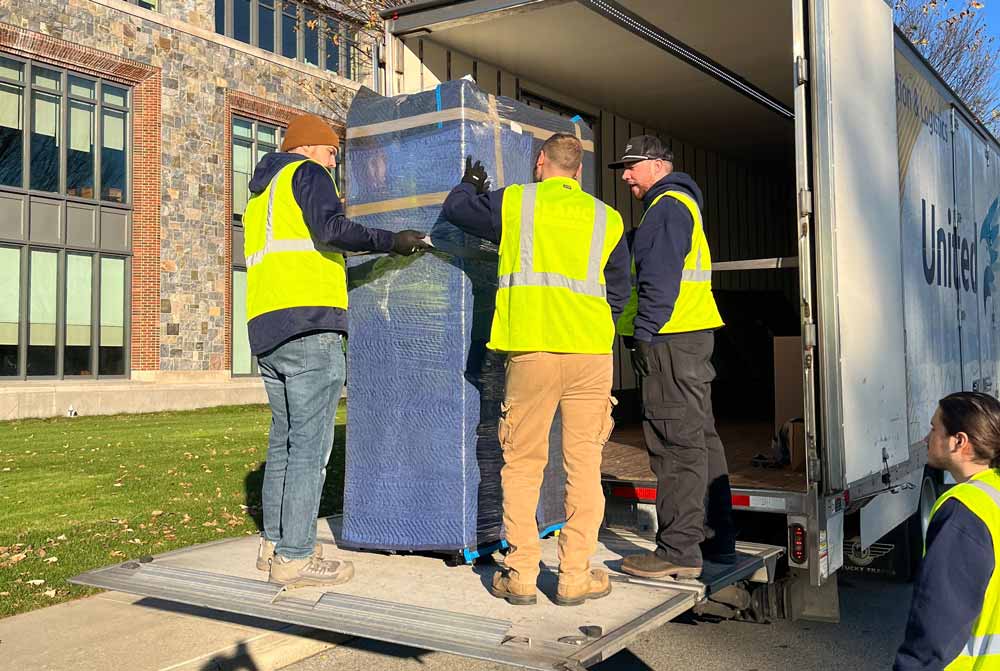
Professional Movers Organizing Packing Items

Professional packing services offered by packing and moving companies simplify the moving process by handling the hardest tasks. These services ensure belongings are packed securely, using the right materials and techniques for each item. Hiring professionals not only saves time but also provides peace of mind.

Why Choose Professional Packing Services

  • Ensure Items Are Packed Correctly: Experienced packers know how to secure fragile and valuable belongings to minimize damage. They use industry-standard methods and materials to handle even the most challenging items.
  • Save Time and Energy: Packing an entire home can take days or even weeks. Professional packers complete the job efficiently, freeing up time for families to focus on other aspects of their long-distance move.
  • Include Insurance Options for Added Protection: Many moving out of state companies offer insurance coverage with their packing services. This ensures compensation in the unlikely event of loss or damage during transit.

How to Utilize Professional Packing Services Effectively

  • Discuss Specific Needs with Movers: Communicate which items require special care, such as antiques, electronics, or family heirlooms. This ensures packers provide the necessary attention and materials.
  • Schedule Packing in Advance: Book packing services well before moving day to avoid last-minute stress. Many packing and moving companies offer flexible schedules, but early booking guarantees availability.
  • Confirm Insurance Details: Review the insurance options included with packing services. Understand what’s covered and consider additional coverage for particularly valuable items.

How to Choose Between Short-Term vs. Long-Term Storage Options

The moving storage industry has grown by 2.4% annually over the past five years, reaching a projected $23.2 billion by 2024, as more people weigh the benefits of short-term versus long-term storage based on their moving needs and the items being stored. 

Each option offers unique benefits and suits different situations, so understanding their differences helps ensure the right choice. Consider these six factors to determine the best storage solution for a stress-free long-distance move.

1. Understand the Duration of Storage Needs

Short-term storage is ideal for gaps between moving out and moving into a new home, typically lasting a few days to a few months. Long-term storage works better for extended periods, such as when downsizing, traveling, or staging a home for sale. Evaluate the timeline of the move and any uncertainties about when items will be retrieved to choose the most practical option.

2. Consider the Type of Items Being Stored

Delicate items like antiques, electronics, or artwork often benefit from climate-controlled long-term moving storage, which ensures consistent temperature and humidity levels. On the other hand, durable belongings like tools or seasonal decorations might only need basic protection in short-term storage. Knowing the type of items helps determine whether specialized storage features are necessary.

3. Assess Storage Costs Based on Budget

Short-term storage is generally more cost-effective for temporary needs, as pricing typically includes weekly or monthly rates. Long-term storage may have higher upfront costs but often comes with discounts for extended contracts. Compare quotes from packing and moving companies to find a solution that aligns with both budget and duration requirements.

4. Think About Accessibility Requirements

If frequent access to stored belongings is needed, short-term storage solutions in accessible locations are preferable. Long-term storage units may be placed further from high-traffic areas, making regular visits less convenient. Choose storage based on how often items will need to be retrieved during the move.

5. Evaluate the Move’s Complexity

For moves involving delayed possession of a new home or international relocations, long-term moving storage provides a secure solution for extended periods. Conversely, short-term storage can serve as a holding space while movers transfer items from one location to another. Consider how the storage fits into the overall logistics of the move.

6. Factor in Storage Unit Features

Short-term storage may not require advanced features like 24/7 surveillance or climate control if the duration is brief. Long-term storage, however, should prioritize added security measures and environmental protection to safeguard belongings over time. Evaluate what features are essential to the safety and condition of stored items.

How Custom Crating Ensures the Safety of Valuable and Oversized Items

When moving valuable or oversized belongings, standard packing solutions are often not enough. Custom crating provides a tailored approach, offering maximum protection for delicate, heavy, or irregularly shaped items during transit. Whether it’s for fine art, large instruments, or sensitive equipment, custom crating helps bridge the gap between traditional packing and secure, damage-free relocation, making it a crucial service provided by packing and moving companies.

1. Protects Fragile Items from Impact Damage

Fragile items like mirrors, antiques, and fine art collections are at high risk of breaking during a move. Custom crates are designed to fit the exact dimensions of these items, ensuring minimal movement inside the crate. By adding cushioning materials and shock-absorbing features, custom crating offers a level of protection that standard boxes cannot provide.

2. Provides Tailored Solutions for Oversized Belongings

Bulky items like large instruments, sculptures, or specialty equipment often don’t fit into standard boxes or packing materials. Custom crates are built to accommodate the size and weight of these items, with reinforced structures to support them. This ensures oversized belongings are handled with care, whether they’re being moved locally or stored in moving storage facilities.

3. Ensures Secure Transport for High-Value Equipment

High-value commercial equipment, such as scientific tools or computers, requires precise handling to avoid damage. Custom crates are built with advanced materials and often include features like moisture barriers or foam inserts. This makes them ideal for transporting sensitive items, especially for businesses relying on packing and moving companies to safeguard their assets.

4. Prevents Environmental Damage During Long Transit

Temperature and humidity changes during long-distance moves can cause significant damage to sensitive items like wooden furniture or artwork. Custom crates, paired with climate-controlled moving storage, create a stable environment that protects against warping, cracking, or mold. This added layer of defense is essential for preserving the condition of valuable belongings.

5. Simplifies Handling of Irregularly Shaped Items

Items with unusual shapes, such as chandeliers, vintage bicycles, or architectural pieces, pose unique challenges during a move. Custom crating ensures these irregularly shaped items are securely packed to prevent shifting or damage. Specialized features like adjustable braces or foam padding provide added stability, making these items easier to handle and transport.

6. Minimizes Risks During Loading and Unloading

Loading and unloading are among the most vulnerable moments for fragile and oversized items. Custom crates are designed with reinforced corners and handles to make moving these items safer for both the movers and the belongings. This added durability reduces the chance of accidents, ensuring items are delivered intact by packing and moving companies.


Frequently Asked Questions (FAQs)

What are the best ways to prevent pests from damaging belongings in storage?

Pests can pose a significant threat to items in storage if not addressed beforehand. To prevent infestations, always clean and dry belongings thoroughly before packing, as food residue and moisture attract pests. Use sealed plastic bins instead of cardboard boxes for long-term storage, as they are more resistant to pests. Adding pest repellents, like cedar blocks or silica packets, can provide additional protection.

Can vehicles be stored or transported during a long-distance move?

Yes, vehicles can be transported or stored during a long-distance move through specialized services. Many moving out of state companies offer vehicle shipping options using open or enclosed carriers to ensure the safety of cars, motorcycles, or boats. For temporary storage, facilities with proper ventilation and security features are ideal. It’s important to prepare the vehicle by draining fluids, disconnecting the battery, and documenting its condition before transit.

How do moving companies handle items requiring disassembly and reassembly?

For large items like beds, desks, or gym equipment, moving out of state companies provide disassembly and reassembly services. Movers use specialized tools and techniques to safely take apart furniture or equipment without damaging it. Hardware is typically labeled and packed in a secure, organized manner for reassembly at the destination. Confirming this service with packing and moving companies in advance ensures a smooth and efficient process.

Are there restrictions on what can be placed in climate-controlled storage?

Climate-controlled storage can house most household and commercial items, but there are restrictions on hazardous materials like fuels, chemicals, or flammable items. Perishable goods and live plants are also typically prohibited, as these can spoil or attract pests even in controlled environments. Sensitive items like artwork, musical instruments, and electronics benefit the most from climate-controlled units. Always check with the storage facility for specific guidelines before packing.

What should be done with perishables during a long-distance move?

Perishables, such as fresh food, frozen goods, or opened pantry items, should not be packed for long-distance moves unless they are being transported locally within 24 hours. For long-distance relocations, consider donating unopened, non-perishable items to local food banks or neighbors. If perishables must be moved, they should be packed in a cooler with ice packs and transported in a personal vehicle. It’s important to verify whether packing and moving companies allow perishables in their transport services.

Trust Clancy Relocation & Logistics for Expert Packing, Crating, and Storage on Long-Distance Moves

Clancy Relocation & Logistics provides professional packing, custom crating, and secure storage solutions to ensure every detail of a long-distance move is handled with precision. We will safeguard delicate artwork and antiques by storing valuable belongings in our climate-controlled facilities. Whether it’s residential or commercial, Clancy’s tailored services protect what matters most and make even the most complex relocations seamless. 

Contact us today to plan a move that prioritizes safety, efficiency, and exceptional care.
Table of Contents

Key Takeaways

7 Essential Steps to Find Your Ideal State

Frequently Asked Questions

Move to the Best State to Live In with Clancy Relocation & Logistics!

Key Takeaways

Define key needs like affordability, climate, and lifestyle.

Research housing, healthcare, and safety data.

Align job opportunities with career goals.

Compare living expenses across states.

Match cultural and recreational options with preferences.

Evaluate climate, risks, and geography.

Visit and experience locations firsthand.

Finding the best state to live in requires thoughtful research and planning. With so many factors to consider—like cost of living, job opportunities, lifestyle, and climate—breaking the process into manageable steps can make the decision more informed and less overwhelming. 

Here are seven essential steps to help identify the state that best aligns with individual needs and priorities, ensuring a smooth transition to a place that truly feels like home.


7 Essential Steps to Find Your Ideal State

1. Identify Priorities and Preferences

Researching the best states to live in begins with understanding individual priorities and preferences. Choosing the right state is a personal decision that depends on factors ranging from financial stability to lifestyle aspirations. A clear assessment of these elements ensures a structured approach to the decision-making process.

Understand Key Factors

To narrow down options effectively, individuals should evaluate critical factors that define their ideal living conditions.

  • Cost of Living: Includes housing, utilities, groceries, and transportation costs. States with lower cost-of-living indexes may appeal to those looking to maximize savings or live comfortably on a modest income.
  • Job Opportunities: The availability of employment in one’s field and the strength of a state’s economy are essential. Consider unemployment rates, the presence of key industries, and opportunities for career growth.
  • Lifestyle and Community: Includes factors like cultural attractions, recreational activities, and overall pace of life. A state with vibrant urban areas might suit some, while others may prefer quiet rural settings or family-friendly suburbs.


2. Gather Data on Key Metrics

When researching the best states to live in, evaluating key metrics is essential for making an informed decision. Analyzing factors like housing affordability, healthcare, education, and safety provides valuable insights into the quality of life each state offers. 

Evaluating Healthcare Quality and Accessibility

Healthcare quality and accessibility are vital considerations when searching for the best states to live in. States with robust healthcare systems contribute to a better quality of life.

  • Number of Hospitals: Check the availability of hospitals and medical facilities within each state.
  • Health Insurance Coverage: Investigate the percentage of insured residents and the availability of public health programs.
  • Healthcare Costs: Compare the average out-of-pocket expenses for medical treatments and prescriptions.
  • State Health Rankings: Review annual health reports for a comprehensive view of public health metrics in each state.


Assessing Education Standards

For families or individuals pursuing higher education, the quality of a state’s education system can be a deciding factor. Education metrics reflect opportunities for academic and personal growth.

  • K-12 School Ratings: Look into statewide rankings for elementary, middle, and high schools based on standardized testing and graduation rates.
  • Higher Education Options: Evaluate the presence of reputable universities, colleges, and trade schools.
  • Student-to-Teacher Ratios: A lower ratio often indicates more personalized instruction in classrooms.
  • State Education Spending: Research per-pupil spending as a measure of investment in education quality.


Reviewing Safety and Crime Rates

Safety is a top priority when exploring the best states to live in. A safe environment fosters peace of mind and long-term satisfaction.

  • Crime Statistics: Examine both violent and property crime rates using data from the FBI’s Uniform Crime Reporting Program.
  • Natural Disaster Risks: Investigate the frequency of hurricanes, earthquakes, or other environmental risks.


3. Evaluate Job Market Opportunities

The job market is a critical factor when determining the best states to live in, especially for those prioritizing career growth and financial stability. Analyzing employment rates, industries, and average salaries can provide insights into which states align best with personal career goals.

Understand Employment Rates

To narrow down options effectively and identify the best states to live in, individuals should evaluate critical factors that define their ideal living conditions. By carefully assessing these elements, one can make an informed decision tailored to personal needs and priorities.

  • Unemployment Rate Trends: A consistent decline in unemployment rates over recent years signals economic growth and stability.
  • State-Specific Variations: Some states have higher employment rates in specialized fields, which may align with specific professions or industries.


Research Dominant Industries

Each state’s economy is shaped by its dominant industries. Understanding these sectors helps in identifying best states to live in that support specific career paths.

  • Technology Hubs: States like California and Washington are renowned for their thriving tech industries, offering numerous opportunities in software, hardware, and innovation.
  • Healthcare Excellence: States such as Massachusetts and Minnesota have robust healthcare sectors, making them ideal for medical professionals.
  • Manufacturing and Agriculture: Midwestern states, including Indiana and Iowa, are strong in manufacturing and agriculture, catering to those in these industries.
  • Financial Services: New York has a thriving financial sector, making it appealing for careers in banking and finance.


Compare Average Salaries

While high salaries may be appealing, it is essential to compare them against the cost of living in each state. This provides a realistic view of income potential and financial stability in the best states to live in.

  • High-Earning States: States like New York and California often boast higher average salaries but also have a higher cost of living.
  • Balanced Options: States such as Texas and Colorado offer competitive salaries with a relatively moderate cost of living, providing a balanced financial scenario.
  • Industry-Specific Wages: Investigate how specific professions are compensated in different states. For instance, engineers may find higher salaries in states with a focus on technology or energy industries.


4. Analyze the Cost of Living

Understanding the cost of living is a crucial step in finding the best states to live in. A comprehensive analysis of expenses such as housing, transportation, utilities, and taxes can provide a clearer picture of how far a budget will stretch in different locations. 

Study Average Costs for Key Categories

Researching average costs across various expense categories allows for a detailed comparison of living conditions in different states.

  • Housing Costs: This includes average rent or home prices, property taxes, and home insurance rates. Housing is often the largest expense for most people, and its affordability varies widely across states. For instance, the best states to live in like Connecticut and Massachusetts typically have lower home prices compared to high-cost states like California or Hawaii.
  • Transportation Costs: Evaluate expenses such as gas prices, public transit fares, vehicle maintenance costs, and commuting distances. States with robust public transit systems, like New York or Massachusetts, may reduce car-related expenses, while more rural areas may rely heavily on personal vehicles.
  • Utility Costs: Consider costs for electricity, water, natural gas, and internet services. Utility prices are influenced by climate, energy policies, and infrastructure, with southern states often seeing higher cooling costs in summer.
  • Taxes: Research state income tax rates, sales taxes, and property taxes. For example, states like Texas and Florida have no state income tax, which can significantly impact take-home pay.


5. Consider Lifestyle and Culture

Choosing the best states to live in involves more than just economic and geographic factors. Lifestyle and culture play a significant role in determining a state’s livability and alignment with personal preferences. 

Researching Community Vibes

The character of a community can make a significant difference in day-to-day satisfaction. Evaluating the social atmosphere and local values helps individuals find the best states to live in that align with their priorities and comfort levels.

  • Urban vs. Rural Atmosphere: States often have a mix of urban and rural areas, and each comes with a distinct lifestyle. Urban settings typically offer vibrant nightlife, diversity, and convenience, while rural areas provide peace, natural beauty, and tight-knit communities.
  • Diversity and Inclusivity: For those seeking multicultural environments, states with diverse populations may provide a more inclusive and enriching experience.
  • Local Values and Social Norms: Some states are known for their progressive outlook, while others uphold traditional values. Understanding these can help avoid cultural mismatches.


Exploring Recreational Activities

Recreational opportunities vary widely across the best states to live in. Assessing these options is crucial for individuals who prioritize work-life balance and leisure activities.

  • Outdoor Activities: States with access to mountains, beaches, or national parks appeal to nature lovers, hikers, and adventurers. For instance, Colorado is ideal for skiing, while California offers year-round beach activities. When identifying the best states to live in, outdoor opportunities often play a vital role in personal satisfaction.
  • Sports and Fitness: Sports enthusiasts may prefer states with robust professional teams, college athletics, or community fitness programs. States like Texas and Pennsylvania often boast strong sports cultures.
  • Family-Friendly Recreation: Families may look for states with amusement parks, family-oriented events, or safe public spaces like playgrounds and zoos. These features can strongly influence the decision when choosing the best state to live in, ensuring both adults and children can enjoy their surroundings.


6. Assess Climate and Geography

Assess Climate and Geography

When considering the best states to live in, climate and geography play a significant role. Both the weather and the natural environment directly influence daily life, recreation, and long-term well-being. 

Seasonal Weather Patterns

Understanding a state’s seasonal weather patterns is crucial for determining long-term comfort and adaptability. Different regions offer vastly different climates, ranging from year-round warmth to four distinct seasons.

  • Temperature Ranges: Research average summer and winter temperatures to understand how extreme or mild the seasons are. For instance, southern states like Florida and Texas offer mild winters but intense summer heat, while northern states like Minnesota have cold, snowy winters but pleasant summers. This information is essential when selecting the best states to live in, particularly for individuals with specific climate preferences.
  • Rainfall and Snowfall: Analyze annual precipitation levels, especially if activities like skiing or gardening are priorities. States in the Pacific Northwest, such as Washington and Oregon, experience significant rainfall, while states like Arizona are known for their arid climates.
  • Seasonal Changes: Evaluate how distinct the seasons are. States like Vermont and Colorado offer vibrant fall foliage and snowy winters, which might appeal to those who enjoy seasonal variation. Such attributes are a key consideration when identifying the best states to live in for individuals seeking diverse weather experiences.


Natural Disaster Risks

Natural disaster potential varies by region and can significantly impact the safety and property value in a state.

  • Hurricanes: Coastal states such as Florida, Louisiana, and South Carolina are particularly vulnerable to hurricanes during specific times of the year. Since 1980, hurricanes have caused over $1.3 trillion in damages, with each event averaging $22.8 billion in losses. If you’re considering moving to one of these areas, it’s essential to be aware of the risks and plan for mitigation strategies to protect yourself and your property.
  • Tornadoes: States in the Midwest, such as Kansas and Oklahoma, lie in “Tornado Alley,” making them frequent targets of severe weather.
  • Earthquakes: West Coast states like California are known for their seismic activity, with risks varying based on proximity to fault lines.
  • Wildfires: Dry, forested states, particularly in the western U.S., such as Colorado and California, face recurring wildfire threats.
  • Flooding: Low-lying states like Louisiana and Mississippi are susceptible to floods, especially in hurricane-prone zones.


7. Visit and Test the Waters

Relocating to a new state is a significant decision, and exploring the area firsthand can provide invaluable insights. While online research is essential, nothing compares to experiencing the environment, culture, and daily life in person. 

Plan Exploratory Trips

Visiting potential states requires strategic planning to make the most of the experience. Proper preparation ensures the trip is both informative and enjoyable, ultimately helping in the decision-making process to identify the best states to live in.

  • Identify Key Cities or Areas to Explore: Focus on regions within the state that align with personal goals, such as career hubs, family-friendly neighborhoods, or vibrant cultural centers.
  • Schedule Visits During Peak Seasons: Choose times of the year that showcase the state’s typical climate and lifestyle conditions. This approach offers a realistic perspective on living conditions, helping evaluate the best states to live in from a seasonal and practical standpoint.
  • Research Local Events and Activities: Attend community gatherings, fairs, or cultural festivals to gain insight into the local vibe and lifestyle options.
  • Plan a Budget for the Trip: Factor in travel, accommodation, food, and any planned activities to avoid financial surprises. Staying within budget ensures the trip remains focused and stress-free while exploring the best states to live in.


Interact with Locals

Engaging with residents provides firsthand information that cannot be gleaned from data alone. Conversations with locals help uncover hidden gems and potential challenges in the area, making it easier to decide on the best states to live in.

  • Speak to Diverse Groups: Engage with individuals from various walks of life, such as professionals, parents, students, and retirees, to gain a well-rounded perspective.
  • Visit Community Spaces: Spend time in popular areas like parks, libraries, and coffee shops to observe daily life and interact naturally with residents.
  • Ask Specific Questions: Inquire about topics like the quality of schools, local government efficiency, recreational opportunities, and any regional challenges.
  • Explore Online Local Forums Before Visiting: Join community groups or forums for additional context on what to look for during the trip. These digital platforms offer preliminary insights that guide exploration and support choosing the best states to live in effectively.


Assess the Potential Fit

After gathering impressions and insights, evaluate whether the state aligns with personal needs and preferences. Observations made during the visit should play a significant role in deciding if it’s one of the best states to live in.

  • Evaluate Daily Commutes and Transportation: Test public transport systems, road conditions, and traffic patterns to understand the ease of getting around.
  • Observe the Cost of Everyday Living: Visit grocery stores, restaurants, and service providers to gauge the affordability of essentials.
  • Examine Community Atmosphere: Reflect on the sense of safety, friendliness, and inclusivity experienced during interactions.
  • Review Amenities and Infrastructure: Take note of nearby healthcare facilities, educational institutions, and recreational centers.


Frequently Asked Questions

What resources can help me compare different states?

Several online tools and resources can simplify comparing states, such as cost-of-living calculators, crime rate databases, and state ranking reports. Websites like U.S. News, WalletHub, and Kiplinger often publish state-by-state comparisons for housing, healthcare, and education. The U.S. Census Bureau provides detailed demographic and economic data, while niche forums and local groups offer personal insights. Social media and online communities can also connect you with current residents for firsthand opinions. 

How does population density impact my living experience?

Population density affects factors like traffic, housing availability, and access to amenities. States with high-density areas, such as New York and California, provide vibrant city life but often come with congestion and higher living costs. Lower-density states like Montana or Wyoming offer peace and solitude but may lack diverse entertainment or job options. Consider your preference for urban, suburban, or rural living to balance population density with convenience. 

What are the advantages of moving to a less populated state?

Less populated states like Wyoming and North Dakota offer quieter lifestyles, reduced traffic, and often lower costs of living. These states also provide opportunities for outdoor recreation and closer-knit communities. You may find more affordable housing and a slower pace of life that promotes work-life balance. However, they might lack big-city amenities or diverse job markets, which could be a drawback for some.

How can I decide between two equally appealing states?

To decide between two appealing states, create a pros and cons list for each, considering factors like cost, job market, and personal preferences. Visit both states, if possible, to experience the lifestyle and community firsthand. Consider long-term goals, such as career advancement or retirement plans, and how each state supports them. Talking to residents or joining local social media groups can provide insider perspectives..

What are the typical costs associated with moving to another state?

The costs of moving include expenses like hiring movers, renting a moving truck, or shipping belongings. Additional costs include gas, airfare, temporary accommodations, and utility connection fees in your new home. If you’re renting or buying, you may also face deposits, closing costs, or down payments. Factor in unexpected expenses, such as repairs or new furniture, to avoid surprises.

Move to the Best State to Live In with Clancy Relocation & Logistics!

Relocating to or from Massachusetts is made simple and stress-free with Clancy Relocation & Logistics. Whether it’s a local move within Massachusetts or a transition to one of the best states to live in, Clancy’s expert team ensures every detail is handled with precision and care. From professional packing to secure transportation, every step is tailored for a smooth and efficient experience. 

Begin the journey to your new home in the best state to live in today with Clancy Relocation & Logistics—the trusted partner for seamless moves in Massachusetts and beyond.

Connecticut consistently ranks among the best states to live in, offering a unique blend of cultural heritage, economic opportunity, and natural beauty. With a high standard of living, excellent education options, and easy access to major metropolitan areas, it appeals to families, professionals, and retirees alike.

Here are the seven factors that make Connecticut a standout choice.

Table of Contents

1. Quality Education System

2. Robust Economy

3. Beautiful Scenery and Natural Attractions

4. Proximity to Major Cities

5. Low Crime Rates

6. Rich Cultural and Historical Heritage

7. High Standard of Living

Frequently Asked Questions

Discover a New Home in CT with Clancy Relocation & Logistics!


1. Quality Education System

quality education system

Connecticut takes pride in its exceptional education system, which is a cornerstone of its reputation as one of the best states to live in. From public schools to prestigious universities, education is a priority across the state.

Features of the Education System

  • Renowned Public and Private Schools: Connecticut consistently ranks high in national education assessments, with public schools excelling in academics, arts, and sports. Private institutions offer specialized programs and small class sizes.
  • Prestigious Universities: The state is home to Yale University, one of the top Ivy League schools in the world, alongside other respected institutions like the University of Connecticut and Wesleyan University.


2. Robust Economy

Robust Economy

A thriving and diverse economy further solidifies Connecticut’s position among the best states to live in. The state is a hub for industries that drive innovation and offer ample job opportunities.

Key Economic Highlights

  • Diverse Job Opportunities: Major sectors include finance, valuation, technology, manufacturing, and healthcare, providing a broad range of career paths.
  • Global Industry Leaders: Connecticut hosts several Fortune 500 companies, such as United Technologies and Travelers Valuation, making it a prime location for ambitious professionals.


3. Beautiful Scenery and Natural Attractions

Beautiful Scenery and Natural Attractions

Connecticut’s natural beauty is a compelling reason why many consider it one of the best states to live in. With its charming coastline, vibrant seasons, and lush landscapes, it offers plenty for outdoor enthusiasts and those seeking tranquility.

Notable Attractions and Features

  • Scenic Coastline: Stretching along Long Island Sound, Connecticut offers stunning beaches, quaint harbor towns, and opportunities for sailing and fishing.
  • Picturesque Towns and Countryside: Small towns like Mystic and Essex showcase classic New England charm, while rural areas boast rolling hills and forests ideal for hiking and biking.
  • Seasonal Beauty: From breathtaking fall foliage to serene snow-covered landscapes in winter, the state celebrates the changing seasons in style.


4. Proximity to Major Cities

Proximity to Major Cities

One of Connecticut’s standout features is its strategic location, providing residents with easy access to major metropolitan areas. This connectivity enhances career opportunities, entertainment options, and travel convenience.

Advantages of the Location

  • Proximity to New York City and Boston: Connecticut is nestled between two iconic cities, making it perfect for commuters and those who want to enjoy city life without the high living costs.
  • Efficient Transportation Infrastructure: With a robust network of highways, commuter rail services, and regional airports, travel is seamless.


5. Low Crime Rates

Safety is a top priority for individuals and families considering the best states to live in, and Connecticut delivers. It boasts some of the lowest crime rates in the nation, making it an appealing choice for those seeking a secure environment. In fact, Connecticut boasts the fourth-lowest violent crime rate in the nation, with just 150 incidents per 100,000 residents.

Key Aspects of Safety

  • Safe Neighborhoods and Communities: Towns like Ridgefield and Newtown stand out for low crime and welcoming environments. Ridgefield, the safest city in Connecticut, reported zero violent crimes, while Newtown ranks second for safety.

Highlights of Connecticut’s Safest Cities:

  • Ridgefield Leads Again: Ridgefield remains Connecticut’s safest city for the second year in a row.
  • Newtown Rises to Second: Newtown climbed one spot to rank as the second safest city this year.
  • Drop in Violent Crime: Ridgefield, Wallingford, New Milford, and Torrington saw declines in violent crime rates compared to last year.
  • Ridgefield’s Impressive Stats: Ridgefield reported zero violent crimes and just 34 property crimes, the lowest in the state.
  • Fewest Burglaries: Ridgefield (2) and Simsbury (9) recorded fewer than 10 burglaries, showcasing exceptional safety.


6. Rich Cultural and Historical Heritage

Rich Cultural and Historical Heritage

Connecticut’s deep-rooted cultural and historical significance adds to its appeal as one of the best states to live in. The state offers diverse activities for history buffs, art lovers, and cultural enthusiasts.

Highlights of Cultural Attractions

  • Museums and Historic Sites: Connecticut has landmarks like the Mark Twain House, Mystic Seaport Museum, and Wadsworth Atheneum, offering insights into American history and culture.
  • Vibrant Arts Scene: Residents can enjoy Broadway-caliber productions at regional theaters, art galleries, and annual cultural festivals celebrating local talent.


7. High Standard of Living

A high standard of living rounds out the factors that make Connecticut one of the best states to live in. With excellent healthcare, a balanced lifestyle, and strong community ties, the state is well-suited for residents at every stage of life.

Components of the Standard of Living

  • Excellent Healthcare Facilities: Connecticut is home to top-rated hospitals and specialized care centers, ensuring residents have access to quality medical care.
  • Balanced Urban and Suburban Living: The state offers a mix of bustling cities like Stamford and Hartford alongside serene suburban areas, providing options to suit different lifestyles.
  • Strong Sense of Community: Local events, farmers’ markets, and recreational activities foster a close-knit and supportive environment.


Frequently Asked Questions

What is the cost of living in Connecticut? 

The cost of living in Connecticut is approximately 13% above the national average. Housing costs are notably higher, at about 23% above average, while utility expenses exceed the national average by 31%. Necessities like groceries are around 2% more expensive, and clothing costs are roughly 10% higher. Healthcare services, including doctor visits and dental care, are 9% more expensive compared to the national average. Additionally, non-essential expenses such as entertainment and personal grooming services tend to be 10% higher, reflecting the state’s overall elevated cost of living.

What kind of housing options are available in Connecticut?

Connecticut offers diverse housing options, from colonial-style homes in historic towns to modern apartments in urban areas. Coastal towns provide waterfront properties, while rural areas offer spacious and affordable living. Suburban neighborhoods cater to families with safe communities and great schools. Luxury homes are common in affluent areas, while cities like New Haven have affordable rentals. The state has options for every lifestyle and budget.

What outdoor activities are available in Connecticut?

Connecticut is ideal for outdoor enthusiasts, offering hiking, biking, and boating opportunities. The state’s coastline is perfect for beach outings, fishing, and sailing. Inland, there are state parks like Sleeping Giant and Talcott Mountain for hiking and picnics. Winter sports, like skiing and snowshoeing, are also popular. Connecticut’s natural beauty makes outdoor recreation accessible year-round.

How is Connecticut’s food scene?

Connecticut is famous for its culinary diversity, including its signature New Haven-style pizza. The state boasts coastal seafood specialties like lobster rolls and clam chowder. Farmers’ markets and local eateries highlight fresh, seasonal ingredients. International cuisines are widely available, particularly in urban areas. Food lovers enjoy a rich variety of dining options across the state.

What makes Connecticut family-friendly?

Families thrive in Connecticut thanks to excellent schools, safe neighborhoods, and family-friendly activities. Parks, museums, and community centers cater to children of all ages. Suburban areas like West Hartford and Fairfield offer a balanced lifestyle with access to amenities. Healthcare and childcare services are widely available. Connecticut’s family-oriented focus makes it ideal for raising children.

Discover a New Home in CT with Clancy Relocation & Logistics!

Connecticut with Clancy Relocation and Logistic

A move to CT becomes effortless with the professional services of Clancy Relocation & Logistics. From the safety of Ridgefield to the charm of Newtown, and across Connecticut’s picturesque towns, Clancy delivers reliable and tailored moving solutions. With every detail managed with precision, the transition to a new home in CT is smooth and worry-free.

Clancy Relocation & Logistics ensures a seamless process for those choosing CT, celebrated as one of the best states to live in. Begin the next chapter with confidence by partnering with a trusted relocation expert.

Contact Clancy Relocation & Logistics now!

Key Takeaways

Start preparations at least two months to ensure every detail is addressed.

Reduce clutter by sorting items into “keep,” “donate,” and “discard” categories before packing.

Select licensed, insured movers with positive reviews to handle belongings carefully.

Use quality packing materials and clear labeling to protect items and simplify unpacking.

Pack a box with essential items for the first day or two in the new home.

Notify utility providers, financial institutions, and other services about the address change in advance.

Confirm logistics with movers, keep supplies ready, and stay hydrated to streamline moving day.

Protect fragile and valuable items with proper packing materials and clear labeling.

Assign age-appropriate tasks to family members to make the move efficient and collaborative

Focus on unpacking essential areas first to quickly create a comfortable and functional home.

Moving to a new home marks the beginning of an exciting chapter in life, but it often comes with a fair share of challenges. For starters, transporting belongings can quickly feel overwhelming without the right approach. Fortunately, with proper planning and expert guidance, the experience can be transformed into a smooth and stress-free journey.

Here are 10 expert-approved strategies that provide practical solutions and ensure a seamless move with the help of professional movers near me.

10 Essential Tips for a Seamless Residential Move

1. Plan Early and Create a Timeline

A successful move begins with a solid plan. Without a clear strategy, tasks can quickly become overwhelming, leaving little room for error or unexpected circumstances. Experts emphasize starting the planning process at least two months before the moving date to ensure sufficient time to organize every detail and prevent last-minute chaos.

Why Early Planning Matters

Creating a well-structured timeline provides a roadmap for the entire moving process. Early preparation allows for strategic decisions, smoother coordination, and the ability to address challenges proactively.

  • Set Milestones: Breaking the move into smaller, actionable tasks makes the process more manageable. Milestones might include booking a reliable house moving service, gathering packing materials, packing individual rooms, and notifying utility companies of the move. Assign realistic deadlines for each task to ensure nothing is overlooked.
  • Budget Wisely: Creating a detailed budget is a crucial step in managing your finances effectively. It allows you to plan for and prioritize key expenses, ensuring you have a clear understanding of where your money is going. A well-structured budget can help you avoid financial strain by identifying potential shortfalls and enabling you to make adjustments before they become issues. By allocating funds for essential costs, savings, and unexpected expenses, you can maintain financial stability and achieve your financial goals with greater confidence.
  • Prepare for Unforeseen Issues: Moving can be unpredictable, with potential disruptions such as bad weather, last-minute schedule changes, or delays with house moving services. Early planning allows for contingency measures, such as flexible scheduling with residential movers or alternative transportation arrangements.


2. Declutter and Organize

Decluttering is one of the most effective ways to streamline the moving process. By eliminating unnecessary items, homeowners reduce the volume of belongings to pack and transport, which can significantly lower costs. Beyond the financial benefits, research shows that an uncluttered and organized space enhances productivity, reduces irritability, and helps individuals process information more effectively.

How to Declutter Effectively

Decluttering may seem daunting, but following a systematic approach can make it an empowering and transformative process.

  • Take Inventory: Conduct a thorough inventory of belongings, assessing their necessity and usefulness. Categorize items into “keep,” “donate,” “sell,” or “discard” groups. For example, seasonal clothing, outdated electronics, or furniture that won’t fit the new space may be better suited for donation or sale. Keeping only essential and meaningful possessions ensures that the new home remains uncluttered.
  • Host a Garage Sale: Organizing a garage or yard sale is a practical way to dispose of unwanted items while earning extra cash for moving expenses. Items like old furniture, books, and gently used appliances often sell well in local sales. Ensure proper advertising in the neighborhood or online platforms to maximize attendance.
  • Donate to Charities: Items that are no longer needed but still in good condition can be donated to charitable organizations or thrift stores. Many charities also offer pick-up services, making the donation process simple and convenient. This helps lighten the load while benefiting the community.


3. Hire Professional Movers

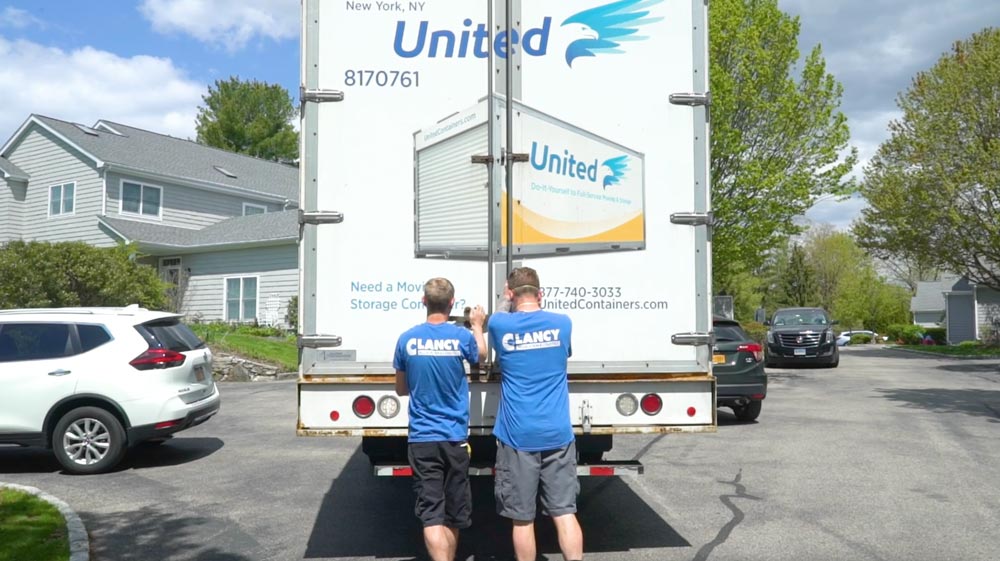
Clancy Relocation & Logistic Mover Sealing Storage

Hiring residential movers is one of the best ways to ensure a smooth and hassle-free relocation. These experts bring specialized skills, equipment, and efficiency to the process, making it easier to handle the complexities of moving. Searching for “professional movers near me” online is a great starting point for finding reliable assistance.

Tips for Finding the Right Movers

The right moving company can make a significant difference in the quality of the moving experience. Taking the time to select the best house moving service ensures peace of mind and the safe transport of belongings.

  • Research Thoroughly: Look for residential movers with strong reviews and ratings on platforms like Yelp, Google Reviews, and the Better Business Bureau to find reliable and professional options.
  • Ask for Referrals: Seek recommendations from friends, family, or neighbors who can provide first-hand insights into trustworthy movers and their experiences.
  • Check Licensing and Valuation: Ensure the professional movers near me are licensed and insured to meet regulatory standards and cover potential damages, especially for interstate moves requiring U.S. Department of Transportation registration.
  • Inquire About Services: Confirm what is included, such as full-service options like packing, or if the company only handles transportation. This ensures that the service aligns with specific moving needs.


4. Pack Smart and Label Efficiently

Packing can be time-consuming in a house moving service, but strategic methods make it more manageable and ensure a smoother unpacking process. Proper labeling and organization save time and prevent confusion.

Packing Tips from the Pros

To ensure a smooth process, residential movers recommend following best packing practices. 

  • Gather the Right Supplies: Use quality packing materials like sturdy boxes, bubble wrap, tape, and markers to protect your belongings and prevent damage. Specialty boxes are ideal for items like mirrors or dishes.
  • Pack Room by Room: Focus on one room at a time to stay organized and make unpacking easier by placing items directly in their respective spaces.
  • Label Boxes Clearly: Label each box with its room and a brief description of contents, such as “Kitchen – Pots and Pans,” to help movers know where to place them.
  • Use Color-Coding: Assign each room a color and use corresponding tape or stickers for quick identification at a glance.
  • Pack Heavier Items First: Place heavier items at the bottom of boxes and fragile or lighter items on top, using cushioning materials as needed.


5. Create an Essentials Box

An essentials box holds all the items needed for the first day or two in the new home, which helps prevent the frustration of searching through packed boxes for necessities. This significantly reduces stress and ensures that the transition is as comfortable as possible.

Essentials to Include

When preparing an essentials box for a house moving service, think about the items required to meet immediate needs upon arrival. 

  • Toiletries: Include everyday items like toothpaste, toothbrushes, soap, shampoo, conditioner, and toilet paper. Don’t forget hand towels and any personal hygiene products used regularly.
  • Clothing: Pack a change of clothes, pajamas, and comfortable footwear for each family member. This ensures that everyone can rest and feel at ease after a long moving day.
  • Medications: Include all prescription medications, a basic first-aid kit, and over-the-counter essentials like pain relievers or allergy medicine. Having these items readily available is crucial in case of an emergency.
  • Important Documents: Keep critical paperwork such as IDs, passports, moving contracts, medical records, and valuation documents in the essentials box. These items should always remain with the homeowner to avoid misplacement.
  • Basic Kitchen Items: Pack a few snacks, disposable plates, utensils, cups, and a small coffee maker or kettle. These items help maintain comfort and convenience before the kitchen is fully unpacked.


6. Update Important Information

Updating information is a critical but often overlooked part of the moving process. Failing to notify the appropriate parties can lead to service interruptions, missed bills, and communication gaps. Taking the time to handle these updates well before moving day prevents unnecessary complications.

Who to Notify About the Move

Several key updates should be made to ensure a seamless transition.

  • Utility Providers: Schedule the disconnection of utilities at the current home and their reconnection at the new address. This includes electricity, water, gas, internet, and trash collection. Coordinate these changes to ensure services are active upon arrival at the new home.
  • Postal Service: Submit a change-of-address request to the postal service to forward mail to the new address. This prevents important correspondence from being lost or delayed during the transition.
  • Banks and Credit Card Companies: Notify financial institutions about the move to ensure timely receipt of statements, bills, and notifications. Updating the address also minimizes the risk of fraud or account discrepancies.
  • Healthcare Providers: Inform doctors, dentists, and pharmacies of the change to ensure continuity of care. Additionally, request copies of medical records or prescriptions if switching providers.
  • Schools and Employers: Notify schools about the move to facilitate the transfer of records if children are switching schools. Inform employers to update contact information for payroll, benefits, and tax purposes.


7. Prepare for Moving Day

Moving day is the culmination of all the preparation and planning. It can often feel overwhelming, but being well-prepared ensures a smoother and more organized experience. With a solid plan in place, homeowners can minimize disruptions and handle the day with confidence.

Key Preparations for Moving Day

Taking a few key steps in advance helps keep the day on track and reduces unnecessary stress.

  • Confirm Arrangements: Contact the residential movers to verify their arrival time, the details of the moving contract, and any specific instructions. This ensures that everyone involved is on the same page, avoiding delays or misunderstandings.
  • Prepare for Weather: Check the weather forecast and have contingency plans in place. For example, keep tarps handy for rain, wear appropriate clothing for heat, or prepare salt for icy walkways in winter.
  • Keep Supplies Handy: Set aside a “moving day kit” that includes scissors, tape, garbage bags, and cleaning supplies. These items can be lifesavers for last-minute needs, such as sealing a box or cleaning a space before leaving.
  • Stay Hydrated: Moving is physically demanding, so it’s essential to pack water bottles and easy-to-eat snacks like granola bars or sandwiches. Keeping everyone hydrated and energized ensures productivity throughout the day.
  • Secure Valuables: Personal documents, jewelry, and cash should remain with the homeowner rather than being packed with other belongings. Keeping these items in a designated bag ensures they’re accessible and protected.


8. Handle Valuables and Fragile Items Carefully

Certain belongings, such as fragile or high-value items, require extra care during a move. Protecting these possessions ensures they arrive at the new home intact and unharmed. Employing specialized packing methods and services minimizes the risk of damage.

Best Practices for Fragile and Valuable Items

As recommended by professional movers near me, careful handling and proper preparation go a long way in safeguarding cherished belongings.

  • Wrap with Care: Use bubble wrap, foam padding, or packing paper to cushion delicate items like glassware, ceramics, and picture frames. Place additional padding between items to prevent them from shifting and breaking.
  • Use Hard-Sided Containers: When it comes to transporting valuable items such as jewelry, electronics, or collectibles, hard-sided, lockable containers are a smart choice. These containers provide enhanced protection against impact and theft, giving you peace of mind. Some local movers, like Clancy, also recommend that customers take certain valuable or personal items with them during the move for added security. Be sure to ask your movers if they have specific guidelines or advice about which items you should personally transport to ensure everything arrives safely
  • Label Fragile Boxes Clearly: Mark boxes containing breakables with “Fragile” and “Handle with Care” labels. This alerts professional movers to exercise caution when handling these items.
  • Consider Specialty Services: If you need to move unique or high-value items such as pianos, chandeliers, wine collections, or sculptures, it’s essential to hire professional movers experienced in handling these delicate belongings. For example, Clancy Relocation & Logistics specializes in the safe transportation of antiques, fine art, and other valuable possessions. They use advanced equipment and proven techniques to protect these items throughout the moving process, ensuring they arrive at their destination in pristine condition.


9. Involve the Whole Family

Moving is not just a logistical challenge; it’s also a family event. Involving everyone in the process makes the move more efficient and enjoyable while fostering a sense of teamwork. Assigning tasks and responsibilities allows each member to contribute meaningfully.

Ways to Engage the Family

When everyone works together, the moving process becomes smoother and less stressful. 

  • Assign Tasks by Ability: Give age-appropriate responsibilities to each family member. For example, children can pack toys and label boxes, teenagers can handle lighter furniture, and adults can manage heavier or more complex tasks.
  • Create a Reward System: Keep morale high by offering small rewards or breaks. Treats like snacks, favorite meals, or a family outing after moving day can serve as motivation and make the process more enjoyable.
  • Prepare Pets for the Transition: Moving can be stressful for pets, so plan ahead to ensure their safety and comfort. Arrange for pets to stay in a quiet, secure space on moving day, or consider boarding them temporarily.


10. Settle In Smoothly

After the boxes are unloaded and the moving truck departs, the process of settling into the new home begins. Unpacking and organizing can feel overwhelming, but a systematic approach helps homeowners transform their space into a comfortable and functional environment quickly.

Steps for a Comfortable Transition

Focusing on essential areas first ensures that the new house starts feeling like home right away.

  • Unpack Bedrooms First: Start by setting up beds and unpacking bedding. A good night’s sleep is essential after a long day of moving, and having bedrooms ready helps create a sense of normalcy.
  • Organize the Kitchen: Unpack kitchen essentials, such as utensils, cookware, and everyday appliances, to make meal preparation easier. Prioritize items like plates, cups, and the coffee maker for immediate use.
  • Tackle Common Areas Last: Living rooms and decorative touches, like hanging artwork or arranging furniture, can be addressed once the functional spaces are complete. This allows homeowners to focus on comfort and utility first.
  • Explore the Neighborhood: Take some time to walk or drive around the new area. Familiarizing nearby grocery stores, schools, parks, and restaurants helps create a sense of connection to the community.

Frequently Asked Questions

Do moving companies offer a valuation for my belongings?

Most moving companies provide basic liability coverage, but they may not fully reimburse the value of your belongings. This coverage typically compensates based on weight, not actual value, which can be insufficient for high-value items. Many movers offer additional valuation options for comprehensive protection. Alternatively, you can purchase third-party moving valuation to cover any gaps. 

What is the best time of year to move?

The best time of year to move depends on your priorities, such as cost, convenience, and weather. Summer is the busiest moving season, offering ideal weather but higher prices and limited availability for movers. Winter moves are often more affordable but can present challenges like snow or icy conditions. Spring and fall offer a balance, with moderate weather and more flexible scheduling. Consider consulting reliable movers like Clancy Relocation & Logistics for specific advice to ensure the most accurate and helpful information for your move.

How far in advance should I book a moving company?

Booking a moving company at least four to six weeks in advance is ideal, especially during the busy summer months. Early booking ensures availability and often allows for better pricing options. If you’re moving during an off-peak season, two to three weeks might suffice, but it’s always better to book earlier to avoid last-minute stress. Keep in mind that certain times of the month, like weekends or the end of a lease cycle, may require even more lead time. 

How can I save money on a residential move?

Saving money on a move involves strategic planning and resourcefulness. Declutter beforehand to reduce the number of items you need to transport, which can lower moving costs. Consider renting a truck and enlisting friends to help if professional movers are out of budget. Look for free or low-cost packing materials, such as used boxes from local stores or community groups. Finally, schedule your move during off-peak times, like mid-week or mid-month, when rates are typically lower. 

What should I do if my belongings are damaged during the move?

If your belongings are damaged during a move, document the damage immediately by taking photos and making notes. Notify the moving company as soon as possible, ideally on the day of the move. Most companies require you to file a claim within a specific timeframe, so review their policy and adhere to deadlines. Provide all necessary documentation, such as photos, receipts, or the inventory list, to support your claim. In some cases, additional valuation may offer greater reimbursement if basic coverage is insufficient.

Simplify the Moving Process with Clancy Relocation & Logistics!

A stress-free move begins with expert assistance. Clancy Relocation & Logistics delivers customized solutions to ensure every step of the relocation process is handled with precision and care. From packing and transportation to unpacking at the new destination, each detail is managed to guarantee a smooth and efficient transition. 

Trust in Clancy Relocation & Logistics for reliable service that turns a complex move into an organized and seamless experience. Connect with us today!

Moving to a new state is an exciting chapter, but it also comes with its share of financial challenges. Proper planning and budgeting are essential to keep expenses under control. According to Angi’s data, the average cost of a local move in the U.S. is $1,692, while the average cost of a long-distance move is $4,401. With these costs in mind, the importance of implementing effective strategies becomes clear. 

Here are seven practical tips to help manage your budget during an interstate moving process.

1. Plan Early and Set a Budget

Creating a well-structured plan during interstate moving is the foundation of a successful and cost-effective move. Early planning allows individuals to foresee expenses and allocate resources appropriately.

Why Budgeting Matters

Budgeting helps provide a clear overview of financial commitments during the move and avoids last-minute surprises. 

  • Break Down All Potential Expenses: This includes moving company fees, packing materials, transportation costs, temporary housing, and utility setup. Each category should have a specific allocation to avoid going over budget.
  • Use Budgeting Tools or Apps: Platforms like Excel spreadsheets can help track and categorize expenses, offering a clear snapshot of spending.
  • Plan for Emergencies: Allocate 10–15% of the budget for unexpected costs such as vehicle repairs or extended lodging.

2. Create a Moving Checklist

A comprehensive moving checklist is an essential tool for staying organized and avoiding unnecessary expenses during an interstate moving process. It helps individuals focus on what needs to be done while ensuring nothing is overlooked.

How a Moving Checklist Saves Money

A well-thought-out checklist not only keeps tasks on track but also minimizes wasteful spending and last-minute scrambles.

  • Prioritize Tasks by Timeline: Break down tasks into phases, such as two months before the move, two weeks before, and moving day. This approach prevents rushed decisions that can lead to overspending.
  • Track Necessary Services and Appointments: Include steps like canceling utilities, scheduling transportation, and registering at a new address to avoid late fees or overlooked obligations.

3. Declutter Before the Move

Moving fewer items can significantly reduce costs during interstate moving. Decluttering not only saves money but also simplifies the packing process.

Benefits of Decluttering

Reducing the number of belongings transported leads to lower moving costs and a fresh start in the new home.

  • Sell Unwanted Items: Host a garage sale or list items on platforms like Facebook Marketplace or eBay. The extra cash can go toward moving expenses.
  • Donate Usable Goods: Many charities accept clothing, furniture, and household items in good condition, benefiting both the mover and those in need.
  • Recycle or Dispose Responsibly: Items that cannot be sold or donated should be recycled or disposed of properly to minimize waste.

4. Pack Smartly and Save on Materials

Interstate Mover Planning Process

Packing supplies during interstate moving can quickly add up, but there are several ways to minimize these costs without compromising the safety of belongings.

Cost-Effective Packing Strategies

With a little creativity, it’s possible to save on packing materials while ensuring items are well-protected.

  • Use Free or Inexpensive Materials: Source free boxes from local stores or online community groups. Use household items like towels, blankets, and newspapers for padding.
  • Maximize Box Space: Pack items tightly to minimize the boxes needed. Avoid leaving empty spaces that could require extra packing material.
  • Label and Organize: Proper labeling saves time when unpacking and reduces the risk of misplaced or damaged items.

5. Time Your Move Strategically

The timing of a move can have a significant impact on the overall cost. Strategic scheduling can lead to substantial savings.

How Timing Affects Costs

Understanding peak and off-peak periods helps individuals secure better rates for interstate moving services.

  • Move During the Off-Season: Avoid peak moving times like summer months, holidays, and weekends. Moving during the fall or winter often results in lower rates.
  • Book Early: Lock in preferred dates and rates by reserving movers well in advance. Last-minute bookings tend to be more expensive.

6. Monitor and Adjust Expenses During the Move

Even with the best-laid plans, it’s crucial to stay on top of expenses as they arise during the move.

Tracking Costs in Real Time

Monitoring spending ensures the budget remains on track and avoids overspending.

  • Keep Detailed Records: Document every expense, from gas receipts to lodging costs, to identify trends and make necessary adjustments.
  • Avoid Impulse Purchases: Stick to the budget and avoid buying unnecessary items or services during the move.

7. Evaluate Valuation Options to Protect Belongings

Understanding valuation is an important step in managing costs during an interstate moving process. Valuation is the mover’s liability for lost or damaged items, and choosing the right option can help save money while ensuring belongings are protected.

How Valuation Cuts Costs

Making informed decisions about valuation coverage reduces financial risks and unnecessary expenses.

  • Know the Types of Valuation: Movers typically offer two options—basic (released value) and full-value protection. Basic coverage is free but only reimburses at a minimal rate (e.g., 60 cents per pound), while full-value protection covers the cost of repairing or replacing items.
  • Assess the Value of Belongings: For non-valuable or easily replaceable items, basic valuation may be sufficient. For high-value items, investing in full-value protection can prevent significant financial loss.
  • Avoid Overlapping Costs: Check existing policies, like homeowner’s insurance, to see if additional protection is unnecessary.

Frequently Asked Questions

What are the common challenges of an interstate move, and how can I overcome them?

Challenges include coordinating logistics, managing costs, and dealing with the stress of a long-distance relocation. To mitigate these, start planning early, hire a reliable moving company, and stay organized with checklists and timelines. Be prepared for unexpected delays and have contingency plans, such as temporary accommodations or flexible delivery options. 

How do I handle utilities and address changes for an interstate move?

Schedule disconnections for utilities at your old residence and set up connections for the new one ahead of your move. File a change of address with the USPS to forward mail and notify banks, insurance providers, and subscription services. Keep a checklist to ensure no service is overlooked during the transition. 

What should I do if my moving date changes?

Inform your moving company as soon as you know about a change in your moving date. Many companies can accommodate changes, but availability may depend on how early you notify them. Adjust other arrangements, such as utilities or lodging, to align with the new timeline.

How far in advance should I plan my interstate move?

It’s recommended to start planning at least 8-12 weeks before your desired moving date. This timeline allows for thorough research, decluttering, and securing a reliable moving company. Early preparation ensures availability, especially during peak moving seasons like summer. It also gives you time to address logistical issues, such as transferring utilities and updating your address.

How should I choose an interstate moving company?

Choosing an interstate moving company requires thorough research. Look for companies licensed by the Federal Motor Carrier Safety Administration (FMCSA) and verify their USDOT number. Read customer reviews, ask for references, and compare multiple quotes to find one that aligns with your budget and needs. 

Streamline Interstate Moves with Expert Assistance!

Clancy Relocation & Logistics provides comprehensive solutions for managing the complexities of long-distance relocations. Every step of the process is carefully handled with precision, ensuring a seamless transition to the next destination. From personalized planning and packing to secure transportation and on-time delivery, every detail is meticulously managed to meet individual needs.

With a focus on efficiency, reliability, and tailored services, Clancy Relocation & Logistics delivers high-quality support for interstate moving, helping to make the journey as smooth and stress-free as possible. Whether it’s moving cherished belongings or coordinating logistics with care, trust the expertise that comes with years of proven experience. 

Contact Clancy Relocation & Logistics now to get started!

Relocating a data center is a complex, mission-critical task requiring meticulous planning and expertise. It involves not just the physical movement of hardware but also the seamless transfer of data, processes, and operational continuity. The stakes are high, with potential risks including extended downtime, data loss, or compliance violations. In 2023, the US data center market was estimated at $99.97 billion, underscoring the significant value and critical nature of these operations. Leading moving companies emphasize a structured and strategic approach to ensure a successful relocation.

Here are six detailed and practical strategies to achieve a smooth and efficient data center relocation.

1. Comprehensive Assessment and Risk Planning

Every successful relocation begins with a meticulous assessment of the current infrastructure and an evaluation of risks. This foundational step helps organizations anticipate challenges and design effective solutions.

Assess Your Infrastructure

As per moving companies, a detailed understanding of your existing data center setup is essential to avoid oversights during the move:

  • Inventory Documentation: Create a detailed record of all physical assets, including servers, networking equipment, storage devices, and cables. Document configurations, dependencies, and physical placement.
  • Dependency Mapping: Identify how systems interact and depend on one another. This ensures critical applications are prioritized and functional dependencies are maintained.
  • Capacity Analysis: Evaluate whether the new location meets power, cooling, and space requirements for current and future needs.

Risk Mitigation Strategies

Identifying and addressing risks reduces the chances of disruptions during the relocation:

  • Equipment Sensitivity: Categorize hardware based on fragility and criticality. Implement special handling or packaging for delicate equipment.
  • Compliance Requirements: Verify that sensitive data will be transported and stored in compliance with regulatory standards like GDPR, HIPAA, or PCI-DSS.
  • Contingency Planning: Prepare for unexpected delays, hardware failures, or other disruptions. Develop a fallback strategy to keep operations running.

2. Strategic Downtime Management and Data Protection

Minimizing downtime is one of the most critical goals of a data center relocation. In parallel, safeguarding data is essential to avoid catastrophic loss or breaches.

Minimizing Downtime

The key to limiting disruptions is a carefully crafted downtime strategy:

  • Phased Migration: Move systems incrementally to allow certain components to remain operational while others are in transit. This reduces the operational impact.
  • Virtualization Solutions: Use virtualized environments to temporarily host critical applications, ensuring they remain accessible during the transition.
  • Failover Mechanisms: Implement failover systems or disaster recovery sites to maintain availability during the move.

Data Protection Plan

Data is the lifeblood of any organization. Ensuring its safety during relocation is paramount:

  • Pre-Move Backups: Create comprehensive backups of all data to safeguard against accidental loss or corruption. Test backups to ensure integrity.
  • Encrypted Transfers: Use secure and encrypted methods to move sensitive data between locations.
  • Validation Processes: After relocation, conduct rigorous data validation to confirm accuracy and integrity before resuming operations.

3. Professional Relocation Services

Hiring specialized moving companies for data center relocation is one of the most effective ways to streamline the process and mitigate risks. Their expertise ensures that even the most complex moves are handled efficiently.

Partner with the Right Professionals

Not all moving companies are created equal; selecting one with data center relocation experience is vital:

  • Specialized Equipment Handling: Professionals use anti-static materials, climate-controlled transportation, and custom packaging to safeguard hardware.
  • Installation Services: Moving companies with technical expertise can assist with racking, cabling, and configuring equipment in the new location.
  • Compliance Expertise: Experienced providers are familiar with industry regulations, ensuring that equipment handling and data transfer remain compliant.

4. Testing and Post-Move Validation

Even the most carefully planned relocation requires thorough testing after the move. Testing ensures systems are operational, and any issues are addressed before normal operations resume.

System Testing

Testing is a multi-layered process that covers both hardware and software functionality:

  • Hardware Functionality: Inspect each device for signs of physical damage or performance issues after installation.
  • Application Performance: Validate that all applications run as intended, with no errors or lags caused by the relocation.
  • Network Connectivity: Confirm that all connections, including switches, routers, and firewalls, are operational and properly configured.

Post-Move Support

Relocations often reveal unforeseen issues that need immediate resolution:

  • Monitoring Solutions: Implement real-time monitoring tools to detect and resolve anomalies quickly.
  • On-Site Technical Support: Ensure technical staff is on hand to address configuration issues, hardware malfunctions, or performance bottlenecks.

5. Clear Communication and Stakeholder Engagement

 Moving Data Center Items

Transparent and consistent communication is a cornerstone of successful data center relocation. Keeping stakeholders informed reduces misunderstandings and builds trust.

Develop a Communication Plan

A structured communication plan ensures everyone involved is on the same page:

  • Internal Updates: Notify employees about timelines, responsibilities, and potential disruptions. Ensure all teams understand their roles.
  • Client Notifications: Inform customers of any anticipated service interruptions and outline steps to minimize the impact.
  • Vendor Coordination: Work closely with vendors, contractors, and moving companies to align schedules and logistics.

6. Documentation and Continuous Improvement

Relocation is an opportunity to optimize processes and establish a foundation for future success. Thorough documentation ensures continuity and supports long-term improvements.

Document the Process

Comprehensive documentation simplifies troubleshooting and maintenance after the move:

  • Equipment Placement: Record the exact location of servers, racks, and peripherals in the new facility.
  • Configuration Details: Maintain a log of network settings, IP addresses, and system configurations for reference.
  • Relocation Changes: Note any alterations made during the move, such as equipment upgrades or reconfigurations.

Frequently Asked Questions

What is the role of project management in data center relocation?

Project management ensures all tasks are coordinated, timelines are adhered to, and risks are mitigated. A dedicated project manager acts as a central point of contact, aligning stakeholders and ensuring clear communication. They oversee the entire relocation lifecycle, from initial planning to post-move validation. Their expertise is critical in handling unexpected challenges efficiently.

What types of equipment are typically moved during a data center relocation?

Equipment includes servers, storage devices, network switches, routers, and power distribution units. Other assets like backup systems, racks, cooling units, and monitoring tools may also be relocated. Each type of equipment requires specific handling, packaging, and transport considerations. 

What are the costs associated with data center relocation?

Costs can vary widely based on the scale of the move, distance, and the complexity of the equipment involved. Expenses may include transportation, new infrastructure, personnel, and consultancy fees. Downtime during the move may also result in revenue loss. A clear budget plan helps anticipate costs and avoid financial surprises.

How long does a data center relocation typically take?

The duration of a relocation project depends on the size and complexity of the data center. For small setups, the process might take a few weeks, while large-scale relocations can span several months. Detailed planning, including inventory, design, and testing, is critical to ensuring an efficient timeline. Proactive management of potential risks also helps avoid delays.

What challenges are associated with data center relocation?

Challenges include minimizing downtime, ensuring data integrity, and aligning with regulatory compliance. Technical issues, such as equipment incompatibility or network reconfiguration, may arise. Another hurdle is coordinating multiple teams, vendors, and stakeholders effectively. Proper risk management, contingency plans, and skilled personnel can mitigate these challenges.

Ensure a Seamless Data Center Move with Clancy Relocation & Logistics!

Data center relocations demand precision, expertise, and reliable execution. Clancy Relocation & Logistics delivers comprehensive solutions that protect critical infrastructure, minimize downtime, and ensure operational continuity. With a proven track record in handling complex relocations, Clancy’s expert team manages every step of the process, from secure transport to precise reinstallation. Trust Clancy to simplify the relocation journey and provide tailored support for successful outcomes. 

Contact Clancy Relocation & Logistics today to explore customized solutions for data center relocation needs.

Relocating across the country is a challenging and multifaceted process. From navigating logistics and securing proper equipment to packing fragile items and adhering to interstate regulations, the complexities can quickly become overwhelming. This is where cross country movers prove their value, providing expertise, resources, and peace of mind. 

Here’s an in-depth look at five key reasons why investing in professional movers is the smart choice for long-distance relocations.


1. Expertise in Long-Distance Moves

Cross country movers are specialists in handling the unique demands of interstate relocations. Their experience ensures that every aspect of the move is streamlined and compliant with regulations.

  • Knowledge of Interstate Regulations: Crossing state lines often involves specific rules, permits, and transportation requirements. Movers have the expertise to manage these seamlessly, preventing delays and legal complications.
  • Efficient Route Planning: Movers plan routes strategically, factoring in road conditions, weather forecasts, and traffic patterns to optimize travel time and reduce costs. This ensures timely delivery of belongings to the new location.


2. Professional Packing Services

Delivery

Packing for a cross-country move can be a daunting task, but professional movers simplify this by offering comprehensive packing services that prioritize safety and efficiency.

  • High-Quality Materials: Cross country movers use durable packing materials, such as reinforced boxes, bubble wrap, and custom crates, to protect belongings during long transit.
  • Specialized Packing Techniques: Items like fragile glassware, antique furniture, or electronics are packed using industry-proven methods to minimize the risk of damage.
  • Streamlined Organization: Cross country movers label and categorize all boxes, ensuring that unpacking at the destination is organized and hassle-free.


3. Time and Energy Savings

Relocating across the country requires considerable effort and time. Cross country movers take the burden off clients, ensuring the move is efficient and manageable.

  • End-to-End Management: Cross country movers handle everything from packing and loading to transportation and unloading. This comprehensive service saves countless hours of coordination and physical labor.
  • Focus on Personal Priorities: With professionals handling logistics, time is freed for important tasks like preparing for a new home or managing work. Given that 58% of American workers are too busy with daily tasks to plan ahead, this support ensures focus remains on immediate priorities.
  • Minimized Physical Strain: Heavy lifting, disassembling furniture, and packing large items are labor-intensive tasks that professional movers expertly manage, reducing the risk of injury


4. Valuation and Peace of Mind

Relocating valuable and sentimental items across the country can be nerve-wracking, but professional movers offer valuation options to provide financial and emotional security.

  • Comprehensive Coverage: Valuation coverage provides financial protection in case of loss or damage to belongings during a move, offering compensation for affected items. With moving complaints on the rise—5,918 filed with the Better Business Bureau in 2023, including incidents of theft and scams—this safeguard ensures peace of mind. 
  • Professional Accountability: Movers are trained to handle belongings with care, and their reputation depends on successful delivery. This level of professionalism significantly reduces the likelihood of mishaps.
  • Peace of Mind Throughout the Journey: Knowing that possessions are in expert hands allows clients to focus on other aspects of the relocation, free from unnecessary worry.


5. Cost-Effectiveness

While hiring cross country movers involves an upfront cost, the long-term savings often outweigh the expense, making it a cost-effective choice for relocations.

  • Avoiding Hidden Costs: Independent moves often come with unforeseen expenses, such as fuel costs, vehicle rentals, or repairs for accidental damages to belongings or property. These unexpected charges can quickly add up, creating financial stress during an already challenging time. Professional movers, however, provide clear, upfront pricing that encompasses all aspects of the move, from packing and transportation to unloading and setup
  • Reduced Risk of Damage: Professional handling prevents costly damage to furniture, electronics, and other valuable items, saving money on replacements or repairs.
  • Efficient Execution: Cross country movers optimize time and resources, reducing overall relocation costs like hotel stays, missed workdays, and additional moving trips.


Rely on Clancy Relocation & Logistics for Cross-Country Moving Excellence!

Clancy Relocation & Logistics makes cross-country moves stress-free and efficient. With services tailored to meet unique needs, Clancy Relocation & Logistics ensures the safe transport of belongings, expert packing, and reliable storage options. Operating for nearly a century, Clancy Relocation & Logistics is the trusted partner for moves of all sizes. Whether it’s heavy equipment, fragile items, or sensitive documents, Clancy Relocation & Logistics handles every detail with care and professionalism.

Contact Clancy Relocation & Logistics today to start a seamless move!

Finding reliable storage services requires careful consideration of various factors to ensure that belongings are stored securely, accessibly, and in a manner that meets individual needs. Whether it’s for personal items, business inventory, or specialized equipment, the right storage solution can make a significant difference in preserving the condition of stored goods, providing peace of mind, and simplifying logistics. 

From ensuring security to offering convenient access and climate-controlled options, high-quality storage services prioritize customer satisfaction by catering to diverse storage requirements. Here are five essential features to look for in high-quality storage services:

1. Security Measures

Security is paramount when choosing storage services. A trustworthy facility must implement robust measures to protect clients’ belongings and offer peace of mind.

Key Security Features to Look For

  • 24/7 Surveillance Cameras: High-quality storage services utilize advanced video monitoring systems that operate around the clock. These cameras cover the entire facility, including storage areas, entrances, and parking lots. 
  • Access Control Systems: Facilities equipped with multiple access control systems ensure that only authorized individuals can enter storage areas. 


2. Climate Control

Climate-controlled storage is a vital feature for preserving sensitive items. These units regulate temperature and humidity to prevent damage caused by extreme weather conditions.

Why Climate-Controlled Storage Matters

  • Protection of Delicate Items: Climate-controlled storage units are designed to safeguard belongings that are vulnerable to moisture, mold, and temperature extremes. Items such as electronics, artwork, photographs, important documents, antiques, and textiles benefit greatly from the controlled environment.
  • Year-Round Consistency: Unlike standard units, climate-controlled units maintain stable internal conditions regardless of external weather. This means belongings are protected during hot summers, freezing winters, and periods of high humidity.
  • Enhanced Durability: Materials like wood, leather, fabric, and metal are particularly susceptible to environmental changes. Wood can crack or warp, leather may dry out and become brittle, and metals can corrode or tarnish in humid environments. Climate-controlled units prevent these issues by providing a stable environment.


3. Cost Transparency

Transparent pricing is a hallmark of high-quality storage services, ensuring clients know exactly what they are paying for without hidden fees. In 2023, the BBB received 5,918 complaints against moving companies, many involving unexpected extra charges, such as inflated fees after weight adjustments.

What to Look for in Pricing Structures

  • Clear Breakdown of Costs: Reputable storage services provide itemized details of charges, including rental fees, optional services, and administrative costs, ensuring clients know exactly what they’re paying for.
  • No Hidden Fees: One of the hallmarks of reliable storage services is the absence of hidden fees. Facilities that are upfront about their costs ensure clients won’t encounter surprise charges after signing a contract. Hidden fees might include unexpected costs for late payments, mandatory valuation requirements, or additional service fees not mentioned during the initial agreement.

mover carrying clancy boxes

4. Customer Support

Strong customer support reflects the quality and reliability of storage services. Knowledgeable, approachable staff can make the process smoother and stress-free.

Characteristics of Excellent Customer Support

  • Friendly and Knowledgeable Staff: Staff members who are well-versed in the facility’s offerings can guide clients to the best solutions for their needs.
  • On-Site or Remote Assistance: High-quality storage services provide accessible support, whether it’s in-person at the facility or via phone or online platforms.
  • Proactive Problem Resolution: A facility that promptly addresses concerns or issues demonstrates a commitment to customer satisfaction.


5. Additional Services and Amenities

High-quality storage services go beyond basic unit rental to offer value-added features and amenities that enhance convenience and practicality.

Examples of Value-Added Services

  • Packing Supplies: Many storage services offer packing materials like boxes, bubble wrap, packing tape, and protective covers directly on-site or as part of their service package. These supplies simplify the packing process, ensuring that items are properly secured and protected during transportation or while in storage.
  • Moving Assistance: Storage facilities often partner with moving companies or provide resources such as dollies, carts, and even staff assistance to help clients move items into storage. This level of support can significantly reduce the effort required to transport heavy or bulky items.
  • Coverage Options: Many offer valuation or coverage options to protect stored items in case of unforeseen incidents like fire, flooding, or other events. This added layer of protection provides peace of mind to clients storing valuable possessions.


Streamline Storage Solutions with Clancy Relocation & Logistics!

Clancy Relocation & Logistics delivers reliable, secure, and versatile storage services designed to meet diverse needs. From safeguarding personal belongings to managing business inventory, the services include advanced climate-controlled units and multiple access systems to ensure items remain protected and readily available. With expert handling and tailored solutions, every detail is managed efficiently, providing seamless and stress-free storage experiences.

Get started today by contacting Clancy Relocation & Logistics for customized storage solutions that fit any requirement!