Category Archives: Clancy Moving

Moving to another state involves careful budgeting, decision-making, and preparation to avoid financial strain. However, even with solid planning, a recent study found that 4 in 5 individuals still went over budget during their move, exceeding their expected costs by an average of $1,057.20. On top of that, it took many about five months to recover financially from the expense. Understanding the factors that influence pricing can make a big difference when organizing an interstate move.

Table of Contents

Key Takeaways

6 Key Insights from Interstate Moving Experts

1. Planning Is Essential

2. Every Move Is Different

3. Inventory Matters More Than You Think

4. Valuation Options Shouldn’t Be Ignored

5. Regulations Vary Across States

6. Good Communication Makes or Breaks a Move

Frequently Asked Questions

Start the Interstate Move with Trusted Professionals!

Key Takeaways

Booking early helps secure the right crew and schedule.

Every move is different, so custom planning is key.

Accurate inventory avoids delays and surprise costs.

Valuation protects against damage or loss.

State rules can affect timing and paperwork.

Quick responses and clear details keep things on track.

Planning a move across state lines involves more than just packing boxes and renting a truck. Interstate moves require coordination, timing, and trusted professionals who understand the process from start to finish. Many first-time movers aren’t aware of the extra details that can impact cost, timing, and overall experience. To avoid common mistakes and make the process smoother, it helps to hear directly from the experts. 

Here are six things interstate moving companies want everyone to know.

Interstate Moving Experts

6 Key Insights from Interstate Moving Experts

  • Planning Is Essential

Interstate moving companies often stress how important it is to plan early. Many people wait until the last minute, thinking a move can be arranged quickly, but cross-state moving companies operate on tight schedules—especially during busy seasons. Booking ahead not only helps secure a preferred moving date but also prevents unnecessary stress and high last-minute prices.

Why Timing Matters

When it comes to interstate moving services, early preparation makes a big difference. Most top rated interstate moving companies fill up their schedules weeks or even months in advance.

  • Better Availability: Booking early gives more options for move dates, especially weekends or month-ends, which are the busiest.
  • Lower Costs: Prices often rise closer to the move date, so early reservations help lock in better rates from the best interstate movers. However, pricing and availability can vary between companies, so it’s recommended to check with reputable providers like Clancy Relocation & Logistics for accurate, up-to-date information.
  • More Time To Organize: Starting early gives families and individuals time to declutter, pack smartly, and sort out paperwork without being rushed.

Risks Of Last-Minute Moves

Last-minute moves are not impossible, but they usually come with extra challenges. Interstate moving companies try their best to accommodate, but limited space and time make it harder to deliver quality service on short notice.

  • Fewer Choices: There’s a higher chance of having to go with less experienced or poorly rated companies when time is short.
  • Higher Stress: Rushing to prepare for a move often leads to forgotten tasks, misplaced items, or overlooked costs.
  • Extra Fees: Cross state moving companies may charge higher rates for urgent bookings, weekend pickups, or last-minute labor.

How Early Should People Book?

The timeline can vary, but experts recommend reaching out to interstate moving companies at least 6–8 weeks before the desired move date. This is especially true for peak moving months like May through September.

  • Off-Season Moves: Booking 4–6 weeks ahead may be enough when demand is lower.
  • Peak Season Moves: Start planning 2–3 months in advance to ensure access to top rated interstate moving companies.
  • Special Requests: If the move involves storage, packing services, or unusual items, extra time is needed to coordinate those details.
  • Every Move Is Different

Interstate moves aren’t all the same. What works for one customer might not work for another. That’s why interstate moving companies focus on customizing their services to fit each unique situation. From how far someone is moving to how much they’re taking with them, many details can affect how the move is planned and priced. 

Why Custom Quotes Matter

Top rated interstate moving companies understand that cookie-cutter estimates don’t reflect real moving needs. A proper quote looks at specific details, which helps movers plan better and gives customers a more accurate price.

  • Distance Between Locations: Longer moves often require more planning, fuel, and time, especially when crossing state lines.
  • Volume and Type of Belongings: Moving a one-bedroom apartment is very different from moving a full house. Heavy or delicate items may need special care.
  • Type of Services Needed: Some people need full packing help, while others want a basic load-and-go. Interstate moving services can be adjusted to match the level of help needed.
  • Access Challenges at Each Location: Tight stairways, elevators, or long carries from the truck can all affect the time and cost of a move.
  • Scheduling Flexibility: If a customer is only available on certain dates, this can impact pricing and availability with cross state moving companies.
Interstate Moving Experts

Tailored Services That May Add to the Total Cost

The best interstate movers do more than just load boxes—they offer services that are designed around what the customer really needs. This helps prevent stress, reduce damage, and save time.

  • Packing and Unpacking Assistance: Movers can pack everything or just fragile items, depending on the customer’s request.
  • Storage Options: When there’s a delay between move-out and move-in, temporary storage is often available.
  • Furniture Disassembly and Reassembly: Large items like beds or tables are taken apart and set up again at the new place.
  • Specialty Item Handling: Artwork or antiques often need extra care and protective materials.
  • Inventory Matters More Than You Think

Many people don’t realize how important a detailed inventory is when moving across state lines. A clear, itemized inventory helps the moving company figure out how much space is needed, what equipment to bring, and how many workers should be assigned. Interstate moving companies rely on accurate lists to plan properly and give realistic prices. Skipping this step or making guesses can cause issues that cost time and money.

Common Issues Caused by Bad Inventory

When an inventory list is incomplete or inaccurate, problems show up fast—often on moving day. Top rated interstate moving companies stress how these mistakes can lead to delays or extra charges.

  • Underreporting Items: Forgetting to list large items like furniture or gym equipment can throw off truck space estimates, leading to the need for extra trips or bigger trucks.
  • Last-Minute Additions: Adding unexpected boxes or items right before the move can delay loading times and affect the total cost.
  • Mislabeling or Vague Descriptions: Describing items too generally, like “stuff from garage,” gives movers no clue what to expect, which makes packing and planning harder.
  • Overlooking Fragile or Special-Handling Items: Items like glass tables, instruments, or electronics need special packing. If movers don’t know about them ahead of time, they may not bring the right materials.

How the Right Inventory Helps Movers

Interstate moving services run best when movers know exactly what to expect. A well-done inventory can make the job easier for both sides.

  • Smarter Load Planning: Knowing the size and type of items allows movers to plan how to pack the truck efficiently.
  • Accurate Estimates: A full inventory gives cross state moving companies the information they need to quote prices that are fair and transparent.
  • Fewer Surprises on Moving Day: With everything listed and accounted for, there’s less chance of hold-ups or changes in cost.

Tips for Creating a Better Inventory

The process doesn’t have to be complicated. A little prep work goes a long way.

  • Go Room by Room: Start with one area at a time to avoid missing anything. Write down furniture, electronics, and boxes in each space.
  • Include Measurements When Possible: Adding dimensions for bulky items helps with space planning.
  • Use Photos for Clarity: Taking pictures of items gives movers a better idea of what needs special care.
  • Update the List as You Pack: Don’t wait until the end. Keep adding to the list as boxes get packed and labeled.
  • Valuation Options Shouldn’t Be Ignored

Interstate moving companies often offer valuation, but many people don’t realize how important this coverage can be until something goes wrong. When moving across state lines, accidents, damage, or even loss can happen. 

Types of Valuation Coverage Offered by Movers

Not all moving coverage is the same. The best interstate movers usually offer a few different options so customers can choose what fits their situation and budget. However, coverage and terms can vary between companies, so it’s recommended to check with reputable providers like Clancy Relocation & Logistics for accurate information and the most suitable options.

  • Basic Valuation Protection: This is the minimum coverage required by law for interstate moving companies. It usually covers around 60 cents per pound per item, which may not be enough to replace damaged or lost belongings.
  • Full-Value Protection: This option covers the full value of any item that is damaged or lost. The mover will either repair the item, replace it, or offer a cash settlement. This is a better choice for valuable or fragile items.
  • Third-Party Valuation: If the moving company doesn’t offer full protection or the customer wants extra peace of mind, separate valuation can be purchased from an outside provider. This is sometimes required for high-end items.

Why Valuation Coverage is Often Overlooked

Many people working with cross state moving companies assume that all their belongings are fully covered, but that’s rarely the case unless full-value protection is chosen. Here’s why valuation should never be skipped:

  • Limited Payouts on Basic Plans: Basic protection might only cover a small portion of an item’s actual worth.
  • Unexpected Accidents: Even the top rated interstate moving companies can’t prevent all accidents, especially on long routes or in bad weather.
  • Valuable Items at Risk: Electronics, artwork, and furniture are often worth more than people expect. Without proper valuation, any damage could result in big losses.

Choosing the Right Valuation

Tips for Choosing the Right Valuation

Understanding a few key things can help customers make the right decision when working with interstate moving services.

  • Ask for Written Details: Customers should request a full breakdown of what each valuation option covers.
  • Know the Item Value: Estimating the worth of items ahead of time can help choose the best valuation level.
  • Check Homeowner’s or Renter’s Valuation: Some policies might already include limited moving coverage.
  • Understand Deductibles and Limits: Full-value protection may come with limits or require a deductible, so reading the fine print is important.
  • Regulations Vary Across States

When it comes to long-distance moves, not every rule is the same across state lines. That’s why interstate moving companies must follow both federal and state laws to operate legally and safely. These rules are in place to protect both the movers and the customers.

Why Licensing and Legal Compliance Matter

Interstate movers must meet specific legal requirements to cross state lines with household goods. These rules aren’t optional. Without the proper licensing, a moving company may not be legally allowed to handle cross-state moves, putting customers at risk.

  • USDOT Number (U.S. Department of Transportation): A unique license number assigned by the Federal Motor Carrier Safety Administration (FMCSA). It proves the mover is registered and compliant with national safety and valuation standards.
  • MC Number (Motor Carrier Number): This allows a company to operate across state lines and indicates approval to transport household goods.
  • State-Level Requirements: Each state may require its own permits, taxes, or regulations. A mover must follow local rules based on where they pick up or drop off goods.

How This Affects Customers Choosing a Mover

Customers might not realize how much these licenses protect them during a move. Legitimate interstate moving services will always be able to provide proof of their credentials.

  • Prevents Moving Scams: Licensed movers are easier to verify, lowering the chances of falling victim to fraud—especially important since the BBB reports around 13,000 complaints and negative reviews about movers each year, many involving serious financial and emotional issues caused by dishonest companies.
  • Ensures Proper Valuation Coverage: Only legal cross state moving companies can offer regulated protection for damaged or lost items.
  • Supports Safer Transportation: Compliant movers are required to follow safety rules, like regular vehicle inspections and driver qualifications.

Red Flags to Watch For

Not all movers follow the rules. There are signs that a company may not be properly licensed—and should be avoided.

  • No USDOT or MC Number: If the company can’t give a license number or says it’s not needed, that’s a major warning sign.
  • No Physical Address or Written Estimate: Reputable movers list their business address and provide estimates in writing.
  • Cash-Only Payments: Licensed movers offer several payment options, not just upfront cash.
  • Good Communication Makes or Breaks a Move

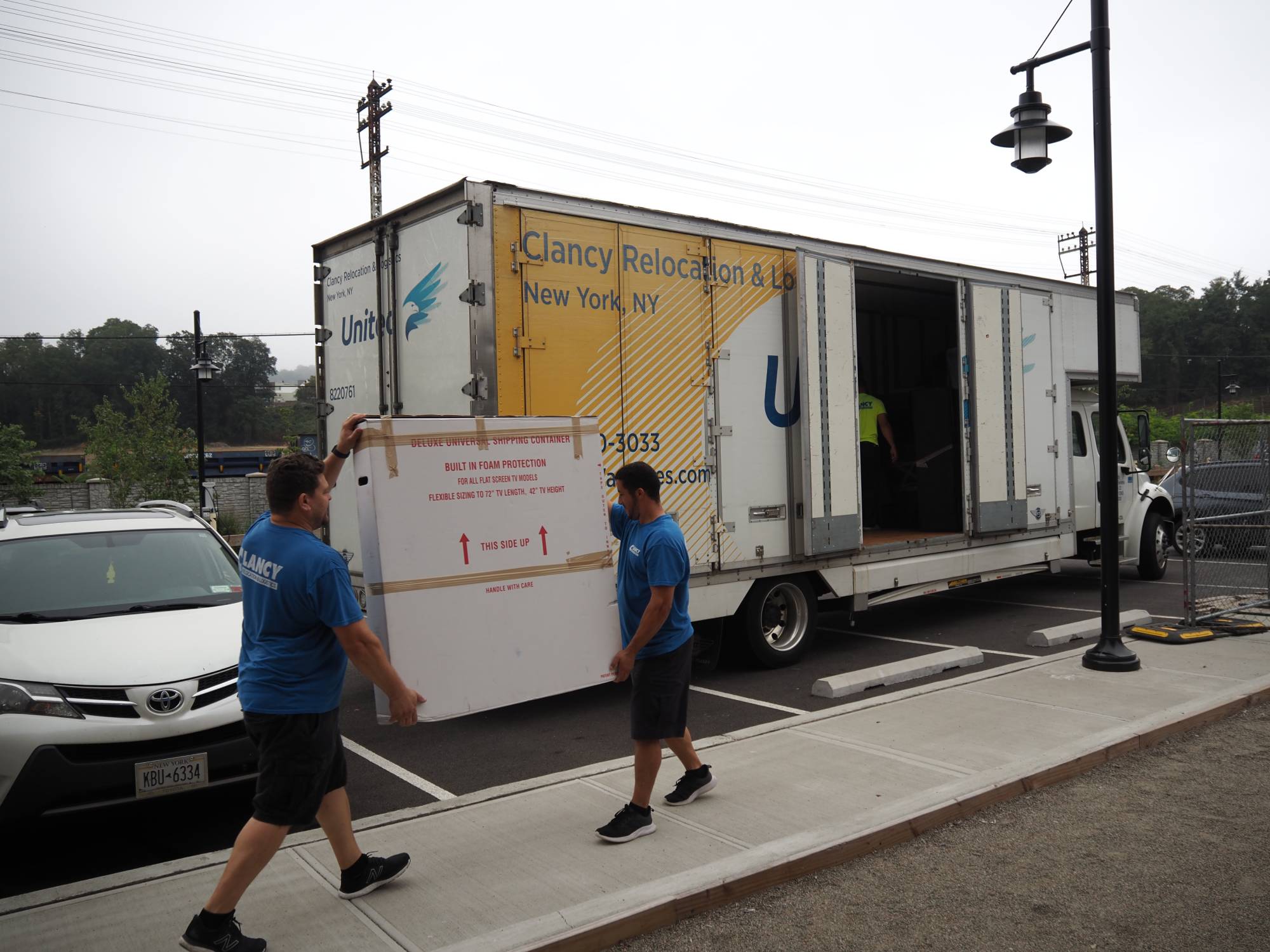
When working with interstate moving companies, strong communication helps everything run smoothly from start to finish. Whether it’s a short move to a nearby state or a cross-country relocation, a shared understanding between the customer and the moving team can prevent confusion, delays, and extra costs.
Interstate Moving Experts

Why Movers Value Clear Communication

Movers rely on accurate information and responsive clients to deliver quality service. Without it, even the best interstate movers can run into problems on moving day.

  • Fewer Surprises on Moving Day: When movers know exactly what to expect, they can bring the right size truck, tools, and crew.
  • Avoids Delays and Last-Minute Issues: Clear instructions and quick answers help movers stick to the timeline and avoid disruptions.
  • Reduces Stress for Everyone: Everyone involved is on the same page, which creates a smoother, less overwhelming experience.
  • Saves Time on Moving Day: Everything is ready to go, which means less time spent figuring things out on the spot.
  • Right-Sized Equipment and Crew: Movers can avoid bringing a truck that’s too small or sending more helpers than needed.

How to Stay in Touch With Moving Companies

Clients don’t need to know all the moving jargon, but they should know what’s happening and what’s needed. Open and simple communication helps interstate moving services run more efficiently.

  • Respond Quickly to Emails or Calls: Timely answers allow movers to finalize details and adjust plans if needed.
  • Confirm the Inventory List: Make sure all items to be moved are listed correctly and nothing is missing or added last-minute.
  • Double-Check Dates and Times: Always confirm the move-out and move-in dates so there are no misunderstandings.
  • Ask Questions Before Moving Day: It’s better to ask than assume—especially when it comes to packing rules, truck access, or valuation options.

What Movers Need to Know Ahead of Time

Sharing key details ahead of time can help cross state moving companies give the right quote and show up fully prepared.

  • Building Access Details: Let them know if there are elevators, stairs, or limited parking near the entrance.
  • Item Conditions or Special Requests: Mention fragile, oversized, or high-value items that may need extra care.
  • Packing Situation: Tell the movers if items will be packed by the client or if packing help is needed.

Travel Restrictions or Location Notes: If there are toll roads, remote locations, or access gates, share that early.
Frequently Asked Questions

How much should an interstate move cost?

The cost of an interstate move depends on several factors, including the distance, size of the move, and level of service chosen. Things like packing help, storage needs, and special handling can affect the overall amount. Timing and location may also influence the total. For accurate and up-to-date pricing, contact reputable interstate moving companies.

What is the most cost-effective way to move interstate?

The most cost-effective way is usually a self-pack option with a partial service mover or renting a moving container. Booking early, downsizing belongings, and avoiding peak moving seasons can lower costs. Compare offers from cross state moving companies to find the best value. Always confirm what is included to avoid hidden fees.

How to choose an interstate moving company?

Start by researching licensed and insured companies with experience in cross-state moves. Look for transparent pricing, detailed estimates, and positive reviews. Reputable providers like Clancy Relocation & Logistics are often listed among the top rated interstate moving companies. Ask about licensing, valuation coverage, and service guarantees before booking.

Is getting a moving company worth it?

Hiring a professional moving company is often worth it for long-distance moves due to the convenience, time savings, and reduced risk of damage. Interstate moving services can handle logistics, heavy lifting, and transport efficiently. It also limits the physical and mental stress of moving. For large or complex relocations, it’s a smart investment.

How to tell if a moving company is reputable?

A reputable company will have a valid USDOT number, clear pricing, and a strong record of customer feedback. Top rated interstate moving companies also provide written estimates and explain all terms upfront. Check for accreditation with organizations like the Better Business Bureau. Avoid movers with vague contracts or unusually low quotes.

{ "@context": "https://schema.org", "@type": "FAQPage", "mainEntity": [ { "@type": "Question", "name": "How much should an interstate move cost?", "acceptedAnswer": { "@type": "Answer", "text": "The cost of an interstate move depends on several factors, including the distance, size of the move, and level of service chosen. Things like packing help, storage needs, and special handling can affect the overall amount. Timing and location may also influence the total. For accurate and up-to-date pricing, contact reputable interstate moving companies." } }, { "@type": "Question", "name": "What is the most cost-effective way to move interstate?", "acceptedAnswer": { "@type": "Answer", "text": "The most cost-effective way is usually a self-pack option with a partial service mover or renting a moving container. Booking early, downsizing belongings, and avoiding peak moving seasons can lower costs. Compare offers from cross state moving companies to find the best value. Always confirm what is included to avoid hidden fees." } }, { "@type": "Question", "name": "How to choose an interstate moving company?", "acceptedAnswer": { "@type": "Answer", "text": "Start by researching licensed and insured companies with experience in cross-state moves. Look for transparent pricing, detailed estimates, and positive reviews. Reputable providers like Clancy Relocation & Logistics are often listed among the top rated interstate moving companies. Ask about licensing, valuation coverage, and service guarantees before booking." } }, { "@type": "Question", "name": "Is getting a moving company worth it?", "acceptedAnswer": { "@type": "Answer", "text": "Hiring a professional moving company is often worth it for long-distance moves due to the convenience, time savings, and reduced risk of damage. Interstate moving services can handle logistics, heavy lifting, and transport efficiently. It also limits the physical and mental stress of moving. For large or complex relocations, it’s a smart investment." } }, { "@type": "Question", "name": "How to tell if a moving company is reputable?", "acceptedAnswer": { "@type": "Answer", "text": "A reputable company will have a valid USDOT number, clear pricing, and a strong record of customer feedback. Top rated interstate moving companies also provide written estimates and explain all terms upfront. Check for accreditation with organizations like the Better Business Bureau. Avoid movers with vague contracts or unusually low quotes." } } ] }

State relocation

Start the Interstate Move with Trusted Professionals!

Partnering with Clancy Relocation & Logistics ensures the entire interstate move is handled with care, experience, and precision. As one of the best interstate movers, Clancy Relocation & Logistics provides dependable planning, organized logistics, and clear communication from beginning to end. With a reputation among top rated interstate moving companies, our team delivers reliable service tailored to each customer’s needs, no matter the size or distance of the move.

Request a custom quote today and let Clancy Relocation & Logistics handle the move with confidence.

Table of Contents

Key Takeaways

How to Move to Another State: A Complete Guide

1. Plan the Move

2. Choose a Moving Company

3. Organize Belongings

4. Pack Efficiently

5. Coordinate With Movers

Frequently Asked Questions

Make a State-to-State Move Happen With Confidence!

Key Takeaways

Assign a relocation lead, set a budget, and coordinate early with the moving company to avoid delays.

Review all assets, remove unnecessary items, and share a detailed inventory list with the movers.

Label everything clearly, back up digital data, and prepare the new office layout in advance.

Oversee loading and unloading, ensure safe handling of sensitive equipment, and maintain clear communication.

Set up IT systems, confirm all items arrived safely, and support employees with clear guidance and resources.

Moving to another state can feel overwhelming without the right plan in place. From packing up every room to navigating logistics across state lines, each step requires careful thought and coordination. 

Working with a professional moving company can make the process much smoother by taking on the heavy lifting and helping avoid costly mistakes. With the right support and a clear plan, a long-distance move becomes far more manageable. 

Here are the key steps to follow when planning a move to another state with help from a trusted moving company.

How to Move to Another State: A Complete Guide

  • Plan the Move

Before anything is packed or scheduled, planning is the foundation of a successful long-distance relocation. For anyone figuring out how to move to another state, the first steps involve timing, research, and budgeting to avoid surprises later on.

Set a Moving Date

Choosing the right moving date sets the pace for the entire process. It’s a key step when considering how to plan a long-distance move and allows for smoother coordination with movers, leases, and other deadlines.

  • Pick a Realistic Timeline: Give yourself at least 6–8 weeks to handle packing, paperwork, and finding a professional moving company. This helps avoid last-minute stress and gives enough time to follow important interstate moving tips.
  • Consider Work and School Schedules: Look at job start dates, school enrollments, and lease end dates before locking in a move. A well-chosen time frame makes it easier to settle in without overlapping obligations.
  • Check Mover Availability: Some companies book up quickly, especially during summer or end-of-month dates. Early booking gives more options and may even lead to better pricing.

State relocation

Research the New Location

Learning about the new state ahead of time helps make smarter decisions. When asking how to move to another state, understanding local life and logistics can make the transition smoother.

  • Understand Living Costs: Research rent, transportation, food, and taxes to compare with your current area. Budgeting accurately is one of the most important tips for moving across state lines.
  • Explore Neighborhoods: Look into local amenities, schools, parks, and public transit before choosing where to live. This step makes sure the area fits both lifestyle and daily needs.
  • Check Local Laws and Rules: Some states have different regulations for vehicle registration, tenant rights, or valuation coverage. Knowing these ahead of time helps prevent legal or financial issues after the move.

Make a Budget

Creating a detailed budget allows for smarter choices and fewer financial shocks. Anyone wondering how to plan a long-distance move needs to consider both moving costs and the setup in the new state.

  • Estimate Moving Costs: Contact professional moving companies to compare rates for full-service or partial assistance. These quotes are essential for building a reliable moving plan.
  • Add Travel Expenses: Account for fuel, hotel stays, flights, and meals during the journey. Many forget these when planning a move, but they can add up quickly.
  • Plan for Deposits and Fees: Include costs like rental deposits, utility setups, and application fees in the new state. These expenses often come all at once, right after the move.
  • Include a Buffer: Set aside extra money for last-minute changes or unexpected repairs. Having backup funds is one of the smartest interstate moving tips to reduce stress later.
  • Choose a Moving Company

Finding the right professional movers is one of the most important parts of planning a long-distance move. A reliable moving company can make the experience smooth, safe, and less stressful. 

Request Quotes From Multiple Movers

Start by gathering estimates from several companies. Comparing prices and services helps people understand what’s available and what to expect when budgeting for a move.

  • Ask for Detailed Estimates: Get written quotes that clearly list the services offered, size of the load, travel distance, and any extra charges. This makes it easier to compare options and avoid unexpected costs, which is helpful when learning how to plan a long-distance move.
  • Schedule In-Home or Virtual Surveys: Letting the mover assess the home in person or through video helps them give a more accurate quote. It also shows that the company is thorough, which is a good sign when considering tips for moving across state lines.
  • Watch for Low-Ball Offers: Extremely low prices often mean poor service, hidden fees, or unlicensed operations. Choosing a mover just for a cheap quote can lead to problems during the interstate move.

Check Licenses and Reviews

Looking into a moving company’s credentials ensures they are legitimate and trusted. This is one of the most important interstate moving tips to follow.

  • Confirm USDOT Number: For any move across state lines, the company must be registered with the U.S. Department of Transportation. This number can be verified online and is a strong sign the company is operating legally and safely.
  • Read Verified Customer Reviews: Go through reviews on trusted websites like Google, Yelp, or the Better Business Bureau to see real customer experiences. Reviews reveal how the company handles issues and can guide smarter decisions for those figuring out how to move to another state.
  • Check Years of Experience: Companies with a long track record are more likely to deliver reliable and professional service. Experience matters especially during long-distance moves that need careful planning and coordination.

Confirm Valuation and Services Offered

Not all movers offer the same services or coverage. It’s important to understand what is included before signing any contract.

  • Ask About Liability Coverage: Basic protection is often included, but for valuable or fragile items, full-value protection gives better peace of mind. Valuation coverage is an essential part of smart interstate moving tips.
  • Look for Add-On Services: Many companies offer extra services like packing, unpacking, or temporary storage. Knowing these options in advance helps people figure out how to plan a long-distance move based on their needs.
  • Understand the Delivery Window: Always check how long delivery will take and what happens in case of delays. A clear delivery timeline is key to managing expectations when moving across state lines.
  • Organize Belongings

organizing belongings

Getting everything in order before a move is one of the most important steps in preparing for a successful transition. For those wondering how to move to another state, organizing early helps reduce stress, lower moving costs, and makes unpacking much easier. 

Sort and Declutter Items

A good first step is to go through every room and decide what’s worth bringing to the new home. Decluttering helps limit the number of boxes and avoids wasting space with unnecessary belongings. This is a smart approach when considering how to plan a long-distance move.

  • Group Similar Items Together: Begin by placing similar items—such as kitchen utensils, clothes, books, or tools—in the same area. This makes it easier to evaluate what’s essential.
  • Eliminate What’s Not Needed: Set aside anything broken, outdated, or unused in the last year. Think honestly about whether each item still serves a purpose. A survey shows that 70% of Americans find that having a clean home gives them a sense of accomplishment, reinforcing how beneficial decluttering can be not just for the move, but for overall well-being.
  • Use a Three-Pile Method: Sort everything into “keep,” “donate,” or “sell” piles. This keeps decisions simple and creates instant direction for next steps.

box labeling

Decide What to Keep, Sell, or Donate

Making clear choices about what to bring is especially helpful for those searching for interstate moving tips. Carrying fewer items not only cuts costs but also ensures a smoother experience.

  • Keep High-Value or Essential Items: Choose to keep things that are regularly used, expensive to replace, or have emotional value. These include personal electronics, important kitchenware, and sentimental keepsakes.
  • Sell Items in Good Condition: Furniture, home decor, or unused appliances can be sold through local marketplaces or garage sales to make extra cash before the move.
  • Donate to Trusted Charities: Gently used clothing, toys, and household items are great for donation and help others in the process. Contact local donation centers to schedule pickups if needed.

Create an Inventory List

An inventory list serves as a master reference for all items being moved. It helps track what’s packed, simplifies unpacking, and protects against loss. Anyone looking for tips for moving across state lines should make this step a priority.

  • Document Items by Room: Write down belongings according to the room they came from, such as “Living Room – TV, coffee table, bookshelf.”
  • Include Notes About Condition: Mark if something is fragile or already slightly damaged. This helps with packing decisions and valuation claims if needed.
  • Take Photos for Backup: A visual record can help with organizing and provide proof in case of damage or missing items.
  • Pack Efficiently

Packing well is a big part of making a move to another state easier and less stressful. A good packing plan keeps items safe, helps with unpacking, and saves time and money. 

Get Packing Supplies

Before packing starts, it’s important to gather the right materials. This step helps prevent damage to items and makes everything easier to carry.

  • Sturdy Cardboard Boxes: Use different sizes to match different items. Small boxes work best for heavy things like books, while large boxes are good for light, bulky items like blankets.
  • Packing Tape: Choose strong tape that seals boxes securely. Weak tape can cause boxes to open during transport.
  • Bubble Wrap or Packing Paper: These help protect fragile items such as dishes, glassware, and electronics.
  • Plastic Wrap: Use this to keep drawers closed and bundle loose items together.
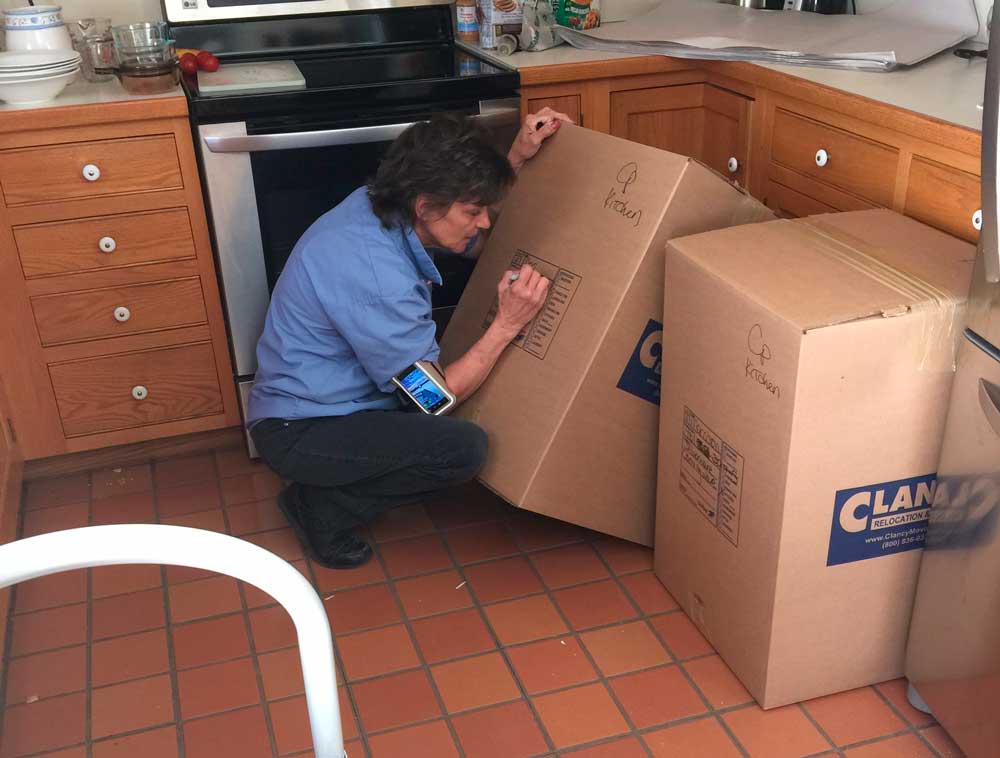
  • Markers or Labels: Every box should be clearly labeled so movers and the person unpacking can tell what’s inside and where it should go.

moving boxes

Label Boxes Clearly

Labeling makes unpacking faster and keeps items from being misplaced during the move. This is especially helpful when moving across long distances and working with a professional moving team.

  • Use Large, Easy-to-Read Letters: Write the name of the room and a few of the main items inside. For example: “Kitchen – Plates, Cups, Utensils.”
  • Add Special Handling Notes: Mark boxes as “Fragile,” “Heavy,” or “This Side Up” when needed to help movers handle them properly.
  • Color-Code by Room: Use colored stickers or markers to assign a color to each room. This helps the movers place boxes in the right areas of the new home quickly.

Pack by Room and Category

Packing room by room helps stay organized and makes unpacking much easier. It also helps avoid mixing items that don’t belong together.

  • Start with Least-Used Rooms: Begin packing in areas like the guest room or storage closets. This allows daily life to continue with minimal disruption.
  • Keep Similar Items Together: Pack items that serve the same purpose in the same box, like all cooking utensils or office supplies. This way, it’s easier to set things up later.
  • Use a Packing Checklist: Writing down what goes in each box helps track items and avoids forgetting anything important.

Get Help With Packing Decisions

Packing can be overwhelming, especially when unsure what’s safe—or unsafe—to include. To make the process easier, Clancy Relocation & Logistics offers a helpful checklist that outlines what to pack and what to avoid

This extra resource removes guesswork and gives clear packing direction. It’s especially useful for first-time movers trying to figure out how to move to another state efficiently.

  • Coordinate With Movers

Working with a professional moving company makes long-distance relocation smoother, but it’s important to stay organized and communicate clearly. It’s one of the most practical parts of learning how to move to another state, and a key part of keeping stress levels low.

clancy team loading items

Confirm Details And Logistics

Clear communication ensures that the move runs on time and with no surprises. Double-checking the details ahead of time helps both the customer and the movers feel confident and prepared.

  • Moving Date and Time: Confirm the exact day and time the movers will arrive to avoid scheduling issues.
  • Addresses: Verify both the current and new addresses with the company to avoid delivery mistakes.
  • Services Included: Review what’s covered in the move—packing, unpacking, special handling, or storage.
  • Payment Details: Go over the total cost, accepted payment methods, and when payment is expected.
  • Point of Contact: Make sure there’s a direct contact at the moving company in case questions come up during the move.

Be Available During Loading

Being present while the moving truck is loaded helps avoid misunderstandings and allows quick decisions if anything unexpected comes up.

  • Answer Questions: Movers might need quick answers about specific items or access points.
  • Verify Inventory: Cross-check the inventory list to ensure everything packed is accounted for.
  • Sign Documents: Be ready to review and sign any required paperwork for loading or transport.
  • Secure Valuables: Personally hold onto important documents, cash, or jewelry to prevent loss or mix-ups.

Frequently Asked Questions

State-to-State Move

Make a State-to-State Move Happen With Confidence!

Relocating to a new state takes more than packing boxes—it takes coordination, timing, and a trusted partner. That’s where Clancy Relocation & Logistics comes in. With years of experience handling long-distance moves, our team ensures every step is handled with care and professionalism. From confirming logistics to settling in at the new address, every detail matters.

Get expert help from Clancy Relocation & Logistics—request a quote today and start the move with a team that gets it right!