
Author Archives: Seamus Carey

Author: Seamus Carey

Seamus began his journey with Clancy at just 14, starting in the Library Division. Every summer, he returned to build on his growing knowledge and experience within Clancy’s diverse operations. After completing high school and gaining valuable internships throughout college at Clancy, he took on the role of crew leader in the Datacenter Relocation division, specializing in managing and relocating equipment in raised floor environments. By 2021, Seamus had transitioned into the position of Operations Manager for the Household Moving Division. In 2024, he expanded his expertise further by joining the sales team.

Key Takeaways

Start preparations at least two months to ensure every detail is addressed.

Reduce clutter by sorting items into “keep,” “donate,” and “discard” categories before packing.

Select licensed, insured movers with positive reviews to handle belongings carefully.

Use quality packing materials and clear labeling to protect items and simplify unpacking.

Pack a box with essential items for the first day or two in the new home.

Notify utility providers, financial institutions, and other services about the address change in advance.

Confirm logistics with movers, keep supplies ready, and stay hydrated to streamline moving day.

Protect fragile and valuable items with proper packing materials and clear labeling.

Assign age-appropriate tasks to family members to make the move efficient and collaborative

Focus on unpacking essential areas first to quickly create a comfortable and functional home.

Moving to a new home marks the beginning of an exciting chapter in life, but it often comes with a fair share of challenges. For starters, transporting belongings can quickly feel overwhelming without the right approach. Fortunately, with proper planning and expert guidance, the experience can be transformed into a smooth and stress-free journey.

Here are 10 expert-approved strategies that provide practical solutions and ensure a seamless move with the help of professional movers near me.

10 Essential Tips for a Seamless Residential Move

1. Plan Early and Create a Timeline

A successful move begins with a solid plan. Without a clear strategy, tasks can quickly become overwhelming, leaving little room for error or unexpected circumstances. Experts emphasize starting the planning process at least two months before the moving date to ensure sufficient time to organize every detail and prevent last-minute chaos.

Why Early Planning Matters

Creating a well-structured timeline provides a roadmap for the entire moving process. Early preparation allows for strategic decisions, smoother coordination, and the ability to address challenges proactively.

  • Set Milestones: Breaking the move into smaller, actionable tasks makes the process more manageable. Milestones might include booking a reliable house moving service, gathering packing materials, packing individual rooms, and notifying utility companies of the move. Assign realistic deadlines for each task to ensure nothing is overlooked.
  • Budget Wisely: Creating a detailed budget is a crucial step in managing your finances effectively. It allows you to plan for and prioritize key expenses, ensuring you have a clear understanding of where your money is going. A well-structured budget can help you avoid financial strain by identifying potential shortfalls and enabling you to make adjustments before they become issues. By allocating funds for essential costs, savings, and unexpected expenses, you can maintain financial stability and achieve your financial goals with greater confidence.
  • Prepare for Unforeseen Issues: Moving can be unpredictable, with potential disruptions such as bad weather, last-minute schedule changes, or delays with house moving services. Early planning allows for contingency measures, such as flexible scheduling with residential movers or alternative transportation arrangements.


2. Declutter and Organize

Decluttering is one of the most effective ways to streamline the moving process. By eliminating unnecessary items, homeowners reduce the volume of belongings to pack and transport, which can significantly lower costs. Beyond the financial benefits, research shows that an uncluttered and organized space enhances productivity, reduces irritability, and helps individuals process information more effectively.

How to Declutter Effectively

Decluttering may seem daunting, but following a systematic approach can make it an empowering and transformative process.

  • Take Inventory: Conduct a thorough inventory of belongings, assessing their necessity and usefulness. Categorize items into “keep,” “donate,” “sell,” or “discard” groups. For example, seasonal clothing, outdated electronics, or furniture that won’t fit the new space may be better suited for donation or sale. Keeping only essential and meaningful possessions ensures that the new home remains uncluttered.
  • Host a Garage Sale: Organizing a garage or yard sale is a practical way to dispose of unwanted items while earning extra cash for moving expenses. Items like old furniture, books, and gently used appliances often sell well in local sales. Ensure proper advertising in the neighborhood or online platforms to maximize attendance.
  • Donate to Charities: Items that are no longer needed but still in good condition can be donated to charitable organizations or thrift stores. Many charities also offer pick-up services, making the donation process simple and convenient. This helps lighten the load while benefiting the community.


3. Hire Professional Movers
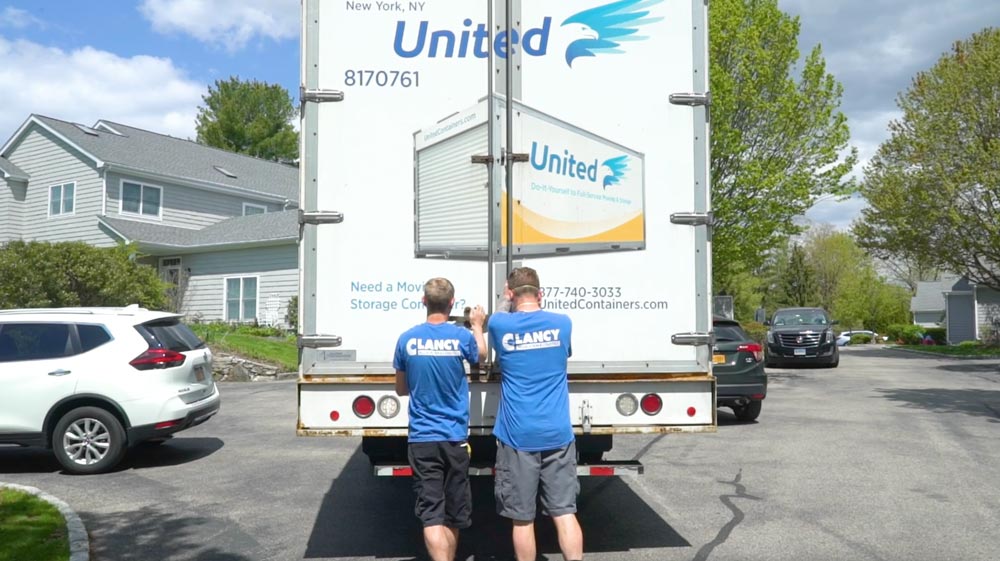
Clancy Relocation & Logistic Mover Sealing Storage

Hiring residential movers is one of the best ways to ensure a smooth and hassle-free relocation. These experts bring specialized skills, equipment, and efficiency to the process, making it easier to handle the complexities of moving. Searching for “professional movers near me” online is a great starting point for finding reliable assistance.

Tips for Finding the Right Movers

The right moving company can make a significant difference in the quality of the moving experience. Taking the time to select the best house moving service ensures peace of mind and the safe transport of belongings.

  • Research Thoroughly: Look for residential movers with strong reviews and ratings on platforms like Yelp, Google Reviews, and the Better Business Bureau to find reliable and professional options.
  • Ask for Referrals: Seek recommendations from friends, family, or neighbors who can provide first-hand insights into trustworthy movers and their experiences.
  • Check Licensing and Valuation: Ensure the professional movers near me are licensed and insured to meet regulatory standards and cover potential damages, especially for interstate moves requiring U.S. Department of Transportation registration.
  • Inquire About Services: Confirm what is included, such as full-service options like packing, or if the company only handles transportation. This ensures that the service aligns with specific moving needs.


4. Pack Smart and Label Efficiently

Packing can be time-consuming in a house moving service, but strategic methods make it more manageable and ensure a smoother unpacking process. Proper labeling and organization save time and prevent confusion.

Packing Tips from the Pros

To ensure a smooth process, residential movers recommend following best packing practices. 

  • Gather the Right Supplies: Use quality packing materials like sturdy boxes, bubble wrap, tape, and markers to protect your belongings and prevent damage. Specialty boxes are ideal for items like mirrors or dishes.
  • Pack Room by Room: Focus on one room at a time to stay organized and make unpacking easier by placing items directly in their respective spaces.
  • Label Boxes Clearly: Label each box with its room and a brief description of contents, such as “Kitchen – Pots and Pans,” to help movers know where to place them.
  • Use Color-Coding: Assign each room a color and use corresponding tape or stickers for quick identification at a glance.
  • Pack Heavier Items First: Place heavier items at the bottom of boxes and fragile or lighter items on top, using cushioning materials as needed.


5. Create an Essentials Box

An essentials box holds all the items needed for the first day or two in the new home, which helps prevent the frustration of searching through packed boxes for necessities. This significantly reduces stress and ensures that the transition is as comfortable as possible.

Essentials to Include

When preparing an essentials box for a house moving service, think about the items required to meet immediate needs upon arrival. 

  • Toiletries: Include everyday items like toothpaste, toothbrushes, soap, shampoo, conditioner, and toilet paper. Don’t forget hand towels and any personal hygiene products used regularly.
  • Clothing: Pack a change of clothes, pajamas, and comfortable footwear for each family member. This ensures that everyone can rest and feel at ease after a long moving day.
  • Medications: Include all prescription medications, a basic first-aid kit, and over-the-counter essentials like pain relievers or allergy medicine. Having these items readily available is crucial in case of an emergency.
  • Important Documents: Keep critical paperwork such as IDs, passports, moving contracts, medical records, and valuation documents in the essentials box. These items should always remain with the homeowner to avoid misplacement.
  • Basic Kitchen Items: Pack a few snacks, disposable plates, utensils, cups, and a small coffee maker or kettle. These items help maintain comfort and convenience before the kitchen is fully unpacked.


6. Update Important Information

Updating information is a critical but often overlooked part of the moving process. Failing to notify the appropriate parties can lead to service interruptions, missed bills, and communication gaps. Taking the time to handle these updates well before moving day prevents unnecessary complications.

Who to Notify About the Move

Several key updates should be made to ensure a seamless transition.

  • Utility Providers: Schedule the disconnection of utilities at the current home and their reconnection at the new address. This includes electricity, water, gas, internet, and trash collection. Coordinate these changes to ensure services are active upon arrival at the new home.
  • Postal Service: Submit a change-of-address request to the postal service to forward mail to the new address. This prevents important correspondence from being lost or delayed during the transition.
  • Banks and Credit Card Companies: Notify financial institutions about the move to ensure timely receipt of statements, bills, and notifications. Updating the address also minimizes the risk of fraud or account discrepancies.
  • Healthcare Providers: Inform doctors, dentists, and pharmacies of the change to ensure continuity of care. Additionally, request copies of medical records or prescriptions if switching providers.
  • Schools and Employers: Notify schools about the move to facilitate the transfer of records if children are switching schools. Inform employers to update contact information for payroll, benefits, and tax purposes.


7. Prepare for Moving Day

Moving day is the culmination of all the preparation and planning. It can often feel overwhelming, but being well-prepared ensures a smoother and more organized experience. With a solid plan in place, homeowners can minimize disruptions and handle the day with confidence.

Key Preparations for Moving Day

Taking a few key steps in advance helps keep the day on track and reduces unnecessary stress.

  • Confirm Arrangements: Contact the residential movers to verify their arrival time, the details of the moving contract, and any specific instructions. This ensures that everyone involved is on the same page, avoiding delays or misunderstandings.
  • Prepare for Weather: Check the weather forecast and have contingency plans in place. For example, keep tarps handy for rain, wear appropriate clothing for heat, or prepare salt for icy walkways in winter.
  • Keep Supplies Handy: Set aside a “moving day kit” that includes scissors, tape, garbage bags, and cleaning supplies. These items can be lifesavers for last-minute needs, such as sealing a box or cleaning a space before leaving.
  • Stay Hydrated: Moving is physically demanding, so it’s essential to pack water bottles and easy-to-eat snacks like granola bars or sandwiches. Keeping everyone hydrated and energized ensures productivity throughout the day.
  • Secure Valuables: Personal documents, jewelry, and cash should remain with the homeowner rather than being packed with other belongings. Keeping these items in a designated bag ensures they’re accessible and protected.


8. Handle Valuables and Fragile Items Carefully

Certain belongings, such as fragile or high-value items, require extra care during a move. Protecting these possessions ensures they arrive at the new home intact and unharmed. Employing specialized packing methods and services minimizes the risk of damage.

Best Practices for Fragile and Valuable Items

As recommended by professional movers near me, careful handling and proper preparation go a long way in safeguarding cherished belongings.

  • Wrap with Care: Use bubble wrap, foam padding, or packing paper to cushion delicate items like glassware, ceramics, and picture frames. Place additional padding between items to prevent them from shifting and breaking.
  • Use Hard-Sided Containers: When it comes to transporting valuable items such as jewelry, electronics, or collectibles, hard-sided, lockable containers are a smart choice. These containers provide enhanced protection against impact and theft, giving you peace of mind. Some local movers, like Clancy, also recommend that customers take certain valuable or personal items with them during the move for added security. Be sure to ask your movers if they have specific guidelines or advice about which items you should personally transport to ensure everything arrives safely
  • Label Fragile Boxes Clearly: Mark boxes containing breakables with “Fragile” and “Handle with Care” labels. This alerts professional movers to exercise caution when handling these items.
  • Consider Specialty Services: If you need to move unique or high-value items such as pianos, chandeliers, wine collections, or sculptures, it’s essential to hire professional movers experienced in handling these delicate belongings. For example, Clancy Relocation & Logistics specializes in the safe transportation of antiques, fine art, and other valuable possessions. They use advanced equipment and proven techniques to protect these items throughout the moving process, ensuring they arrive at their destination in pristine condition.


9. Involve the Whole Family

Moving is not just a logistical challenge; it’s also a family event. Involving everyone in the process makes the move more efficient and enjoyable while fostering a sense of teamwork. Assigning tasks and responsibilities allows each member to contribute meaningfully.

Ways to Engage the Family

When everyone works together, the moving process becomes smoother and less stressful. 

  • Assign Tasks by Ability: Give age-appropriate responsibilities to each family member. For example, children can pack toys and label boxes, teenagers can handle lighter furniture, and adults can manage heavier or more complex tasks.
  • Create a Reward System: Keep morale high by offering small rewards or breaks. Treats like snacks, favorite meals, or a family outing after moving day can serve as motivation and make the process more enjoyable.
  • Prepare Pets for the Transition: Moving can be stressful for pets, so plan ahead to ensure their safety and comfort. Arrange for pets to stay in a quiet, secure space on moving day, or consider boarding them temporarily.


10. Settle In Smoothly

After the boxes are unloaded and the moving truck departs, the process of settling into the new home begins. Unpacking and organizing can feel overwhelming, but a systematic approach helps homeowners transform their space into a comfortable and functional environment quickly.

Steps for a Comfortable Transition

Focusing on essential areas first ensures that the new house starts feeling like home right away.

  • Unpack Bedrooms First: Start by setting up beds and unpacking bedding. A good night’s sleep is essential after a long day of moving, and having bedrooms ready helps create a sense of normalcy.
  • Organize the Kitchen: Unpack kitchen essentials, such as utensils, cookware, and everyday appliances, to make meal preparation easier. Prioritize items like plates, cups, and the coffee maker for immediate use.
  • Tackle Common Areas Last: Living rooms and decorative touches, like hanging artwork or arranging furniture, can be addressed once the functional spaces are complete. This allows homeowners to focus on comfort and utility first.
  • Explore the Neighborhood: Take some time to walk or drive around the new area. Familiarizing nearby grocery stores, schools, parks, and restaurants helps create a sense of connection to the community.

Frequently Asked Questions

Do moving companies offer a valuation for my belongings?

Most moving companies provide basic liability coverage, but they may not fully reimburse the value of your belongings. This coverage typically compensates based on weight, not actual value, which can be insufficient for high-value items. Many movers offer additional valuation options for comprehensive protection. Alternatively, you can purchase third-party moving valuation to cover any gaps. 

What is the best time of year to move?

The best time of year to move depends on your priorities, such as cost, convenience, and weather. Summer is the busiest moving season, offering ideal weather but higher prices and limited availability for movers. Winter moves are often more affordable but can present challenges like snow or icy conditions. Spring and fall offer a balance, with moderate weather and more flexible scheduling. Consider consulting reliable movers like Clancy Relocation & Logistics for specific advice to ensure the most accurate and helpful information for your move.

How far in advance should I book a moving company?

Booking a moving company at least four to six weeks in advance is ideal, especially during the busy summer months. Early booking ensures availability and often allows for better pricing options. If you’re moving during an off-peak season, two to three weeks might suffice, but it’s always better to book earlier to avoid last-minute stress. Keep in mind that certain times of the month, like weekends or the end of a lease cycle, may require even more lead time. 

How can I save money on a residential move?

Saving money on a move involves strategic planning and resourcefulness. Declutter beforehand to reduce the number of items you need to transport, which can lower moving costs. Consider renting a truck and enlisting friends to help if professional movers are out of budget. Look for free or low-cost packing materials, such as used boxes from local stores or community groups. Finally, schedule your move during off-peak times, like mid-week or mid-month, when rates are typically lower. 

What should I do if my belongings are damaged during the move?

If your belongings are damaged during a move, document the damage immediately by taking photos and making notes. Notify the moving company as soon as possible, ideally on the day of the move. Most companies require you to file a claim within a specific timeframe, so review their policy and adhere to deadlines. Provide all necessary documentation, such as photos, receipts, or the inventory list, to support your claim. In some cases, additional valuation may offer greater reimbursement if basic coverage is insufficient.

Simplify the Moving Process with Clancy Relocation & Logistics!

A stress-free move begins with expert assistance. Clancy Relocation & Logistics delivers customized solutions to ensure every step of the relocation process is handled with precision and care. From packing and transportation to unpacking at the new destination, each detail is managed to guarantee a smooth and efficient transition. 

Trust in Clancy Relocation & Logistics for reliable service that turns a complex move into an organized and seamless experience. Connect with us today!


Moving to a new state is an exciting chapter, but it also comes with its share of financial challenges. Proper planning and budgeting are essential to keep expenses under control. According to Angi’s data, the average cost of a local move in the U.S. is $1,692, while the average cost of a long-distance move is $4,401. With these costs in mind, the importance of implementing effective strategies becomes clear. 

Here are seven practical tips to help manage your budget during an interstate moving process.

1. Plan Early and Set a Budget

Creating a well-structured plan during interstate moving is the foundation of a successful and cost-effective move. Early planning allows individuals to foresee expenses and allocate resources appropriately.

Why Budgeting Matters

Budgeting helps provide a clear overview of financial commitments during the move and avoids last-minute surprises. 

  • Break Down All Potential Expenses: This includes moving company fees, packing materials, transportation costs, temporary housing, and utility setup. Each category should have a specific allocation to avoid going over budget.
  • Use Budgeting Tools or Apps: Platforms like Excel spreadsheets can help track and categorize expenses, offering a clear snapshot of spending.
  • Plan for Emergencies: Allocate 10–15% of the budget for unexpected costs such as vehicle repairs or extended lodging.

2. Create a Moving Checklist

A comprehensive moving checklist is an essential tool for staying organized and avoiding unnecessary expenses during an interstate moving process. It helps individuals focus on what needs to be done while ensuring nothing is overlooked.

How a Moving Checklist Saves Money

A well-thought-out checklist not only keeps tasks on track but also minimizes wasteful spending and last-minute scrambles.

  • Prioritize Tasks by Timeline: Break down tasks into phases, such as two months before the move, two weeks before, and moving day. This approach prevents rushed decisions that can lead to overspending.
  • Track Necessary Services and Appointments: Include steps like canceling utilities, scheduling transportation, and registering at a new address to avoid late fees or overlooked obligations.

3. Declutter Before the Move

Moving fewer items can significantly reduce costs during interstate moving. Decluttering not only saves money but also simplifies the packing process.

Benefits of Decluttering

Reducing the number of belongings transported leads to lower moving costs and a fresh start in the new home.

  • Sell Unwanted Items: Host a garage sale or list items on platforms like Facebook Marketplace or eBay. The extra cash can go toward moving expenses.
  • Donate Usable Goods: Many charities accept clothing, furniture, and household items in good condition, benefiting both the mover and those in need.
  • Recycle or Dispose Responsibly: Items that cannot be sold or donated should be recycled or disposed of properly to minimize waste.

4. Pack Smartly and Save on Materials

Interstate Mover Planning Process

Packing supplies during interstate moving can quickly add up, but there are several ways to minimize these costs without compromising the safety of belongings.

Cost-Effective Packing Strategies

With a little creativity, it’s possible to save on packing materials while ensuring items are well-protected.

  • Use Free or Inexpensive Materials: Source free boxes from local stores or online community groups. Use household items like towels, blankets, and newspapers for padding.
  • Maximize Box Space: Pack items tightly to minimize the boxes needed. Avoid leaving empty spaces that could require extra packing material.
  • Label and Organize: Proper labeling saves time when unpacking and reduces the risk of misplaced or damaged items.

5. Time Your Move Strategically

The timing of a move can have a significant impact on the overall cost. Strategic scheduling can lead to substantial savings.

How Timing Affects Costs

Understanding peak and off-peak periods helps individuals secure better rates for interstate moving services.

  • Move During the Off-Season: Avoid peak moving times like summer months, holidays, and weekends. Moving during the fall or winter often results in lower rates.
  • Book Early: Lock in preferred dates and rates by reserving movers well in advance. Last-minute bookings tend to be more expensive.

6. Monitor and Adjust Expenses During the Move

Even with the best-laid plans, it’s crucial to stay on top of expenses as they arise during the move.

Tracking Costs in Real Time

Monitoring spending ensures the budget remains on track and avoids overspending.

  • Keep Detailed Records: Document every expense, from gas receipts to lodging costs, to identify trends and make necessary adjustments.
  • Avoid Impulse Purchases: Stick to the budget and avoid buying unnecessary items or services during the move.

7. Evaluate Valuation Options to Protect Belongings

Understanding valuation is an important step in managing costs during an interstate moving process. Valuation is the mover’s liability for lost or damaged items, and choosing the right option can help save money while ensuring belongings are protected.

How Valuation Cuts Costs

Making informed decisions about valuation coverage reduces financial risks and unnecessary expenses.

  • Know the Types of Valuation: Movers typically offer two options—basic (released value) and full-value protection. Basic coverage is free but only reimburses at a minimal rate (e.g., 60 cents per pound), while full-value protection covers the cost of repairing or replacing items.
  • Assess the Value of Belongings: For non-valuable or easily replaceable items, basic valuation may be sufficient. For high-value items, investing in full-value protection can prevent significant financial loss.
  • Avoid Overlapping Costs: Check existing policies, like homeowner’s insurance, to see if additional protection is unnecessary.

Frequently Asked Questions

What are the common challenges of an interstate move, and how can I overcome them?

Challenges include coordinating logistics, managing costs, and dealing with the stress of a long-distance relocation. To mitigate these, start planning early, hire a reliable moving company, and stay organized with checklists and timelines. Be prepared for unexpected delays and have contingency plans, such as temporary accommodations or flexible delivery options. 

How do I handle utilities and address changes for an interstate move?

Schedule disconnections for utilities at your old residence and set up connections for the new one ahead of your move. File a change of address with the USPS to forward mail and notify banks, insurance providers, and subscription services. Keep a checklist to ensure no service is overlooked during the transition. 

What should I do if my moving date changes?

Inform your moving company as soon as you know about a change in your moving date. Many companies can accommodate changes, but availability may depend on how early you notify them. Adjust other arrangements, such as utilities or lodging, to align with the new timeline.

How far in advance should I plan my interstate move?

It’s recommended to start planning at least 8-12 weeks before your desired moving date. This timeline allows for thorough research, decluttering, and securing a reliable moving company. Early preparation ensures availability, especially during peak moving seasons like summer. It also gives you time to address logistical issues, such as transferring utilities and updating your address.

How should I choose an interstate moving company?

Choosing an interstate moving company requires thorough research. Look for companies licensed by the Federal Motor Carrier Safety Administration (FMCSA) and verify their USDOT number. Read customer reviews, ask for references, and compare multiple quotes to find one that aligns with your budget and needs. 

Streamline Interstate Moves with Expert Assistance!

Clancy Relocation & Logistics provides comprehensive solutions for managing the complexities of long-distance relocations. Every step of the process is carefully handled with precision, ensuring a seamless transition to the next destination. From personalized planning and packing to secure transportation and on-time delivery, every detail is meticulously managed to meet individual needs.

With a focus on efficiency, reliability, and tailored services, Clancy Relocation & Logistics delivers high-quality support for interstate moving, helping to make the journey as smooth and stress-free as possible. Whether it’s moving cherished belongings or coordinating logistics with care, trust the expertise that comes with years of proven experience. 

Contact Clancy Relocation & Logistics now to get started!

Relocating a data center is a complex, mission-critical task requiring meticulous planning and expertise. It involves not just the physical movement of hardware but also the seamless transfer of data, processes, and operational continuity. The stakes are high, with potential risks including extended downtime, data loss, or compliance violations. In 2023, the US data center market was estimated at $99.97 billion, underscoring the significant value and critical nature of these operations. Leading moving companies emphasize a structured and strategic approach to ensure a successful relocation.

Here are six detailed and practical strategies to achieve a smooth and efficient data center relocation.

1. Comprehensive Assessment and Risk Planning

Every successful relocation begins with a meticulous assessment of the current infrastructure and an evaluation of risks. This foundational step helps organizations anticipate challenges and design effective solutions.

Assess Your Infrastructure

As per moving companies, a detailed understanding of your existing data center setup is essential to avoid oversights during the move:

  • Inventory Documentation: Create a detailed record of all physical assets, including servers, networking equipment, storage devices, and cables. Document configurations, dependencies, and physical placement.
  • Dependency Mapping: Identify how systems interact and depend on one another. This ensures critical applications are prioritized and functional dependencies are maintained.
  • Capacity Analysis: Evaluate whether the new location meets power, cooling, and space requirements for current and future needs.

Risk Mitigation Strategies

Identifying and addressing risks reduces the chances of disruptions during the relocation:

  • Equipment Sensitivity: Categorize hardware based on fragility and criticality. Implement special handling or packaging for delicate equipment.
  • Compliance Requirements: Verify that sensitive data will be transported and stored in compliance with regulatory standards like GDPR, HIPAA, or PCI-DSS.
  • Contingency Planning: Prepare for unexpected delays, hardware failures, or other disruptions. Develop a fallback strategy to keep operations running.

2. Strategic Downtime Management and Data Protection

Minimizing downtime is one of the most critical goals of a data center relocation. In parallel, safeguarding data is essential to avoid catastrophic loss or breaches.

Minimizing Downtime

The key to limiting disruptions is a carefully crafted downtime strategy:

  • Phased Migration: Move systems incrementally to allow certain components to remain operational while others are in transit. This reduces the operational impact.
  • Virtualization Solutions: Use virtualized environments to temporarily host critical applications, ensuring they remain accessible during the transition.
  • Failover Mechanisms: Implement failover systems or disaster recovery sites to maintain availability during the move.

Data Protection Plan

Data is the lifeblood of any organization. Ensuring its safety during relocation is paramount:

  • Pre-Move Backups: Create comprehensive backups of all data to safeguard against accidental loss or corruption. Test backups to ensure integrity.
  • Encrypted Transfers: Use secure and encrypted methods to move sensitive data between locations.
  • Validation Processes: After relocation, conduct rigorous data validation to confirm accuracy and integrity before resuming operations.

3. Professional Relocation Services

Hiring specialized moving companies for data center relocation is one of the most effective ways to streamline the process and mitigate risks. Their expertise ensures that even the most complex moves are handled efficiently.

Partner with the Right Professionals

Not all moving companies are created equal; selecting one with data center relocation experience is vital:

  • Specialized Equipment Handling: Professionals use anti-static materials, climate-controlled transportation, and custom packaging to safeguard hardware.
  • Installation Services: Moving companies with technical expertise can assist with racking, cabling, and configuring equipment in the new location.
  • Compliance Expertise: Experienced providers are familiar with industry regulations, ensuring that equipment handling and data transfer remain compliant.

4. Testing and Post-Move Validation

Even the most carefully planned relocation requires thorough testing after the move. Testing ensures systems are operational, and any issues are addressed before normal operations resume.

System Testing

Testing is a multi-layered process that covers both hardware and software functionality:

  • Hardware Functionality: Inspect each device for signs of physical damage or performance issues after installation.
  • Application Performance: Validate that all applications run as intended, with no errors or lags caused by the relocation.
  • Network Connectivity: Confirm that all connections, including switches, routers, and firewalls, are operational and properly configured.

Post-Move Support

Relocations often reveal unforeseen issues that need immediate resolution:

  • Monitoring Solutions: Implement real-time monitoring tools to detect and resolve anomalies quickly.
  • On-Site Technical Support: Ensure technical staff is on hand to address configuration issues, hardware malfunctions, or performance bottlenecks.

5. Clear Communication and Stakeholder Engagement

 Moving Data Center Items

Transparent and consistent communication is a cornerstone of successful data center relocation. Keeping stakeholders informed reduces misunderstandings and builds trust.

Develop a Communication Plan

A structured communication plan ensures everyone involved is on the same page:

  • Internal Updates: Notify employees about timelines, responsibilities, and potential disruptions. Ensure all teams understand their roles.
  • Client Notifications: Inform customers of any anticipated service interruptions and outline steps to minimize the impact.
  • Vendor Coordination: Work closely with vendors, contractors, and moving companies to align schedules and logistics.

6. Documentation and Continuous Improvement

Relocation is an opportunity to optimize processes and establish a foundation for future success. Thorough documentation ensures continuity and supports long-term improvements.

Document the Process

Comprehensive documentation simplifies troubleshooting and maintenance after the move:

  • Equipment Placement: Record the exact location of servers, racks, and peripherals in the new facility.
  • Configuration Details: Maintain a log of network settings, IP addresses, and system configurations for reference.
  • Relocation Changes: Note any alterations made during the move, such as equipment upgrades or reconfigurations.

Frequently Asked Questions

What is the role of project management in data center relocation?

Project management ensures all tasks are coordinated, timelines are adhered to, and risks are mitigated. A dedicated project manager acts as a central point of contact, aligning stakeholders and ensuring clear communication. They oversee the entire relocation lifecycle, from initial planning to post-move validation. Their expertise is critical in handling unexpected challenges efficiently.

What types of equipment are typically moved during a data center relocation?

Equipment includes servers, storage devices, network switches, routers, and power distribution units. Other assets like backup systems, racks, cooling units, and monitoring tools may also be relocated. Each type of equipment requires specific handling, packaging, and transport considerations. 

What are the costs associated with data center relocation?

Costs can vary widely based on the scale of the move, distance, and the complexity of the equipment involved. Expenses may include transportation, new infrastructure, personnel, and consultancy fees. Downtime during the move may also result in revenue loss. A clear budget plan helps anticipate costs and avoid financial surprises.

How long does a data center relocation typically take?

The duration of a relocation project depends on the size and complexity of the data center. For small setups, the process might take a few weeks, while large-scale relocations can span several months. Detailed planning, including inventory, design, and testing, is critical to ensuring an efficient timeline. Proactive management of potential risks also helps avoid delays.

What challenges are associated with data center relocation?

Challenges include minimizing downtime, ensuring data integrity, and aligning with regulatory compliance. Technical issues, such as equipment incompatibility or network reconfiguration, may arise. Another hurdle is coordinating multiple teams, vendors, and stakeholders effectively. Proper risk management, contingency plans, and skilled personnel can mitigate these challenges.

Ensure a Seamless Data Center Move with Clancy Relocation & Logistics!

Data center relocations demand precision, expertise, and reliable execution. Clancy Relocation & Logistics delivers comprehensive solutions that protect critical infrastructure, minimize downtime, and ensure operational continuity. With a proven track record in handling complex relocations, Clancy’s expert team manages every step of the process, from secure transport to precise reinstallation. Trust Clancy to simplify the relocation journey and provide tailored support for successful outcomes. 

Contact Clancy Relocation & Logistics today to explore customized solutions for data center relocation needs.

Relocating across the country is a challenging and multifaceted process. From navigating logistics and securing proper equipment to packing fragile items and adhering to interstate regulations, the complexities can quickly become overwhelming. This is where cross country movers prove their value, providing expertise, resources, and peace of mind. 

Here’s an in-depth look at five key reasons why investing in professional movers is the smart choice for long-distance relocations.


1. Expertise in Long-Distance Moves

Cross country movers are specialists in handling the unique demands of interstate relocations. Their experience ensures that every aspect of the move is streamlined and compliant with regulations.

  • Knowledge of Interstate Regulations: Crossing state lines often involves specific rules, permits, and transportation requirements. Movers have the expertise to manage these seamlessly, preventing delays and legal complications.
  • Efficient Route Planning: Movers plan routes strategically, factoring in road conditions, weather forecasts, and traffic patterns to optimize travel time and reduce costs. This ensures timely delivery of belongings to the new location.


2. Professional Packing Services

Delivery

Packing for a cross-country move can be a daunting task, but professional movers simplify this by offering comprehensive packing services that prioritize safety and efficiency.

  • High-Quality Materials: Cross country movers use durable packing materials, such as reinforced boxes, bubble wrap, and custom crates, to protect belongings during long transit.
  • Specialized Packing Techniques: Items like fragile glassware, antique furniture, or electronics are packed using industry-proven methods to minimize the risk of damage.
  • Streamlined Organization: Cross country movers label and categorize all boxes, ensuring that unpacking at the destination is organized and hassle-free.


3. Time and Energy Savings

Relocating across the country requires considerable effort and time. Cross country movers take the burden off clients, ensuring the move is efficient and manageable.

  • End-to-End Management: Cross country movers handle everything from packing and loading to transportation and unloading. This comprehensive service saves countless hours of coordination and physical labor.
  • Focus on Personal Priorities: With professionals handling logistics, time is freed for important tasks like preparing for a new home or managing work. Given that 58% of American workers are too busy with daily tasks to plan ahead, this support ensures focus remains on immediate priorities.
  • Minimized Physical Strain: Heavy lifting, disassembling furniture, and packing large items are labor-intensive tasks that professional movers expertly manage, reducing the risk of injury


4. Valuation and Peace of Mind

Relocating valuable and sentimental items across the country can be nerve-wracking, but professional movers offer valuation options to provide financial and emotional security.

  • Comprehensive Coverage: Valuation coverage provides financial protection in case of loss or damage to belongings during a move, offering compensation for affected items. With moving complaints on the rise—5,918 filed with the Better Business Bureau in 2023, including incidents of theft and scams—this safeguard ensures peace of mind. 
  • Professional Accountability: Movers are trained to handle belongings with care, and their reputation depends on successful delivery. This level of professionalism significantly reduces the likelihood of mishaps.
  • Peace of Mind Throughout the Journey: Knowing that possessions are in expert hands allows clients to focus on other aspects of the relocation, free from unnecessary worry.


5. Cost-Effectiveness

While hiring cross country movers involves an upfront cost, the long-term savings often outweigh the expense, making it a cost-effective choice for relocations.

  • Avoiding Hidden Costs: Independent moves often come with unforeseen expenses, such as fuel costs, vehicle rentals, or repairs for accidental damages to belongings or property. These unexpected charges can quickly add up, creating financial stress during an already challenging time. Professional movers, however, provide clear, upfront pricing that encompasses all aspects of the move, from packing and transportation to unloading and setup
  • Reduced Risk of Damage: Professional handling prevents costly damage to furniture, electronics, and other valuable items, saving money on replacements or repairs.
  • Efficient Execution: Cross country movers optimize time and resources, reducing overall relocation costs like hotel stays, missed workdays, and additional moving trips.


Rely on Clancy Relocation & Logistics for Cross-Country Moving Excellence!

Clancy Relocation & Logistics makes cross-country moves stress-free and efficient. With services tailored to meet unique needs, Clancy Relocation & Logistics ensures the safe transport of belongings, expert packing, and reliable storage options. Operating for nearly a century, Clancy Relocation & Logistics is the trusted partner for moves of all sizes. Whether it’s heavy equipment, fragile items, or sensitive documents, Clancy Relocation & Logistics handles every detail with care and professionalism.

Contact Clancy Relocation & Logistics today to start a seamless move!

Finding reliable storage services requires careful consideration of various factors to ensure that belongings are stored securely, accessibly, and in a manner that meets individual needs. Whether it’s for personal items, business inventory, or specialized equipment, the right storage solution can make a significant difference in preserving the condition of stored goods, providing peace of mind, and simplifying logistics. 

From ensuring security to offering convenient access and climate-controlled options, high-quality storage services prioritize customer satisfaction by catering to diverse storage requirements. Here are five essential features to look for in high-quality storage services:

1. Security Measures

Security is paramount when choosing storage services. A trustworthy facility must implement robust measures to protect clients’ belongings and offer peace of mind.

Key Security Features to Look For

  • 24/7 Surveillance Cameras: High-quality storage services utilize advanced video monitoring systems that operate around the clock. These cameras cover the entire facility, including storage areas, entrances, and parking lots. 
  • Access Control Systems: Facilities equipped with multiple access control systems ensure that only authorized individuals can enter storage areas. 


2. Climate Control

Climate-controlled storage is a vital feature for preserving sensitive items. These units regulate temperature and humidity to prevent damage caused by extreme weather conditions.

Why Climate-Controlled Storage Matters

  • Protection of Delicate Items: Climate-controlled storage units are designed to safeguard belongings that are vulnerable to moisture, mold, and temperature extremes. Items such as electronics, artwork, photographs, important documents, antiques, and textiles benefit greatly from the controlled environment.
  • Year-Round Consistency: Unlike standard units, climate-controlled units maintain stable internal conditions regardless of external weather. This means belongings are protected during hot summers, freezing winters, and periods of high humidity.
  • Enhanced Durability: Materials like wood, leather, fabric, and metal are particularly susceptible to environmental changes. Wood can crack or warp, leather may dry out and become brittle, and metals can corrode or tarnish in humid environments. Climate-controlled units prevent these issues by providing a stable environment.


3. Cost Transparency

Transparent pricing is a hallmark of high-quality storage services, ensuring clients know exactly what they are paying for without hidden fees. In 2023, the BBB received 5,918 complaints against moving companies, many involving unexpected extra charges, such as inflated fees after weight adjustments.

What to Look for in Pricing Structures

  • Clear Breakdown of Costs: Reputable storage services provide itemized details of charges, including rental fees, optional services, and administrative costs, ensuring clients know exactly what they’re paying for.
  • No Hidden Fees: One of the hallmarks of reliable storage services is the absence of hidden fees. Facilities that are upfront about their costs ensure clients won’t encounter surprise charges after signing a contract. Hidden fees might include unexpected costs for late payments, mandatory valuation requirements, or additional service fees not mentioned during the initial agreement.

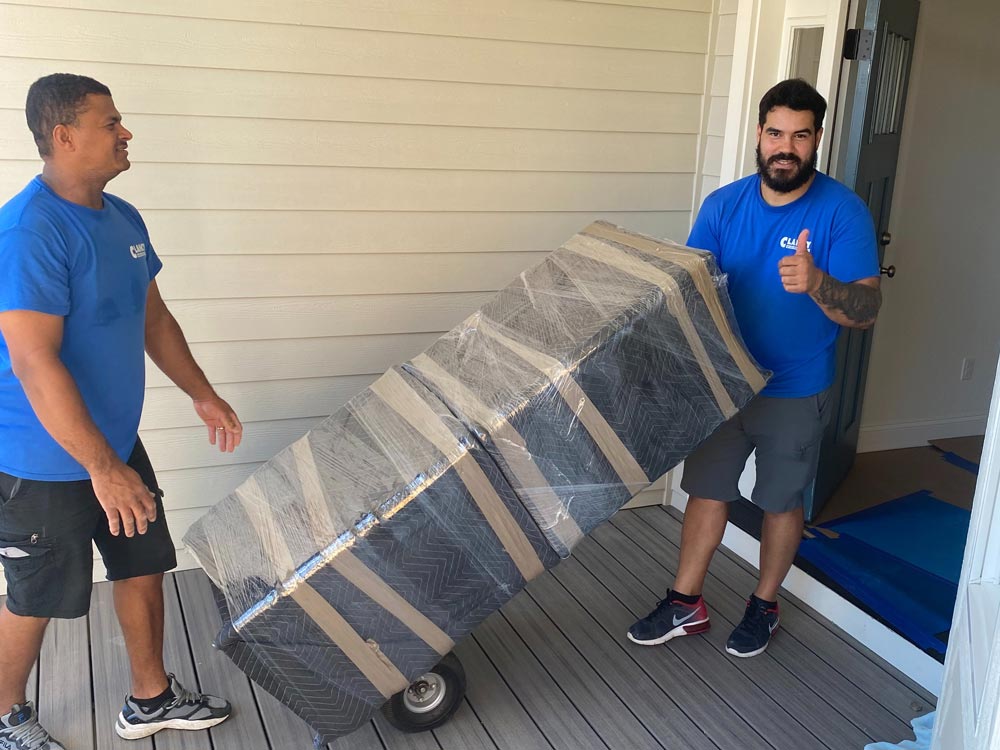
mover carrying clancy boxes

4. Customer Support

Strong customer support reflects the quality and reliability of storage services. Knowledgeable, approachable staff can make the process smoother and stress-free.

Characteristics of Excellent Customer Support

  • Friendly and Knowledgeable Staff: Staff members who are well-versed in the facility’s offerings can guide clients to the best solutions for their needs.
  • On-Site or Remote Assistance: High-quality storage services provide accessible support, whether it’s in-person at the facility or via phone or online platforms.
  • Proactive Problem Resolution: A facility that promptly addresses concerns or issues demonstrates a commitment to customer satisfaction.


5. Additional Services and Amenities

High-quality storage services go beyond basic unit rental to offer value-added features and amenities that enhance convenience and practicality.

Examples of Value-Added Services

  • Packing Supplies: Many storage services offer packing materials like boxes, bubble wrap, packing tape, and protective covers directly on-site or as part of their service package. These supplies simplify the packing process, ensuring that items are properly secured and protected during transportation or while in storage.
  • Moving Assistance: Storage facilities often partner with moving companies or provide resources such as dollies, carts, and even staff assistance to help clients move items into storage. This level of support can significantly reduce the effort required to transport heavy or bulky items.
  • Coverage Options: Many offer valuation or coverage options to protect stored items in case of unforeseen incidents like fire, flooding, or other events. This added layer of protection provides peace of mind to clients storing valuable possessions.


Streamline Storage Solutions with Clancy Relocation & Logistics!

Clancy Relocation & Logistics delivers reliable, secure, and versatile storage services designed to meet diverse needs. From safeguarding personal belongings to managing business inventory, the services include advanced climate-controlled units and multiple access systems to ensure items remain protected and readily available. With expert handling and tailored solutions, every detail is managed efficiently, providing seamless and stress-free storage experiences.

Get started today by contacting Clancy Relocation & Logistics for customized storage solutions that fit any requirement!

Relocating across state lines can be a complex and overwhelming process, requiring careful planning and reliable support. Choosing the right moving company is crucial to ensure your belongings are handled with care and the move is executed smoothly. Interstate moving companies vary widely in quality, so it’s important to know what sets the best ones apart. 

To make your relocation seamless and stress-free, here are the key characteristics to look for:

1. Experience and Expertise

A moving company’s track record speaks volumes about its ability to handle complex interstate moves. Experience ensures that movers can tackle unexpected challenges while maintaining high levels of efficiency and professionalism.

Key Experience to Consider

  • In-Depth Knowledge of Regulations: Interstate moves involve compliance with federal and state regulations. Experienced movers understand these laws and ensure all legal requirements are met.
  • Proven Logistics Management: From organizing schedules to managing routes, seasoned companies know how to optimize the moving process.
  • Skilled Staff: Movers who have undergone extensive training can handle belongings with care, reducing the risk of damage.


2. Licensing and Accreditation

Interstate moving companies must meet specific legal requirements to operate across state lines. Ensuring a company is properly licensed and accredited is critical for protecting customers and their belongings.

Key Credentials to Look For

  • Department of Transportation (DOT) Number: Legitimate interstate moving companies are registered with the Federal Motor Carrier Safety Administration (FMCSA) and have a DOT number, ensuring adherence to safety and legal standards.
  • Membership in Industry Associations: Companies that belong to organizations like the American Moving and Storage Association (AMSA) often demonstrate a commitment to ethical practices and quality service.
  • State Licensing: Some states require additional permits for movers. A trustworthy company will have all the necessary credentials.


3. Comprehensive Services

The best interstate moving companies offer a wide range of services to meet their clients’ diverse needs. Whether it’s a full-service move or specific add-ons, flexibility is a hallmark of top providers.

Essential Services to Expect

  • Packing and Unpacking Assistance: Professional packing saves time and ensures fragile items are protected. Unpacking services make settling into a new home easier.
  • Storage Solutions: Secure, short- or long-term storage options can be invaluable for those with complex moving schedules.
  • Specialized Handling: Companies that offer services for fragile, oversized, or high-value items, such as pianos or antiques, demonstrate superior capability.

clancy movers


4. Transparent Pricing

Pricing clarity is a key feature that sets the best interstate moving companies apart. Transparency in estimates and billing helps customers avoid unexpected costs and ensures trustworthiness.

Traits of Transparent Pricing

  • Detailed, Upfront Estimates: Reliable movers provide written estimates that outline all costs, including labor, materials, and transportation.
  • Binding or Guaranteed Quotes: Many reputable companies offer binding estimates or guaranteed pricing, which ensures customers won’t face surprise fees.
  • Itemized Billing: Clear, itemized invoices break down costs, making it easier to understand exactly what’s included.


5. Customer Reviews and Reputation

A strong reputation is a clear indicator of a company’s reliability. By researching feedback from past clients, individuals can gauge the quality of service provided by interstate moving companies.

How to Evaluate Reputation

  • Positive Reviews on Trusted Platforms: Consistently high ratings on review sites like Google, Yelp, and the Better Business Bureau reflect satisfied customers.
  • Testimonials on Company Websites: Direct customer feedback highlights specific strengths, such as professionalism, punctuality, or careful handling of items.
  • Awards or Recognition:  Industry accolades or local business awards often signal exceptional service quality, setting top interstate moving companies apart from the competition. Winning such awards not only highlights their commitment to excellence but also boosts consumer confidence


6. Valuation and Liability Coverage

Protecting belongings during transit is crucial for any move. The best interstate moving companies provide comprehensive valuation options and clear policies for handling damages or loss. However, moving scams remain a significant risk. According to the Better Business Bureau, 5,918 complaints were filed against moving companies in 2023, with victims losing an average of $350.


Common issues include no-shows, unexpected upcharges, and stolen belongings. Choosing a reputable company with transparent practices is essential to safeguard your items and avoid costly mistakes.


Key Valuation Features

  • Basic Carrier Liability Coverage: Federally required coverage provides minimal protection based on item weight, but many moving companies, like Clancy Relocation & Logistics, offer enhanced options for greater peace of mind.
  • Full Value Protection: This option compensates for the full replacement value of damaged or lost items, giving clients added peace of mind.
  • Clear Claim Policies: Reputable companies streamline claim processes, resolving issues promptly and professionally. With a trusted partner like Clancy Relocation & Logistics, clients can rely on transparent policies that prioritize their satisfaction and peace of mind.


Rely on Experts for Seamless Relocation!

Clancy Relocation & Logistics is here to take the stress out of your interstate move. With a proven track record of excellence, comprehensive services, and a team of seasoned professionals, they handle every detail of your relocation with care and precision. Trust Clancy to provide transparent pricing, reliable valuation options, and tailored solutions that meet your unique needs, ensuring a seamless transition to your new home.

Contact Clancy Relocation & Logistics now!

Relocating across state lines can be an overwhelming task, especially when coordinating moving and storage services. Whether transitioning for work, family, or personal reasons, careful planning and organization are crucial. 

Here are six tips that provide professional, actionable advice to ensure a smooth and stress-free process.


1. Plan and Set a Timeline

Interstate moves require detailed preparation to avoid complications. Setting a clear timeline early in the process allows for smoother coordination with moving and storage providers. According to recent data, 58% of American workers report being so busy with daily tasks that they lack time to focus on anything beyond their immediate to-do list. This highlights the importance of proactive planning to ensure a successful and stress-free relocation, even amidst a busy schedule.

Steps to Plan an Effective Timeline:

  • Set a Target Move Date: Define the ideal relocation date, factoring in work schedules, family obligations, and seasonal demand for movers.
  • Create a Checklist: Include tasks such as hiring movers, decluttering, packing, and notifying utilities. A checklist ensures nothing is overlooked.
  • Allow Buffer Time: Build extra time into your schedule to accommodate potential delays in the moving and storage process.


2. Research and Compare Providers

Finding reliable moving and storage companies is essential for a successful interstate relocation. Investing time in research ensures you partner with reputable and cost-effective providers.

Key Factors to Evaluate When Comparing Companies:

  • Licensing and Coverage: Confirm that both movers and storage facilities are licensed and insured to operate across state lines.
  • Reputation and Reviews: Check online reviews, testimonials, and Better Business Bureau ratings to gauge reliability.
  • Pricing Transparency: Request detailed quotes that include all fees, such as fuel surcharges, packing services, and storage costs.


3. Understand the Logistics of Interstate Moves

Cross-state moves involve unique logistical considerations, from regulatory compliance to timing challenges. Being informed about these complexities can help ensure smooth coordination.

Important Considerations for Interstate Moves:

  • State-Specific Regulations: Some states have rules regarding the transportation of household goods. Ensure compliance to avoid legal or logistical hurdles.
  • Delivery Timelines: Verify estimated delivery windows and align them with your schedule. Long distances often mean longer wait times.
  • Storage Accessibility: If items need to be stored temporarily, confirm the facility’s access policies, security measures, and hours of operation.

Clancy Relocation & Logistics New York, NY


4.Pack Strategically

Packing effectively for an interstate move saves time, protects belongings, and ensures a hassle-free experience when accessing stored items.

Tips for Strategic Packing:

  • Separate Items for Storage and Immediate Use: Clearly distinguish items that will go into storage versus those needed upon arrival. This minimizes confusion later.
  • Use an Inventory System: Label boxes with specific descriptions and maintain a master list to track all belongings.
  • Protect Fragile Items: Use high-quality packing materials, such as bubble wrap, sturdy boxes, and packing paper, to safeguard delicate items during transit and storage.


5. Communicate Clearly with Service Providers

Maintaining clear and open communication with moving and storage companies reduces misunderstandings and ensures all parties are on the same page.

Questions to Ask Your Providers:

  • What Services Are Included?: Clarify whether services such as packing, unpacking and disassembly/reassembly are part of the package.
  • What Are the Payment Terms?: Confirm when payments are due and what forms of payment are accepted.
  • Who Is the Point of Contact?: Establish a single point of contact for updates, questions, or emergencies.


6. Prepare for Unexpected Situations

Interstate moves can be unpredictable, so it’s wise to anticipate and plan for potential challenges. Being proactive ensures you’re ready for anything that might arise.

Steps to Handle the Unexpected:

  • Create a Contingency Fund: Set aside additional funds for unforeseen costs, such as delays, extra storage time, or emergency repairs. Financial preparedness is becoming more common; in 2021, nearly 60% of people reported having emergency savings or “rainy day” funds.
  • Explore Valuation Options: Invest in valuation to protect belongings during transit and storage against damage or loss.
  • Stay Flexible: Be prepared to adjust dates or arrangements to accommodate weather, traffic, or other external factors.


Simplify Interstate Move with Clancy Relocation & Logistics!

Coordinating moving and storage services across state lines doesn’t have to be a daunting task. Clancy Relocation & Logistics specializes in providing seamless, reliable solutions tailored to meet unique relocation needs. From expertly managing logistics to offering secure storage facilities, Clancy Relocation & Logistics ensures every detail is handled with precision and care.

Trust Clancy Relocation & Logistics team with decades of experience to make interstate moving efficient, stress-free, and professionally executed. Call us now!

Moving can be an overwhelming process, but with the right preparation and strategies, it doesn’t have to be. Professional movers emphasize the importance of efficient packing to ensure a smooth transition. By adopting expert techniques, you can save time, protect your belongings, and reduce stress. 

Here are six essential packing tips to simplify your move and make the entire process manageable.

1. Start and Plan

Packing is not a task to be left for the last minute. Professional movers advise starting the process early to ensure everything is organized and ready by moving day.

Benefits of Early Planning

  • Time to Declutter: Starting early provides an opportunity to sort through items and remove what is no longer needed, making packing easier.
  • Avoid Last-Minute Chaos: A planned approach reduces stress and eliminates the rush to pack everything at once.
  • Smooth Packing Process: When time is on your side, you can focus on packing each room systematically without overlooking important details.

Steps to Create a Packing Timeline

  • Two Months Before the Move: Begin with non-essential spaces like storage rooms, basements, or attics. These areas often contain items you don’t use daily.
  • One Month Before the Move: Pack infrequently used items such as seasonal clothing, decorations, and spare linens.
  • Two Weeks Before the Move: Focus on daily-use items, but keep only what you need for the remaining days unpacked.
  • The Week of the Move: Pack essentials and finalize any loose ends, ensuring that boxes are sealed and labeled.

2. Declutter Before Packing

Before packing begins, it’s an ideal time to assess what is truly necessary. Professional movers highlight that decluttering not only simplifies the packing process but also significantly reduces the volume of belongings to transport. Research also indicates that a decluttered space can enhance focus and productivity, as everything is organized and in its proper place.

How Decluttering Simplifies Packing

  • Less Packing Effort: Reducing clutter means fewer items to organize, pack, and unpack.
  • Lower Moving Costs: Moving companies often base charges on weight or volume. Decluttering can save money by decreasing both.
  • Fresh Start in the New Home: Moving is an ideal time to let go of unnecessary items and start fresh with only the essentials.

Steps to Declutter Effectively

  • Sort Items by Category: Sorting items by category helps maintain organization throughout the decluttering process. Professional movers recommend creating distinct piles for items to keep, donate, sell, or discard. Tackling the task room by room ensures systematic progress and prevents feeling overwhelmed.
  • Evaluate Sentimental Items: Be selective about what to keep. While some items hold personal value, others may no longer serve a purpose.
  • Find New Homes for Unused Items: Unused items in good condition can be donated to charities or sold online or through a garage sale. Recycling or discarding items that are no longer usable ensures they don’t clutter the new space. Professional movers encourage this approach to make the move more efficient and purposeful.

3. Use Proper Packing Supplies

movers moving furniture out of the house

Using appropriate packing materials ensures the belongings are well-protected during transit. Professional movers always recommend investing in high-quality supplies for peace of mind.

Essential Packing Supplies

  • Sturdy Boxes: Durable boxes are key for safely transporting items. Use small boxes for heavier items and large boxes for lightweight ones.
  • Packing Tape: High-strength tape keeps boxes sealed, reducing the risk of spills or damage.
  • Bubble Wrap and Cushioning Materials: Fragile items like glassware, electronics, and ornaments benefit from added cushioning to prevent breakage.
  • Markers and Labels: Clear labels help movers and homeowners quickly identify the contents and intended room for each box.

4. Label and Organize

Efficient labeling is a simple yet impactful way to streamline the packing and unpacking process. Professional movers emphasize that proper labeling saves time and eliminates confusion.

Tips for Effective Labeling

  • Label by Room: Clearly mark each box with the name of the room it belongs to, such as “Kitchen,” “Bedroom,” or “Bathroom.”
  • Add Content Descriptions: Briefly describe the contents of the box, such as “Plates and Bowls” or “Winter Clothes,” for quick identification.
  • Color-Coding: Color-coding boxes with colored tape or stickers for specific rooms simplifies unloading and unpacking. This method, proven to increase productivity in many scenarios, saves time and reduces confusion during the move.
  • Numbering System: Assign numbers to boxes and maintain a master list to track everything, especially for large moves.

5. Pack Smart and Strategically

Packing isn’t just about filling boxes; it’s about maximizing space and minimizing risks. Professional movers recommend a systematic approach to packing for both efficiency and safety.

Strategic Packing Tips

  • Pack Heavy Items in Small Boxes: Small boxes are easier to lift and carry when packed with heavy items like books or cookware.
  • Light Items in Large Boxes: Reserve larger boxes for bulky but lightweight items such as pillows, comforters, or clothing.
  • Cushion Fragile Items: Wrap delicate items in bubble wrap, packing paper, or soft materials like clothing or towels to absorb shocks during transit.
  • Layer Items Strategically: Place heavier items at the bottom of boxes and lighter, more fragile ones on top for added stability.
  • Group Similar Items Together: Keep similar items in the same box to avoid unnecessary unpacking confusion.

6. Keep Essentials Accessible

Moving day can be hectic, so having an essentials box packed and accessible is crucial. Professional movers highlight the importance of setting aside items that are needed immediately upon arrival.

What to Include in the Essentials Box

  • Personal Care Items: Toothbrush, toothpaste, soap, and other hygiene essentials for the first few days.
  • Clothing: Pack a few days’ worth of outfits, including pajamas and undergarments, to avoid digging through boxes.
  • Electronics and Chargers: Keep phone chargers, laptops, and other devices easily accessible.
  • Important Documents: Safeguard IDs, medical records, lease agreements, and financial documents in the essentials box.
  • Basic Kitchen Supplies: Include utensils, a small pot, snacks, and water bottles for quick meals or refreshments.

Let Us Handle the Hard Work at Clancy Relocation & Logistics!

Moving can feel overwhelming, but we’re here to make it seamless. At Clancy Relocation & Logistics, our experienced professional movers, top-tier packing services, and tailored moving plans ensure that every detail is handled efficiently. From start to finish, we take the burden off your shoulders, giving you peace of mind and a smooth transition to your new home. Our commitment to exceptional service means your belongings are treated with the utmost care and precision. Let us provide you with a moving experience that’s organized, reliable, and completely stress-free.

Contact Clancy Relocation & Logistics today!

Moving is often a complex and overwhelming experience, but with careful planning and strategic preparation, it can become significantly more manageable and streamlined. For those hiring local movers, taking proactive measures ensures that belongings are safely handled, time is saved, and stress is minimized. From early decluttering and organizing to establishing clear communication with movers, every step plays a vital role in ensuring a smooth transition.

Here are five essential home preparation tips straight from local movers to help you save time, reduce stress, and make your move as seamless as possible

1. Declutter and Clean

Preparing the home starts with creating a clean and organized environment. A tidy, clutter-free space not only makes it easier for local movers but also reduces unnecessary delays.

  • Declutter Rooms: Systematically go through each room to identify items that are no longer needed. These can be donated, discarded, or sold to lighten the moving load and save on packing materials.
  • Proper Disposal: Hazardous materials, such as paint, chemicals, and batteries, must be disposed of properly, as movers are unable to transport these items. Even empty containers of hazardous household waste (HHW) can pose risks due to residual chemicals, so they should be handled with care. Check local disposal guidelines to ensure compliance and safety during the process.
  • Furniture Care: Clean and dust large furniture pieces before moving day. This not only keeps them in good condition but also prevents transferring dirt and debris to the new home.


2. Pack Strategically

Packing is a crucial part of moving, and doing it strategically ensures that items are safely transported and unpacking is efficient.

  • Sort and Label Boxes: Organize belongings by room or category and clearly label each box with its contents. Use large, visible labels to indicate fragile items like “FRAGILE” or “HANDLE WITH CARE.” During the movers’ walkthrough, point out specific areas like cabinets or shelves with delicate items. This allows local movers to unload boxes into the correct locations, saving time during unpacking.
  • Prioritize Essentials: Prepare a box with essential items such as toiletries, clothes, medications, and basic kitchen supplies to be easily accessible during the first week in the new home.
  • Know Restrictions: Familiarize yourself with items that movers typically will not transport, such as flammable materials, perishables, and personal documents, to avoid last-minute surprises.


3. Designate a Staging Area

Establishing a designated staging area in the home is a highly effective way to streamline the moving process and ensure that local movers can work efficiently. A well-organized staging area minimizes confusion, keeps packed items consolidated, and reduces the time movers spend sorting and loading belongings.

  • Choose a Central Location: Identify a central and easily accessible space in the home, such as a garage, a spare bedroom, or a corner of the living room. This space should be large enough to hold packed boxes, small furniture, and other ready-to-move items without blocking pathways.
  • Group by Category: Organize the staging area by grouping items based on their destination in the new home, such as kitchen supplies, bedroom essentials, or living room décor. Label each group clearly so movers know exactly where items should go during unloading. This method not only speeds up the loading process but also ensures that boxes are placed in the correct rooms upon arrival, simplifying unpacking later.


4. Provide a Clear Inventory

A comprehensive inventory list ensures transparency and helps movers plan the loading process effectively.

  • Create a Detailed List: Document all items being moved, with a focus on large furniture and fragile belongings. This list also acts as a reference for checking items upon arrival.
  • Highlight Special Instructions: Note any specific handling requirements, such as keeping certain items upright or avoiding excessive stacking.
  • Offer a Visual Aid: Include photos or videos of valuable or complex items to assist movers in handling them appropriately.


5. Ensure Easy Access for Movers

Making the home easily accessible to movers is critical for an efficient and smooth moving day.

  • Clear Pathways: Remove rugs, furniture, or clutter from doorways, hallways, and driveways to provide clear paths for movers. This minimizes the risk of accidents and delays.
  • Plan Parking: Reserve a parking spot as close to the home as possible. This reduces the distance movers have to carry items, speeding up the process.
  • Communicate Special Needs: Share details about any unique challenges, such as narrow staircases, steep driveways, or specific unloading instructions, to help movers prepare in advance.


Streamline Your Moving Process with Expert Care from Clancy Relocation & Logistics!

Clancy Relocation & Logistics provides professional local movers dedicated to making every move efficient and stress-free. With our experience and attention to detail, every aspect of the relocation is handled with precision, from careful packing to secure transportation. Homeowners and businesses alike trust Clancy Relocation & Logistics to ensure a seamless transition, allowing them to focus on what matters most—settling into their new space. 

Ready to experience a stress-free move? Contact Clancy Relocation & Logistics today for a customized moving plan designed just for you. Let the experts handle the heavy lifting while you enjoy peace of mind and a fresh start! Call us now!

Managing personal belongings can quickly become overwhelming, especially with limited space in homes or during periods of transition. Professional storage services offer practical solutions for those seeking extra space or security for their valuables. These services provide both short-term and long-term storage options in secure, organized facilities designed to cater to a wide range of needs. Whether an individual is moving, downsizing, or simply looking for a better way to manage their possessions, storage services can make a significant difference. 

Here’s a closer look at the benefits they offer.

1. Enhanced Security for Belongings

Professional storage services provide a level of security for belongings that far surpasses typical home storage. From round-the-clock surveillance to restricted access, these facilities are designed to keep personal items safe from theft or unauthorized access.

  • 24/7 Surveillance: Most storage services have advanced surveillance systems to monitor activities around the clock, significantly reducing the risk of theft.
  • Controlled Access: With multiple access control systems in place to ensure only authorized individuals can enter storage areas, belongings are kept safe.

2. Protection from Environmental Damage

furniture assembling

Storage services often include climate-controlled units, an essential feature for protecting items from the elements. This protection is particularly valuable for items that can be affected by temperature fluctuations, humidity, and pests.

  • Temperature Control: Professional storage services maintain consistent temperatures, preventing damage from extreme heat or cold, which can warp or deteriorate materials like wood, electronics, and artwork.
  • Humidity Control: With controlled humidity levels, these facilities protect sensitive items such as documents, fabrics, and leather goods from moisture and mold.
  • Pest Prevention: Many storage services also implement pest control measures, ensuring belongings remain safe from potential infestations.

3. Increased Space and Organization at Home

Using storage services can also transform living spaces by reducing clutter and creating a more organized home environment. By moving infrequently used or seasonal items to a storage unit, homeowners and renters alike can free up space and enjoy a more comfortable living area.

  • Optimized Living Space: Storing seasonal items, such as holiday decorations or winter gear, frees up closets and attics, making daily spaces easier to manage.
  • Improved Organization: With fewer belongings at home, maintaining an organized living area becomes much simpler, creating a more peaceful environment.
  • Flexible Access to Stored Items: Storage services offer convenient access hours, making it easy to retrieve items as needed, whether they’re holiday decorations, winter sports gear, or archived files.

4. Stress-Free Moving or Transition Process

During times of transition, such as moving to a new home, renovating, or dealing with life events, storage services offer an invaluable solution for managing belongings. By providing a safe, temporary space for items, these services help ease the stress associated with major life changes.

  • Eases Moving Logistics: Storage units make it easier to pack, transport, and organize belongings, particularly if there is a gap between moving out and moving in.
  • Simplifies Renovation: When renovating, placing furniture and belongings in storage keeps them safe from dust, debris, and potential damage.
  • Accommodates Life Transitions: Storage services can be particularly beneficial during life changes, such as downsizing, inheriting belongings, or even periods of travel, allowing individuals to safely store items they’re not ready to part with.

Choose Clancy Relocation & Logistics for Reliable Storage Solutions!

Trust Clancy Relocation & Logistics to provide reliable, secure storage solutions tailored to meet any need. Whether it’s safeguarding valuables during a move, creating extra space at home, or protecting sensitive items from environmental damage, Clancy’s professional storage services offer the perfect solution. With flexible rental options, enhanced security, and climate-controlled units, Clancy ensures peace of mind and convenience for every customer.

Let Clancy handle the logistics of storage, so belongings stay protected and accessible whenever needed. Call us now!