Author Archives: Seamus Carey

Author: Seamus Carey

Seamus began his journey with Clancy at just 14, starting in the Library Division. Every summer, he returned to build on his growing knowledge and experience within Clancy’s diverse operations. After completing high school and gaining valuable internships throughout college at Clancy, he took on the role of crew leader in the Datacenter Relocation division, specializing in managing and relocating equipment in raised floor environments. By 2021, Seamus had transitioned into the position of Operations Manager for the Household Moving Division. In 2024, he expanded his expertise further by joining the sales team.

Table of Contents

Key Takeaways

How to Move to Another State: A Complete Guide

1. Plan the Move

2. Choose a Moving Company

3. Organize Belongings

4. Pack Efficiently

5. Coordinate With Movers

Frequently Asked Questions

Make a State-to-State Move Happen With Confidence!

Key Takeaways

Assign a relocation lead, set a budget, and coordinate early with the moving company to avoid delays.

Review all assets, remove unnecessary items, and share a detailed inventory list with the movers.

Label everything clearly, back up digital data, and prepare the new office layout in advance.

Oversee loading and unloading, ensure safe handling of sensitive equipment, and maintain clear communication.

Set up IT systems, confirm all items arrived safely, and support employees with clear guidance and resources.

Moving to another state can feel overwhelming without the right plan in place. From packing up every room to navigating logistics across state lines, each step requires careful thought and coordination. 

Working with a professional moving company can make the process much smoother by taking on the heavy lifting and helping avoid costly mistakes. With the right support and a clear plan, a long-distance move becomes far more manageable. 

Here are the key steps to follow when planning a move to another state with help from a trusted moving company.

How to Move to Another State: A Complete Guide

  • Plan the Move

Before anything is packed or scheduled, planning is the foundation of a successful long-distance relocation. For anyone figuring out how to move to another state, the first steps involve timing, research, and budgeting to avoid surprises later on.

Set a Moving Date

Choosing the right moving date sets the pace for the entire process. It’s a key step when considering how to plan a long-distance move and allows for smoother coordination with movers, leases, and other deadlines.

  • Pick a Realistic Timeline: Give yourself at least 6–8 weeks to handle packing, paperwork, and finding a professional moving company. This helps avoid last-minute stress and gives enough time to follow important interstate moving tips.
  • Consider Work and School Schedules: Look at job start dates, school enrollments, and lease end dates before locking in a move. A well-chosen time frame makes it easier to settle in without overlapping obligations.
  • Check Mover Availability: Some companies book up quickly, especially during summer or end-of-month dates. Early booking gives more options and may even lead to better pricing.

State relocation

Research the New Location

Learning about the new state ahead of time helps make smarter decisions. When asking how to move to another state, understanding local life and logistics can make the transition smoother.

  • Understand Living Costs: Research rent, transportation, food, and taxes to compare with your current area. Budgeting accurately is one of the most important tips for moving across state lines.
  • Explore Neighborhoods: Look into local amenities, schools, parks, and public transit before choosing where to live. This step makes sure the area fits both lifestyle and daily needs.
  • Check Local Laws and Rules: Some states have different regulations for vehicle registration, tenant rights, or valuation coverage. Knowing these ahead of time helps prevent legal or financial issues after the move.

Make a Budget

Creating a detailed budget allows for smarter choices and fewer financial shocks. Anyone wondering how to plan a long-distance move needs to consider both moving costs and the setup in the new state.

  • Estimate Moving Costs: Contact professional moving companies to compare rates for full-service or partial assistance. These quotes are essential for building a reliable moving plan.
  • Add Travel Expenses: Account for fuel, hotel stays, flights, and meals during the journey. Many forget these when planning a move, but they can add up quickly.
  • Plan for Deposits and Fees: Include costs like rental deposits, utility setups, and application fees in the new state. These expenses often come all at once, right after the move.
  • Include a Buffer: Set aside extra money for last-minute changes or unexpected repairs. Having backup funds is one of the smartest interstate moving tips to reduce stress later.
  • Choose a Moving Company

Finding the right professional movers is one of the most important parts of planning a long-distance move. A reliable moving company can make the experience smooth, safe, and less stressful. 

Request Quotes From Multiple Movers

Start by gathering estimates from several companies. Comparing prices and services helps people understand what’s available and what to expect when budgeting for a move.

  • Ask for Detailed Estimates: Get written quotes that clearly list the services offered, size of the load, travel distance, and any extra charges. This makes it easier to compare options and avoid unexpected costs, which is helpful when learning how to plan a long-distance move.
  • Schedule In-Home or Virtual Surveys: Letting the mover assess the home in person or through video helps them give a more accurate quote. It also shows that the company is thorough, which is a good sign when considering tips for moving across state lines.
  • Watch for Low-Ball Offers: Extremely low prices often mean poor service, hidden fees, or unlicensed operations. Choosing a mover just for a cheap quote can lead to problems during the interstate move.

Check Licenses and Reviews

Looking into a moving company’s credentials ensures they are legitimate and trusted. This is one of the most important interstate moving tips to follow.

  • Confirm USDOT Number: For any move across state lines, the company must be registered with the U.S. Department of Transportation. This number can be verified online and is a strong sign the company is operating legally and safely.
  • Read Verified Customer Reviews: Go through reviews on trusted websites like Google, Yelp, or the Better Business Bureau to see real customer experiences. Reviews reveal how the company handles issues and can guide smarter decisions for those figuring out how to move to another state.
  • Check Years of Experience: Companies with a long track record are more likely to deliver reliable and professional service. Experience matters especially during long-distance moves that need careful planning and coordination.

Confirm Valuation and Services Offered

Not all movers offer the same services or coverage. It’s important to understand what is included before signing any contract.

  • Ask About Liability Coverage: Basic protection is often included, but for valuable or fragile items, full-value protection gives better peace of mind. Valuation coverage is an essential part of smart interstate moving tips.
  • Look for Add-On Services: Many companies offer extra services like packing, unpacking, or temporary storage. Knowing these options in advance helps people figure out how to plan a long-distance move based on their needs.
  • Understand the Delivery Window: Always check how long delivery will take and what happens in case of delays. A clear delivery timeline is key to managing expectations when moving across state lines.
  • Organize Belongings

organizing belongings

Getting everything in order before a move is one of the most important steps in preparing for a successful transition. For those wondering how to move to another state, organizing early helps reduce stress, lower moving costs, and makes unpacking much easier. 

Sort and Declutter Items

A good first step is to go through every room and decide what’s worth bringing to the new home. Decluttering helps limit the number of boxes and avoids wasting space with unnecessary belongings. This is a smart approach when considering how to plan a long-distance move.

  • Group Similar Items Together: Begin by placing similar items—such as kitchen utensils, clothes, books, or tools—in the same area. This makes it easier to evaluate what’s essential.
  • Eliminate What’s Not Needed: Set aside anything broken, outdated, or unused in the last year. Think honestly about whether each item still serves a purpose. A survey shows that 70% of Americans find that having a clean home gives them a sense of accomplishment, reinforcing how beneficial decluttering can be not just for the move, but for overall well-being.
  • Use a Three-Pile Method: Sort everything into “keep,” “donate,” or “sell” piles. This keeps decisions simple and creates instant direction for next steps.

box labeling

Decide What to Keep, Sell, or Donate

Making clear choices about what to bring is especially helpful for those searching for interstate moving tips. Carrying fewer items not only cuts costs but also ensures a smoother experience.

  • Keep High-Value or Essential Items: Choose to keep things that are regularly used, expensive to replace, or have emotional value. These include personal electronics, important kitchenware, and sentimental keepsakes.
  • Sell Items in Good Condition: Furniture, home decor, or unused appliances can be sold through local marketplaces or garage sales to make extra cash before the move.
  • Donate to Trusted Charities: Gently used clothing, toys, and household items are great for donation and help others in the process. Contact local donation centers to schedule pickups if needed.

Create an Inventory List

An inventory list serves as a master reference for all items being moved. It helps track what’s packed, simplifies unpacking, and protects against loss. Anyone looking for tips for moving across state lines should make this step a priority.

  • Document Items by Room: Write down belongings according to the room they came from, such as “Living Room – TV, coffee table, bookshelf.”
  • Include Notes About Condition: Mark if something is fragile or already slightly damaged. This helps with packing decisions and valuation claims if needed.
  • Take Photos for Backup: A visual record can help with organizing and provide proof in case of damage or missing items.
  • Pack Efficiently

Packing well is a big part of making a move to another state easier and less stressful. A good packing plan keeps items safe, helps with unpacking, and saves time and money. 

Get Packing Supplies

Before packing starts, it’s important to gather the right materials. This step helps prevent damage to items and makes everything easier to carry.

  • Sturdy Cardboard Boxes: Use different sizes to match different items. Small boxes work best for heavy things like books, while large boxes are good for light, bulky items like blankets.
  • Packing Tape: Choose strong tape that seals boxes securely. Weak tape can cause boxes to open during transport.
  • Bubble Wrap or Packing Paper: These help protect fragile items such as dishes, glassware, and electronics.
  • Plastic Wrap: Use this to keep drawers closed and bundle loose items together.
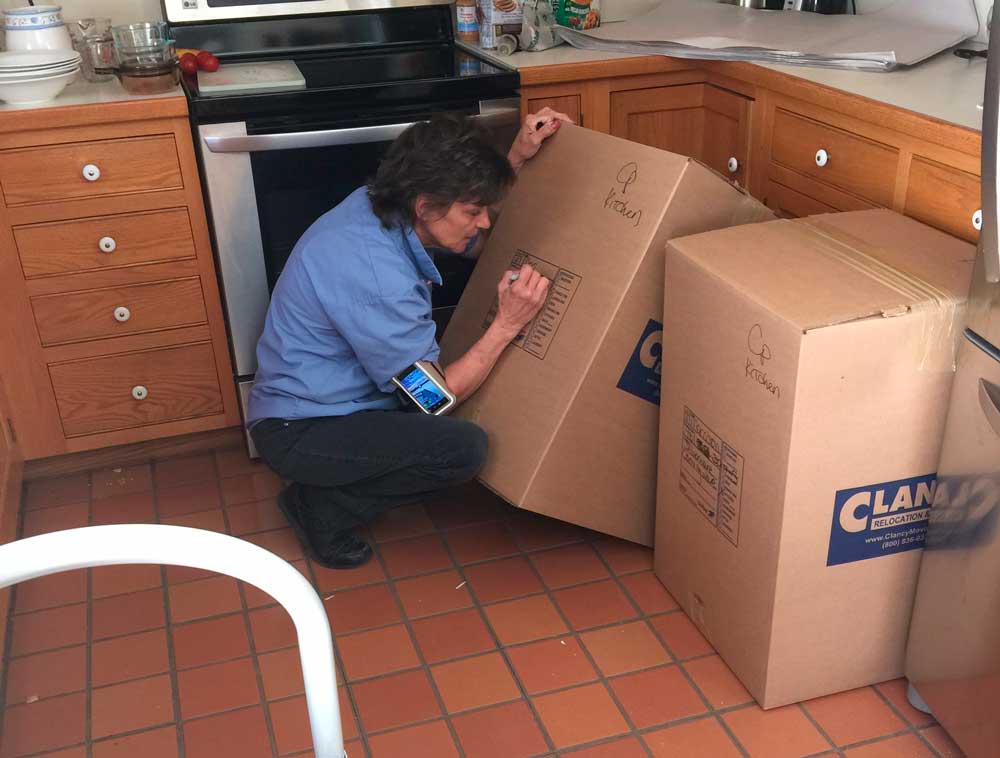
  • Markers or Labels: Every box should be clearly labeled so movers and the person unpacking can tell what’s inside and where it should go.

moving boxes

Label Boxes Clearly

Labeling makes unpacking faster and keeps items from being misplaced during the move. This is especially helpful when moving across long distances and working with a professional moving team.

  • Use Large, Easy-to-Read Letters: Write the name of the room and a few of the main items inside. For example: “Kitchen – Plates, Cups, Utensils.”
  • Add Special Handling Notes: Mark boxes as “Fragile,” “Heavy,” or “This Side Up” when needed to help movers handle them properly.
  • Color-Code by Room: Use colored stickers or markers to assign a color to each room. This helps the movers place boxes in the right areas of the new home quickly.

Pack by Room and Category

Packing room by room helps stay organized and makes unpacking much easier. It also helps avoid mixing items that don’t belong together.

  • Start with Least-Used Rooms: Begin packing in areas like the guest room or storage closets. This allows daily life to continue with minimal disruption.
  • Keep Similar Items Together: Pack items that serve the same purpose in the same box, like all cooking utensils or office supplies. This way, it’s easier to set things up later.
  • Use a Packing Checklist: Writing down what goes in each box helps track items and avoids forgetting anything important.

Get Help With Packing Decisions

Packing can be overwhelming, especially when unsure what’s safe—or unsafe—to include. To make the process easier, Clancy Relocation & Logistics offers a helpful checklist that outlines what to pack and what to avoid

This extra resource removes guesswork and gives clear packing direction. It’s especially useful for first-time movers trying to figure out how to move to another state efficiently.

  • Coordinate With Movers

Working with a professional moving company makes long-distance relocation smoother, but it’s important to stay organized and communicate clearly. It’s one of the most practical parts of learning how to move to another state, and a key part of keeping stress levels low.

clancy team loading items

Confirm Details And Logistics

Clear communication ensures that the move runs on time and with no surprises. Double-checking the details ahead of time helps both the customer and the movers feel confident and prepared.

  • Moving Date and Time: Confirm the exact day and time the movers will arrive to avoid scheduling issues.
  • Addresses: Verify both the current and new addresses with the company to avoid delivery mistakes.
  • Services Included: Review what’s covered in the move—packing, unpacking, special handling, or storage.
  • Payment Details: Go over the total cost, accepted payment methods, and when payment is expected.
  • Point of Contact: Make sure there’s a direct contact at the moving company in case questions come up during the move.

Be Available During Loading

Being present while the moving truck is loaded helps avoid misunderstandings and allows quick decisions if anything unexpected comes up.

  • Answer Questions: Movers might need quick answers about specific items or access points.
  • Verify Inventory: Cross-check the inventory list to ensure everything packed is accounted for.
  • Sign Documents: Be ready to review and sign any required paperwork for loading or transport.
  • Secure Valuables: Personally hold onto important documents, cash, or jewelry to prevent loss or mix-ups.

Frequently Asked Questions

State-to-State Move

Make a State-to-State Move Happen With Confidence!

Relocating to a new state takes more than packing boxes—it takes coordination, timing, and a trusted partner. That’s where Clancy Relocation & Logistics comes in. With years of experience handling long-distance moves, our team ensures every step is handled with care and professionalism. From confirming logistics to settling in at the new address, every detail matters.

Get expert help from Clancy Relocation & Logistics—request a quote today and start the move with a team that gets it right!

Table of Contents

Key Takeaways

10 Essential Questions About Secure Storage Units

  1. What Type of Access Control Systems Are in Place?
  2. How Is the Facility Monitored?
  3. Are the Units Climate-Controlled?
  4. What Measures Protect Against Fire or Water Damage?
  5. How Often Is the Facility Maintained?
  6. What Happens in Case of a Power Outage?
  7. Are There Any Limits on What Can Be Stored?
  8. Is Valuation Available or Required?
  9. How Is Tenant Identity Verified?
  10. What Protocols Are in Place for Emergencies?

Frequently Asked Questions

Secure Peace of Mind With Trusted Storage Support!

Key Takeaways

Ask how access is managed to ensure only approved individuals can enter secure storage areas.

Learn how the facility is monitored to confirm it’s under constant surveillance for added protection.

Check how climate control is handled to keep sensitive items safe from temperature and humidity damage.

Understand how the facility is protected against fire and water threats to reduce the risk of loss.

Ask how often the property is maintained to ensure it stays clean, functional, and secure.

Find out how the facility operates during power outages to maintain safety and security systems.

Clarify how storage restrictions are enforced to avoid storing hazardous or unapproved items.

Confirm how valuation works and whether it’s a required part of the rental agreement.

Ask how tenant identity is verified to ensure access is granted only to legitimate users.

Learn how the facility prepares for emergencies to keep items secure in unexpected situations.

When it comes to storing valuable belongings, not all storage options offer the same level of protection. While many people focus on price or location, there are often overlooked details that make a significant difference in keeping items safe and intact. From security measures to emergency protocols, knowing what to ask can help in choosing the right facility with confidence.

Here are 10 important questions to consider when looking into secure storage units.

10 Essential Questions About Secure Storage Units

Storage Units

1. What Type of Access Control Systems Are in Place?

Choosing secure storage units means prioritizing the way a facility restricts and tracks who can enter the premises. One of the most important aspects of high-security storage facilities is how effectively they can keep unauthorized individuals out while making it easy for verified users to access their belongings.

Examples of Access Control

Some reliable secure self-storage solutions use multi-tiered access systems that are designed to create strong barriers and controlled movement throughout the property. However, access control levels vary per provider. To clarify storage access options and availability, it’s best to contact trusted companies like Clancy Relocation & Logistics. 

In general, these may include:

  • Electronic Gate Entry Systems: These systems allow only approved renters and staff to access the premises using encrypted access cards, mobile credentials, or digital keypads. Every access is logged, creating a traceable record of who entered and when.
  • Individual Unit Security: Beyond general property access, each storage unit has its own security system, typically involving heavy-duty padlocks or cylinder locks, which add an additional level of protection for stored belongings.
  • Access Logs and Time Restrictions: Some facilities restrict access to specific hours and use digital logging to monitor entry activity. This helps identify any unusual patterns and adds an additional layer of accountability.
  • Remote Access Capabilities: Certain secure storage solutions offer remote access control for management teams, allowing them to lock or unlock areas instantly in case of emergencies or suspicious activity.

2. How Is the Facility Monitored?

Security doesn’t stop at the gate. The way a storage facility is monitored daily has a huge impact on how well it can protect renters’ items. Facilities that promote themselves as the best secure storage nearby typically invest heavily in continuous, visible surveillance systems to prevent theft, damage, or suspicious behavior.

Key Monitoring Features

Surveillance technology and smart monitoring systems are at the heart of most high-security storage facilities, working 24/7 to safeguard everything on-site. Not all companies are capable of offering these features, so contacting providers like Clancy Relocation & Logistics can help clarify what’s available. 

Key monitoring features include but are not limited to: 

  • 24/7 Video Surveillance: Some of the best secure storage near me like Clancy Relocation & Logistics offer high-definition cameras positioned throughout the facility to provide constant coverage of key areas including entrances, exits, hallways, and storage unit rows. This constant monitoring helps deter criminal behavior and serves as a useful resource for resolving disputes.
  • Motion-Sensing Cameras: These cameras detect movement in specific areas and trigger immediate recording or alerts. They help capture activity that may not be seen in regular surveillance and can be set to monitor off-hours for added protection.
  • Centralized Monitoring Stations: Footage from all cameras is streamed to a central monitoring location where staff or digital systems keep watch in real-time. This allows for a quick response if anything unusual happens.
  • System Backups and Redundancy: The best secure storage has backup power sources and offsite data storage to ensure that video footage is not lost during power outages or system failures. This ensures continuity and accountability in any situation.

3. Are the Units Climate-Controlled?

Many people storing items in secure storage units forget to consider the impact of temperature and humidity. However, this can make a major difference when it comes to protecting certain belongings from long-term damage.

Why Climate Control Matters

Climate-controlled units help maintain a stable internal environment, which can prevent deterioration, especially in regions with seasonal temperature swings or high humidity. This feature is a core part of any high-security storage facility such as Clancy Relocation & Logistics that prioritizes item preservation.

  • Protection Against Extreme Temperatures: Items such as wooden furniture, vinyl records, and electronics can warp, crack, or malfunction when exposed to fluctuating temperatures. A climate-controlled unit keeps temperatures consistent year-round.
  • Humidity Regulation: Excess moisture in the air can lead to mold, mildew, and corrosion. Climate control keeps humidity levels in check, especially beneficial for paper items, artwork, and fabrics.
  • Preservation of Sensitive Materials: Photographs, antiques, musical instruments, and wine collections all require stable environments. Climate-controlled storage supports the long-term preservation of such delicate possessions.

4. What Measures Protect Against Fire or Water Damage?

While many assume storage units are automatically safe from natural disasters, that’s not always the case. Asking what protections are in place against fire or water damage helps ensure the chosen unit meets a true safe and secure self-storage standard.

Built-In Safety Features

Reliable secure storage units incorporate multiple layers of infrastructure to safeguard items from both accidental and environmental hazards.

  • Fire Suppression Systems: Top-tier secure self-storage solutions include modern fire prevention features such as smoke detectors and sprinkler systems. These systems respond quickly, helping to stop fires before they spread.
  • Water-Resistant Construction: Facilities that are thoughtfully designed may use materials that resist flooding or leakage. Raised flooring, sealed walls, and sloped drainage help protect against rainwater or plumbing issues.
  • Early Warning Systems: Alarms connected to fire and flood detection systems can notify management immediately, allowing for a quicker response.
  • Proactive Facility Design: Storage areas are often divided into zones to limit damage in case of an incident, providing peace of mind to customers using high-security storage facilities.

5. How Often Is the Facility Maintained?


mover

Routine maintenance is a crucial part of what makes secure storage units truly dependable. Cleanliness, operational checks, and general upkeep all play a role in keeping stored items safe and in top condition. When facilities prioritize upkeep, it reduces risks and strengthens the reliability of their storage solutions.

Why Maintenance Matters for Security and Safety

Without consistent maintenance, even the most high-tech secure storage units can develop vulnerabilities. From structural integrity to pest prevention, a well-maintained site supports both security and customer satisfaction.

  • Routine Inspections: Staff regularly walk through the facility to identify and resolve any issues, such as broken locks, damaged doors, or lighting outages.
  • Pest Control Measures: Scheduled treatments are used to prevent infestations that could damage stored items.
  • Cleanliness Protocols: Units, hallways, and access areas are cleaned regularly to avoid clutter or hazards that could interfere with safety.
  • Structural Repairs: Any wear and tear, including wall cracks or leaking roofs, is addressed promptly to maintain the durability of the storage spaces.

6. What Happens in Case of a Power Outage?

Power outages can compromise more than just lighting—they may impact surveillance systems and climate control. That’s why high-security storage facilities plan for these situations well in advance.

Backup Systems Ensure Continuous Protection

Reliable secure self-storage solutions include systems that keep operations running, even when the main power supply fails. These features help ensure belongings are protected at all times.

  • Emergency Lighting: Battery-powered lights in hallways and entry points help maintain visibility during outages.
  • Security System Backups: Surveillance cameras and access control systems often have uninterruptible power supplies (UPS) or generators to stay active.
  • Climate Control Continuity: For facilities with temperature-sensitive units, backup power maintains the internal climate, protecting valuables like documents, electronics, or antiques.
  • Rapid Response Protocols: Staff are trained to respond quickly, ensuring the building remains locked down and monitored throughout the outage.

7. Are There Any Limits on What Can Be Stored?

Safe and secure self-storage units are designed to protect belongings, but not everything is allowed inside. Understanding what can and cannot be stored helps maintain the integrity and safety of the facility and other tenants.

Common Storage Restrictions

Most high-security storage facilities have clear guidelines in place to prevent hazards and ensure compliance with safety standards.

  • Hazardous Materials: Items like gasoline, propane, fireworks, and paint thinners are typically prohibited due to fire or explosion risk.
  • Perishable Goods: Food, plants, and anything that can spoil are not allowed as they attract pests and cause odor issues.
  • Weapons and Ammunition: Many storage solutions do not allow firearms, ammunition, or explosives unless specific policies permit them.
  • Illegal Items: Any items that are illegal to own or transport are strictly banned and may result in law enforcement notification.

8. Is Valuation Available or Required?

Valuation is a key part of keeping stored items protected, even in facilities known for high standards. While unexpected events are rare, they can still happen—making coverage an important extra layer of protection. 

Understanding Storage Valuation Options

Storage solutions often give renters the option to insure their belongings, and in many cases, valuation may be a required part of the rental agreement. 

However, take note that policies and requirements can vary depending on the provider. It’s recommended to search for the best secure storage near me like Clancy Relocation & Logistics for accurate information and up-to-date pricing on coverage options.

  • Facility-Offered Valuation Plans: Many high-security storage facilities provide in-house valuation options that cover losses from theft, fire, or natural disasters. These are typically affordable and easy to set up during the rental process.
  • Homeowners or Renters Valuation Extensions: Some valuation policies extend coverage to off-site storage units. Renters should check with their provider to see if this applies to them.
  • Mandatory Valuation Requirement: Some facilities require proof of valuation before a rental agreement can begin. If a renter doesn’t have their own, the facility usually offers a basic plan to meet this requirement.
  • Coverage Limits and Exclusions: Valuation policies often have limits on claim amounts and exclusions for certain high-value or restricted items. It’s important to review the fine print.

9. How Is Tenant Identity Verified?

Security begins with controlled access—knowing exactly who enters and exits a facility is essential. A core function of high-security storage facilities is restricting entry to verified individuals only. 

Confirming tenant identities not only safeguards personal belongings but also strengthens the overall safety of the self-storage environment. In fact, research from 2021 revealed that passports were the most frequently forged form of identification, accounting for 39% of all detected fake documents—highlighting the critical need for thorough ID verification protocols.

Verification Methods That Build Trust

Reputable providers of secure storage units like Clancy Relocation & Logistics put clear processes in place to confirm tenant identity. These procedures not only prevent unauthorized access but also enhance overall accountability. As policies may vary, it’s best to ask the provider directly about their specific verification process to ensure all requirements are clearly understood and prepared for.

  • Government-Issued ID Checks: All tenants are required to provide a valid driver’s license, passport, or other recognized government identification at the time of signing the rental agreement.
  • Rental Agreement Signature Verification: Tenants sign a legally binding rental agreement that matches the identification presented. This step ensures legal clarity and tenant accountability.
  • Contact Information Confirmation: Facilities confirm personal details such as phone number, email, and emergency contacts. This allows for swift communication if any security issue arises.
  • Access Credential Issuance: After verification, tenants are issued unique entry credentials—such as key cards or unit-specific locks—limiting entry to authorized individuals only.

10. What Protocols Are in Place for Emergencies?

Emergencies can happen without warning, and the best secure storage nearby is expected to have comprehensive plans to deal with unexpected situations. Whether it’s natural disasters or on-site incidents, preparation is a sign of a truly secure storage unit facility. These protocols vary, so it’s recommended to communicate with trusted providers like Clancy Relocation & Logistics for confirmation. 

Emergency Preparedness at High-Security Storage Facilities

Having clearly defined safety protocols ensures that tenants’ items remain protected—even in worst-case scenarios. Here are some of the most important safety features to look for:

  • Emergency Response Coordination: High-quality facilities offering safe and secure self-storage coordinate with local emergency services. Staff are trained to follow response protocols and guide tenants if necessary.
  • On-Site Emergency Supplies: Many secure storage facilities keep emergency kits on-site, including flashlights, first-aid kits, fire extinguishers, and basic tools. These supplies support staff and emergency personnel during critical situations.
  • Tenant Communication Systems: Reliable storage providers use automated alert systems—like email, text, or app notifications—to keep tenants informed during emergencies. Clear communication ensures customers know the status of their units and any actions they may need to take.


Frequently Asked Questions

What should I look for during a facility tour?

During a facility tour, inspect the gates, fences, camera placement, lighting, and the condition of locks and doors. Ask about access hours, surveillance monitoring, and emergency procedures. Look for visible signs of maintenance and attentive staff presence. This firsthand evaluation helps ensure you’re selecting a truly secure storage unit.

What items are best stored in secure storage units?

Secure storage units are ideal for storing valuable items such as antiques, electronics, legal documents, jewelry, and business inventory. They’re also suitable for personal belongings during a move or renovation. High-value or sentimental items benefit from the additional protection provided by secure facilities. For fragile or temperature-sensitive items, choose a unit with climate control as well.

How do I choose a secure storage unit?

When choosing a secure storage unit, look for facilities with strong security measures like gated access, surveillance cameras, and on-site staff. It’s wise to read online reviews and check for theft reports or incidents at the location. Visit the site in person to assess the overall cleanliness and functionality of their security systems. The more transparency and security protocols a facility offers, the better protected your belongings will be.

Can businesses use secure storage units?

Yes, businesses frequently use secure storage units to store inventory, equipment, files, and excess supplies. These units offer a safe and organized space to manage assets without needing extra office space. Some facilities even provide units with electrical access and climate control for business needs. Always check the lease terms to ensure commercial use is allowed.

What should I avoid storing in a secure storage unit?

Even in secure units, you should avoid storing perishable goods, flammable materials, weapons, or illegal substances. These items can pose risks to your belongings and others in the facility. Most contracts explicitly prohibit such contents for safety and legal reasons. Always review the terms of service before storing anything potentially hazardous or restricted.

Secure Peace of Mind With Trusted Storage Support!

Choosing the right storage solution means more than just finding space—it’s about ensuring that every item is protected, accessible, and professionally handled. Clancy Relocation & Logistics provides access to secure storage units through high-security facilities designed for safety, reliability, and convenience. Our secure storage solutions are ideal for both any transitions and storage needs.

Connect with Clancy Relocation & Logistics today to explore the best secure storage options available!

Table of Contents

Key Takeaways

8 Essential Tips for First-Time Storage Unit Renters

  1. Evaluate Storage Unit Size
  2. Compare Facility Features and Environment
  3. Consider Location and Access
  4. Ask About Valuation and Payment Flexibility
  5. Research and Compare Providers
  6. Select the Right Facility and Reserve a Unit
  7. Pack and Prepare Belongings for Storage
  8. Move-In With Care and Maintain the Unit

Pros and Cons of Renting A Storage Unit for Long-Term Storage

Frequently Asked Questions

Secure the Right Storage Solution With Clancy Relocation & Logistics!

Key Takeaways

Choose a unit size that fits current needs without overpaying for unused space.

Look for facilities with climate control, security, and cleanliness that protect stored items.

Select a location that offers convenient access based on how often the unit will be visited.

Verify if the facility offers valuation and flexible payment options to avoid unexpected costs.

Check reviews and pricing from multiple providers to ensure reliable service and fair rates.

Reserve the unit early after confirming size, features, and availability.

Use quality packing materials and label boxes to protect items and stay organized.

Keep walkways clear, visit occasionally, and monitor conditions to preserve stored belongings.

Renting long-term storage is a practical solution for anyone needing extra space for seasonal items, business inventory, or belongings during life transitions like moving or downsizing. With so many unit sizes, features, and pricing options available, it’s important to understand how to choose the right facility, prepare belongings, and manage costs effectively.

Here are the essential steps every first-time renter should know when securing long-term storage facilities.

8 Essential Tips for First-Time Storage Unit Renters

organizing fragile boxes

Storing items for months or years calls for a thoughtful approach. Instead of relying on limited home space, choosing from reliable long-term storage facilities can offer security, convenience, and protection for belongings that matter.

1. Evaluate Storage Unit Size

Long-term storage planning starts with understanding how much space is actually needed.

  • Inventory Everything: Create a detailed list of what needs storing, including furniture, boxes, and seasonal or recreational equipment. A full inventory helps estimate the right unit size and avoid overpaying for unused space at long-term storage facilities.
  • Match Unit Size to Needs: Smaller units work for personal documents or small boxes, while larger units can fit full household items. Using online size guides or speaking with a facility rep can help identify the right unit.
  • Account for Future Additions: If the plan includes adding more items later, select a unit that leaves room for growth. This saves time and hassle in upgrading later at extended storage rental services.

2. Compare Facility Features and Environment

Every storage facility is different. Some offer basic amenities, while others include climate protection and enhanced accessibility.

  • Climate-Controlled Storage: These units regulate temperature and humidity consistently, helping prevent damage such as warping, rust, or mold in sensitive items like wood furniture, electronics, and paper-based materials. For example, extreme heat can degrade or slow down electronics, making long-term storage facilities with climate control a smart choice for long-duration storage.
  • Drive-Up Access Units: These make loading and unloading faster, especially for heavy or bulky items like appliances and furniture. Choosing safe long-term storage options with drive-up access is ideal for frequent movers or business storage.
  • Cleanliness and Maintenance: A clean facility is essential for preventing pests, moisture, or dust buildup over time. Ask how often the property is cleaned and inspected when touring long-term storage facilities.

3. Consider Location and Access

The facility’s location and how often items need to be accessed can influence the final decision.

  • Proximity to Home or Office: A nearby unit makes it easier to access belongings regularly or unexpectedly. Searching for the best long-term storage near me helps find the most convenient options.
  • Access Hours: Some facilities offer 24/7 access, while others have limited gate hours. Extended access is useful for travelers or those storing business materials in long-term storage facilities.
  • Security Features: Look for features like video surveillance, well-lit areas, and on-site management. These features are critical for choosing safe long-term storage options where frequent check-ins aren’t possible.

4. Ask About Valuation and Payment Flexibility

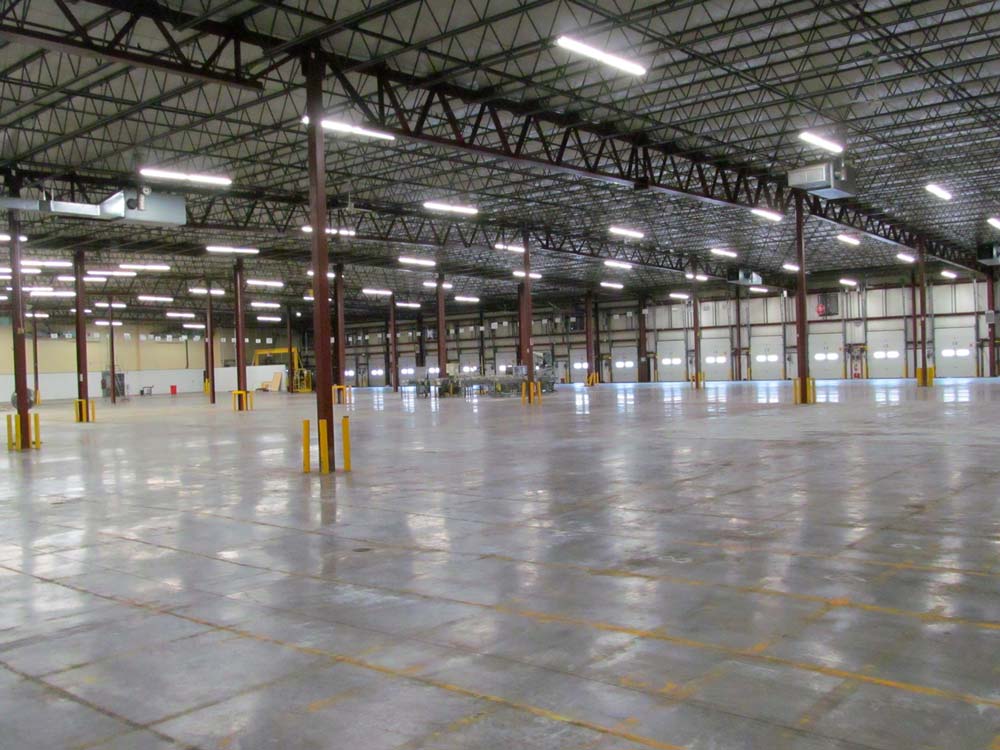
empty warehouse

Protecting stored items financially is just as important as choosing the right unit. However, keep in mind that pricing and policies can vary depending on the provider, so it’s recommended to consult reputable companies—such as Clancy Relocation & Logistics—for accurate, up-to-date information on coverage and flexible payment options.

  • Storage Valuation: Items in storage are not always covered by renters or homeowners valuation. Many extended storage rental services offer affordable valuation plans for long-term peace of mind.
  • Prepay or Auto-Pay Options: Prepayment discounts can lower monthly costs and lock in rates for long-term stays. Automatic payment options offered by long-term storage facilities also reduce the risk of missing due dates.
  • Online Account Management: Managing the rental online makes it easier to update information, make payments, or request assistance remotely. This feature is helpful for those using long-term storage facilities nearby while living or working away from the area.

5. Research and Compare Providers

Taking time to explore different providers will help in choosing the right storage solution.

  • Read Reviews and Ratings: Online reviews can offer helpful perspectives on a facility’s safety, cleanliness, and overall service. However, it’s important to approach them critically—according to a former U.S. federal criminal investigator, many reviews may be fake or paid, so cross-reference sources when researching the best long-term storage near me.
  • Tour the Facility: An in-person visit helps evaluate layout, security, and overall condition. This firsthand look ensures the selected provider offers safe long-term storage options suited to specific needs.
  • Compare Long-Term Plans: Different facilities offer unique long-term packages, including price breaks or free moving assistance. Ask about these benefits when comparing extended storage rental services.
  • Customer Support: Friendly, knowledgeable staff can make a big difference, especially when questions or issues arise. Positive service reviews often indicate reliable long-term storage facilities that value their customers.

6. Select the Right Facility and Reserve a Unit

Once research is complete, it’s time to make a decision and secure a unit. Choosing the correct facility is critical for both peace of mind and functionality.

  • Choose The Facility Type: Pick a facility type based on how much space is needed and how often access is required. Those searching extended storage rental services often benefit from flexible, scalable storage plans.
  • Make The Reservation: Once the type and size are confirmed, secure the unit by signing a rental agreement and submitting a deposit. Doing this early ensures availability at the best long-term storage near your location.

7. Pack and Prepare Belongings for Storage

Proper packing is essential to protect items in storage. Materials and packing strategies can significantly impact the condition of belongings after long periods.

  • Label and Categorize Boxes: Labeling each box with its contents helps streamline unpacking and access later. This organization method is especially useful for items placed in long-term storage facilities for months or years.
  • Use Quality Packing Materials: Sturdy materials such as bubble wrap, plastic bins, and packing tape help protect against moisture and physical damage. Quality packing is a must for anyone using safe long-term storage options.
  • Disassemble Furniture When Possible: Breaking down large pieces saves space and prevents damage during transport and storage. This is a common tip recommended by extended storage rental services.
  • Avoid Storing Perishables or Flammable Items: These items can spoil, attract pests, or create fire hazards if left in storage. Reputable facilities listed under long-term storage facilities near you usually restrict such items.
  • Clean and Ventilate Appliances: Before storage, clean appliances like refrigerators, ovens, or microwaves to prevent mold or odors. Keep doors slightly open to allow proper airflow and avoid moisture buildup.
  • Protect Furniture Surfaces: Dust and polish wooden furniture before storing to help preserve finishes. Use cotton sheets or furniture covers that allow airflow and avoid trapping moisture.
  • Use Appropriate Storage for Clothing: Store garments in breathable containers such as wardrobe boxes or plastic bins with lids. Place clothing in dry, dark, and cool areas to prevent fading or mildew.

8. Move-In With Care and Maintain the Unit

Once everything is packed, transporting items to the facility should be done with organization and caution. Regular check-ins help keep the unit in good condition.

  • Create an Aisle for Access: Leave a pathway in the center of the unit for easier access to items in the back. This is a small but smart tip that is often shared by staff at the best long-term storage providers near you.
  • Place Heaviest Items at the Bottom: Stack boxes and furniture with heavier items below to avoid collapsing or crushing. This helps maintain order, especially in long-term storage facilities with limited unit height.
  • Visit Periodically: Checking the unit every few months can catch early signs of damage, leaks, or pests. Many safe long-term storage options allow regular access during business hours.
  • Keep Inventory Records: Maintaining a list of stored items can make it easier to manage contents and avoid misplacement. This is especially helpful for businesses using extended storage rental services for overflow stock.

Pros and Cons of Renting A Storage Unit for Long-Term Storage

long-term storage facilities

Renting a storage unit can be a smart choice for those who need extra space over an extended period. But like any decision involving cost and convenience, there are both benefits and drawbacks worth understanding before committing.

When Long-Term Storage Makes Sense

For those in transition or downsizing, long-term storage facilities can offer flexibility and peace of mind. However, not all items are worth storing for long periods, especially when the value of the item does not match the cost of keeping it.

  • Home Renovation Or Relocation: During a home remodel or move, storage units provide a secure place for furniture and personal belongings. Many rely on long-term storage facilities to avoid damage or clutter during these times.
  • Seasonal Or Sentimental Items: Items like holiday decorations or keepsakes that are rarely used can be safely stored to free up home space. These are typically placed in safe long-term storage options where they remain protected until needed.
  • Business Overflow Storage: Companies often store documents, marketing materials, or surplus inventory offsite. Using extended storage rental services helps reduce in-office clutter and improves workspace efficiency.

Advantages Of Renting A Storage Unit

Storage units offer real value when used appropriately and with a plan. Their features and flexibility make them a practical solution for many individuals and families.

  • Long-Term Protection of Belongings: These specialized units protect sensitive items like electronics, artwork, and wooden furniture from temperature swings. Many people choose safe long-term storage options with climate control for long-term reliability.
  • Reduced Clutter at Home or Work: Storage units help create a more organized living or working environment by relocating infrequently used items offsite. This is especially helpful for those using extended storage rental services during life transitions or downsizing.
  • Peace of Mind: Knowing that belongings are stored in a safe, monitored space brings comfort to individuals and businesses alike. Many renters consider this one of the biggest benefits of using the best long-term storage solutions.
  • Short-Term Relief That Can Extend as Needed: Even if the original intent is temporary, many renters appreciate the ability to extend usage if needed. This makes long-term storage facilities useful for both planned and evolving storage needs.

Drawbacks Of Long-Term Storage

Although there are clear benefits, long-term storage can also come with potential downsides—especially if there is no clear plan or end date. Costs and access limitations are two major points to consider.

  • Monthly Costs Add Up: Over time, even a modest monthly fee becomes significant, especially if items are not retrieved. Those seeking extended storage rental services should calculate total cost versus item value.
  • Annual Price Increases: Many storage providers raise rates regularly, often after 12 months of rental. Renters searching for the best long-term storage should ask about pricing trends before committing.
  • Unintentional Item Neglect: It’s easy to forget what’s inside a unit, especially if it’s out of sight and out of mind. This leads many to continue paying for unused storage in long-term storage facilities without realizing it.

Other Considerations Before Committing To Long-Term Storage

Long-term storage works best when used with purpose and awareness. Without a plan or strategy, the storage unit can turn into an expensive holding spot for unused items.

  • Create an Exit Plan: Set a reminder to review the unit contents and contract terms every few months. This helps avoid paying indefinitely for extended storage rental services without a clear purpose.
  • Track Total Expenses: Automatic payments can make it easy to forget how much is being spent. Regularly reviewing bank statements helps assess if long-term storage facilities still make financial sense.
  • Reevaluate Storage Needs Over Time: Life changes—what was worth storing a year ago might no longer hold the same value. Reassess your storage contents annually and consider donating or selling unused items.

Frequently Asked Questions

How much is long-term storage?

The cost of long-term storage can vary widely depending on factors like the size of the unit, location, duration of rental, and whether climate control is needed. Keep in mind that rates and services can differ significantly between providers, so it’s recommended to check with reputable companies like Clancy Relocation & Logistics for accurate, up-to-date pricing and tailored storage solutions.

What is a long-term storage place called?

A place where items are stored for an extended period is commonly referred to as a long-term storage facility or a self-storage facility. These locations offer various types of units, including climate-controlled, indoor, and outdoor spaces, making them suitable for everything from personal belongings to vehicles. Many businesses and homeowners turn to extended storage rental services when they need a secure, off-site solution for excess items.

What is considered long-term storage?

Long-term storage generally refers to storing belongings for six months or longer. It’s commonly used during home renovations, relocations, or when downsizing, especially for items not used frequently. Most long-term storage facilities offer flexible terms, allowing renters to keep their items secure for several months or even years, depending on their needs. For more accurate information on what qualifies as long-term storage, including specific timeframes, features like climate control, and security options, it’s best to consult directly with Clancy Relocation & Logistics to find the solution that fits your needs.

Is it cheaper to rent a pod or a storage unit?

The cost comparison between a pod and a storage unit depends on specific needs, duration, and how far items need to be moved. While pods can offer on-site convenience and may be more cost-effective for short-term, local storage, their costs increase significantly over time, especially with delivery and relocation fees. In contrast, traditional storage units—especially from safe long-term storage options—often offer more stable monthly rates and better value for extended use. For most long-term storage needs, renting a unit at a facility is typically the more budget-friendly and practical solution.

What to know before renting a storage unit?

Before renting a storage unit, it’s important to evaluate what will be stored, how long it will be needed, and whether climate control is required. Researching long-term storage facilities near me, reading reviews, comparing prices, and checking security features can help ensure a good experience. Renters should also consider access hours, contract terms, and whether valuation is offered or required by the facility. 

Secure the Right Storage Solution With Clancy Relocation & Logistics!

Finding reliable and affordable storage is easier with a trusted partner like Clancy Relocation & Logistics. Whether the need involves seasonal storage, business overflow, or safeguarding personal belongings, our tailored solutions offer flexibility, protection, and convenience for any situation. We’re the best partner for your long-term storage needs! 

Contact Clancy Relocation & Logistics today to explore safe storage options that fit every need.

Table of Contents

Key Takeaways

6 Essential Hacks for Your Moving Packing Checklist

  1. Create a Master Packing Checklist Early
  2. Declutter Before Packing
  3. Pack by Room and Label Clearly
  4. Keep a “Moving Essentials” Box
  5. Consider Professional Packing to Save Time and Sanity
  6. Double-Check and Cross Off

Frequently Asked Questions

Make the Apartment Move Easier With Professional Packing Help!

Key Takeaways

Create structure and reduce stress by starting with a packing checklist early.

Declutter first to simplify packing and avoid bringing unnecessary items.

Pack by room and label clearly to stay organized and unpack efficiently.

Keep essentials in a separate box to access important items immediately.

Set daily packing goals to stay on track and avoid the last-minute rush.

Double-check and cross off items to prevent forgetfulness and ensure readiness.

Packing for an apartment move can feel like a high-stress juggling act—especially when you’re short on space, time, and patience. While a well-crafted packing checklist can bring order to the chaos and help you tackle tasks step by step, sometimes the most efficient and stress-free route is to call in the experts. Whether you’re a hands-on planner or someone ready to delegate, having a clear system—or trusted help—can make all the difference.

Here are six practical hacks to stay tidy and organized throughout the apartment packing process.

6 Essential Hacks for Your Moving Packing Checklist

Packing Tips

1. Create a Master Packing Checklist Early

Getting organized from the start is one of the most effective ways to reduce stress during a move. Having a well-structured packing checklist for moving apartments helps ensure nothing gets overlooked and that every step is handled on time. If planning isn’t your strong suit, Clancy Relocation & Logistics can help you kickstart your checklist with expert consultation and tailored move planning—perfect for turning overwhelm into action.

Start 3–4 Weeks Before Moving Day

Early planning provides the space to think through the move logically, without the pressure of looming deadlines. It also allows time to handle tasks like decluttering and buying supplies.

  • Build a Timeline: Creating a packing schedule at least three to four weeks ahead of moving day helps to spread out tasks and reduce overwhelm. This is a crucial part of any step-by-step packing guide for apartments.
  • Set Weekly Goals: Assign tasks to each week—for example, decluttering in week one, packing non-essentials in week two, and finishing high-traffic areas in week three.

Choose a Checklist Format That Works Best

Using the right format for the checklist helps keep the move tidy and organized from start to finish. The format should suit the person’s habits and make tracking progress easy.

  • Digital Checklists: Digital tools such as packing apps, spreadsheets, or mobile notes allow for flexible, on-the-go updates. These are ideal for those looking for the best way to pack for an apartment move using smart tools.
  • Printable Templates: A printed apartment moving packing list can be physically marked off and displayed in a visible area for daily reference. It provides a quick overview of progress and remaining tasks.

Organize by Category 

A strong checklist isn’t just a list—it’s a structured plan. Categorizing items ensures that nothing is missed and that packing happens in a logical, tidy way.

  • Essentials: List must-have items such as ID, important documents, medications, basic toiletries, and a few sets of clothes. These items should be packed last but noted first.
  • Room-by-Room Sections: Divide the list by room—bedroom, kitchen, living area, bathroom, and storage—to make packing more manageable and systematic.
  • Packing Supplies: Don’t forget to include packing materials such as boxes, bubble wrap, tape, scissors, and permanent markers. These are the tools that make the process smoother and cleaner.

Add Personal Reminders and Flexibility

Every move is different. The checklist should be treated as a living document that can be adjusted based on individual needs or changes in the plan.

  • Include Appointment Notes: Add reminders to book movers, notify utility companies, and schedule cleaning services. These small tasks are just as important as packing boxes.
  • Leave Room for Edits: As new tasks come up or plans change, update the checklist regularly to stay on top of everything without feeling overwhelmed. This flexible approach is key to following the best way to pack for an apartment move.

2. Declutter Before Packing

Getting rid of excess belongings is one of the most important early steps in any step-by-step packing guide for apartments. It clears physical space, lightens the load, and makes the entire process more efficient, from packing to settling into your new place. If you’re feeling overwhelmed by how much there is to sort through, Clancy Relocation & Logistics can step in with hands-on support—whether that means helping you downsize thoughtfully or professionally packing what matters most.

Why Decluttering Matters Before a Move

Clearing out unnecessary items before packing not only streamlines the move but also leads to a more precise packing checklist for moving apartments. Focusing on essentials minimizes the workload and cuts down on moving expenses. Studies have found that organized, clutter-free spaces help improve focus, reduce irritability, and enhance productivity, making both the packing process and the transition smoother overall.

  • Sort Items by Category: Divide belongings into four clear groups—keep, donate, toss, and sell. This makes decision-making easier and eliminates guesswork.
  • Reduce Packing Time and Supplies: Fewer items mean fewer boxes, less tape, and less stress. This streamlines the process and keeps the apartment tidy throughout.
  • Lighten the Moving Load: Letting go of non-essential items helps reduce the physical and financial weight of the move, especially for long-distance relocations.
  • Refine the Checklist: Once items are sorted, the apartment moving packing list becomes more accurate and easier to follow. It eliminates unnecessary clutter and ensures no important item is overlooked.
  • Make Room for What Matters: Keeping only what’s useful or meaningful makes unpacking and settling into the new apartment faster and more intentional.

3. Pack by Room and Label Clearly

Packing Tips

Packing one room at a time is one of the easiest ways to stay organized during a move. It keeps the process manageable, minimizes stress, and helps ensure nothing is overlooked. Many professional movers, like Clancy Relocation & Logistics, follow this method to keep moves efficient and well-structured, especially when handling packing services for clients.

Focus on One Room at a Time

Packing by room is the best way to pack for an apartment move because it brings clarity and structure to an otherwise hectic task.

  • Break It Down Room-by-Room: Focus on one space—like the kitchen or bedroom—before moving on to the next. This keeps packing manageable and prevents mixing up items from different rooms.
  • Assign Deadlines Per Room: Allocate time for each room based on the number of items. For example, give two days to the living room and one day to the bathroom, depending on how much there is to sort and pack.
  • Update the Checklist: Use an apartment moving packing list to mark completed rooms. Keeping track of progress helps maintain motivation and organization.

Use Color-Coded or Numbered Boxes

An organized box system simplifies both the moving and unpacking process. It also makes the step-by-step packing guide for apartments more effective when everything is clearly sorted.

  • Color Codes for Quick ID: Use colored tape, stickers, or markers to assign each box to a specific room (e.g., blue for the kitchen, red for the bedroom). Since colored objects are more easily perceived, remembered, and associated with identical shapes in the same color, this method helps ensure boxes are correctly placed upon arrival.
  • Number Boxes to Match Checklist: Assign each box a number that matches a section of the essential packing checklist for moving. For instance, “Kitchen Box #1 – Plates, Cups” matches a corresponding note in the checklist.
  • Create a Master Legend: Keep a written or digital reference list that explains the color or number system. This provides clarity for anyone helping with the move.

Label Contents and Destination Rooms Clearly

Proper labeling ensures nothing gets lost or misplaced, and it saves time when unpacking.

  • List Key Contents: Write the main items inside the box on the outside (e.g., “Sheets, Pillowcases, Towels”). This helps quickly identify needed items without opening multiple boxes.
  • Include Destination Room: Every box should note where it belongs in the new apartment—“Bedroom,” “Kitchen,” or “Bathroom.” This aligns with the packing checklist for moving apartments and avoids confusion during move-in.
  • Use Large, Legible Labels: Choose bold, waterproof markers or pre-printed labels. Clear visibility prevents issues in fast-moving environments, especially when multiple helpers or movers are involved.

4. Keep a “Moving Essentials” Box

The first 24 hours in a new apartment can be chaotic—so it’s crucial to have your must-haves close at hand. Clancy Relocation & Logistics suggests setting aside a clearly labeled “Day One” box with items you’ll need right away, even if the rest of your move is fully packed and managed for you.

The essentials box ensures that the most important items are immediately accessible upon arrival at the new apartment. Instead of tearing open random boxes, everything needed to get through the first 24–48 hours is in one place.

What To Include in a First-Day Essentials Box

These are the high-priority items everyone needs right away. They should be the first things packed and the last to be loaded into the moving truck:

  • Toiletries and Personal Care: Include toothpaste, toothbrush, deodorant, shampoo, body wash, toilet paper, hand soap, and a towel for each person.
  • Chargers and Electronics: Phone and laptop chargers, power banks, extension cords, and any adapters used daily.
  • Change of Clothes: Comfortable clothing, sleepwear, and undergarments for the first night and the next day.
  • Important Documents and Keys: Lease paperwork, ID cards, moving contracts, and keys to both the old and new apartments.
  • Basic Kitchen Supplies: One or two plates, cups, utensils, a bottle opener, snacks, bottled water, and instant meals or takeout menus.
  • Medications and First Aid: Prescriptions, allergy meds, bandages, and any essential over-the-counter items.
  • Cleaning Wipes or Spray: Quick-clean supplies to wipe down surfaces before settling in.

5. Consider Professional Packing to Save Time and Sanity

When you’re short on time or managing a busy schedule, packing can feel like too much. Professional movers like Clancy Relocation & Logistics can take the load off by handling everything from boxing to labeling.

Whether it’s a few rooms or the whole apartment, their team packs efficiently and securely — so you can stay focused on the move, not the mess. It’s a smart, stress-saving option when time and energy are in short supply.

Why It’s Worth Considering

Professional packing isn’t just about convenience—it’s about moving smarter. When time is tight or the to-do list is long, letting experts step in can make the entire process smoother from start to finish.

  • Saves Hours (or Days): Moving companies’ trained crew packs quickly and efficiently, often completing in a day what could take you several. That means less time surrounded by half-packed boxes and more time focused on the move itself.
  • Reduces Stress: Forget sourcing boxes, buying tape, or figuring out where to start. Moving companies like Clancy Relocation & Logistics bring all the necessary materials and follow a proven system to pack with order and speed — so you don’t have to overthink it.
  • Protects Your Belongings: From fragile kitchenware to bulky furniture, everything is packed using high-quality materials and professional techniques that reduce the risk of damage during transport.
  • Flexible Options: You don’t have to go all-in—moving services like Clancy Relocation & Logistics offer customizable packing services, whether you just want help with a few tricky areas or prefer to have everything handled from top to bottom.

6. Double-Check and Cross Off

As the moving day nears, take time for one last walk-through. Even with a solid checklist, it’s easy to miss small items or hidden spots. Movers like Clancy Relocation & Logistics recommend doing this final sweep a day or two before the move to ensure everything is packed, labeled, and ready to go, avoiding last-minute surprises.

Perform a Full Apartment Walk-Through

A slow, thoughtful walk-through is key to ensuring that nothing is forgotten. This is one of the most effective ways to catch missed items and finalize your apartment moving packing list.

  • Bedroom Check: Inspect under beds, behind furniture, and in closets. Small items like chargers, earrings, and books often get left behind in these hidden areas.
  • Bathroom Sweep: Look in drawers, medicine cabinets, and the shower. Toiletries, razors, and skincare products are commonly missed during initial packing.
  • Kitchen Review: Open every cupboard, drawer, and appliance. Perishables, cooking utensils, and cleaning supplies may still be sitting in hard-to-see spaces.
  • Living Room Review: Check behind entertainment units, inside couch cushions, and remove artwork or wall fixtures. Electronic accessories like remotes and HDMI cables are often left behind.

Use the Checklist to Cross Off Items Room by Room

Even the most efficient packing process can become disorganized without careful tracking. A reliable essential packing checklist for moving helps ensure everything is on schedule.

  • Match Packed Items to the List: Carefully compare what’s been packed to what’s listed on the essential packing checklist for moving. This confirms that no item is left out.
  • Physically Mark Completed Items: Use a pen, highlighter, or app to cross off items once they are fully packed or accounted for. This creates a visible sense of progress.
  • Note Any Last-Minute Additions: If anything was packed that wasn’t on the list, add it now to avoid confusion later during unpacking.

Organize Boxes and Clear Pathways

Good organization doesn’t stop when the last box is taped shut. Arranging the space to support a smooth exit is part of the best way to pack for an apartment move.

  • Group Boxes by Room or Priority: Stack boxes by where they belong (kitchen, bedroom, etc.) or label them with priority levels (unpack first, fragile, etc.). This helps movers—and the checklist—stay organized.
  • Remove Clutter From Hallways and Doors: A clean, open space helps prevent accidents and speeds up the loading process. It also ensures nothing gets left behind in hard-to-reach areas.

Frequently Asked Questions

How do I pack fragile items safely?

Wrap fragile items individually using bubble wrap, packing paper, or soft cloth. Use sturdy boxes and place heavier items at the bottom with lighter ones on top. Fill empty spaces with padding materials like crumpled paper or foam peanuts to prevent shifting. Label the boxes as “fragile” on all sides for visibility. Avoid overpacking to reduce the risk of breakage during transit.

What’s the most efficient way to pack clothes?

Use wardrobe boxes for hanging clothes to keep them wrinkle-free. Fold and pack other clothing in suitcases, duffel bags, or vacuum-seal bags to save space. Sort clothing by season or type to make unpacking easier. Consider donating items you haven’t worn in a year. Label containers clearly so you can find essentials quickly upon arrival.

How do I pack electronics properly?

Whenever possible, pack electronics in their original boxes with the original padding. If that’s not available, use sturdy boxes, bubble wrap, and anti-static packing materials. Remove batteries, cables, and accessories, and pack them separately but label everything. Take photos of cable setups to make reassembly easier. Avoid storing electronics in extreme temperatures or under heavy items.

What should I not pack with movers?

Avoid packing hazardous materials like paint, propane, or cleaning chemicals. Perishable food items, plants, and personal valuables like cash or jewelry should also stay with you. Important documents, medications, and irreplaceable items are best kept in a personal bag. Check with your moving company for a complete list of restricted items. 

Is it worth hiring professional packers?

If you’re short on time or overwhelmed, professional packers like Clancy Relocation & Logistics can be a worthwhile investment. They are trained to pack efficiently and securely, which reduces the risk of damage. While it costs more, it saves you time and stress, especially for large or last-minute moves. You can opt for full-service packing or just for fragile items. 

Make the Apartment Move Easier With Professional Packing Help!

Professional Packing

Navigating an apartment move becomes far more manageable with professional guidance and logistical support. Clancy Relocation & Logistics offers organized, efficient packing solutions tailored for apartment moves, ensuring every box, checklist, and detail is handled with care. With decades of experience and trusted service, our team takes the stress out of packing, so every step of the transition runs smoothly.

Get in touch with Clancy Relocation & Logistics today to request a personalized moving quote!

Table of Contents

Key Takeaways

Why are Online Calculators Often Inaccurate

Hard Numbers, Soft Estimates: Online Calculators Miss the Mark

5 Hidden Dangers of Relying on Moving Cost Calculators

  1. Inaccurate Estimates
  2. Hidden Fees That Add Up Fast
  3. Privacy Risks, Scams, Data Traps
  4. Overwhelming Follow-Up Pressure
  5. Poor Customer Service Follow-Up

Why In-Home Estimates is Still the Gold Standard

How to Prepare for an In-Home Estimate

Frequently Asked Questions

Get Moving Plans Organized with Trusted Support!

Key Takeaways

✔ Online calculators often overlook key cost factors such as access restrictions, specialty items, and distance-based fees.

✔ Most calculators exclude common charges like packing materials, fuel, and stair fees—resulting in surprise costs.

✔ Many websites offering calculators are not affiliated with actual moving companies and operate solely to collect leads.

✔ Personal information entered is frequently shared or sold, increasing spam risk and susceptibility to scams.

✔ Submitting your details can result in a flood of emails and calls, pressuring rushed decisions.

✔ Some companies go silent after quoting, leaving users with no guidance or clarity.

Online moving cost calculators have become a popular tool for people planning relocations – both residential and commercial – to get quick estimates. However, numerous reports and expert analyses from the United States, Canada, the UK, and elsewhere reveal significant problems with relying on these online estimates.

Even legitimate online calculators maintained by large organizations have shown accuracy problems. For instance, the U.S. military’s Transportation Command launched an online tool to calculate reimbursement for service members’ DIY moves but had to take it offline after discovering it does not consistently generate accurate estimates.

This report examines the common issues, including inaccuracies in price estimates, consumer complaints about cost surprises and poor service, privacy, and scam risks when inputting personal data, and why in-home evaluations are often preferred over online quotes. The findings draw on credible statistics, expert commentary, consumer reviews, and news stories, as well as insights from moving industry associations and watchdog organizations.

Why are Online Calculators Often Inaccurate

A simple online calculator is unlikely to capture all the needs of a business move, from protecting critical equipment to accounting for downtime. In short, whether it’s a household move or a corporate relocation, online estimates often cannot reliably predict the true scope and cost.

In commercial moving scenarios, the complexity is even greater. Office relocations involve not just furniture but IT equipment, specialized machinery, and logistics like elevator access or after-hours requirements. An inaccurate quote can be especially disruptive if it blows the budget or delays operations. Moving consultants note that to estimate the cost of moving an office, companies typically perform an on-site survey or require a detailed inventory list to provide an accurate quote.

Most online moving calculators fail to mention this and customers are caught off guard by the final invoice.

This is why reputable commercial movers like Clancy Relocation & Logistics strive to provide a comprehensive quote upfront and warn clients about potential hidden costs so that the initial estimate is as transparent as possible​

Hard Numbers, Soft Estimates: Online Calculators Miss the Mark

Given the tendency to underestimate (or sometimes overestimate) costs, it’s no surprise that consumer complaints about moving cost discrepancies are common. Many customers have reported scenarios where the final bill far exceeded the initial quote given online or over the phone. A 2022 survey found that 70% of Americans who hired movers were charged more than their initial quote for moving services.

  • Over half of those surveyed felt they had been “scammed” because the initial low estimate was nothing like the amount they ultimately had to pay​
  • Often the extra charges were substantial — but about 13% of respondents ended up paying over $1,000 more than originally quoted​
  • These findings illustrate a widespread gap between what consumers expect to pay and what they are billed.

5 Hidden Dangers of Relying on Moving Cost Calculators

1. Inaccurate Estimates

Most moving cost calculators online are based on limited information and generalized formulas, so they “equate to a rough ballpark estimate” rather than reflecting the specific details of a customer’s move​. This means if you book a move based only on an online calculator’s result, you risk either overpaying or facing additional charges later when the mover assesses your actual inventory​.

Why Moving Calculators Can Be Misleading

Online moving calculators usually simplify the moving process, leaving out important details that directly affect the final cost. Because of this, many people are surprised when they receive a much higher quote from an actual moving company.

  • Lack of Customization: Most calculators ask only for basic details, such as zip codes, the size of the home, or the number of rooms. They do not ask for a full inventory or special conditions that may impact the move, which results in a vague and often misleading estimate.
  • Assumes Standard Conditions: These tools usually assume ideal moving conditions—such as having a large driveway, wide doorways, or easy access to the home. In reality, conditions like narrow stairs, no elevators, or tight spaces can slow down the move and increase costs.
  • No Item-Specific Consideration: Calculators do not consider the type, size, or fragility of items being moved. For example, a glass cabinet, or antique furniture may require special packing or handling, which leads to additional charges not shown in the online estimate.

2. Hidden Fees That Add Up Fast

Moving Cost

While online moving calculators can provide quick estimates, they often omit critical cost details—leading to unpleasant surprises when the final bill arrives. Many users find that their actual moving expenses far exceed the initial quote since services and pricing can vary widely between providers.

This is why it’s essential to confirm specifics directly with a trusted moving company—like Clancy Relocation & Logistics—to receive a transparent, customized estimate and avoid unexpected charges.

Why the Estimate Is Not the Final Price

The calculator only uses simple information, like the number of rooms or the distance of the move. But moving companies consider many other things when giving the real price. These are usually added later, and some may only appear on the final bill.

  • Packing Services: Movers may charge extra for packing up items, especially if they provide the boxes, tape, and bubble wrap. Even if someone packs their own things, certain fragile or high-value items may still need to be packed by the movers, which adds to the cost.
  • Stairs or Long Carry Fees: If the movers have to carry boxes up or down stairs, or if there’s a long walk from the truck to the front door, a special fee is usually added. This is common in apartments, condos, or houses without nearby parking.
  • Fuel Charges: Many moving companies charge extra for fuel, especially for long-distance moves. Even if the calculator shows a base price, the fuel cost is often added later, depending on the distance and size of the truck.
  • Valuation and Liability Coverage: Most estimates include only basic valuation, which may not cover the full value of damaged items. If the customer wants full coverage or protection for special items, this usually comes with an extra fee.
  • Storage Fees: If the new home is not ready yet, the moving company may need to store items for a few days or weeks. Storage is not free and can add up quickly depending on the size of the move.
  • Toll Charges and Parking Fees: If the moving truck needs to use toll roads, or if the area requires paid parking or permits, these fees are often passed on to the customer. This is especially common in cities or during long-distance moves.

3. Privacy Risks, Scams, Data Traps

To get a quote, online moving calculators require individuals and organizations to enter personal details such as names, phone numbers, email, current address, and destination — sometimes even an inventory of your possessions. This raises two issues: data privacy (who is collecting this information and how it will be used) and exposure to scams or aggressive sales tactics and data harvesting.

Risk of Data Sharing

Some websites do not keep personal information private and may share or sell it for marketing or business purposes. In fact, studies show that over 70% of websites share personal data—even without clear consent.

  • Sold to Third Parties: Many moving calculators are part of lead generation networks, where they sell user data to moving companies or marketing firms that the user has never contacted.
  • Used for Cold Calls and Spam: After submitting information, users often receive multiple calls, emails, or text messages from companies they didn’t choose to contact.
  • Shared Without Consent: Some websites hide their data-sharing practices in fine print, meaning users may not realize their information is being passed around.

Potential Scams and Security Concerns

Some fraudulent websites lure customers with enticing promotional offers that appear legitimate but are ploys to collect money for services that don’t exist. These sites typically don’t operate trucks, manage moving crews, or conduct any moves themselves—they exist solely to gather personal information and pass it on to third parties, who may or may not be qualified movers.

  • Phishing and Scam Attempts: Scammers may send fake emails or text messages pretending to be moving companies, asking for deposits or more personal information.
  • Unsecure Websites: Not all calculators use proper security (like HTTPS). If the site is not secure, the data entered can be exposed to hackers.
  • Fake Promotions and Phony Services: According to a major study by the Better Business Bureau (BBB), one of the biggest red flags in spotting a moving scam is the refusal to perform an on-site survey. Rogue operators often avoid offering in-person estimates, which the BBB identifies as a key warning sign of potential fraud

Influx of Calls and Emails

Once personal information is entered into a moving cost calculator, it’s typically shared with several moving companies at once. These companies may begin contacting the user immediately after submission.

  • Unwanted Calls From Multiple Movers: Several moving companies may call within hours, each trying to convince the person to book with them.
  • Email Offers and Promotions: Some companies send continuous promotional emails or quote reminders that quickly fill up the inbox.
  • Repetitive Messaging: People may receive the same follow-up messages over and over, especially if their information is shared widely.

4. Overwhelming Follow-Up Pressure

Online moving calculators are designed to provide fast estimates, but what many people don’t realize is that using one often triggers a wave of follow-up contact. This can make the moving process feel rushed and stressful, especially for those not prepared to handle multiple offers all at once.

It Can Feel Like Pressure to Decide Fast

This sudden flood of offers can push a person to make a decision quickly, even before comparing services properly.

  • Fear of Missing a Deal: Some companies offer time-limited discounts, making the person feel like they must commit immediately or lose out.
  • Too Many Choices at Once: Getting multiple quotes at the same time can create confusion, especially if the pricing and services differ widely.
  • Overwhelming Follow-Ups: Persistent follow-up messages and calls can turn helpful estimates into a stressful situation.

5. Poor Customer Service Follow-Up

Some moving cost calculators may give users an instant estimate, but once the numbers are sent, many companies stop communicating. The result? Frustration, confusion, and mistrust—right when reliable guidance matters most.

Lack of Guidance After the Quote

After submitting details and receiving a moving estimate, people often expect help to make informed decisions. Unfortunately, that doesn’t always happen.

  • No Clear Contact Channels: Some companies don’t offer a dedicated representative or hotline to handle questions after the quote is sent.
  • Unanswered Emails or Calls: When people try to follow up, their messages may be ignored or answered late, causing delays in planning.
  • Missing Clarification on Fees: There is often no easy way to ask about added charges like stairs, long carry, or packing services—making the final bill confusing.
  • No Help with Custom Needs: If someone has special requests like moving large furniture or delicate items, they may not get personalized support or solutions.

Why This Matters

Good customer service is key in planning a smooth move. Without it, people may feel lost, unsure of what they’re paying for, or end up dealing with unexpected costs on moving day.

  • Moving Is Already Stressful: Nearly 64% of individuals reported that a recent move was the most stressful event they’ve experienced—lack of clear communication from movers only makes the situation more difficult to manage.
  • Trust Is Lost Quickly: When a company doesn’t assist after giving a quote, it’s a sign they might not be reliable when it really counts—like on moving day.
  • Better Support Means Better Decisions: When companies guide users properly, it helps them choose the right services and avoid surprise expenses.

Why In-Home Estimates Are Still the Gold Standard

When it comes to accurate, stress-free moving planning, getting cost estimates from local moving companies like Clancy Relocation & Logistics consistently outperforms online calculators. They allow professionals to assess the full scope of the job—from unique item requirements to access logistics—offering a far more realistic and transparent quote.

According to a 2023 survey by the American Moving & Storage Association (AMSA), 83% of customers who received an in-home estimate reported greater satisfaction with pricing accuracy, compared to only 42% of those who relied on online tools.

How to Prepare for an In-Home Estimate

A professional in-home estimate not only gives you a more honest picture of your moving costs, but also helps set expectations, build trust, and reduce stress. Unlike algorithm-based tools, an estimator can see nuances that impact cost—like staircases, narrow doorways, or fragile heirlooms.

By choosing this route, you’re more likely to avoid hidden fees, last-minute changes, and miscommunication on moving day—ultimately leading to a smoother, more confident moving experience.

Being prepared helps ensure you get the most accurate and useful quote possible. Here’s how:

Create a detailed inventory: List all furniture, appliances, boxes, and specialty items you plan to move.

Be transparent: Clearly indicate what’s staying behind and what’s going. Miscommunication here is a common source of inaccurate quotes.

Clear access paths: Make sure the estimator can see all rooms and items. This includes basements, attics, and garages.

Identify challenges: Point out items that may require special care, like antiques, pianos, or delicate electronics.

Ask the right questions:

  • What’s included in this quote?
  • Are there any potential add-on fees?
  • Do you offer packing and unpacking services?
  • What type of valuation coverage do you provide?
  • Can you share references or customer testimonials?

Frequently Asked Questions

What are some common misconceptions about in-home estimates?

One common misconception is that in-home estimates are only for large homes or long-distance moves. In reality, any move can benefit from an in-home estimate, no matter the size or distance. Another myth is that they’re time-consuming or inconvenient, when in fact they often save time and hassle by providing a more accurate quote upfront. Some people think they’ll be pressured into choosing a company on the spot, but in-home estimates are typically obligation-free.

How do I prepare for an in-home estimate? 

Start by making a list of all the items you plan to move, including furniture, appliances, and boxes. Be honest about what’s going and what’s staying so the estimator has an accurate understanding. Clear a path through your home so they can easily see everything, and point out any special items or tricky spots. Have questions ready, such as how they handle fragile items or what additional services they offer. Being prepared helps the estimator give you the most accurate quote possible.

How long does an in-home estimate usually take?

Most in-home estimates take between 30 minutes and an hour, depending on the size of your home and the number of belongings you have. For smaller homes or apartments, the walkthrough may be quicker. Larger homes with more items or complex layouts may take a little more time. In either case, it’s usually a straightforward process where the representative inspects your belongings and discusses your needs. 

What questions should I ask during an in-home estimate?

During an in-home estimate, ask about what’s included in the quote and if there are any potential extra charges. Find out how the company handles specialty items, such as antiques or large electronics. Ask whether packing and unpacking services are available and how much they cost. Inquire about valuation options and what happens if something is damaged. Also, ask about the company’s experience with moves like yours and if they can provide references or reviews from previous customers.

What happens if I change my moving plans after the in-home estimate?

If your plans change after receiving an in-home estimate—like if you add or remove items—you should contact the moving company as soon as possible. They can adjust the quote based on the updated information. In many cases, the company will send someone back for a quick follow-up or review the changes over the phone. Being transparent about changes helps prevent confusion or delays on moving day. 

Get Moving Plans Organized with Trusted Support!

Planning a move doesn’t have to be confusing or overwhelming. With the experience and reliable service of Clancy Relocation & Logistics, every step—from getting accurate quotes to final delivery—is handled with care and clarity. Let expert movers manage the details and provide support where it matters most.

Start the process with Clancy Relocation & Logistics today. Request a quote now!

Table of Contents

Key Takeaways

What Percentage of Americans Move Each Year?

Top States Gaining and Losing Population

Estimated Cost of Full-Service Movers

4 Major Factors Influencing U.S. Relocation Trends

What to Pack and What to Leave Behind

How to Choose the Right Moving Company for Your Home or Business Relocation

Frequently Asked Questions

Make Moving Across the U.S. Stress-Free with Clancy Relocation & Logistics!

Key Takeaways

12.6% of Americans moved in 2022, with interstate migration remaining strong despite declining mobility.

Southern and Western states are growing, while high-cost states like California and New York see the most departures.

About 9 million U.S. citizens live abroad, seeking affordability and overseas career opportunities.

Cost of living, jobs, remote work, and climate are key drivers of U.S. relocation trends.

Migration favors the South and suburbs, shaping where Americans are moving to in the coming years.

Choosing a licensed and reputable mover ensures a smooth, stress-free relocation.

Millions of Americans relocate annually due to job opportunities, cost of living, and lifestyle changes. But what percentage of Americans move each year? In 2025, moving trends will be shaped by economic shifts, evolving housing demands, and climate concerns. Analyzing recent data provides valuable insights into where people are relocating and the key factors driving these moves, helping individuals and industry professionals stay ahead of migration patterns.

What Percentage of Americans Move Each Year?

couple enjoying the box packages

The U.S. Census Bureau reports that the percentage of Americans who move each year has been steadily decreasing. In 2022, the moving rate was 12.6%, a slight drop from 12.8% in 2021 and part of a continued decline from 16.8% in 2006. Despite this downward moving trend, relocation remains a significant event, with 28.2 million Americans moving in 2022.

Interestingly, 19.9% of movers in 2022 relocated to a different state, an increase from 18.8% in 2021. This trend suggests that more people are seeking opportunities beyond their home states, likely influenced by job prospects, affordability, and remote work.  What percentage of Americans move each year? continues to decline, but interstate migration remains significant as people look for better financial and lifestyle options.

Additionally, USPS data shows a steady decline in permanent address changes, with over 33 million processed in 2022 compared to 37 million in 2015. This highlights changing migration patterns influenced by economic conditions, rising moving costs, and shifting employment opportunities.

Are People Leaving the U.S.?

As of March 2025, international moving trends continue to shape the movement of U.S. citizens. According to the U.S. State Department, approximately 9 million Americans currently reside abroad, with many relocating for career growth, education, or lifestyle changes. Moving data suggests that factors such as cost of living, political climate, and global job opportunities remain key drivers of international relocation.

At the same time, the U.S. remains a primary destination for global migration, with over 40 million foreign-born residents. This two-way movement reflects ongoing shifts in economic conditions and immigration policies.

The growing acceptance of remote work has further influenced migration in 2025, allowing more Americans to live abroad while maintaining U.S.-based employment. Many are opting for destinations with lower living expenses and flexible residency options, making international relocation an increasingly viable choice.

Are people leaving the U.S. permanently or temporarily? It varies—some move abroad permanently for citizenship or long-term residency, while others relocate temporarily for work, education, or personal reasons before returning.

Top States Gaining and Losing Population

As Americans continue to seek better economic opportunities, lower living costs, and improved lifestyles, population shifts across the U.S. remain a key trend.

Understanding where are Americans moving to and analyzing past migration patterns helps predict future trends. Data from the most moved to states in 2023 highlights significant inbound migration, while other states saw substantial population declines. 

Examining where are people moving to in 2024 also provides further insight into the factors driving these shifts and which states may continue to see growth in 2025.

What is the Most Moved To State?

The states with the most inbound moves in recent years have largely been in the South and West, where lower taxes, affordable housing, and strong job markets have attracted new residents. Florida and Texas have consistently ranked as the most moved to states, with both states seeing hundreds of thousands of new residents annually.

Florida

With over 738,000 new residents in 2022, Florida continues to see substantial population growth. The state’s lack of income tax, warm climate, and expanding job market make it an attractive destination for retirees, remote workers, and families seeking affordability.

As the third most populous state in the U.S., behind California and Texas, Florida’s population reached 23 million as of April 1, 2024. The state has been adding 350,000 to 375,000 new residents annually throughout this decade, reflecting steady migration trends. Compared to 2022, this sustained growth reinforces Florida’s status as a top destination for domestic movers.

Texas

Texas gained nearly 668,000 new residents in 2022, solidifying its position as one of the most moved to states in 2023. Its strong economy, lack of state income tax, and affordable living continue to attract newcomers.

In 2023, Texas overtook Florida in net migration—a title Florida had held since 2014. The margin was narrow, with Florida adding 136,750 residents, just 800 fewer than Texas. By 2024, Texas saw the largest numeric population increase in the U.S., adding nearly 563,000 people and bringing its total population to 31,290,831. As migration trends persist, Texas remains a top destination for those relocating in 2024, drawing residents seeking economic opportunities and a lower cost of living.

Cities like Austin, Houston, and Dallas continue to experience rapid growth, attracting professionals and families alike

North Carolina and South Carolina

Both states have seen a rise in migration and were considered as one of the most moved to states in 2023, particularly among people leaving high-cost states. The Carolinas offer a balance of affordability, job opportunities, and scenic landscapes, making them attractive destinations.

Tennessee and Georgia

These states have become some of the states with the most inbound moves, driven by their growing economies, reasonable housing prices, and increasing job opportunities.

What State Has the Most People Leaving?

While some states are seeing a surge in new residents, others are experiencing a steady population decline. The answer to what state has the most people leaving remains largely the same year after year, with California, New York, and Illinois consistently losing the most residents. Meanwhile, where are most people moving to continue to favor states with lower taxes, affordable housing, and strong job markets?

  • California: With over 817,000 residents leaving in 2023, California continues to have one of the highest outbound migration rates. High housing costs, rising taxes, and concerns about affordability are pushing residents to states like Texas and Arizona. When asked what state has the most people leaving, California consistently ranks at the top due to its high cost of living and economic challenges.
  • New York: Losing over 545,000 residents in 2023, New York continues to struggle with high living costs, economic shifts, and remote workers moving to lower-cost states. The trend of where are people moving to in the U.S. often includes former New Yorkers relocating to Florida and neighboring states like New Jersey. As outbound migration increases, New York remains one of the top answers to what state has the most people leaving each year.
  • Illinois: One of the Midwest’s hardest-hit states, Illinois saw over 115,000 people leave in 2023. High property taxes and slow job growth have made it one of the states with most inbound moves—but in reverse, as more people leave than move in.
  • Pennsylvania and New Jersey: While not losing as many residents as California or New York, these states have seen steady outbound migration as people seek lower-cost alternatives in the South.

Estimated Cost of Full-Service Movers
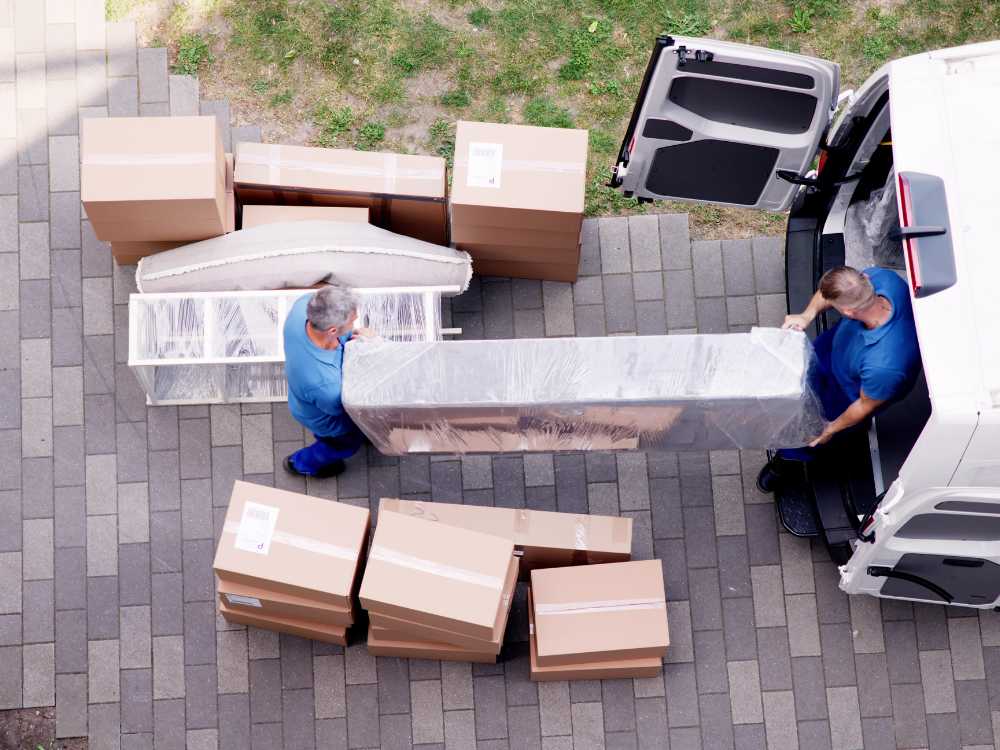
Loading boxes to moving courier

When planning a move, hiring professional movers can ease the stress and save time. To help you budget, here’s a quick look at the average costs you can expect.

Distance 1 Bedroom 2 – 3 Bedroom 4 – 5 Bedroom Local (Less than 100 Miles) $720 – $1,200 $1140 – $2,520 $1,680 – $5,640 100 miles $1,440 – $2,040 $1,740 – $2,280 $2,040 – $4,320 250 miles $1,680 – $2,640 $2,040 – $4,440 $2,640 – $6,000 750 miles $1,920 – $3,720 $2,760 – $8,520 $6,840 – $9,720 1500 miles $2,160 – $4,080 $3,360 – $9,120 $8,280 – $11,640 2500 miles+ $2,520 – $4,680 $4,920 – $10,080 $16,800+

DISCLAIMER: Rates can vary based on various factors. For the most accurate pricing and a detailed and personal quote, contact trusted local moving providers like Clancy Relocation & Logistics.

4 Major Factors Influencing U.S. Relocation Trends

Relocation trends in the U.S. are shaped by economic, social, and environmental factors. Americans are looking for better job opportunities, lower living costs, and a higher quality of life. The rise of remote work, climate concerns, and state-specific policies are also playing a significant role in moving trends and migration patterns. 

Here are the key factors influencing where people are moving in 2025.

✔ Cost of Living

Affordability remains a major driver of migration, with many Americans moving to states where their income stretches further. Rising housing costs, taxes, and everyday expenses push people to seek financial relief in states with lower living costs. As economic conditions fluctuate, moving numbers continue to reflect a shift toward regions offering more stability and affordability.

✔ Job Market

A strong job market is one of the biggest factors influencing where most people moving to. As people move to areas with better career opportunities, higher wages, and economic stability. States with booming industries attract professionals seeking long-term growth, while those with declining job prospects see more residents leaving in search of stability.

Cities like Austin, Nashville, and Raleigh have emerged as key destinations due to their expanding tech, healthcare, and finance sectors. These states offer not only job availability but also lower business taxes, a skilled workforce, and an overall pro-business environment, making them more appealing than states with stagnating economies and high costs. Meanwhile, states like Illinois and Pennsylvania continue to see outbound migration due to slow job growth, heavy taxation, and fewer opportunities for upward mobility.

✔ Remote Work and Lifestyle Flexibility

As remote work continues to reshape migration patterns, more professionals are leaving expensive urban centers for suburban and rural areas that offer lower living costs and better quality of life. States like Colorado, Arizona, and Tennessee have become hubs for remote workers due to their affordability, outdoor amenities, and growing infrastructure to support flexible work. Moving statistics indicate this trend will persist as hybrid and remote work opportunities expand, allowing workers to prioritize lifestyle over proximity to an office.

✔ Climate and Weather

Today, climate stability plays a significant role in relocation decisions, as safety and sustainability become top priorities. However, with the increasing threats of hurricanes, rising sea levels, and wildfires, many are reconsidering their choices. Where are people moving to instead? States with moderate climates and fewer natural disasters, such as Idaho, Montana, and North Carolina, are becoming more attractive alternatives.

What to Pack and What to Leave Behind

Couple moving boxes

Moving can be a complicated process, and knowing what to pack—and what to leave behind—can make the transition much smoother. Some items are too valuable to risk losing, while others may be hazardous or difficult to transport. Proper planning ensures a safe and efficient move, especially as moving numbers continue to rise with people relocating across the country.

Items You Shouldn’t Pack for Moving

Certain items should not be packed with the rest of your belongings due to safety, legal restrictions, or risk of damage. Many moving statistics highlight common mistakes made during the packing process, which can lead to unnecessary complications. 

Here are some categories of items best left out of the moving truck:

✔ Hazardous Materials

Flammable, toxic, or explosive items pose a serious risk during transit and should not be included in moving boxes. Items like aerosol cans, gasoline, fireworks, pool chemicals, and ammunition must be disposed of properly or transported separately following safety guidelines.

✔ Perishable Goods

Food that requires refrigeration, fresh produce, or half-used pantry items should not be packed, as spoilage can lead to unpleasant odors and damage to other belongings. If where are people moving to in the U.S. involves a short-distance move (under 150 miles), perishable items may be transported if properly packed and handled.

✔ Important Personal Documents & Valuables

 Essential paperwork and valuable items should always stay with the owner during the move. This includes birth certificates, passports, insurance policies, medical records, and financial documents. Additionally, heirlooms, jewelry, and irreplaceable personal collections should never be packed with general household items to avoid loss or damage.

What to Keep With You

Moving day can be hectic, so keeping an easily accessible bag of essentials ensures a smoother experience. As moving data suggests, one of the most common moving-day regrets is packing away necessary items in boxes that get buried in a moving truck. To avoid this, consider keeping these must-have items in your vehicle:

✔ Daily Necessities

  • Wallet, keys, and identification
  • Cell phone and charger
  • Prescription medications
  • Toiletry kit (toothbrush, toothpaste, lotion)
  • Change of clothes and comfortable shoes

✔ Travel & Safety Items

  • First aid kit
  • Flashlight and spare batteries
  • Maps or GPS device
  • Snacks, bottled water, and pet supplies if applicable

✔ Important Documents & Valuables

  • House deed or lease agreement for the new home
  • Insurance documents and vehicle registration
  • Small valuables like jewelry or collectibles

Careful planning is essential because where are Americans moving to is shifting toward southern and western states, often requiring longer travel distances. This increases the likelihood of delays due to extended transit times, logistical challenges, and potential weather disruptions. Proper preparation ensures a smoother relocation, minimizing unexpected issues.

Final Moving Day Tips

As moving statistics show, a well-organized move reduces stress and ensures a successful transition. By carefully planning what to pack and what to carry separately, moving day can be smoother and less chaotic. Whether relocating within the U.S. or internationally, following these guidelines ensures everything arrives safely at the new destination.

How to Choose the Right Moving Company for Your Home or Business Relocation
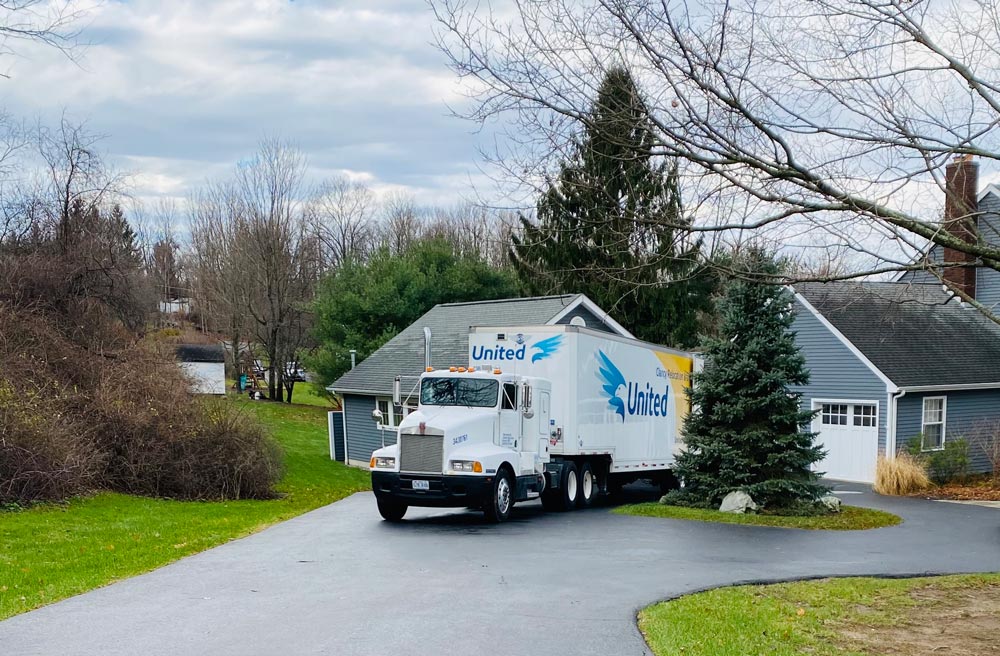
Moving statistics

Moving requires careful planning, whether for a home or business. With moving data showing increased state-to-state transitions, hiring a reliable moving company is key to a smooth and efficient process. Clancy Relocation & Logistics specializes in both residential and commercial moves, offering tailored solutions to ensure hassle-free relocation.

✔ Residential Moving Tips

Verify Licensing and Insurance

Hiring a licensed and insured moving company ensures a secure and legal move. A valid USDOT number confirms legitimacy, while valuation coverage protects belongings from loss or damage. With many relocating to high-demand areas, considering where are people moving to in 2024 helps in selecting movers experienced with popular routes.

Get Transparent Cost Estimates

Request at least three quotes from reputable companies to compare services and avoid hidden fees. Low-cost estimates can signal scams or unexpected charges. With moving numbers rising, Clancy Relocation & Logistics provides clear pricing, detailed contracts, and flexible options tailored to customer needs.

Assess Available Services

From full-service packing to storage solutions, selecting a company that meets relocation needs is crucial. If moving to one of the most moved to states like Texas or Florida, choosing specialists in long-distance moves is essential. Clancy Relocation & Logistics offers secure storage and handling of fragile or high-value items to accommodate various moving situations.

Check Customer Reviews and Complaints

As relocation trends shift, many ask, “Where are Americans moving to?” Job-rich states remain popular destinations, and working with an experienced mover like Clancy Relocation & Logistics ensures a smooth transition. Reading reviews on FMCSA and the BBB can also help you find movers with a strong track record.

✔ Commercial Moving Tips

Hire a Commercial Moving Specialist

Business relocations require specialized expertise to minimize downtime and protect assets. With more companies expanding to states with the most inbound moves, Clancy Relocation & Logistics offers professional commercial moving services, including office relocation, industrial moving, and warehousing.

Plan for Minimal Business Disruptions

Timing is crucial for businesses. Scheduling moves during non-peak hours or weekends ensures minimal operational impact. Clancy Relocation & Logistics provides strategic planning, including IT relocation and workspace setup, for a seamless transition.

Verify Equipment and Storage Solutions

Commercial moves often require specialized equipment, secure storage, and climate-controlled options. With businesses relocating to where are most people moving to, choosing a mover with the right capabilities ensures safe transportation and setup at the new location.

Avoid Scams and Hidden Costs

Fraudulent movers often target businesses with last-minute price hikes or delayed shipments. Clancy Relocation & Logistics guarantees transparent pricing and a dedicated project manager for every commercial move, ensuring security and efficiency.

Frequently Asked Questions

How do I make moving days less stressful?

Stay organized by packing everything before movers arrive and keeping a “Take-With-Me” inventory for essentials like IDs, documents, jewelry, and medications. Have a small bag with moving day essentials—snacks, water, chargers, and a first-aid kit. Keep travel necessities in your car, including spare keys, cash, toiletries, and pet supplies if needed. Enlist help from family or friends to ease the process, and stay flexible in case of delays. Short breaks and moving checklists can keep things on track and reduce stress.

Are People Leaving the U.S. for Political Reasons?

Political concerns continue to influence Americans’ decisions to move abroad. A 2024 Monmouth University report found that 34% of Americans wanted to relocate, up from 10% fifty years ago. By political affiliation, 41% of independents, 35% of Democrats, and 22% of Republicans expressed interest in resettling. 

How far in advance should I start planning my move?

It’s best to start planning your move at least two to three months in advance. This gives you enough time to research moving companies, compare prices, and secure a moving date that works for you. If you’re moving long-distance or during peak seasons like summer, you may need to plan even earlier. Packing can take longer than expected, so setting a schedule for sorting, donating, and boxing up your belongings is helpful. Last-minute moves can be stressful and more expensive, so early preparation can save both time and money. 

How do I decide whether to hire movers or move myself?

The decision depends on your budget, time, and how much stuff you need to move. Hiring professional movers can be convenient, especially for long-distance moves, but it can also be expensive. If you’re moving locally and don’t have a lot of heavy furniture, renting a truck and doing it yourself may be a cost-effective option. Consider factors like physical effort, time constraints, and whether you have friends or family to help. Some people choose a hybrid approach, hiring movers for large items while handling smaller boxes themselves. 

What are the most common moving mistakes?

One of the biggest mistakes is underestimating how much time packing will take, leading to a rushed and stressful move. Some people forget to label boxes properly, making unpacking a nightmare. Others fail to check moving company reviews and end up with unreliable movers or unexpected fees. Overpacking boxes can lead to damage or injury when lifting heavy items. Another common mistake is not setting up utilities and address changes in advance, which can cause delays and inconvenience. 

Make Moving Across the U.S. Stress-Free with Clancy Relocation & Logistics!

Relocating to a new state is a major transition, and choosing the right moving partner makes all the difference. Clancy Relocation & Logistics provides expert services to ensure a smooth and efficient move, whether heading to a bustling city or a quiet suburban neighborhood. With experience handling interstate moves, secure transportation, and tailored relocation solutions, every step is managed with precision and care. 

Start planning today—contact Clancy Relocation & Logistics for a hassle-free moving experience!