Author Archives: Rick Barnett

Author: Rick Barnett

Rick Barnett has over 25 years of experience in the office and industrial relocation industry. His journey began at 17 in the Bronx, NY, where he worked for Clancy-Cullen in various roles, including mover, driver, project manager, dispatcher, and eventually sales. This experience in the complex New York City market laid a strong foundation for his career. After relocating to Los Angeles, Rick joined BKM, one of the largest Steelcase dealers, where he expanded his expertise in systems furniture, warehouse management, and service integration, significantly boosting his sales career. Following a decade in the computer reseller business, focusing on servers and networking equipment, Rick returned to his roots in relocation with Clancy Relocation & Logistics. With 30 years of professional sales and project management experience, he is now dedicated to providing clients with a comprehensive, integrated approach to relocation.

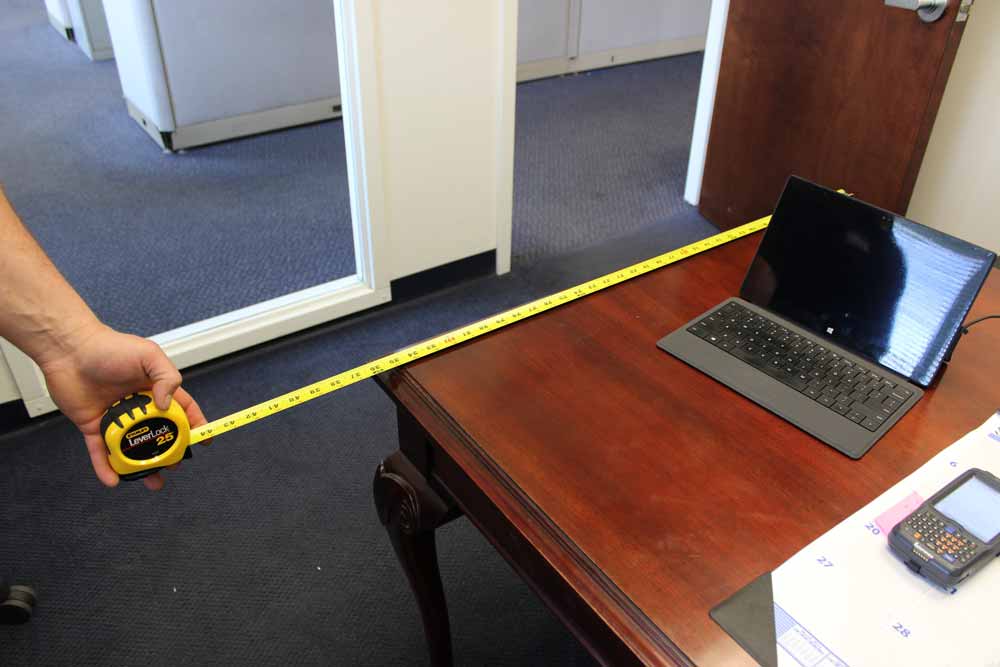
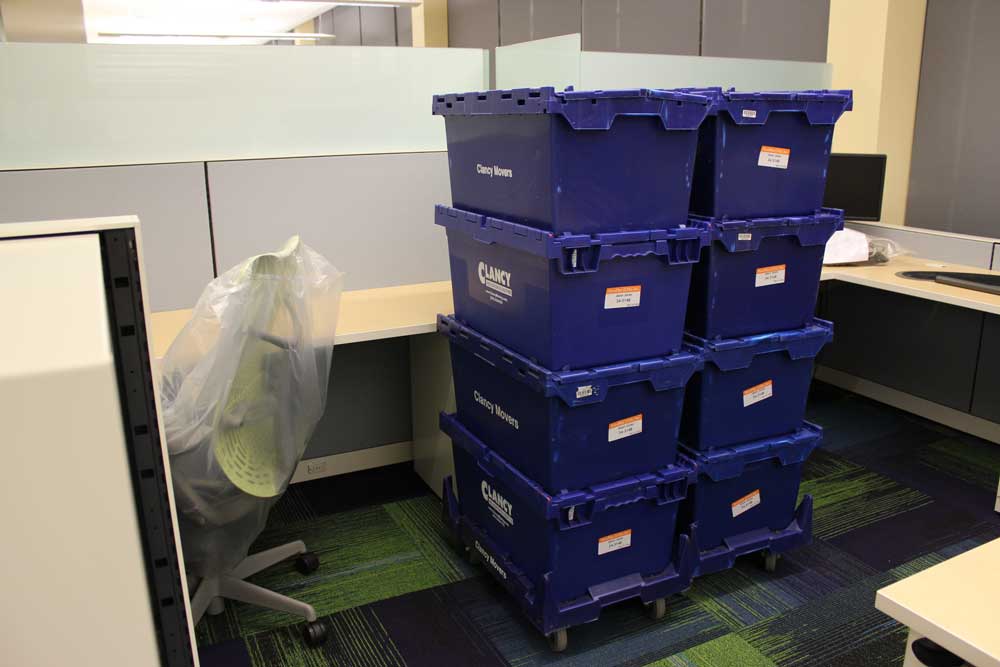
Relocating an office is a major operational task—especially as more companies reevaluate their headquarters in pursuit of cost savings, business-friendly climates, and workforce alignment. In 2024 alone, 96 U.S. companies publicly announced headquarters relocations, a sharp increase from just 18 in 2023, according to CBRE. These moves often involve heavy desks, modular cubicles, and complex workstations that must be carefully disassembled, protected, transported, and reassembled—all while minimizing downtime. Professional corporate movers specialize in handling these complex tasks efficiently and securely, ensuring a smooth transition for companies during this pivotal change.

Table of Contents

Key Takeaways

6 Tips for Storing Antiques Safely and Choosing the Right Storage Services

  1. Climate-Controlled Environment
  2. Clean and Pest-Free Conditions
  3. Security And Surveillance
  4. Professional Packing and Handling
  5. Accessibility and Organization
  6. Reputation And Reviews

Frequently Asked Questions

Protect Antique Collections With Expert Care!

Key Takeaways

✔ Select storage services that regulate temperature and humidity to prevent long-term deterioration of antique materials.

✔ Choose a facility that maintains strict cleanliness and pest control to keep antiques free from mold and infestations.

✔ Opt for providers with strong security measures in place to ensure antiques remain protected at all times.

✔ Look for services that offer professional packing and handling to reduce the risk of accidental damage.

✔ Prioritize organized, accessible storage that allows safe retrieval and proper item management.

✔ Trust providers with verified reviews and antique-handling experience to ensure reliable, knowledgeable care.

Storing antiques requires more than just placing them in a safe space—it involves careful planning, the right environment, and knowledgeable handling to preserve their condition and value. These items are often made from delicate materials and can be highly sensitive to temperature, humidity, and physical damage. Choosing the right storage services is key to ensuring long-term preservation.

Here are six best practices to look for when storing antiques.

6 Tips for Storing Antiques Safely and Choosing the Right Storage Services

1. Climate-Controlled Environment

Antique items are often crafted from organic and sensitive materials like wood, fabric, paper, leather, and metal. These materials naturally react to environmental conditions, especially temperature and humidity. 

Why Stable Temperature and Humidity Levels Matter

Maintaining a consistent climate is essential for preserving antiques. Without control, seasonal changes and sudden environmental fluctuations can create conditions that speed up deterioration.

  • Prevents Warping and Cracking: Wood is highly responsive to shifts in moisture and temperature. In dry conditions, it can shrink and crack. In humid settings, it may swell or warp. Consistent climate control keeps the wood’s moisture content stable, preserving its original form and preventing structural weakening.
  • Protects Against Mold and Mildew: Mold and mildew thrive in damp environments and can grow quickly on fabric, leather, paper, and even wood. These fungi not only damage the item but also release unpleasant odors and cause staining. Regulated humidity prevents the air from becoming overly moist, minimizing this risk.
  • Reduces Rust and Corrosion: Metals such as iron, bronze, and brass are especially vulnerable to corrosion when exposed to humid air. Climate-controlled storage services help keep metal components dry and rust-free by managing humidity within a safe range.

How Fluctuations Can Damage Wood, Fabric, and Metal

Inconsistent environmental conditions are especially harmful to antiques. As materials age, they become more fragile and less capable of adapting to changes. What may seem like minor fluctuations in climate can cause irreversible damage to older items.

  • Fabric Fading and Weakening: Repeated exposure to temperature swings and humidity can cause fibers in fabrics to weaken, lose their color, and become brittle. Over time, this leads to tears, discoloration, and loss of detail in textiles such as upholstery, clothing, and tapestries.
  • Wood Separation and Loosening: Antique wooden furniture and objects often feature joints held together by glue or pressure fitting. Climate instability can cause wood components to expand and contract, breaking bonds and leading to loose or detached parts.
  • Metal Deterioration: Variations in humidity can trigger the oxidation process in metal, causing it to develop rust or patina. This not only affects appearance but can also eat away at fine detailing or structural integrity if not managed.

2. Clean and Pest-Free Conditions

Maintaining a clean and pest-free environment is one of the most important factors in protecting antiques while in storage. Even small amounts of dust and pest activity can lead to serious and sometimes irreversible damage. 

Risks Posed by Pests

Antiques are especially vulnerable to pest damage due to the natural materials they’re often made from, such as wood, fabric, paper, and leather. Without proper pest control, even short-term exposure can lead to lasting harm.

  • Insect Damage: Pests like termites, silverfish, and carpet beetles can chew through wood, cloth, and paper, leaving behind holes, fraying, and internal weakening that may not be immediately visible.
  • Rodent Activity: Mice and rats can chew on wood or fabric and are known to build nests inside soft furnishings, often causing stains, odors, and physical destruction.
  • Infestation Spread: Once inside a storage space, pests can multiply quickly and affect multiple items, leading to extensive restoration costs or total loss.

Risks Posed by Dust

Dust may seem harmless at first, but over time it can cause serious damage to antique items, especially those made from porous or delicate materials like fabric, wood, and paper.

  • Surface Damage: Fine dust particles can settle into cracks and textured surfaces, leading to abrasion, dulling, or scratching of finishes and polish.
  • Discoloration and Staining: Dust buildup on fabrics, paintings, or paper can lead to visible yellowing, fading, or permanent staining if not regularly removed or controlled.

Certifications or Guarantees a Service Might Offer

When selecting storage services, it’s helpful to ask about any certifications or policies that support a clean, protected environment. However, these guarantees vary per provider, so it’s best to contact options like Clancy Relocation & Logistics to clarify these matters. 

  • Environmental Certification: Certifications from environmental or facilities management organizations show that the provider meets established cleanliness and air-quality standards.
  • Pest-Free Guarantees: Some providers offer written guarantees against pest-related damage. This shows a strong commitment to maintaining a controlled and clean environment.
  • Inspection Logs and Transparency: Facilities that maintain visible logs of inspections and maintenance activities demonstrate their accountability. Clients may be allowed to review these logs for added reassurance.

3. Security And Surveillance

When it comes to storing antiques, security is not just a feature—it’s a necessity. Valuable and often irreplaceable, antiques require protection from theft, damage, and unauthorized handling. 

Why 24/7 Monitoring And Controlled Access are Crucial

A secure facility is one that never sleeps. Storage services that offer constant monitoring reduce risks significantly by maintaining active oversight at all times. Controlled access further ensures that only trusted individuals can enter the premises.

  • 24/7 Video Surveillance: Continuous video monitoring allows facilities to record every corner of the property, day and night. This helps deter criminal activity and provides visual evidence in case of any incidents.
  • Access Control Systems: Multiple access control systems limit entry to authorized personnel only. This prevents strangers or unapproved individuals from entering the property or individual units.

Valuation And Risk Protection

Even with the best security measures in place, accidents and natural events can still occur. Valuation is an essential layer of protection that helps mitigate financial loss if something goes wrong. However, coverage options and policies can vary between providers, so it’s recommended to consult reputable companies like Clancy Relocation & Logistics for accurate information and reliable guidance on pricing and protection plans.

  • Offered Valuation Policies: Many facilities offer in-house valuation plans or connect clients with specialized insurers who cover fine art and antique storage.
  • Custom Valuation Coverage: For rare or high-value antiques, it’s important to secure a policy based on the item’s appraised value, not just a general estimate.
  • Proof Of Coverage Requirements: Some storage services require proof of valuation before accepting items into storage. This ensures both the customer and the provider are covered in case of damage, fire, or theft.

4. Professional Packing and Handling

Storing Antiques

Storing antiques safely is not just about finding space—it’s about protecting delicate and often irreplaceable items with care. This is where expert packing and handling become essential. 

How Trained Staff Impacts the Process 

Trained staff play a vital role in protecting antiques from damage. Their experience ensures each item is treated with care and attention to detail.

  • Knowledge of Materials: Trained professionals are familiar with how different antique materials—such as aged wood, ivory, ceramic, or vintage textiles—can react to touch, movement, and pressure. They know how to handle each one properly.
  • Specialized Handling Techniques: Staff use safe lifting, padding, and carrying methods to reduce the risk of scratches, breakage, or structural strain. They also avoid unnecessary contact with delicate finishes or fabrics.
  • Damage Prevention: With proper techniques, trained personnel help avoid accidental drops, bending, or surface wear—preserving the condition and value of the antiques for the long term.

Recommended Packing Materials And Techniques

The right packing materials and methods are key to preventing damage during transport and while in storage. Reputable storage services will either use or recommend proper materials that suit each type of item. It’s best to contact providers like Clancy Relocation & Logistics to confirm availability of these materials. 

  • Acid-Free Paper: Ideal for wrapping fragile or aging items like books, textiles, artwork, or metal pieces, acid-free tissue acts as a neutral layer that helps prevent discoloration, surface damage, and corrosion.
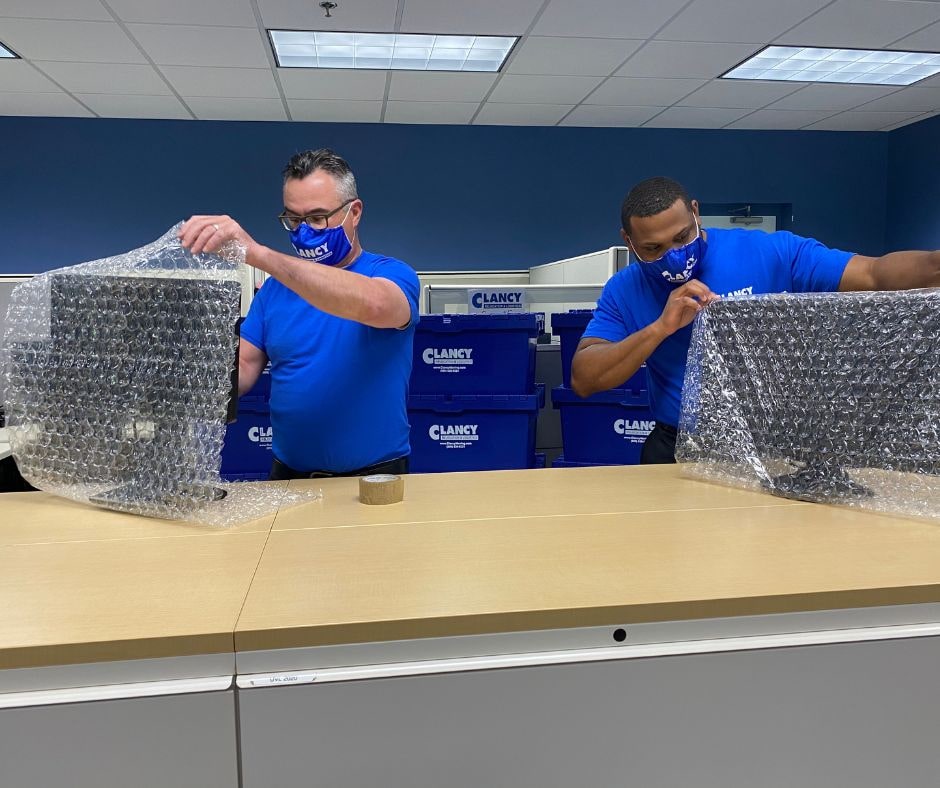
  • Bubble Wrap and Foam Padding: These materials cushion breakable items, such as glassware, fine china, or ornate wood carvings, keeping them safe from shocks or bumps.
  • Custom Crates and Boxes: Custom-built containers fit the specific size and shape of each item, reducing shifting during transport and offering better stability. This is especially important for unusually shaped or large pieces.
  • Furniture Covers: These are made from soft, breathable materials and are used to protect antique furniture from dust, light exposure, and humidity without trapping moisture inside.

Availability Of Assistance Or In-House Services

Some storage services go beyond providing a place to store antiques. They offer extra support that makes it easier for collectors and owners to properly manage their items. Options vary so it’s best to confirm these services to the storage company. 

  • On-Site Packing Support: Many facilities provide trained staff who can help with wrapping and boxing items right at the storage location. This ensures items are stored safely from the beginning.
  • Pickup and Delivery Services: Some storage providers offer transportation services. This is especially helpful for large or heavy antiques that need special care when being moved.
  • Consultation Services: Expert teams may provide advice on how to best pack or store specific antiques. They may inspect the item and recommend the most protective method or materials based on its condition and type. 

5. Accessibility and Organization

Storing antiques should not come at the cost of convenience or proper care. A reliable storage service not only protects valuable pieces but also makes it easy to locate, access, and manage them when needed. 

Ease of Access and Item Retrieval

Storage services should offer straightforward, dependable access to stored antiques. This ensures that owners or caretakers can inspect, rotate, or retrieve items without disruption or unnecessary delays.

  • On-Site Assistance: Trained personnel who are familiar with handling fragile or valuable items can assist in locating, retrieving, or moving antiques, helping reduce the risk of accidental damage.
  • Clear Navigation and Unit Layouts: Organized aisles, clearly marked unit numbers, and logical layout design help users find their storage units and contents quickly without confusion or backtracking.

Custom Storage Features for Antiques

Antiques often require non-standard storage solutions due to their unique sizes, shapes, and materials. The right setup helps prevent damage from improper stacking, cramped spaces, or unsuitable surfaces. Communicating with trusted providers like Clancy Relocation & Logistics can help clarify the availability of these features. 

  • Custom Shelving Units: Storage services that offer padded or adjustable shelving units can accommodate different types of antiques, from delicate porcelain to heavy wooden furniture, without compromising their condition.
  • Vertical Storage for Artwork and Mirrors: Flat artworks and mirrors should be stored upright using padded supports to avoid pressure cracks, warping, or frame separation. Vertical storage also makes these items easier to sort and access.
  • Individual Wrapping and Staging Areas: Designated zones for unpacking, inspecting, and rewrapping antiques allow for safer handling before and after items are moved. These areas reduce the risk of damage caused by rushing or poor lighting conditions.

6. Reputation And Reviews

Choosing a trusted company for antique storage isn’t just about the features they offer. A provider’s reputation often says more than any brochure can. Before selecting storage services, it’s smart to look at what others have experienced.

Key Things to Look For

Customer feedback offers valuable insight into how a company actually treats and stores antiques. It helps paint a real-world picture of their service quality, reliability, and professionalism.

  • Long-Term Customer Satisfaction: Reviews from customers who have used the service for years can reveal how consistent the provider is in handling delicate and valuable items.
  • Handling Claims And Issues: Look for reviews that mention how the company responded to any damage or concerns. A responsive and respectful team is key when storing irreplaceable items.
  • Ease Of Communication: Pay attention to how well staff communicate with customers. Clear communication is a good sign of well-managed storage services.

Online Reviews, Testimonials, And Accreditations

Online platforms often hold a wealth of honest opinions. Pair those with professional endorsements to get a clearer sense of who can be trusted.

  • Google And Yelp Reviews: These sites usually include a mix of ratings and detailed comments. Focus on those mentioning antique storage specifically.
  • Video Or Written Testimonials: Some companies share real customer stories on their websites or social media. These can offer deeper insight into the client experience.
  • Industry Certifications Or Memberships: Look for accreditations from organizations related to storage or antiques, such as the American Alliance of Museums or the Self Storage Association. These can be signs of proper training and ethical practices.

Experience In Handling Antiques Specifically

General storage services may not always offer the level of care antiques require. Companies that regularly deal with antique items are more likely to understand the importance of proper handling and protection.

  • Specialized Knowledge: A storage provider with experience in antiques often understands how to store items like vintage furniture, artwork, or heirlooms properly.
  • Custom Solutions For Fragile Items: These companies may offer padded shelves, custom crates, or extra climate controls for delicate pieces.
  • References On Request: Trustworthy providers with antique experience are usually willing to share past client references or project examples.


Frequently Asked Questions

Can improper handling during storage lead to antique devaluation?

Yes, improper handling such as dragging, stacking, or lifting from weak points can cause scratches, fractures, or even complete breakage. Many antiques are delicate and structurally different from modern items, requiring specific handling techniques. Damage caused during handling often results in visible defects that lower resale and appraisal value. Even seemingly small mistakes can compromise the integrity of a piece.

What are the risks of improper antique storage?

Improper storage can lead to irreversible damage such as cracking, warping, fading, or mold growth. Temperature swings and humidity can degrade materials like wood, leather, or fabric. Metal antiques may corrode, while paper-based items might become brittle or discolored. Pests such as rodents or insects can also infest and chew through delicate pieces. 

How should I prepare antiques for long-term storage?

Preparing antiques for long-term storage starts with a detailed cleaning using appropriate materials. Once clean, wrap each item in protective materials suited to its composition, like cotton sheets or bubble wrap. Ensure items are properly labeled and documented, including photos for valuation purposes. Store items off the floor and avoid stacking heavy objects on top. Finally, check items periodically to ensure they remain in good condition.

Are there financial consequences of storing antiques incorrectly?

Yes, poorly stored antiques can lose substantial monetary value due to damage, staining, or deterioration. Restoration costs can be high, and some pieces may become unsellable if irreparably harmed. Valuation may not cover losses caused by negligence or improper storage. Long-term value depends heavily on condition, which directly links to how well items are stored.

What are common mistakes people make when storing antiques?

Common mistakes include using plastic wrap, stacking heavy items, storing in damp basements, or forgetting to document the items. Many people also underestimate the importance of climate control or assume valuation isn’t necessary. Others fail to inspect the unit regularly, allowing damage to go unnoticed. Using poor-quality packing materials can also lead to surface damage or exposure. 

Protect Antique Collections With Expert Care!

Clancy Relocation & Logistics specializes in secure, professional storage services tailored to the needs of antique items. Our facilities are equipped to safeguard delicate valuables through climate control, proper handling, and trusted security measures. With a long-standing reputation and experience in managing antique collections, we offer peace of mind and dependable service for collectors and curators alike.

Contact Clancy Relocation & Logistics today to explore custom storage solutions!

Table of Contents

Key Takeaways

What to Know Before Hiring Local Movers

  1. Understanding Licensing and Valuation
  2. Experience and Specialization
  3. Reputation and Reviews
  4. Service Offerings and Customization
  5. Pricing and Transparency
  6. Logistics and Scheduling

Frequently Asked Questions

Ensure a Smooth, Stress-Free Move with Expert Support!

Key Takeaways

Ensure the moving company is properly licensed and insured to protect against potential damages and liabilities.

Choose a company with experience in commercial moves and expertise in handling office equipment and specialized items.

Research reviews and testimonials to verify the company’s reputation and reliability before making a decision.

Confirm the range of services offered and whether they provide customized solutions tailored to business needs.

Request a detailed quote to understand pricing structures and avoid unexpected hidden fees.

Plan by securing availability, confirming schedules, and understanding the estimated time frame for completion.

Hiring the right commercial moving company is a critical decision that can impact business operations, employee productivity, and overall efficiency. A well-planned move ensures minimal downtime and protects valuable office equipment during transit. From verifying credentials to understanding service offerings, businesses must consider several factors before making a choice.

Here are key things to know before hiring local commercial moving companies.

What to Know Before Hiring Local Movers

1. Understanding Licensing and Valuation

Hiring local commercial moving companies requires careful evaluation, especially when it comes to licensing and valuation. Ensuring that a company meets legal requirements and provides adequate coverage can protect a business from unexpected risks.

Ensuring the Company Is Properly Licensed

A valid license indicates that a moving company operates legally and follows industry standards. Before hiring a moving service, businesses should verify that the company holds the necessary credentials.

  • State and Federal Licensing: Moving companies must have the required state and federal licenses. If the move crosses state lines, the company should have a U.S. Department of Transportation (USDOT) number, which can be checked through the Federal Motor Carrier Safety Administration (FMCSA).
  • Local and Regional Permits: Some states or cities require additional permits for commercial movers. Checking with local authorities can confirm whether a company complies with regulations.
  • Industry Certifications: Affiliations with professional organizations, such as the American Moving & Storage Association (AMSA) or the Better Business Bureau (BBB), indicate that a company follows ethical business practices.

Verifying Valuation Coverage for Potential Damages

Moving office equipment, furniture, and sensitive materials involves risks. Valuation coverage ensures financial protection in case of damages, losses, or accidents during the move. However, coverage and policies vary among moving companies, so it is essential to verify details in advance. Working with a reputable provider like Clancy Relocation & Logistics ensures accurate information and reliable service tailored to business needs.

  • General Liability Valuation: Covers accidental damage to property or injuries that may occur during the move. This protects both the business and the moving company from liability claims.
  • Cargo Valuation: Provides coverage for lost or damaged goods while in transit. This is crucial when moving high-value office equipment or fragile materials.
  • Workers’ Compensation Valuation: Ensures that employees handling the move are covered in case of workplace injuries. This prevents businesses from being held liable for medical expenses or legal claims.
  • Valuation Coverage Options: Some moving companies offer Released Value Protection (basic coverage at no extra cost but with limited liability) or Full Value Protection (more comprehensive coverage for a fee). Understanding these options helps businesses choose the right level of protection.

2. Experience and Specialization

Hiring local commercial moving companies requires careful consideration of their expertise and experience. A commercial move involves more than just transporting boxes; it includes handling valuable equipment, minimizing downtime, and ensuring a smooth transition. 

Checking Experience With Commercial Moves

Not all moving companies specialize in commercial relocations. Businesses should assess a mover’s experience to ensure they are capable of handling the complexities involved in a commercial move.

  • Years in Business: Moving companies with several years of experience in commercial relocations have likely developed efficient strategies to handle different challenges. A long history in the industry can indicate reliability and professionalism.
  • Past Commercial Clients: A reputable moving company should have a proven track record of successful commercial moves. Businesses should ask for references or case studies to gain insight into the mover’s capabilities.
  • Size and Scope of Moves: Some movers specialize in small office relocations, while others handle large corporate moves. Choosing a company that matches the scale of the move ensures they have the necessary equipment and expertise to complete the job efficiently.
  • Regulatory Compliance: Commercial moves often require compliance with zoning laws, building regulations, and permit requirements. An experienced moving company will be familiar with these legal requirements and ensure the move adheres to all necessary guidelines.

3. Reputation and Reviews

Hiring local commercial moving companies requires careful evaluation of their reputation. A company’s track record provides insight into its professionalism, reliability, and service quality. 

Researching Customer Feedback and Testimonials

Customer feedback is a valuable tool for assessing the quality of service provided by a moving company. Reviews and testimonials can highlight a company’s strengths while also revealing potential weaknesses that businesses should be aware of before making a decision.

  • Online Reviews: Checking platforms such as Google, Yelp, and the Better Business Bureau can provide businesses with insights into other clients’ experiences. While positive reviews can indicate reliable service, it is important to approach them with caution. A former U.S. federal criminal investigator has stated that many online reviews are fake, often written by individuals paid to post them. Given this concern, businesses should also seek direct references and testimonials from trusted sources.
  • Testimonials on Company Website: Many local commercial moving companies feature customer testimonials on their websites. While these can offer useful insights, businesses should also verify reviews on independent sources to ensure they are genuine and unbiased.
  • Word-of-Mouth Recommendations: Seeking recommendations from business associates, industry peers, or local contacts can provide trustworthy feedback. Personal referrals often offer a more detailed and accurate assessment of a moving company’s reliability and service quality.

Looking for Red Flags in Complaints or Poor Ratings

Not all negative reviews should be an immediate cause for concern, but businesses should pay close attention to recurring complaints and consistent patterns of poor service. With moving scams having seen a 35% year-over-year increase by the end of 2023, it is more important than ever to thoroughly vet local commercial moving companies to avoid potential risks.

  • Unresolved Customer Complaints: A high number of unresolved complaints on review sites or the Better Business Bureau may indicate poor customer service. A reputable moving company should actively respond to and address customer concerns.
  • Hidden Fees or Unexpected Charges: Complaints about undisclosed charges or sudden price increases suggest a lack of transparency. Businesses should request detailed, upfront estimates to avoid unexpected costs.
  • Delays and Last-Minute Cancellations: Frequent reports of delayed moves or last-minute cancellations may indicate disorganized scheduling and poor management. A dependable moving company should provide accurate timelines and adhere to scheduled moving dates.
  • Damaged or Lost Items: Repeated complaints about damaged, lost, or mishandled office equipment may indicate a lack of proper handling procedures. A professional moving company should take measures to protect business assets and offer valuation options for added security.
  • Unprofessional Staff and Poor Communication: Negative feedback about rude, unresponsive, or inexperienced movers can be a warning sign. A reliable moving company should have trained, courteous staff who communicate clearly throughout the moving process.

4. Service Offerings and Customization

Commercial Moving Companies

Hiring local commercial moving companies requires businesses to understand the range of services offered. Each business has unique relocation needs, and choosing a company that provides tailored moving solutions ensures a smoother transition with minimal operational disruptions.

Understanding the Range of Services Provided

Before hiring a moving company, businesses should evaluate the full scope of services available. Some companies offer only basic moving assistance, while others provide comprehensive relocation solutions that address various logistical challenges.

  • Packing and Unpacking Services: Many moving companies offer professional packing services to ensure that office equipment, furniture, and important documents are securely packed for transport. Some companies also provide unpacking services, allowing businesses to resume operations more quickly.
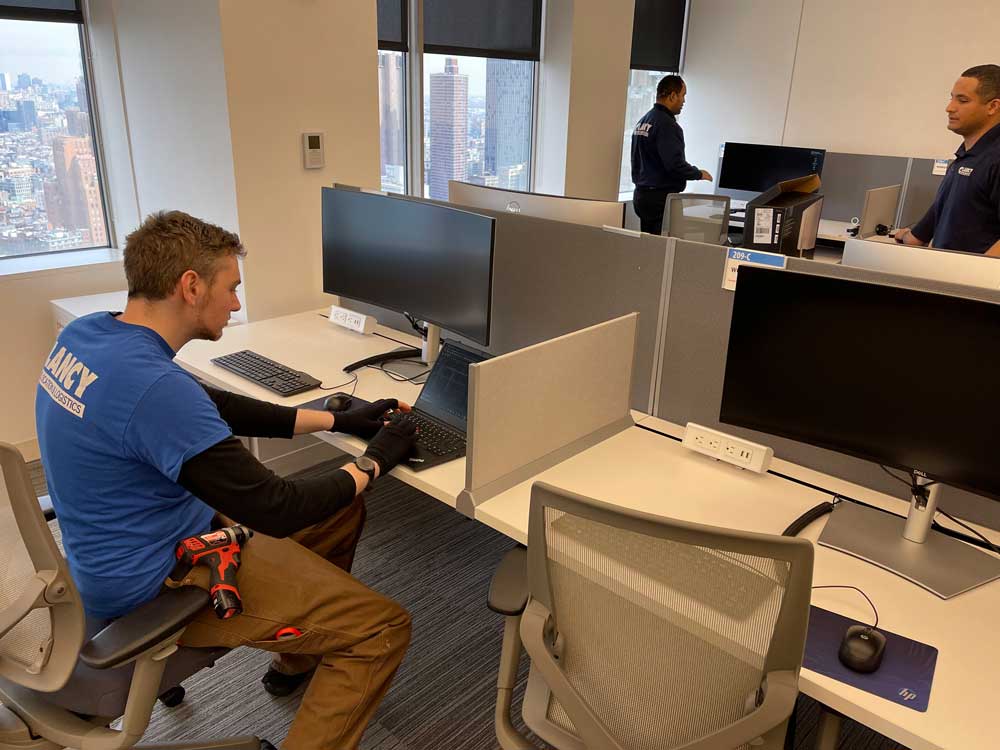
  • Furniture Disassembly and Assembly: Office relocations often require the disassembly and reassembly of workstations, desks, and shelving units. Some movers specialize in handling complex modular furniture systems, ensuring that all components are properly reassembled at the new location.
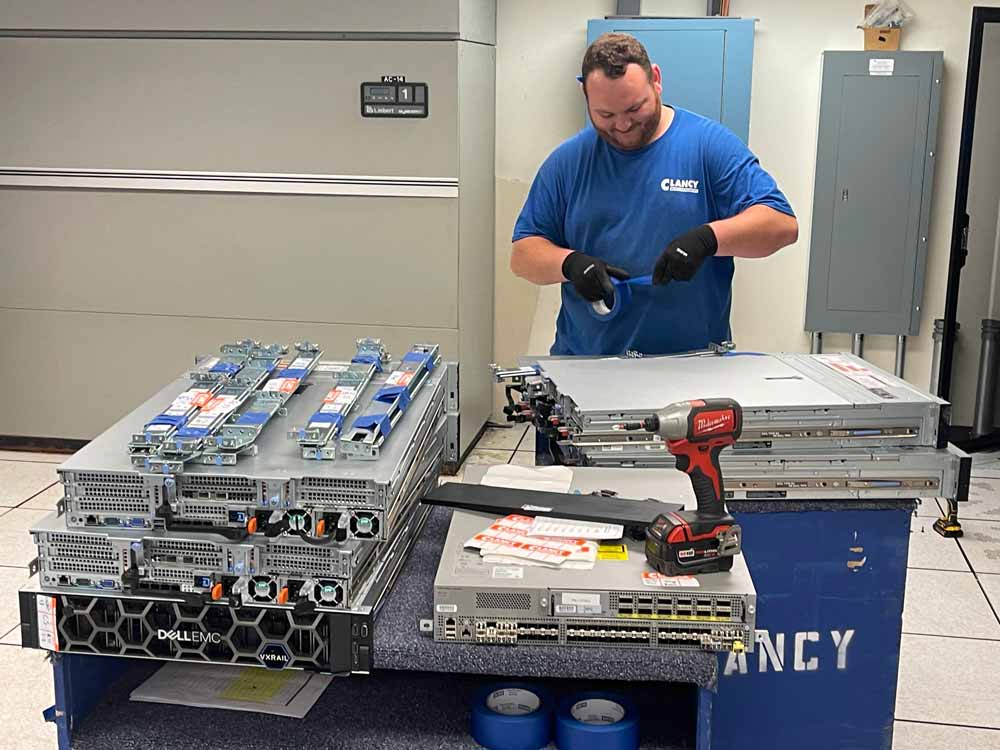
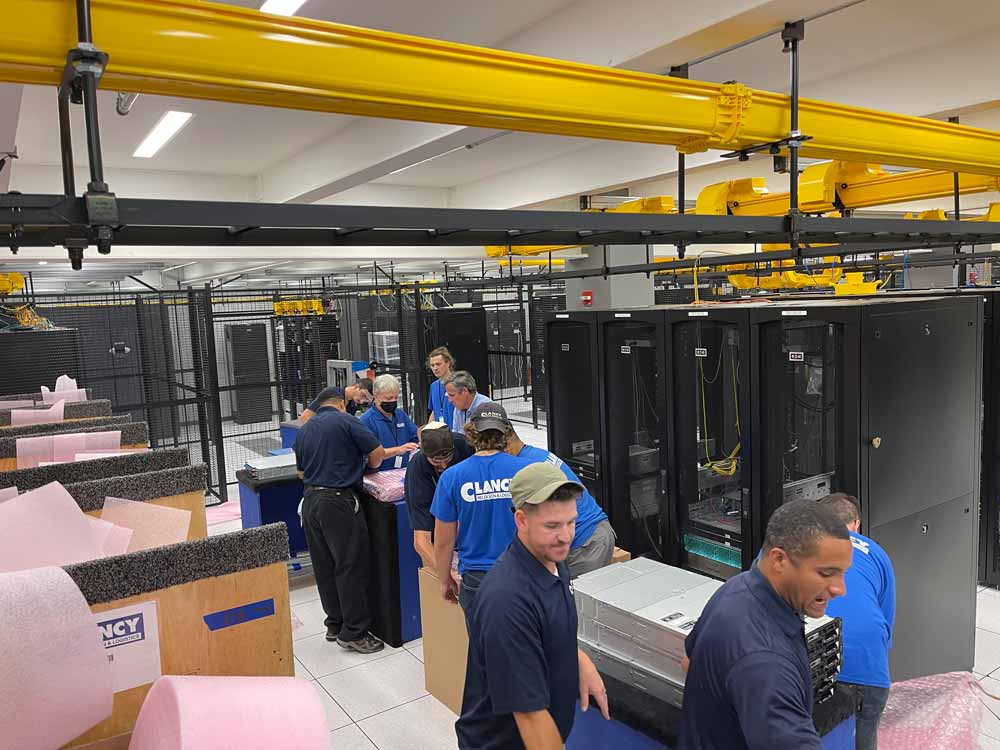
  • IT Equipment Handling: Computers, servers, and other technology are essential to business operations and require careful handling during a move. Certain moving companies have trained professionals who specialize in safely packing, transporting, and reconnecting IT infrastructure.
  • Storage Solutions: Businesses that need temporary or long-term storage for office furniture, equipment, or records should check whether the moving company provides secure storage facilities. Many companies offer climate-controlled storage to protect sensitive items.
  • Specialty Moving Services: Some industries, such as healthcare, manufacturing, or retail, require specialized moving services for high-value equipment, heavy machinery, or confidential documents. It is important to choose a moving company with experience handling industry-specific relocation needs. 

Assessing Tailored Moving Solutions

Not all local commercial moving companies provide customized moving plans. However, businesses with specific needs should prioritize movers that offer flexible and personalized solutions to ensure a smooth relocation process.

  • Flexible Scheduling: Many businesses cannot afford extended downtime during a move. A reliable moving company should offer flexible scheduling options, including after-hours or weekend moves, to minimize disruptions to daily operations.
  • Custom Packing and Handling: Some businesses have fragile or high-value assets that require special packaging or handling procedures. Moving companies that provide custom crating, climate-controlled transportation, or secure handling help protect valuable items during transit.
  • Scalability for Different Business Sizes: Whether relocating a small office or a large corporate headquarters, businesses should choose a moving company capable of scaling its services to match the project’s complexity. Companies experienced in managing large-scale moves often have better resources and expertise to handle complex relocations.
  • Project Management Support: Some movers offer dedicated project managers who oversee every aspect of the moving process. This service helps businesses coordinate logistics, track progress, and ensure that the move stays on schedule.

5. Pricing and Transparency

Hiring local commercial moving companies requires careful evaluation of pricing and transparency. Businesses should ensure they receive a clear breakdown of costs to avoid unexpected expenses. However, moving companies vary in pricing and services, so it is recommended to check with reputable providers like Clancy Relocation & Logistics for accurate estimates and reliable information.

Getting Detailed Quotes With No Hidden Fees

A reliable moving company should provide a clear and itemized estimate. Hidden charges can significantly impact a company’s budget, so it is essential to clarify all costs upfront.

  • Request an Itemized Estimate: A detailed quote should list all costs, including labor, transportation, packing materials, and additional services. This ensures businesses understand exactly what they are paying for.
  • Clarify Additional Charges: Some companies may charge extra fees for handling heavy equipment, staircases, long carrying distances, or after-hours moving. Confirming these costs in advance prevents surprises.
  • Ask About Deposit and Cancellation Policies: Some moving companies require a deposit, while others have cancellation fees. Understanding these policies can help businesses avoid financial loss if plans change.
  • Check for Fuel and Travel Fees: If the move involves long distances, there may be additional charges for fuel, mileage, or travel time. It is crucial to confirm whether these costs are included in the initial quote.

Comparing Costs With Services Included

Not all moving companies offer the same level of service, so businesses should compare costs in relation to what is provided. The cheapest option may not always be the best choice if it lacks essential services.

  • Identify What Is Included: Some companies include packing, furniture disassembly, and setup in their standard pricing, while others charge extra. Knowing what is covered helps businesses make accurate cost comparisons.
  • Evaluate Customization Options: Businesses with specific moving needs should ask about customized service packages. Some local commercial moving companies offer tailored solutions for IT equipment, office furniture, or fragile materials.
  • Balance Cost and Quality: While cost is a significant factor, quality of service is equally important. A slightly higher price may be justified if it includes professional packing, valuation, and timely delivery.
  • Request Multiple Quotes: Gathering estimates from multiple companies provides a clearer picture of the average pricing for commercial moves. This helps businesses find the best value for their budget.

6. Logistics and Scheduling

Proper planning is essential when working with local commercial moving companies to ensure a smooth and efficient transition. Businesses should focus on key logistical details, including scheduling, availability, and estimated time frames, to minimize disruptions and keep operations on track.

Ensuring Availability on the Desired Moving Date

Securing the preferred moving date is essential, especially during peak seasons when local commercial moving companies experience high demand. Businesses should plan ahead and confirm the schedule to prevent delays and unexpected challenges.

  • Scheduling Process Evaluation: Reviewing how the moving company manages scheduling ensures they can accommodate the preferred date without conflicts or last-minute changes.
  • Flexibility in Scheduling: Checking whether the company offers flexible scheduling options, including after-hours or weekend moves, helps minimize business disruptions.
  • Guaranteed Timeframes: Verifying if the company provides guaranteed arrival and completion times helps businesses coordinate staff and other logistical needs efficiently.
  • Rescheduling Policies: Understanding the company’s rescheduling policies in case of unforeseen changes ensures there are clear options without excessive penalties.

Understanding the Time Frame for Completion

Knowing the estimated duration of the move allows businesses to plan effectively and minimize downtime. Several factors can influence how long the relocation process will take.

  • Size of the Move: The amount of office furniture, equipment, and inventory being transported directly impacts the time required for packing, loading, transportation, and setup. Larger moves typically take longer to complete.
  • Complexity of Logistics: Moves that involve multiple locations, sensitive equipment, or restricted-access buildings may take additional time to coordinate. Businesses should communicate any special requirements to the moving company in advance.
  • Weather and Traffic Conditions: External factors, such as heavy traffic in urban areas or extreme weather conditions, can affect transportation times. Businesses should account for these potential delays when scheduling their move.

Frequently Asked Questions

What should I do before the movers arrive?

Before the movers arrive, make sure everything is packed (if you’re doing it yourself) and labeled for easy organization. Clear any obstacles in hallways and entrances to allow smooth movement of furniture and boxes. Inform employees about the moving schedule so they can prepare their workspaces. It’s also a good idea to confirm moving details with the company a day before the move.

How long does a local commercial move usually take?

The time it takes to complete a commercial move depends on the size of the business and the amount of items being moved. A small office move may take just a few hours, while larger businesses with more equipment and furniture may take a full day or longer. Factors like distance, building access, and the number of movers also affect the timeline. The moving company can provide an estimate based on the specifics of your move.

How do I find a reliable local commercial moving company?

You can start by searching online, reading reviews, and asking for recommendations from other businesses. Checking for proper licensing, valuation, and experience in handling commercial moves is important. It’s also helpful to request estimates from multiple movers to compare prices and services. 

What types of businesses use commercial moving services?

Many types of businesses use commercial moving services, including offices, retail stores, warehouses, medical facilities, and restaurants. Schools, hotels, and government offices also hire professional movers when relocating. Any business that needs to move heavy equipment, furniture, or inventory can benefit from commercial movers. The size and industry of the business don’t matter as long as the company needs help with relocation.

How far in advance should I schedule a commercial move?

It’s best to schedule a commercial move at least a few weeks to a couple of months in advance. This allows time to plan, organize, and coordinate all moving details. Last-minute moves can sometimes be accommodated, but availability may be limited. 

Ensure a Smooth, Stress-Free Move with Expert Support!

Relocating a business requires careful coordination and the right expertise. Clancy Relocation & Logistics provides professional commercial moving services designed to minimize downtime and keep operations running smoothly. With a dedicated team and customized moving solutions, every detail is handled with precision and efficiency. 

Secure a seamless transition by contacting Clancy Relocation & Logistics today!

Table of Contents

Key Takeaways

6 Strategies to Avoid Downtime in Business Relocation

  1. Develop a Detailed Moving Plan
  2. Hire Professional Movers
  3. Back Up All Critical Data and Documents
  4. Plan for IT and Equipment Setup in Advance
  5. Use a Phased Moving Approach
  6. Update Business Information and Notify Customers

Frequently Asked Questions

Ensure a Seamless Business Movith Expert Support!

Key Takeaways

Develop a clear moving plan with timelines and assigned responsibilities to reduce disruptions.

Hire professional business movers to streamline the relocation process and ensure efficiency.

Back up essential data and documents to prevent information loss and protect business continuity.

Plan IT and equipment set up in advance to minimize delays and ensure a smooth transition.

Use a phased moving approach to keep critical operations running while relocating gradually.

Update business information and notify customers to prevent confusion and service disruptions.

Relocating a business comes with many challenges, and downtime can lead to significant financial losses. According to recent research, large organizations can face costs as high as $9,000 per minute during operational disruptions. A well-planned move is essential to maintaining productivity and ensuring a smooth transition. Careful coordination, professional support, and proactive strategies can help minimize downtime and keep business operations running efficiently.

Here are six key strategies to avoid downtime during a business relocation.

6 Strategies to Avoid Downtime in Business Relocation

1. Develop a Detailed Moving Plan

Business moving requires careful planning to ensure a seamless transition. Without a structured approach, companies risk disruptions that could impact operations, revenue, and customer satisfaction.

Set Clear Timelines and Milestones

A structured timeline is essential for keeping the moving process organized and efficient. Establishing key deadlines ensures that all tasks are completed on time.

  • Create a Moving Schedule: Outline all phases of the move, from packing to setting up at the new location. Set realistic deadlines for each step.
  • Set Key Milestones: Identify major checkpoints, such as securing a new office, finalizing lease agreements, and transferring utilities. Tracking progress helps prevent delays.
  • Allocate Buffer Time: Unexpected challenges may arise, so incorporating extra time for unforeseen issues can help avoid last-minute complications.

Assign Responsibilities to Key Team Members

A successful move requires a team effort. Delegating tasks to specific employees ensures accountability and efficiency throughout the process.

  • Designate a Move Coordinator: A dedicated point of contact streamlines communication between corporate relocation services, management, and employees.
  • Assign Department Leads: Each department should have a representative responsible for overseeing their area’s packing and relocation.
  • Establish a Communication Plan: Regular meetings and status updates keep all employees informed and engaged in the transition.

Identify Potential Risks and Create Contingency Plans

Moving a business involves risks, including logistical challenges, IT disruptions, and operational delays. Preparing for potential obstacles minimizes their impact.

  • Assess Operational Risks: Consider factors such as internet downtime, delays in equipment setup, and disruptions in customer service.
  • Develop Backup Strategies: Work with professional business movers to create alternative solutions in case of unforeseen circumstances, such as delayed transportation or damaged assets.
  • Ensure Business Continuity: Implement temporary solutions, such as remote work arrangements or backup office spaces, to maintain productivity during the move.

2. Hire Professional Movers 

Relocating a business requires careful planning and expertise to ensure minimal disruption. Hiring professional business movers with experience in commercial moves can make the transition smooth and efficient.

Choose a Moving Company with Experience in Commercial Moves

Not all moving companies specialize in business moving. Selecting a mover with expertise in handling corporate transitions ensures that the process is managed efficiently and securely.

  • Industry Experience: A company specializing in corporate relocation services understands the unique challenges of moving offices, warehouses, and retail spaces. They have the expertise to handle sensitive equipment, large office furniture, and business assets with care.
  • Proven Track Record: Checking references, online reviews, and past client testimonials can help determine if a moving company has successfully managed similar business relocations.
  • Customized Solutions: Reliable small business movers provide tailored business transition solutions, ensuring that the move aligns with specific company needs, timelines, and operational requirements.

Ensure They Provide Packing, Transportation, and Setup Services

A full-service moving company streamlines the relocation process by handling all essential steps, from packing to setting up the new space.

  • Packing Services: Professional movers use high-quality materials to secure office furniture, electronics, and documents, preventing damage during transit.
  • Safe Transportation: Specialized moving trucks and equipment ensure that all business assets are securely transported, reducing the risk of delays or losses.
  • Workstation Setup: Some small business movers offer workstation reassembly, IT infrastructure setup, and placement of office furniture, allowing employees to resume work quickly.

Verify Valuation and Liability Coverage

Protecting business assets during relocation is essential. Before hiring a moving company, it is crucial to confirm that they offer adequate coverage.

  • Comprehensive Valuation: Reliable movers provide valuation to cover potential damage or loss of office equipment and furniture during the move.
  • Liability Protection: Ensuring that the moving company has liability coverage protects against unforeseen accidents that may occur during loading, unloading, or transportation.
  • Contract Transparency: Reviewing contracts in detail helps businesses understand coverage terms, potential exclusions, and any additional fees that may apply.

3. Back Up All Critical Data and Documents

A business move comes with many risks, including the potential loss of valuable data and important documents. With 76% of organizations experiencing critical data loss and 45% losing their data permanently, having a structured backup plan is essential.

Store Digital Files Securely on Cloud or External Drives

Digital records are crucial for any business, making it vital to store them safely during a corporate relocation. Cloud storage and external drives offer secure options to prevent data loss.

  • Cloud Storage: Provides remote access to files, automatic backups, and protection against hardware failure. Cloud-based solutions allow employees to retrieve information from any location, ensuring uninterrupted workflow during the business transition.
  • External Hard Drives and USBs: Offer a reliable offline backup option in case of internet disruptions. Encrypting data on external devices adds an extra layer of security.
  • Automated Backup Systems: Reduces human error by ensuring all critical files are regularly saved. Scheduling backups in advance prevents the loss of recent updates or transactions.

Ensure All Essential Paperwork Is Organized and Accessible

Physical documents are just as important as digital files. Proper organization ensures that important records remain available when needed.

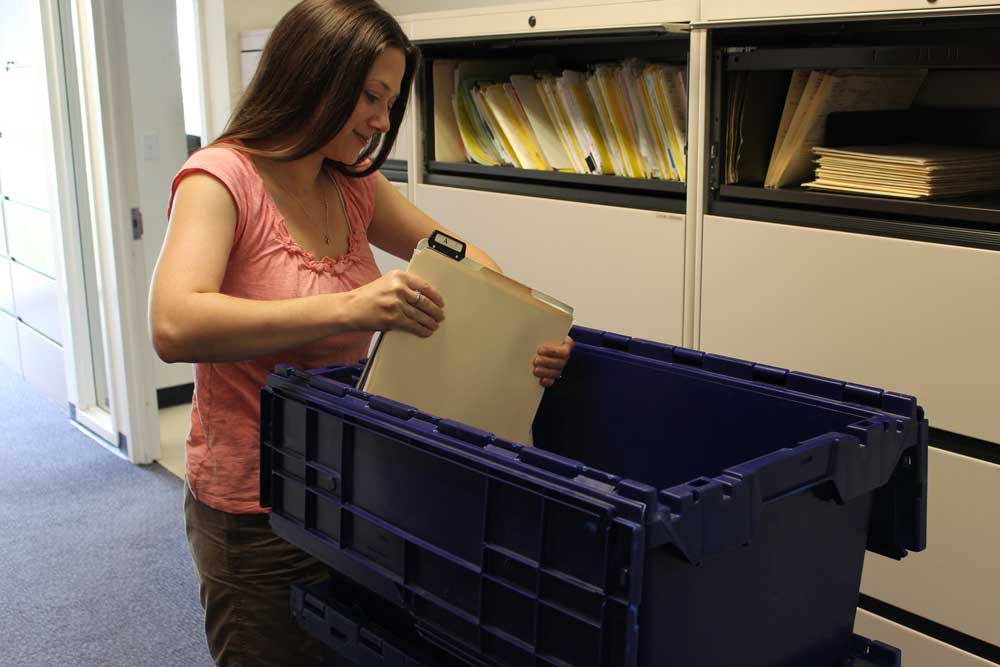
  • Categorized Filing System: Sorts documents by type, such as contracts, tax records, and employee information, making retrieval easier. Labeling boxes clearly helps small business movers and employees locate files efficiently.
  • Duplicate Copies: Prevents loss by keeping copies of essential paperwork at a separate location. A secure offsite backup ensures business records remain intact in case of damage during transport.
  • Document Scanning: Converts paper files into digital formats, making them easier to store and access. Digital copies also reduce the risk of misplacing important records.

Implement Cybersecurity Measures to Protect Sensitive Information

Data security is a top priority when transitioning to a new location. Ensuring cybersecurity measures are in place protects businesses from data breaches and cyber threats during the move.

  • Password Protection and Encryption: Strengthens security by requiring authentication for sensitive files. Encrypted data ensures that unauthorized users cannot access critical business information.
  • Firewalls and Antivirus Software: Shields digital systems from potential cyberattacks. Updating security software before the move prevents vulnerabilities.
  • Restricted Access: Limits who can view or modify important files, reducing the risk of accidental deletion or data leaks. Assigning specific permissions keeps confidential information secure.

4. Plan for IT and Equipment Setup in Advance

Clancy Relocation

IT infrastructure and equipment setup play a crucial role in maintaining operations during business moving, as even a brief downtime can have significant financial consequences. 

Coordinate With IT Staff Early

Engaging the IT team well before the move is essential for a smooth setup. IT professionals can help ensure that networks, servers, and communication systems are properly installed and tested.

  • Assess Current IT Infrastructure: Review all hardware and software to determine what needs to be upgraded, replaced, or reconfigured in the new location.
  • Develop a Transition Plan: Outline steps for disconnecting, transporting, and reconnecting IT systems while minimizing downtime.

Minimize Disruptions to Business Operations

A well-planned IT relocation strategy can prevent unnecessary delays and ensure that the company remains operational throughout the move.

  • Schedule IT Setup Before Employee Arrival: Ensure that networks, computers, and phone systems are fully operational before employees begin working in the new space.
  • Use Corporate Relocation Services: Professional business movers with expertise in IT relocation can handle sensitive equipment safely and efficiently.
  • Implement Temporary Solutions: Set up remote work options or backup communication systems to maintain business continuity.

Test All Equipment Before Resuming Work

Verifying that all technology and equipment function correctly before resuming normal operations is critical for a successful transition.

  • Check Network Connectivity: Ensure that internet and internal network connections are stable and secure.
  • Verify Phone and Communication Systems: Test phone lines, email services, and conferencing tools to confirm functionality.
  • Inspect Hardware and Peripherals: Confirm that all computers, printers, and other essential devices are working properly.

5. Use a Phased Moving Approach

Relocating a business can be a complex process, but using a phased moving approach can help minimize disruptions. This method ensures that operations continue smoothly while transitioning to a new location. 

Move Non-Essential Departments First

One of the most effective business transition solutions in a phased move is to relocate non-essential departments first. This allows essential business functions to continue while other teams settle into the new space.

  • Identify Non-Essential Departments: Departments that do not directly impact daily operations, such as HR, marketing, and administrative teams, can move first.
  • Reduce Immediate Workload Shifts: Moving these teams early prevents overwhelming the company with multiple transitions at once.
  • Test the New Location: The initial move provides an opportunity to identify and resolve potential issues before critical teams relocate.

Set Up the New Location While Keeping the Old One Functional

To prevent downtime, it is essential to ensure the new workspace is fully operational before moving all teams. This preparation phase helps avoid major disruptions.

  • Install IT and Communication Systems: Setting up internet, phone lines, and internal networks in advance ensures seamless connectivity for employees.
  • Arrange Workspaces Before Arrival: Offices, furniture, and essential equipment should be ready before employees move in, allowing them to resume work immediately.

6. Update Business Information and Notify Customers

Relocating a business requires more than just moving physical assets—it also involves keeping customers and stakeholders informed to ensure a seamless transition. Properly updating business information and communicating effectively can prevent service disruptions and maintain customer trust.

Change Business Address on Websites, Directories, and Documents

An updated business address ensures customers and partners can find the new location easily and helps maintain credibility. Updating all platforms promptly avoids confusion and lost business opportunities.

  • Company Website: The new address should be prominently displayed on the homepage, contact page, and any location-specific landing pages.
  • Online Business Directories: Platforms such as Google My Business, Yelp, and industry directories must be updated to reflect the new address. This helps maintain online visibility and prevents misinformation.
  • Legal and Financial Documents: Ensure the new address is updated on business licenses, tax forms, bank accounts, and invoices to avoid compliance issues.
  • Email Signatures and Marketing Materials: Employees should update their email signatures, and all marketing materials should reflect the new address for consistency.

Inform Customers About the Move 

Clear communication about the move prevents misunderstandings and keeps customers engaged during the transition.

  • Advance Notice: Customers should be informed well ahead of the move through emails, newsletters, and social media updates. Transparency about the timeline and potential service interruptions builds trust.
  • Temporary Service Adjustments: If there will be delays or downtime, providing alternative solutions ensures business continuity. Professional business movers can help streamline the relocation process to minimize disruptions.
  • Personalized Outreach: Key clients and partners may require direct communication, such as phone calls or personalized emails, to address concerns and reassure them of continued service.

Ensure Smooth Customer Service Continuity 

Maintaining service quality during a business move is essential for customer retention and satisfaction.

  • Dedicated Support Team: Assigning a team to handle customer inquiries related to the move ensures quick responses and effective problem-solving.
  • Temporary Contact Methods: If phone lines or offices will be unavailable during the move, alternative contact methods such as a temporary hotline or live chat support should be in place.
  • Post-Move Follow-Up: Once settled in the new location, sending a follow-up message to customers reinforces reliability and keeps them engaged with the brand.

Frequently Asked Questions

What should I do if unexpected problems arise during the move?

Unexpected issues can happen, but staying calm and flexible is key. Have a backup plan in case of delays, damaged items, or miscommunications. Keeping important contact numbers handy, such as movers, landlords, and service providers, can help resolve problems quickly. If the new space isn’t ready, temporary office solutions might be necessary. Clear communication with employees and clients can help manage expectations. 

What should I do with old office furniture and equipment?

Decide what items are worth moving and what should be sold, donated, or discarded. If you have outdated or broken furniture, consider recycling or donating it to charities. Selling unused items can help recover some moving costs. Some businesses choose to upgrade their equipment instead of moving old items. If storage is an issue, renting a temporary storage unit might be a good solution. 

How far in advance should I start planning my business move?

It’s best to start planning your business move at least three to six months in advance. This gives you enough time to find a suitable new location, coordinate logistics, and notify employees and clients. Early planning helps prevent last-minute surprises and ensures a smooth transition. You’ll also need time to sort out paperwork, update addresses, and set up utilities in the new space. Waiting too long may lead to rushed decisions and unnecessary stress. 

How do I choose a new location for my business?

Choosing a new location depends on your business needs, budget, and accessibility. Consider how convenient it will be for your employees, clients, and suppliers. Check for necessary amenities, parking, and transportation options. Think about how the new location might affect your brand’s image and customer base. Research zoning laws and lease agreements to avoid future problems. 

How do I inform my employees about the move?

It’s important to communicate with your employees as early as possible. A clear announcement explaining the reason for the move and expected timeline helps ease concerns. Be open to questions and feedback, as employees may have worries about commuting or workspace changes. Consider holding a meeting to discuss the move and keep everyone updated throughout the process. Providing assistance, such as relocation support or flexible schedules, can make the transition easier. 

Ensure a Seamless Business Move with Expert Support!

Relocating a business can be complex, but it doesn’t have to disrupt operations. Clancy Relocation & Logistics specializes in business moving, providing tailored business transition solutions to minimize downtime and keep workflows uninterrupted. With a team of professional business movers and customized corporate relocation services, every step of the move is handled efficiently.

Get a customized moving plan today—contact Clancy Relocation & Logistics!

Table of Contents

Key Takeaways

5 Essential IT Relocation Checklist Tips for a Smooth Move

  1. Conduct a Thorough Assessment
  2. Develop a Detailed IT Relocation Strategy
  3. Coordinate With Corporate Relocation Experts
  4. Implement a Data Backup and Security Plan
  5. Test IT Systems Before and After Relocation

Frequently Asked Questions

Optimize IT Relocation with Expert Support Today!

Key Takeaways

Evaluate existing IT infrastructure to identify risks and ensure a smooth transition.

Develop a structured relocation strategy with clear timelines and responsibilities to minimize disruptions.

Coordinate with corporate relocation experts to streamline logistics and ensure compliance with industry standards.

Implement data backup and cybersecurity measures to prevent data loss and breaches during relocation.

Test IT systems before and after relocation to identify issues and ensure business continuity.

Planning an IT relocation requires a strategic approach to ensure minimal disruptions and seamless operations. From assessing current infrastructure to testing systems after the move, every step plays a crucial role in a successful transition. Partnering with corporate relocation experts helps businesses navigate challenges and execute a well-structured relocation plan.

Here are key steps to create an effective IT relocation plan with the support of corporate relocation experts.

5 Essential IT Relocation Checklist Tips for a Smooth Move

1. Conduct a Thorough Assessment

Relocating IT infrastructure requires careful planning to ensure a seamless transition. A thorough assessment of current systems, business needs, and potential risks is crucial for minimizing disruptions and maintaining operational efficiency. 

Evaluate Current IT Infrastructure

A comprehensive evaluation of IT assets for corporate relocation management helps businesses determine what needs to be moved, upgraded, or replaced. 

  • Inventory of IT Assets: Conducting a detailed inventory of all IT equipment, including servers, workstations, network devices, and peripherals, helps in tracking assets and identifying outdated or redundant technology that may not need to be relocated.
  • Assessment of Performance: Evaluating the current performance of IT systems allows businesses to determine whether upgrades or optimizations are needed before the move. Outdated systems can be replaced with more efficient technology to improve overall productivity.
  • Compatibility Check: Ensuring that existing hardware and software are compatible with the new location’s infrastructure prevents potential integration issues. This includes checking for power supply requirements, network compatibility, and physical space constraints.
  • Regulatory Compliance Review: Verifying that IT systems comply with industry regulations and security policies ensures that the relocation does not result in legal or operational issues. Executive relocation experts can assist in identifying compliance requirements specific to different industries.

Analyze Business Needs and Future Growth

An IT relocation plan should be designed not just for immediate needs but also for future scalability. Businesses should assess their long-term technology requirements and ensure that their new IT setup can support growth and evolving operational demands.

  • Scalability Considerations: Companies should evaluate whether their new IT infrastructure can accommodate expansion in terms of additional users, increased data storage, and emerging technologies. Failing to plan for growth can result in costly upgrades soon after relocation.
  • Operational Continuity: IT systems are essential for business operations, and any disruption can lead to lost revenue and productivity. Businesses should identify critical applications and services that must remain functional during the transition.
  • Remote Work Integration: With the rise of hybrid and remote work models, businesses should ensure that their IT infrastructure supports secure remote access. Cloud-based solutions, VPN configurations, and mobile device management should be factored into the relocation plan.
  • Security and Compliance Needs: Relocating IT systems introduces potential security risks, such as unauthorized data access and misconfigured security settings. Partnering with corporate relocation solutions providers ensures that security measures are in place before, during, and after the move.

Identify Potential Risks and Challenges

IT relocations come with a variety of risks that, if not properly addressed, can lead to downtime, data loss, and operational disruptions. Identifying potential challenges early allows businesses to develop contingency plans and minimize risks.

  • Data Loss and Downtime Risks: Moving IT systems without a proper backup plan increases the risk of data loss or corruption. Hard drive failures and service outages are common causes of downtime, with service outages accounting for 22% of SaaS data loss. Establishing secure backups of all critical data and applications ensures that information can be quickly restored in the event of an issue.
  • Connectivity Issues: IT infrastructure relies heavily on stable network connectivity. Before relocating, businesses should verify that the new site has sufficient internet bandwidth, network cabling, and power supply to support existing operations. Testing network configurations in advance reduces the risk of connectivity problems post-move.
  • Hardware Damage: IT equipment is sensitive and can be easily damaged during transportation. Working with professional corporate movers who specialize in IT relocations ensures that servers, computers, and network devices are transported securely and reinstalled correctly.
  • Security Threats: Data security must be a top priority during relocation, as improperly handled equipment or unattended devices can be vulnerable to unauthorized access. According to the Hiscox Cyber Readiness Report 2024, 43% of organizations lost existing customers due to cyberattacks, highlighting the critical need for robust security measures. Encrypting sensitive data, securing hardware, and implementing multi-layered security protocols help minimize risks and protect business continuity.

2. Develop a Detailed IT Relocation Strategy

Relocating IT infrastructure requires a well-planned strategy to prevent disruptions and ensure a seamless transition. A structured approach with clear timelines, assigned responsibilities, and expert guidance from professional corporate movers is essential.

Create a Step-by-Step Plan With Clear Timelines

A structured timeline is crucial for a successful IT relocation. It helps businesses track progress, manage risks, and ensure a smooth transition. Breaking the process into manageable phases allows for better coordination and minimizes downtime.

  • Assessment and Planning: Conduct a thorough evaluation of current IT infrastructure, identify potential challenges, and determine business needs for the new location.
  • Timeline Development: For comprehensive corporate relocation management, establish a realistic timeline for each phase of the relocation, including system shutdown, equipment transport, and setup at the new site.
  • Risk Management: Identify potential risks, such as data loss or hardware damage, and create contingency plans to mitigate them.

Assign Responsibilities to Key Team Members

Delegating tasks to designated team members enhances efficiency and ensures accountability throughout the relocation process. Each individual should have a clear role to prevent confusion and delays.

  • Project Manager: Oversees the entire relocation process, coordinates with departments, and ensures all tasks align with the project timeline.
  • IT Team: Handles data migration, infrastructure setup, and network testing to ensure minimal disruption during the move.
  • Security Specialist: Ensures that cybersecurity measures are in place before, during, and after the relocation to protect sensitive business data.
  • Employee Training Lead: Assists employees in adapting to the new IT setup, offering guidance on system changes and troubleshooting.

3. Coordinate With Corporate Relocation Experts

IT Relocation

Relocating IT infrastructure is a critical process that requires careful planning and expert handling. Any missteps can result in extended downtime, data loss, or security risks that could impact business operations. 

Leverage Expertise for Seamless Planning and Execution

Relocating IT systems is not just about moving hardware—it involves intricate planning, risk assessment, and coordination to ensure business continuity. Executive relocation experts bring in-depth knowledge and hands-on experience to manage the process efficiently. 

  • Comprehensive IT Assessment: Before relocation, experts conduct a thorough evaluation of the existing IT infrastructure. This includes assessing the condition of servers, networking equipment, and software systems to determine compatibility with the new location. Any outdated or inefficient technology can be identified for upgrades before the move.
  • Customized Relocation Strategy: No two businesses have the same IT needs. Corporate relocation solutions professionals develop a relocation plan that aligns with the company’s specific requirements. This includes setting timelines, allocating resources, and outlining contingency plans to avoid operational disruptions.
  • Logistical Coordination: The physical transport of IT assets requires specialized handling to prevent damage or loss. Professional corporate movers ensure the safe packing, transportation, and reinstallation of hardware at the new site. They follow industry best practices to protect fragile equipment such as servers, desktops, and network components.
  • Risk Mitigation Planning: IT relocations carry inherent risks, such as potential data loss, network failures, or hardware malfunctions. Experts analyze these risks in advance and develop contingency plans. Backup systems, redundancy measures, and emergency response plans are put in place to minimize unforeseen issues.

Ensure Compliance With Industry Regulations And Best Practices

IT relocations are subject to strict compliance requirements, particularly for industries dealing with sensitive data such as healthcare, finance, and government sectors. Failure to adhere to regulatory standards can result in legal penalties, data breaches, or loss of client trust. 

  • Data Protection Measures: Data security is a top priority during relocation. Experts implement stringent security measures to protect sensitive business information, including encryption, secure data transfers, and controlled access to IT assets. Compliance with data protection laws, such as GDPR, HIPAA, or PCI-DSS, ensures that customer and business data remain secure.
  • IT Infrastructure Compliance: New IT setups must adhere to industry-specific standards and operational guidelines. Experts verify that all hardware and software configurations meet regulatory requirements. This includes ensuring proper ventilation for servers, securing network connections, and optimizing IT infrastructure for efficiency.
  • Post-Relocation Audits: After relocation, a comprehensive audit is conducted to assess compliance with security and operational standards. This includes reviewing data integrity, verifying system functionality, and ensuring that IT assets are properly configured to support business operations.

4. Implement a Data Backup and Security Plan

A well-structured data backup and security plan is essential for a successful IT relocation. Businesses must take proactive steps to protect sensitive information and ensure continuity during the move. 

Secure Critical Data Before the Move

Protecting business data should be a top priority before any IT relocation. Data loss, corruption, or breaches can lead to operational disruptions and financial setbacks.

  • Conduct a Comprehensive Data Audit: Identify and categorize critical data, including customer records, financial documents, and proprietary information. This helps determine what needs to be prioritized during the move.
  • Create Multiple Backup Copies: Store data backups in secure locations, including cloud storage and external drives. This ensures redundancy in case of hardware failures or accidental losses.
  • Establish Access Controls: Limit data access to authorized personnel only. Implement role-based permissions to reduce the risk of data leaks or internal security breaches.

Establish Cybersecurity Measures to Prevent Data Breaches

During relocation, IT infrastructure is more vulnerable to cyber threats. Proper cybersecurity measures should be in place to prevent data breaches and ensure compliance with industry regulations.

  • Use Secure Transfer Protocols: Ensure that all data transfers, whether through physical or digital means, are conducted using secure encryption methods. This protects files from unauthorized interception.
  • Monitor Network Security: Set up firewalls, intrusion detection systems, and endpoint protection before, during, and after the move. These tools help detect and prevent potential cyber threats.

5. Test IT Systems Before and After Relocation

Ensuring IT systems function properly before and after relocation is crucial for minimizing downtime and preventing operational disruptions. A comprehensive testing process helps businesses identify potential issues, address them in advance, and verify system functionality post-move. 

Conduct Pre-Move Testing

Pre-move testing is essential for identifying vulnerabilities and ensuring all IT systems are prepared for the relocation process. This step allows businesses to detect and fix potential issues before they disrupt operations.

  • Assess Current System Performance: Evaluate existing IT infrastructure to document system configurations, network settings, and software dependencies. This helps establish a baseline for post-move comparisons.
  • Perform Network and Server Tests: Run diagnostics on network connectivity, server performance, and data storage systems to identify any weaknesses that could affect functionality after the move.
  • Test Backup and Recovery Plans: Ensure data backup solutions are in place and functional. Conduct a test recovery to verify that critical data can be restored in case of unexpected failures.
  • Simulate the IT Relocation Process: Work with executive relocation experts to create a test scenario that mimics the relocation process. This helps uncover technical issues that could arise during the move.
  • Develop a Contingency Plan: Outline alternative solutions for potential risks identified during testing, such as temporary IT support or backup systems, to avoid disruptions.

Perform Post-Move Validation

Once IT systems have been relocated, post-move validation ensures everything is operational and functioning as expected. This step is critical to resuming business activities without unnecessary delays.

  • Verify Hardware and Cable Connections: Inspect all relocated equipment to confirm that servers, workstations, and network devices are properly set up and connected.
  • Check Network and Internet Connectivity: Run tests to confirm stable internet access, VPN functionality, and network security to prevent downtime.
  • Validate Data Integrity and Software Functionality: Confirm that all critical data remains intact and that business applications work without errors after the move.
  • Test Communication Systems: Ensure that phone systems, VoIP services, and email platforms are fully operational to maintain seamless communication.
  • Conduct Employee IT Training: Provide brief training sessions or support to employees on any system changes or new setups, ensuring they can quickly adapt to the new IT environment.

Frequently Asked Questions

What happens if IT equipment gets damaged during the move?

If IT equipment gets damaged, businesses need a contingency plan to minimize the impact. Having coverage can help recover costs for repairs or replacements. In some cases, backup equipment can be used while damaged items are fixed. If critical hardware like servers are affected, IT teams should have a recovery plan in place. Keeping extra cables, monitors, and spare components can also help with quick replacements. 

Do I need special packing for IT equipment?

Yes, IT equipment is sensitive and should be packed carefully to prevent damage. Anti-static bags, foam padding, and sturdy boxes help protect fragile components. Cables should be labeled and packed separately to avoid tangling and confusion during setup. It’s also advisable to transport critical hardware like servers in climate-controlled vehicles. Proper labeling of each box ensures easy unpacking and setup. 

What should I do with old or unused IT equipment?

Before moving, businesses should assess their IT equipment to determine what is still needed. Old or outdated devices can be recycled, donated, or properly disposed of according to e-waste regulations. Some companies sell used equipment to recover costs. If sensitive data is stored on old devices, it should be securely wiped before disposal. 

Can employees continue working during an IT move?

It depends on the scale of the move and the company’s setup. If only part of the IT infrastructure is being moved, employees may still work using remote access or temporary setups. In some cases, businesses schedule moves outside of regular working hours to minimize downtime. Cloud-based systems and laptops can help keep employees productive during the transition. However, if the entire IT system is being relocated, there may be a temporary pause in operations..

How long does an IT move take?

The duration of an IT move depends on the size of the business and the complexity of the IT infrastructure. A small office with a few computers may take a single day, while a large enterprise move can take weeks. Planning and preparation play a significant role in reducing downtime. If everything is organized well, the transition can be completed efficiently. However, unexpected challenges like internet setup delays or hardware issues may extend the timeline. 

Optimize IT Relocation with Expert Support Today!

Ensure a seamless and efficient IT relocation process with Clancy Relocation & Logistics. With a proven track record in corporate relocation management, the team handles every detail, from pre-move assessments to post-move system validation. Minimize downtime, protect critical data, and keep business operations running smoothly with professional expertise. 

Contact Clancy Relocation & Logistics today to discuss tailored corporate relocation solutions.

Table of Contents

Key Takeaways

6 Reasons to Invest in Corporate Relocation for Small Firms

  1. Professional Expertise
  2. Cost-Effective Solutions
  3. Reduced Employee Burden
  4. Minimized Business Disruptions
  5. Safe and Secure Handling of Equipment
  6. Compliance With Regulations

Choosing the Right Corporate Relocation Company

Frequently Asked Questions

Ensure a Seamless Corporate Move With Expert Support!

Key Takeaways

Corporate relocation services provide expert planning and execution, ensuring a smooth and efficient move.

Businesses can save money by avoiding unexpected costs and benefiting from bulk moving rates.

Employees can stay focused on their work instead of handling the stress and logistics of relocation.

A well-coordinated move minimizes downtime, allowing business operations to continue with minimal interruptions.

Professional movers ensure that office equipment and assets are packed, transported, and delivered safely.

Compliance with local and industry regulations ensures a legally sound and hassle-free relocation process.

From coordinating logistics to ensuring minimal disruption, a business move requires careful planning and execution. Without professional assistance, businesses risk unexpected delays, increased costs, and employee burnout. Corporate relocation services provide the expertise and resources needed to ensure a smooth transition, allowing businesses to focus on their operations rather than the complexities of moving.

Here are six reasons why investing in corporate relocation services is a worthwhile decision for small businesses.

6 Reasons to Invest in Corporate Relocation for Small Firms

1. Professional Expertise

Corporate relocation services provide specialized knowledge and structured processes that ensure business moves are completed efficiently. Small businesses benefit from experienced professionals who manage every aspect of the relocation, allowing operations to continue with minimal disruption.

Specialized Knowledge in Handling Business Relocations

Relocating a business requires careful planning and execution to avoid delays, lost items, or operational setbacks. Professionals in corporate relocation services have the necessary experience to handle these complexities and ensure a seamless transition.

  • Industry-Specific Experience: Moving requirements vary across industries, and experienced professionals understand how to handle different business needs. Whether relocating a medical office, a retail store, or a corporate headquarters, they apply best practices to ensure safe and efficient transport.
  • Strategic Planning: A well-organized relocation plan reduces errors and prevents unnecessary delays. Professionals assess the business’s needs, develop a detailed moving strategy, and execute the move in a structured manner.
  • Risk Mitigation: Business relocations come with potential risks, including damaged equipment, lost inventory, and unforeseen delays. Corporate relocation services implement measures to prevent these issues by using secure packing techniques, tracking systems, and backup plans.

2. Cost-Effective Solutions

Corporate relocation services offer small businesses an efficient and budget-friendly way to transition to a new location. Moving a business independently can lead to unforeseen costs, inefficiencies, and potential losses. 

Avoiding Unexpected Expenses With Structured Pricing

One of the main advantages of corporate relocation services is the predictability of costs. Unlike self-managed moves that may involve hidden fees, professional relocation companies provide detailed pricing structures.

  • Transparent Cost Estimates: Many relocation services provide upfront pricing that includes labor, transportation, and additional services, reducing the risk of unexpected expenses. Businesses can budget effectively without worrying about last-minute costs.
  • Customizable Packages: Businesses can choose services that align with their specific needs, whether it is packing, storage, or full-service relocation. This flexibility ensures companies only pay for the services they require, optimizing cost savings.

3. Reduced Employee Burden

Without professional assistance, employees may be burdened with logistical tasks that distract them from their core responsibilities. In fact, approximately 64% of people have reported that a recent move was the most stressful experience they had to endure. This reinforces the importance of corporate relocation services to streamline the process and reduce stress on employees.

Less Stress on Employees Who Would Otherwise Handle Logistics

When employees are responsible for coordinating a move, it can lead to increased stress and decreased job satisfaction. Balancing moving tasks with daily work responsibilities can be overwhelming and may impact their performance

  • Time Savings: Employees can continue their regular work without being pulled away by moving-related tasks, ensuring that business operations are not disrupted.
  • Reduced Physical Strain: Employees are not required to lift or move heavy office furniture and equipment, minimizing the risk of injury or fatigue.

Employees Focus on Work Instead of Moving

A business move should not interfere with workplace productivity. When corporate relocation services handle the transition, employees can concentrate on their job responsibilities without distractions or interruptions.

  • Business Continuity: Employees can maintain their workflow without having to stop work to assist with moving tasks, ensuring a smooth transition with minimal downtime.
  • Minimized Errors: Staying focused on their core responsibilities allows employees to avoid mistakes that can occur when multitasking between work and relocation duties.
  • Faster Adjustment: With a structured moving plan in place, employees can quickly settle into the new office environment, allowing them to resume normal operations without unnecessary delays.

4. Minimized Business Disruptions
Corporate Relocation

Corporate relocation services help small businesses move efficiently while minimizing disruptions to daily operations. A well-planned move reduces downtime, enabling employees to resume their tasks quickly. Given that research indicates downtime can cost large organizations up to $9,000 per minute, even small businesses must prioritize an organized relocation to avoid financial losses and operational setbacks.

Streamlined Process to Minimize Downtime

Minimizing downtime is crucial for any business undergoing a move. Corporate relocation services ensure that the transition is completed efficiently so that normal operations can resume as quickly as possible.

  • Coordinated Scheduling: Professional movers plan relocations during non-peak hours or weekends to avoid major disruptions. This scheduling strategy allows employees to continue working with minimal interruptions.
  • Dedicated Move Coordinators: Businesses are assigned a relocation specialist who oversees every aspect of the move, ensuring clear communication and quick resolution of any challenges. This helps maintain efficiency and minimizes disruptions.

Faster Resumption of Normal Operations

A well-executed relocation allows businesses to settle into their new location quickly, minimizing downtime and maintaining workflow continuity. The faster normal operations resume, the less impact the move has on productivity and revenue.

  • Quick Setup of Office Equipment: Professional movers ensure that computers, phones, and other essential office equipment are properly installed and ready for immediate use. This eliminates delays caused by technical setup issues.
  • IT and Infrastructure Support: Many corporate relocation services include IT setup and infrastructure support, ensuring that networks, phone lines, and other essential systems are operational from day one. This reduces technical downtime and helps employees work efficiently in the new office.
  • Minimal Disruptions to Client Services: By coordinating the move strategically, businesses can ensure that customer support, sales, and other client-facing operations continue without major interruptions. Temporary remote setups or staggered moving schedules can help maintain service levels.

5. Safe and Secure Handling of Equipment

Moving a business requires careful planning to ensure that valuable office equipment, furniture, and sensitive materials are transported safely. Mishandling these assets can lead to damage, costly repairs, or even data loss. 

Proper Packing and Transportation of Office Assets

Proper packing and transportation methods are critical to protecting office equipment from damage. Corporate relocation services use expert techniques and high-quality materials to ensure that everything arrives in the same condition it left.

  • Specialized Packing Materials: Delicate office items such as computers, monitors, and printers require extra protection. Professional movers use bubble wrap, custom crates, foam padding, and anti-static packaging to prevent damage from impact or static electricity.
  • Labeling and Inventory Management: Keeping track of office equipment during a move is essential. Movers use a detailed labeling system to categorize and document all items, ensuring nothing is misplaced or lost during transit.
  • Handling of Sensitive Equipment: Office electronics, servers, and confidential documents require special handling. Corporate relocation services use secure packaging and proper lifting techniques to prevent physical damage or data loss.
  • Secure Transportation Methods: Transporting office assets requires more than just loading them onto a truck. Professional moving services use vehicles equipped with shock absorbers, climate control for temperature-sensitive items, and tie-downs to secure larger equipment and prevent shifting during transit.
  • Disassembly and Reassembly of Office Furniture: Large office furniture, including desks, conference tables, and modular workstations, is carefully dismantled before the move and professionally reassembled at the new location. This ensures that furniture remains in good condition and is set up efficiently.

Valuation Coverage for Added Protection

Even with the best precautions, accidents can still occur. Valuation coverage provides an extra layer of security, protecting businesses from financial losses due to damage, theft, or unexpected incidents during the move.

  • Comprehensive Coverage Options: Many corporate relocation services offer different levels of valuation to cover damage to office furniture, IT equipment, and valuable documents. Businesses can choose coverage that best fits their needs and budget.
  • Protection Against Transit Risks: Office equipment can be exposed to risks such as accidents, extreme weather conditions, or theft during transportation. Valuation policies ensure that businesses are financially protected in case of any unexpected incidents.
  • Liability Coverage for Employees: If employees are involved in the relocation process, there is always a risk of injury or damage. Some valuation plans provide liability coverage to protect both the business and its staff during the move.

6. Compliance With Regulations

Corporate relocation services help small businesses navigate the complex legal and regulatory requirements involved in moving to a new location. Whether relocating across state lines or internationally, businesses must comply with specific rules to avoid legal issues, delays, and additional costs.

Adherence to Local and Industry Moving Regulations

Relocating a business involves following legal guidelines set by local, state, and federal authorities. These regulations ensure the move is conducted safely and in compliance with industry standards.

  • Zoning and Business Permits: Some locations require updated zoning approvals or new business licenses before operations can begin. Moving without meeting these requirements can lead to fines or operational delays.
  • Labor and Employment Laws: If employees are moving with the business, labor laws regarding relocation assistance, wage adjustments, and tax implications must be followed. Non-compliance can result in legal disputes or penalties.
  • Environmental and Safety Regulations: Certain industries, especially those handling hazardous materials or sensitive equipment, must meet environmental and safety codes when relocating. Failure to do so can result in regulatory action or financial penalties.

Choosing the Right Corporate Relocation Company

Selecting the right corporate relocation company is crucial for ensuring a smooth, efficient, and cost-effective move. Businesses should consider several key factors to find a service provider that meets their specific needs and ensures a seamless transition.

1. Experience and Industry Expertise

A relocation company with years of experience in handling business moves understands the complexities involved. Companies that specialize in corporate relocation services are familiar with logistics, regulatory requirements, and best practices for moving office equipment and employees. A proven track record in managing business relocations demonstrates reliability and expertise.

2. Comprehensive Services

A full-service relocation provider should offer more than just transportation. Businesses benefit from services such as packing, storage, furniture installation, and IT relocation. The ability to customize a moving plan based on business needs ensures that all aspects of the move are handled professionally.

3. Transparent Pricing and Cost Estimates

A reputable relocation company should provide clear and upfront pricing with detailed breakdowns of costs. Hidden fees or unexpected charges can create financial strain, so businesses should seek a provider that offers structured pricing and customizable packages. A company that conducts an in-depth assessment before providing a quote helps ensure accurate cost estimates.

4. Reputation and Client Reviews

Researching customer feedback and testimonials provides insight into a relocation company’s reliability. Positive reviews from businesses in similar industries indicate a strong service record. Checking references and case studies can help businesses determine whether the company has successfully managed similar corporate relocations.

5. Licensing and Valuation Coverage

A professional relocation service must be fully licensed and insured to operate legally. Licensing ensures compliance with transportation and business regulations, while valuation coverage protects valuable office assets in case of damage or loss. Businesses should verify that the relocation provider offers adequate liability and cargo valuation.

6. Efficiency and Timely Execution

Minimizing downtime is essential for business continuity. A reliable corporate relocation company should have a structured plan to complete the move efficiently while ensuring minimal disruption. Timely execution, proper scheduling, and a dedicated project manager can help businesses transition smoothly without significant operational setbacks.

Frequently Asked Questions

What should employees do before the move?

Employees should first review their company’s relocation policy to understand the provided services and covered expenses. Creating a checklist can help keep track of important tasks like updating addresses, transferring utilities, and gathering necessary documents. Packing personal items separately and labeling boxes clearly can make unpacking easier. If temporary housing is needed, employees should confirm the details with their employer. It’s also a good idea to notify banks, valuation providers, and other important contacts about the move. 

What happens if something gets lost or damaged during the move?

Most corporate relocation services offer valuation options to cover lost or damaged items. Before the move, an inventory is usually taken to track all belongings. If something goes missing or is damaged, the employee or business should report it immediately to the moving company. Depending on the valuation policy, the moving company may repair, replace, or compensate for the loss. It’s important to read the terms of the valuation coverage before the move begins..

How long does a corporate relocation take?

The timeline for corporate relocation varies depending on the distance, size of the move, and level of preparation. A small office move within the same city may take a few days, while long-distance or international relocations can take weeks or even months. Planning ahead is crucial to avoid delays and disruptions to business operations. Many moving companies offer timelines based on past experiences with similar moves. Unexpected factors such as weather, transportation issues, or paperwork delays can also affect the timeline. 

Who typically uses corporate relocation services?

Large and mid-sized businesses frequently use corporate relocation services when they need to move employees or offices. Startups and small businesses may also use them if they are expanding to new locations. Professionals such as executives, managers, and specialized workers often receive relocation assistance from their employers. Government agencies, law firms, and tech companies are among the industries that use these services most often. Some businesses offer relocation assistance as part of their hiring package to attract top talent. 

How far in advance should corporate relocations be planned?

Corporate relocations should ideally be planned several months in advance to ensure a smooth process. A domestic move within the same country may require at least 2-3 months of preparation, while international relocations might take 6 months or more. Early planning allows time for securing visas, finding housing, and coordinating moving logistics. Last-minute moves can be stressful, expensive, and may lead to disruptions in work schedules. Businesses should create a timeline that includes key steps like packing, shipping, and setting up at the new location. 

Ensure a Seamless Corporate Move With Expert Support!

A smooth and efficient relocation is essential for maintaining business continuity. Clancy Relocation & Logistics provides professional corporate relocation services designed to minimize downtime, protect valuable assets, and keep operations running efficiently. With industry expertise and a commitment to reliable service, every aspect of the move is handled with precision and care. 

Contact Clancy Relocation & Logistics today to plan a stress-free transition!