
Author Archives: Clancy Relocation & Logistics

Table of Contents

Key Takeaways

Complete Out-of-State Residential Moving Checklist

8–12 Weeks Before the Move

6–8 Weeks Before the Move

4 Weeks Before the Move

2 Weeks Before the Move

Moving Week

Moving Day

After the Move

5 Expert Tips from Out-of-State Moving Companies

  1. Communicate Clearly with Your Movers
  2. Research and Verify Movers
  3. Create a Detailed Moving Budget
  4. Label and Inventory Everything
  5. Understand Valuation Options

Frequently Asked Questions

Make Your Out-of-State Residential Move Stress-Free with Professional Support!

Key Takeaways

Start planning your residential move 8 to 12 weeks in advance. Breaking the process into manageable phases helps reduce last-minute stress and ensures everything stays on schedule.

Choose a licensed and insured interstate moving company. Confirm key details such as your move date, access requirements like elevator or parking arrangements, and payment terms at least two weeks ahead of time.

Begin decluttering early to lighten your load and cut costs. Pack gradually, starting with non-essentials. Clearly label each box and keep a master inventory list to simplify unpacking and stay organized.

Prepare a moving day essential kit with toiletries, chargers, important documents, medications, and other must-haves. Complete address changes, transfer utilities, and update documentation well in advance to avoid delays and confusion during the move.

Moving to a new state is a major life change that comes with a long list of tasks and decisions. From organizing belongings to arranging transportation and updating legal documents, the process can feel overwhelming without proper planning. 

In fact, in a survey of 1,000 Americans who had recently moved, 45% said it was the most stressful event in their life—ranking even higher than other major transitions. That’s why guidance from trusted out of state moving companies can make a meaningful difference.

Here are expert-backed tips and a complete checklist to help make the residential move more manageable.
Residential Moving Checklist

Complete Out-of-State Residential Moving Checklist

Preparing for an out-of-state move can feel overwhelming, especially for those who haven’t done it before. Dependable out of state moving companies often suggest breaking the process into phases. 

Here’s a practical and easy-to-follow timeline to help guide homeowners through the weeks leading up to a long-distance move.

8–12 Weeks Before the Move

This is the foundation phase of the moving process. Major decisions and research start here, and early planning sets the tone for a smooth transition. Most out of state moving companies agree that getting a head start during this period helps avoid last-minute stress.

☑ Start Researching and Booking a Moving Company

Begin comparing long distance movers and checking their reputation. Look for licensed, insured companies with strong reviews, and verify their credentials on trusted websites. Request estimates from at least three interstate moving companies, compare services and pricing, then secure your booking—reliable cross country movers often fill their schedules early.

☑ Get Organized With Moving Details

Keeping everything in one place helps maintain clarity throughout the process. Create a moving binder or digital folder for contracts, checklists, and receipts. Start building a budget that includes all moving-related costs, and notify employers now if time off from work will be needed.

6–8 Weeks Before the Move

With the move approaching, this is the time to shift from planning to action. Packing begins, and organizing the home becomes a priority. Out of state moving companies suggest starting early to stay ahead and avoid feeling rushed later on.

☑ Begin Sorting and Downsizing

Decluttering will make packing easier and cut down on moving costs. Go through each room and sort items into keep, donate, sell, or toss piles, focusing on things that are bulky or rarely used. Consider hosting a garage sale, listing items online, or donating usable goods—many charities even offer pickup services.

To make packing and crating more efficient, consider contacting local movers like Clancy Relocation & Logistics. Experienced moving companies often have established systems that guide you on what to pack, how to protect items properly, and what to leave out—saving you time, reducing damage risk, and ensuring a smoother out-of-state move.

☑ Start Packing Non-Essential Items

Begin packing in phases to make the process less overwhelming. Gather packing materials like sturdy boxes, tape, bubble wrap, and markers to get started. Pack up seasonal or rarely used items first, and label each box clearly with the room and its contents for a smoother unpacking process later.

Be sure to check what not to pack—items like flammables, perishables, and valuables can cause delays or damage and are often restricted.

4 Weeks Before the Move

With one month to go, this is the time to take care of essential tasks that help avoid last-minute stress. From updating records to confirming services, these steps make sure everything is in order before the residential move. Long distance movers often highlight this period as key to preventing delays or disruptions.

☑ Handle Address Changes and Notifications

Start by updating your home address with the most important institutions. Submit a change of address form with USPS to ensure mail is forwarded properly. Notify banks, credit card companies, streaming platforms, and schools or employers so your records stay current.

☑ Arrange Utilities and Travel Plans

Don’t leave utility and travel arrangements until the last week. Schedule shut-off dates for electricity, gas, water, internet, and trash services at your current home. Set up utilities for the new place in advance, and finalize travel plans, including flights or driving routes, especially if kids or pets are involved.

2 Weeks Before the Move

With moving day quickly approaching, most packing should be underway. Now is the time to double-check plans, handle important details, and make sure everything is lined up for a smooth transition. Out of state moving companies often say these final two weeks are where preparation pays off most.

☑ Finalize All Moving Plans

Review the full moving plan and confirm every major detail. Double-check the schedule, contact information, and payment terms with long distance movers to avoid confusion on the big day. Notify neighbors or building management about move-out logistics like elevator use or truck parking if needed.

☑ Pack Essential and Everyday Items

Start setting aside the items needed for the days leading up to and immediately after the move. Pack an essentials box with toiletries, chargers, snacks, and basic tools that stay accessible. Also prepare personal bags for each family member and secure important documents like passports, leases, and valuation info.

☑ Service the Vehicle Before a Long Drive

If driving to the new home, make sure the car is ready for the trip. Cross country movers often recommend a full check-up, including oil, tires, and brakes. Stock the car with water, snacks, maps, and emergency items, and plan the route with both GPS and printed directions just in case.

Moving Week

It’s time to wrap up loose ends, make final confirmations, and prepare the home for a smooth transition. Out of state moving companies emphasize that careful attention this week can prevent costly mistakes or delays.

☑ Confirm and Recheck Everything

Go through all moving details and make sure nothing important is overlooked. Coordinate with local moving companies like Clancy Relocation & Logistics to confirm arrival times, crew size, and payment method. Set aside deposits or tips in labeled envelopes, and double-check that keys, garage codes, or gate access info for the new place are ready to go.

☑ Pack a Moving-Day Bag

Prepare a small bag with all the must-haves for moving day and the first night. Include your wallet, phone, chargers, snacks, toiletries, and a change of clothes. Add basic tools and cleaners, and pack separate essentials for kids and pets to keep them comfortable during the move.

☑ Tidy Up the Home

Give the old home a quick clean once everything is packed. Vacuum, wipe down surfaces, and empty the fridge and cabinets. Safely dispose of any hazardous items and take out the trash and recycling before locking up.

Moving Day

The big day has arrived, and staying organized makes all the difference. Out of state moving companies stress the importance of being prepared and involved from start to finish. These final steps ensure everything goes smoothly and nothing important is overlooked.

☑ Stay Present and Involved

Being available during the move helps with quick decision-making and keeps things on track. Supervising the movers allows you to flag fragile or high-priority items and answer any questions as they come up. Cross country movers often say a hands-on approach reduces mistakes and keeps the process efficient. Take time to photograph valuable items before they’re loaded, and be sure to carry essentials—like medications, documents, or electronics—with you, not on the truck.

☑ Do a Final Walkthrough

Before leaving, walk through the entire home to make sure nothing is left behind. Check closets, cabinets, and hidden spaces to catch any forgotten items. Interstate moving companies also recommend shutting off lights and appliances, and locking all doors and windows to leave the property clean, safe, and ready for the next person.

After the Move

Once the boxes are unloaded, it’s time to settle in. Many cross country movers remind clients that unpacking and setting up can take a few days—there’s no need to rush.

☑ Start With the Basics

Focus on unpacking everyday essentials like kitchenware, toiletries, and bedding to make the space livable right away. Set up major furniture and appliances first before moving on to smaller items. Breaking down boxes as you go helps keep the new home clean and manageable.

☑ Handle Legal and Local Updates

Visit the local DMV to update your driver’s license and vehicle registration according to state guidelines. It’s also a good time to register to vote, transfer prescriptions, and set up local banking or medical services. Interstate moving companies often advise taking care of these tasks early to avoid delays or complications.

☑ Get to Know the New Area

Take some time to explore nearby stores, parks, and essential services to get familiar with the surroundings. Introduce yourself to neighbors or join local groups to begin building community connections. Establishing a simple daily routine helps the new place feel like home faster.
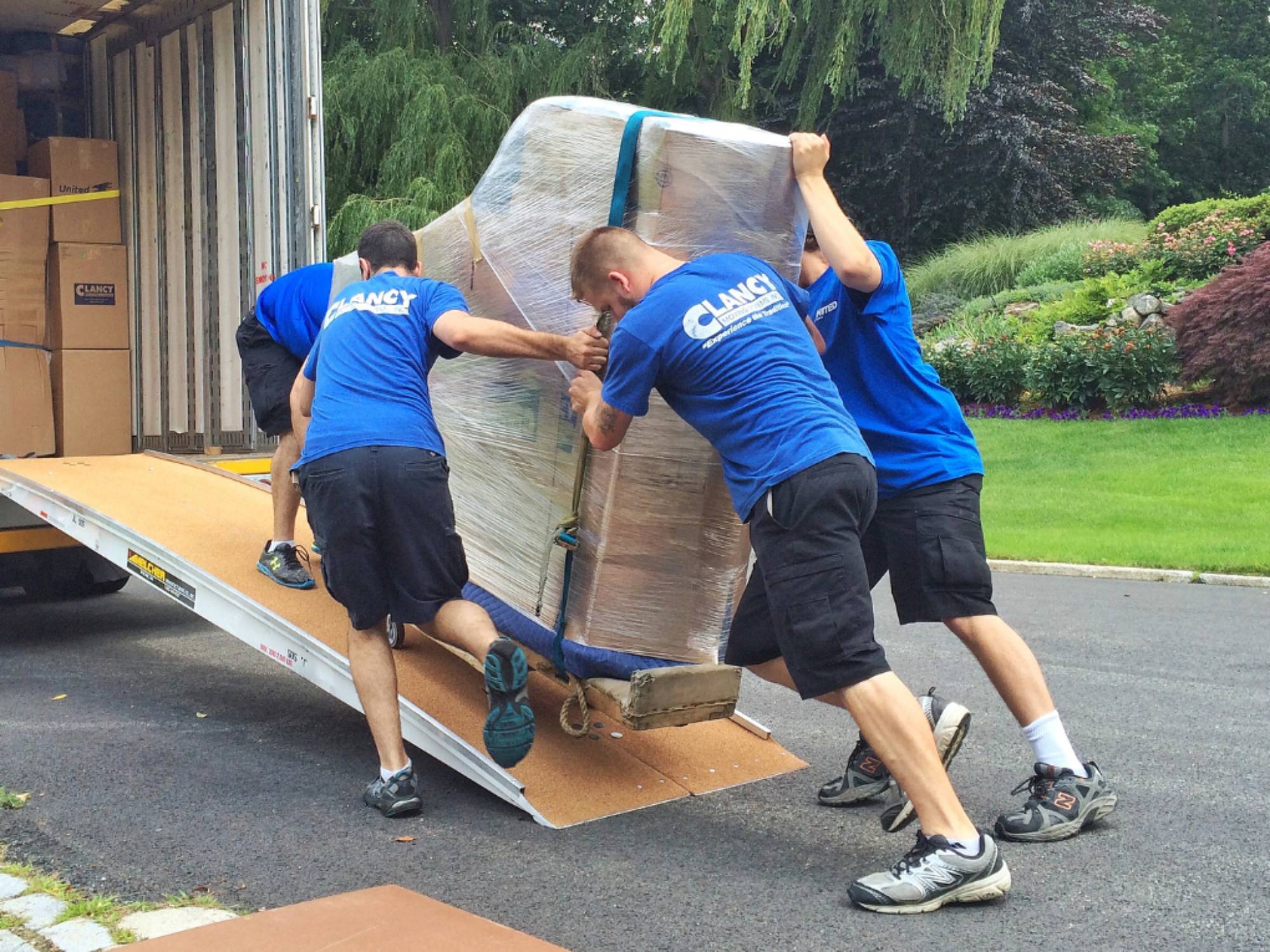
Expert Tips from Out-of-State Moving Companies

5 Expert Tips from Out-of-State Moving Companies

Moving to another state can feel overwhelming at first, but with the right approach, your residential relocation becomes much easier to manage. Out of state moving companies often provide valuable tips that simplify the process—helping homeowners plan effectively, stay within budget, and stay organized throughout a long-distance move.

1. Communicate Clearly with Your Movers

Clear communication is one of the most underrated but essential aspects of a successful long-distance move. Out of state moving companies often emphasize that strong, proactive communication helps avoid delays, misunderstandings, and last-minute complications.

  • Provide Accurate Information Upfront: Make sure your movers have a complete understanding of what to expect—this includes the number of rooms, any large or fragile items, whether stairs or elevators are involved, and specific access requirements at both the origin and destination. This allows the moving company to plan crew size, equipment, and timing accordingly.
  • Discuss Special Requests or Concerns Early: If you have unique items (pianos, antiques, artwork), pets, or a tight timeline, raise these concerns as early as possible. Movers can provide tailored solutions if they know in advance.
  • Stay Accessible on Moving Day: Be reachable and responsive during packing, loading, and delivery. Being present or assigning a point person can help resolve any questions and keep things moving efficiently. Some clients also find it helpful to do a quick pre-move walkthrough or video call with their mover to align expectations and ensure nothing is overlooked.

2. Research and Verify Movers

Not all moving companies offer the same level of service. It’s important to take time researching to find credible out of state moving companies that are experienced and properly licensed.

  • Check Licensing: Make sure the company has a U.S. DOT number and is registered for interstate moves.
  • Verify Valuation Coverage: Confirm they offer basic liability and ask about full-value protection for valuable items.
  • Read Customer Reviews: Look at reviews across multiple platforms to learn about other customers’ experiences.

3. Create a Detailed Moving Budget

Relocating to a different state comes with a variety of expenses, some obvious and others easy to overlook. Creating a clear budget helps manage costs and avoid surprises later on.

  • Professional Moving Services: Include the quote from the selected out of state moving company, plus any extra services like packing or storage.
  • Packing Supplies: Boxes, tape, bubble wrap, labels, and markers can add up quickly.
  • Travel Expenses: Think about fuel, flights, hotel stays, meals, and pet transport if needed.
  • Utility Transfers and Deposits: Costs for canceling, transferring, or starting services at the new address
  • Emergency Fund: Set aside a small amount for unplanned expenses during the move.


4. Label and Inventory Everything

Keeping track of what’s packed and where it’s going can save a lot of frustration after the move. A clear labeling system and a simple inventory make unpacking easier and help identify any missing or damaged items.

  • Use Room-Based Labels: Label boxes with the name of the room they belong in, such as “Kitchen” or “Bedroom 2,” to make unloading simpler.
  • List Contents on Each Box: Write a brief list of items inside the box so nothing gets lost or forgotten.
  • Color Code or Number Boxes: Use colored tape or numbered labels to match each box with a moving checklist or inventory sheet. Research shows that colored objects are more easily noticed, remembered, and understood, which makes this method highly effective for organizing and tracking your belongings.
  • Keep a Master Inventory List: Create a written or digital list of all packed boxes and major items. Include notes about which long distance movers are handling what, if needed.

5. Understand Valuation Options

Accidents are rare, but they can happen during a move. Knowing the valuation options offered by long distance movers helps protect valuable items and brings peace of mind. However, coverage varies by company, so it’s best to check with trusted names like Clancy Relocation & Logistics for clear, accurate details.

  • Basic Liability Coverage: Usually included at no extra cost but only covers a limited amount per pound per item.
  • Full Value Protection: Offers more comprehensive coverage by repairing, replacing, or reimbursing damaged or lost items.
  • Third-Party Valuation: Optional valuation through another provider, often used for high-value or fragile items.
  • Special Coverage for Specific Items: Items like antiques, artwork, or electronics may need additional valuation or handling plans.

Frequently Asked Questions

How much will it cost to move out of state?

Relocating to another state typically costs between $2,000 and $8,000, depending on the distance, amount of belongings, and services selected. Costs vary based on whether packing, loading, and transport are included. Key factors include the size of the move, travel distance, and the pricing structure of the movers. However, rates differ between companies, so it’s best to check with reputable providers like Clancy Relocation & Logistics for accurate estimates and service details.

How to start the process of moving out of state?

Start by creating a moving timeline and budget at least 8 to 12 weeks in advance. Research licensed interstate moving companies and get multiple quotes. Secure your preferred mover early, especially during peak seasons. Then begin decluttering, organizing, and gathering packing supplies to stay ahead.

What is a good budget for moving out of state?

A reasonable budget should cover all basic moving costs and any add-on services. Most moves fall between $1,400 and $8,000, depending on distance, home size, and whether full-service options are used. Include extra funds for travel, temporary housing, and deposits. Planning helps avoid surprise expenses.

How to move stuff from one state to another?

The most efficient way is by hiring licensed out of state or cross country movers. They handle packing, loading, transport, and delivery to your new home. For smaller moves, rental trucks or portable storage containers may be an option. Choose the method that fits your timeline, budget, and inventory.

What should I do when I move to another state?

Update your address with USPS, banks, and subscriptions. Transfer or set up new utility services, and get a new driver’s license and vehicle registration. Register to vote in your new state and locate local healthcare providers. Start building a daily routine to settle in smoothly.

Make Your Out-of-State Residential Move Stress-Free with Professional Support!

Relocating your home to another state can feel overwhelming, but the right support makes all the difference. Clancy Relocation & Logistics specializes in residential out-of-state moves, offering trusted services including packing, transport, coordination, and delivery—all backed by decades of experience as a leader in interstate and long-distance moving.

With licensed crews, transparent communication, and customizable residential solutions, we handle every step of your move with care, efficiency, and a focus on your unique needs as a homeowner.

Get a personalized quote today and take the first step toward a seamless, stress-free relocation to your new home!
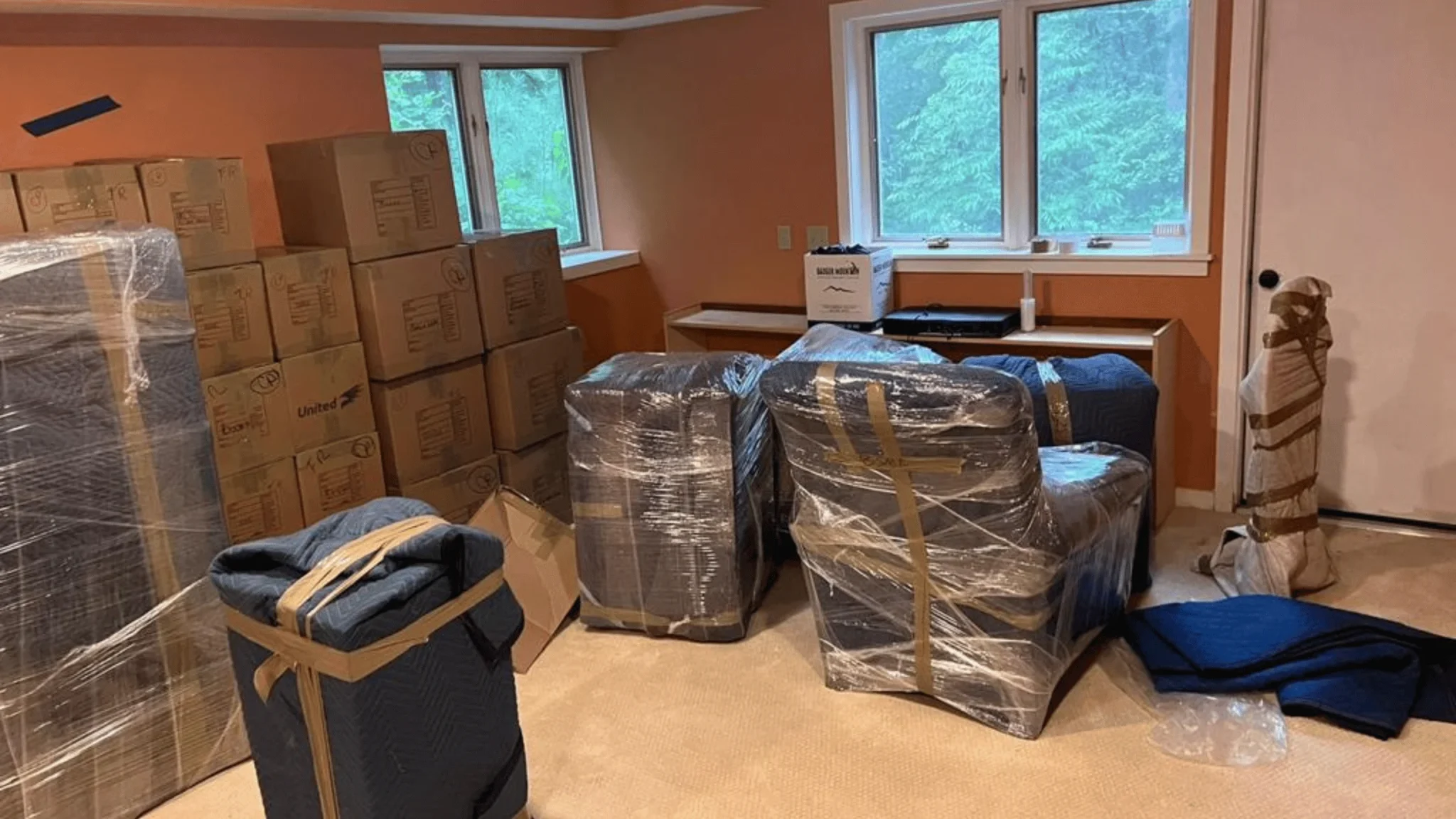
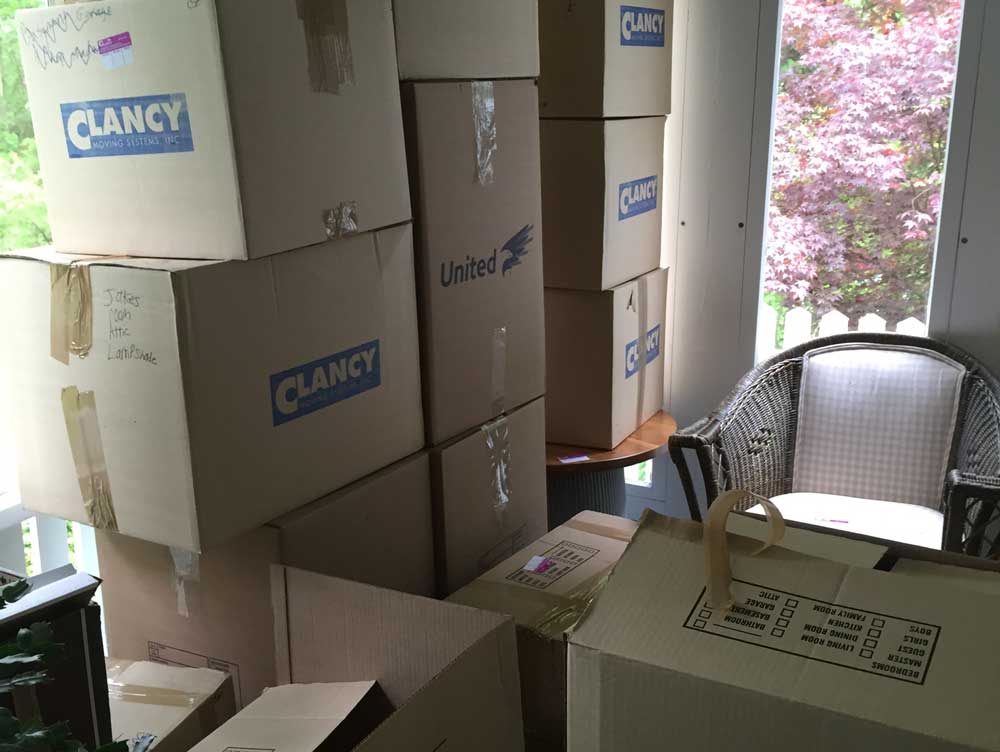
Table of Contents

Key Takeaways

Pre-Packing Preparation

Essential Packing Categories

  1. Kitchen Essentials
  2. Bedroom Basics
  3. Bathroom Necessities
  4. Living Room Items
  5. Cleaning Supplies
  6. Tools and Safety Gear
  7. Important Documents
  8. Miscellaneous Items

Moving Day Tips

Frequently Asked Questions

Make Moving Day Smoother With Expert Packing Support!

Key Takeaways

Start early, declutter intentionally, and gather all packing supplies to stay ahead of the moving process.

Group items by room and purpose to create a focused and efficient packing system.

Stay organized on moving day by preparing a first-night bag, labeling clearly, and confirming final tasks.

Moving into a first apartment is an exciting milestone, but the process can feel overwhelming without the right preparation. From organizing belongings to gathering supplies and coordinating the move, every step plays a role in creating a smoother transition. A well-planned packing strategy helps avoid stress, prevent last-minute scrambles, and ensure that nothing important gets left behind.

Here are the key steps to follow in a first apartment packing checklist to move out the right way.


Pre-Packing Preparation

Before starting to fill boxes, first-time renters should take some essential steps to lay the foundation for a smooth move. Following a solid first apartment packing checklist helps reduce stress and makes sure no important tasks are missed.

1. Create a Packing Timeline

A packing timeline brings structure and reduces last-minute stress. It’s a key part of any first-time apartment moving guide, helping divide the work over several weeks.

  • Six Weeks Before Move-In: Sort items to keep, donate, or discard. This clears clutter and gives time to plan.
  • Four Weeks Before Move-In: Pack non-essentials like books, decor, and seasonal clothes to free up space.
  • Two Weeks Before Move-In: Confirm moving help, set utility transfers, and update address for services.
  • One Week Before Move-In: Pack daily-use items and prep a “first-night bag” with essentials.

2. Declutter and Donate Unused Items

Before deciding what to pack for a first apartment, it’s helpful to remove items that are no longer needed. Decluttering not only lightens the moving load but also creates a more focused and organized process. In fact, research shows that an uncluttered space can reduce irritability, improve concentration, and boost productivity.

  • Sort Room by Room: Go one space at a time, starting with the least-used areas to stay organized.
  • Donate Gently Used Items: Give away clothing, cookware, or furniture in good condition to reduce the moving load.
  • Discard Damaged Goods: Throw out broken or expired items to streamline your essential packing list for first-time renters.

3. Gather Packing Supplies

Having the right supplies makes any first apartment packing checklist more effective. It also protects valuables and saves time.

  • Boxes (Various Sizes): Small for heavy items, large for light bulky ones, and medium for general packing.
  • Packing Tape and Dispenser: Secure boxes quickly and prevent them from opening during the move.
  • Permanent Markers: Label each box with room and contents for easier unpacking.
  • Bubble Wrap and Packing Paper: Wrap fragile items like glassware and electronics to prevent breakage.
  • Labels or Stickers: Buy or use colored tape as a budget-friendly alternative to color-coded stickers to match boxes to rooms—key for a smooth packing checklist for a first apartment move.

clancy-boxes

Essential Packing Categories

Not knowing what to pack for your first apartment can feel overwhelming, but breaking it down by room makes it easier to manage. 

1. Kitchen Essentials

A functional kitchen is key to daily living, even for simple meals. This part of the packing checklist for the first apartment move ensures that all the foundational items are covered so cooking and cleanup can happen smoothly from day one.

  • Plates, Bowls, Cups, and Utensils: It’s best to start with at least two of each item, allowing room for guests or dishes in the sink. Sturdy, lightweight options work well for moving and everyday use. These are the core of any essential packing list for first-time renters, enabling basic meals without hassle.
  • Pots, Pans, and Baking Sheets: One saucepan, one frying pan, and a medium baking sheet are enough to prepare a variety of dishes. These items are considered staples in any first-time apartment moving guide, as they allow renters to cook at home instead of relying on takeout.
  • Can Opener, Cutting Board, and Measuring Cups: These smaller tools are often forgotten but are used regularly. A durable cutting board helps protect counters, while measuring tools support basic recipes and portion control. Include them in the first apartment packing checklist to avoid unnecessary trips to the store.
  • Dish Soap, Sponge, and Trash Bags: These cleaning items make post-meal cleanup quick and sanitary. Choose a good sponge or scrubber, and bring a small pack of trash bags to get started. They are essentials in the packing checklist for a first apartment move, helping keep the kitchen in order.

2. Bedroom Basics

Packing bedroom items early ensures essential comfort is ready upon arrival, especially after a long moving day. Prioritizing this space in a first apartment packing checklist helps first-time renters settle in smoothly.

  • Bed Frame and Mattress: Pack a lightweight, easy-to-assemble frame and a comfortable mattress to avoid sleeping on the floor. This pairing supports rest and cleanliness and should be packed with priority for early setup.
  • Sheets, Pillows, and Blankets: Include at least one full bedding set, along with an extra blanket or pillow. These soft essentials bring comfort to a new space and are a must on any essential packing list for first-time renters.
  • Dresser, Hangers, and Laundry Basket: Flat-pack a small dresser or foldable storage unit, along with hangers and a laundry bin. These items keep clothing organized and are key for maintaining a clutter-free bedroom from day one.

3. Bathroom Necessities

A clean and functional bathroom is important from the first night. This checklist ensures renters won’t be caught without the essentials when they need them most.

  • Towels and Washcloths: Pack two sets of towels and washcloths per person to allow for rotation and laundry days. Choose absorbent, quick-drying materials to save space and time. This is a vital category in any first apartment packing checklist.
  • Shower Curtain and Hooks: Most apartments don’t come with these, and they’re necessary to prevent water damage. A basic shower curtain and a set of hooks are small, affordable, and often overlooked when deciding what to pack for your first apartment.
  • Toilet Brush, Plunger, and Cleaning Supplies: Cleanliness is easier to maintain with the right tools. These items help avoid unpleasant surprises and make it easier to keep the space fresh.
  • Toiletries (Toothbrush, Shampoo, etc.): Personal care items are daily-use essentials. Pack enough for the first week, including soap, deodorant, a hairbrush, and hygiene products.

4. Living Room Items

A cozy, functional living room creates a space for rest and entertainment. Even minimal furniture can make the area feel welcoming and useful.

  • Couch or Seating: Whether it’s a full sofa, loveseat, or foldable chair, some form of seating is essential. Choose something compact and easy to move, especially for small apartments. This should always be part of a first apartment packing checklist.
  • Coffee Table or TV Stand: These surfaces help organize living room items like remotes, drinks, or laptops. A sturdy, multipurpose piece adds structure to the room and improves its functionality, making it a strong addition to any packing checklist for a first apartment move.
  • Lamps or Lighting: Overhead lights can be harsh or limited, so additional lighting makes the space more comfortable. Floor or table lamps are great options that are both functional and decorative. Lighting should be included when planning what to pack for your first apartment.
  • TV, Speakers, and Remotes: Entertainment is part of feeling at home. A small TV, portable speakers, and labeled remotes help complete the space. These items enhance comfort and are worth including in an essential packing list for first-time renters.

5. Cleaning Supplies

Keeping a new apartment clean is essential for comfort, hygiene, and peace of mind. First-time renters should gather the right cleaning items before moving day so they’re ready to handle any mess from the start. 

  • Broom, Mop, and Vacuum: These three tools cover all floor types—tile, hardwood, or carpet. A broom and mop take care of dust and spills, while a vacuum is ideal for rugs or upholstered furniture. Together, they help maintain a tidy and fresh living space, making them must-haves on any packing checklist for a first apartment move.
  • All-Purpose Cleaner and Disinfectant Wipes: These products are useful for cleaning everything from kitchen counters to bathroom surfaces. Disinfectant wipes are quick for spills and sanitizing high-touch areas.
  • Paper Towels, Sponges, and Gloves: These smaller items are daily-use essentials. Paper towels handle quick cleanups, while sponges help scrub sinks and dishes. Cleaning gloves keep hands safe from harsh chemicals and grime. Every first-time apartment moving guide should include them.

6. Tools and Safety Gear

Having basic tools and safety items on hand ensures that first-time renters are prepared for both setup and emergencies. These items are essential for furniture assembly, small repairs, and staying secure in a new home.

  • Basic Toolkit (Screwdriver, Hammer, Nails): This simple kit makes it easy to hang pictures, fix loose screws, or put furniture together. Even renters with no experience will find these tools helpful. Including a toolkit in a first apartment packing checklist adds both convenience and confidence.
  • Flashlight and Batteries: A flashlight is important during power outages or when searching dark storage areas. Pack extra batteries to keep it usable anytime. It’s a smart safety item that belongs in every essential packing list for first-time renters.
  • First-Aid Kit: Accidents can happen during moving or unpacking. A basic kit with bandages, antiseptic, and pain relief ensures renters are ready to handle small injuries without delay. It’s a must for any first-time apartment moving guide.
  • Extension Cords and Power Strips: Outlets may not be located where they’re most needed. Extension cords and surge-protected power strips help set up electronics efficiently and safely. 

7. Important Documents

Important documents are often overlooked during packing, but they’re critical for identification, security, and daily life. Keeping them together in a labeled folder or fireproof pouch is a smart move for first-time renters. It’s also wide for these items to be carried personally to avoid loss or damage. 

  • Lease Agreement: A copy of the signed lease proves the right to occupy the apartment and may be needed when setting up utilities or verifying residency. This is a priority in any packing checklist for a first apartment move.
  • ID, Social Security Card, Passport: These forms of identification are used for job applications, setting up services, and official registrations.
  • Valuation Papers: Renters valuation protects personal belongings and may be required by the landlord. Including these papers in a first apartment packing checklist ensures nothing is missed when moving responsibilities begin.
  • Emergency Contacts: A printed list of phone numbers for family, close friends, healthcare providers, and the landlord is useful if a phone dies or service is disrupted. This is a practical piece of advice from any reliable first-time apartment moving guide.

8. Miscellaneous Items

These final essentials don’t fall into one specific category but are still key to making an apartment livable and connected from the start. These extra touches often define what to pack for a first apartment.

  • Internet Router and Cords: Getting connected to Wi-Fi is one of the first tasks in a new home. Bringing a router and compatible cables ensures there’s no delay in setting up service. It’s a must on every essential packing list for first-time renters.
  • Wall Hooks or Adhesives: Most rentals don’t allow nails in the walls. Adhesive hooks are renter-friendly ways to hang keys, coats, or decorations without damage.
  • Laundry Detergent: Moving means laundry. Pack detergent, dryer sheets, and stain remover so laundry day can start anytime. It’s a common item to forget, but a crucial one for first-time renters.
  • Personal Decor: Small pieces like framed photos, throw pillows, or plants help the apartment feel like home. Adding personality to the space makes the transition smoother and more enjoyable. These finishing touches round out a complete first-time apartment moving guide.

moving

Moving Day Tips

Moving day can be overwhelming, especially for first-time renters. With the right planning and a clear checklist, it becomes much easier to stay calm, focused, and efficient. 

1. Consider Hiring Packing Services

Hiring professional packing services can ease the pressure of moving, especially for those who are short on time or moving long distances. Partnering with experienced providers—such as Clancy Relocation & Logistics, known for their reliable residential moving support—can help make the transition smoother and more organized.

  • Time-Saving Option: Professionals pack quickly and efficiently, helping first-time movers stay on schedule.
  • Reduced Stress: Since a 2020 survey found that 45% of Americans ranked moving as the most stressful event in their lives, having experts manage fragile or bulky items can ease a significant part of that pressure.
  • Customized Service: Some companies offer partial packing for just the kitchen or delicate items, allowing flexibility based on needs and budget.

2. Pack a “First-Night” Bag

After a long day of moving, no one wants to dig through boxes to find a toothbrush or a phone charger. A well-prepared first-night bag ensures comfort and convenience from the very first night in a new home.

  • Toiletries and Medications: Include toothbrush, toothpaste, soap, shampoo, and any daily medications. These small items are often forgotten but instantly needed.
  • Change of Clothes and Sleepwear: Packing an extra outfit and something comfortable to sleep in helps ease the first night.
  • Basic Bedding: A blanket, pillow, and a set of sheets make it possible to sleep comfortably even before unpacking the entire bedroom.
  • Chargers and Devices: Phone and laptop chargers should go in this bag to stay connected and organized.
  • Snacks and Water: Quick snacks and bottled water keep energy up during or after the move, especially before the kitchen is unpacked.

3. Label Boxes Clearly by Room

Labeling is one of the simplest but most effective ways to stay organized. It saves time during unpacking and helps movers know where each box belongs.

  • Room-Specific Labels: Write the destination room on each box (e.g., Kitchen, Bedroom, Bathroom). It avoids confusion and keeps things moving efficiently.
  • Short Descriptions: Add a few words about the box’s contents (e.g., “Pots and Pans” or “Towels and Toiletries”) to make it even easier to unpack.
  • Mark Fragile Items: Clearly mark any boxes with breakable items so they’re handled with extra care.

4. Check the Apartment Before Leaving

A final walkthrough of the old place can prevent last-minute issues, forgotten items, or possible penalties.

  • Inspect All Rooms: Open every drawer, cabinet, and closet to make sure nothing is left behind.
  • Turn Off Utilities: Ensure lights are off, water is shut, and appliances are unplugged or turned off.
  • Take Photos: Document the condition of the apartment to avoid any disputes with the landlord later.

Dispose of Trash: Make sure garbage and leftover items are removed to leave the place clean and avoid fees.


Frequently Asked Questions

Do apartment complexes have moving rules I should be aware of?

Yes, many apartment buildings have specific moving rules, such as reserved elevator hours or parking restrictions. Some require advance notice, deposits, or a move-out checklist to be completed. It’s crucial to check your lease or talk to management well before moving day.

What’s the difference between packing for a local move and a long-distance apartment move?

Packing for a long-distance move often requires more durable packing materials and careful labeling. You’ll want to ensure items are secure for longer travel and potentially rougher handling. Local moves allow more flexibility with how tightly items are packed, as they’re often moved directly from point A to B. 

How do I stay motivated while packing my apartment?

Staying motivated can be tough, especially if you’re overwhelmed by the amount to do. Break the task into small, manageable chunks and set daily goals. Music, snacks, and rewards for milestones can keep your energy up. Seeing progress, like a cleared-out closet or finished room, can boost your mood. 

What should I avoid packing until the last minute?

Essential items like toiletries, important documents, basic cookware, and everyday clothes should be left for last. You’ll likely still need access to these things in the final days before your move. Pack them in a “first night” box or suitcase for easy access after the move. This can save you from digging through multiple boxes in your new apartment.

How can I deal with small space challenges while packing?

Packing in a small apartment often means working around limited space and minimal storage. It’s helpful to pack in stages, keeping one area clear for stacking completed boxes. Disassembling furniture early creates more room to move around. Using furniture like beds or sofas for temporary box storage can help as well.

Make Moving Day Smoother With Expert Packing Support!

Handling a first-time apartment move requires more than just boxes and tape—it takes planning, coordination, and the right help. Clancy Relocation & Logistics offers trusted packing and relocation services designed to reduce stress and protect what matters most. From partial packing to full-service moves, our team ensures every step is handled with care.

Get a custom quote today and take the next step with confidence!

Table of Contents

Key Takeaways

10 Essential Questions for Hiring Full-Service Movers

Frequently Asked Questions

Choose Trusted Experts for a Stress-Free Moving Experience!

Key Takeaways

Always confirm that the mover holds proper licensing and valuation to protect against potential risks.

Clarify which services are included in the quote to avoid surprise charges later.

Ask for a binding estimate to lock in costs and prevent unexpected price increases.

Check that the mover has experience with similar types of moves to ensure reliable service.

Verify whether they conduct in-home or virtual surveys for accurate pricing and planning.

Understand the company’s cancellation or rescheduling policy in case plans change.

Confirm whether packing supplies and labor are part of the service or billed separately

Learn how damage or loss is handled and what protection options are available.

Review references or online feedback to evaluate the mover’s reliability and reputation.

Get a clear moving timeline, including delivery windows and how delays are managed.

Hiring a full-service mover can take a lot of the stress out of relocating. From packing and loading to transportation and unpacking, full-service movers handle it all—but not all providers offer the same quality of service or transparency. Asking the right questions ahead of time can help avoid surprises, delays, and extra costs.

Here are 10 important questions to ask before hiring a full-service mover near me.

10 Essential Questions for Hiring Full-Service Movers

1. Is the Moving Company Licensed?

Hiring a professional mover near me without proper credentials can lead to unexpected costs, lost items, or even fraud. Before choosing a moving company, it’s critical to confirm they meet legal and industry standards. 

Why Licensing Matters

Licensed and insured residential movers near you offer peace of mind and legal protection. It’s the first sign of a legitimate operation and signals that the company follows safety and service regulations.

  • Protection From Liability: A licensed mover near you is required to follow state and federal guidelines, and valuation covers damages or losses during the move.
  • Proof of Professional Standards: Proper credentials reflect that the company operates with accountability and meets professional moving standards.

How to Verify Licensing

Not all companies that claim to be “the best movers near me” have the credentials to back it up. It’s important to verify their legal status.

  • Check the USDOT Number: For interstate movers, they should have an USDOT number. Search the company’s USDOT number on the FMCSA website to view license status and complaint history.
  • Confirm State Licensing: For in-state moves, check with the state’s consumer protection or transportation department to ensure the company is licensed locally.
  • Ask for Proof: Reputable apartment movers nearby will willingly provide licensing and valuation documentation upon request.

2. What Services Are Included in the Quote?

Full-service moving should include more than just transporting boxes from one place to another. Some professional movers near you may offer a wide range of services, but not all will include everything in the initial quote. Understanding exactly what’s covered can prevent costly surprises later on.

What “Full-Service” Typically Covers

The term “full-service mover” can vary slightly by company. Always ask for a detailed breakdown of what’s included.

  • Packing and Unpacking: Many apartment movers near me include professional packing of belongings, furniture wrapping, and unpacking at the new home.
  • Loading and Unloading: This service should cover labor to move items from the home to the truck and vice versa at the destination.
  • Transportation: The actual transport of items is the core of the quote, but ensure fuel costs and tolls are included.
  • Furniture Disassembly and Reassembly: Often included, this saves time and reduces the risk of damage during the move.

How to Avoid Hidden Fees

Even the best movers near me may charge additional fees that aren’t obvious at first. Knowing what to look for helps prevent last-minute charges.

  • Ask for a Detailed Estimate: A written estimate should outline all included services and any additional charges.
  • Watch for Extra Charges: Fees may apply for long carries, stairs, bulky items, or last-minute scheduling.
  • Clarify What’s Not Included: Be clear on whether things like storage, crating, or specialty item handling are part of the quote or billed separately.

3. Can They Provide a Binding Estimate?

Before signing any contract with a mover, it’s important to understand the type of estimate being offered. This directly affects how much will be paid at the end of the move and protects against unexpected costs. 

However, take note that pricing and service terms can vary between companies, so it’s recommended to check with reputable providers like Clancy Relocation & Logistics for accurate, transparent estimates and dependable information.

Understanding Binding vs. Non-Binding Estimates

Not all estimates are created equal. Knowing the difference helps people make informed decisions and choose professional movers near you who are transparent.

  • Binding Estimate: A binding estimate means the price is locked in based on the items listed and services requested. Even if the actual weight or labor time ends up being more, the cost won’t change. 

A binding estimate ensures there are no surprise charges. It offers peace of mind, especially when searching for residential movers near me for large-scale relocations.

  • Non-Binding Estimate: A non-binding estimate is only an approximation. If the move takes longer or weighs more than expected, the final cost can be significantly higher.

4. What Is Their Experience With Similar Moves?

Not all moving jobs are the same. Some movers specialize in apartment relocations, while others handle long-distance or high-value moves. 

Why Relevant Experience Matters

Hiring apartment movers for a large estate move—or vice versa—can lead to delays, damages, or poor handling. Asking about past experience shows whether the team can meet specific needs.

  • Long-Distance Moves: Complex Logistics : Long-distance relocations require detailed planning, coordination, and often cross-state licensing. Movers with this background know how to manage timing, transport, and communication.
  • Large Homes: More Rooms, More Planning : A large home typically involves more belongings, heavier furniture, and greater care in packing. Residential movers near you with experience in spacious homes can move efficiently without compromising safety.
  • Specialty Items: Delicate and Valuable : Items like pianos, antiques, and artwork need special handling. The best movers near you have the equipment, training, and padding materials to protect these belongings throughout the move.

5. Do They Conduct In-Home or Virtual Surveys?

Before selecting a mover, it’s important to understand how they evaluate the total volume and type of items that need to be moved. Whether the company offers in-home visits or virtual surveys, a thorough inventory process ensures that estimates are precise and tailored to the customer’s actual needs.

In-Home vs. Virtual Surveys

Each method of surveying—whether in-person or online—comes with its own set of advantages and considerations. Customers should choose based on convenience, complexity of the move, and the level of detail they want the mover near you to capture.

  • In-Home Surveys Provide Greater Accuracy: A mover’s in-person visit allows for a detailed walkthrough of all spaces, making it ideal for larger or more complex moves where capturing every item—especially those in storage areas—is essential.
  • Virtual Surveys Offer Speed and Convenience: A fast, flexible option conducted via smartphone or tablet, virtual surveys work well for smaller moves or apartment relocations but may miss hidden items, potentially affecting estimate accuracy.

6. What Is Their Cancellation or Rescheduling Policy?

Unforeseen circumstances can change even the most well-planned move. That’s why it’s essential to search for professional movers near me that are transparent with their cancellation and rescheduling policies. 

Key Details to Ask About

Different companies have different policies, and knowing the specifics can help the customer make an informed decision. These policies should be reviewed carefully and, ideally, confirmed in writing.

  • Notice Requirements: Most moving companies require a certain amount of notice—usually 48 to 72 hours—before a scheduled move in order to make changes without penalty. Ask how far in advance a customer must notify them to cancel or reschedule without being charged.
  • Refund Terms: In cases where a deposit is required, customers should confirm whether it is fully refundable, partially refundable, or non-refundable. It’s also important to know under what conditions a refund is granted, such as emergency cancellations or weather-related delays.
  • Rescheduling Options: Some movers allow customers to reschedule once at no extra cost, while others may charge a fee. It’s useful to ask if they offer priority rebooking or alternate dates in case the original schedule needs to shift.
  • Cancellation Fees: Ask about the cost of canceling the move outright. While some residential movers near you may charge a flat fee, others could retain the deposit or charge a percentage of the total estimate.
  • Weather or Emergency Policies: Reputable companies will have clear policies in place for dealing with extreme weather, road closures, or other unexpected events. It’s wise to confirm whether these circumstances qualify for free rescheduling or cancellation without penalty.

7. Are Packing Materials And Labor Included?

Hiring a professional mover for a full-service relocation often includes both packing and unpacking assistance. However, not all companies offer the same level of service, so it’s important to clarify what is and isn’t included before signing a contract.

What’s Typically Included In Packing Services

Not all residential movers define “full-service” the same way. Some might include all packing supplies, while others only offer labor. It’s essential to understand the scope of services before the move begins.

  • Packing Labor: Movers will pack belongings room by room, wrapping items for protection and labeling boxes to make unpacking easier.
  • Furniture Disassembly and Wrapping: Large furniture is typically disassembled and wrapped in moving blankets to prevent damage during transport.
  • Unpacking Services: Some full-service packages include unpacking items and placing them in designated areas in the new home.

Who Provides Boxes And Supplies

Understanding who supplies the materials is crucial for budget planning. While some best movers nearby include everything, others charge separately.

  • Company-Supplied Materials: Many full-service movers provide boxes, tape, bubble wrap, and specialty containers like wardrobe boxes or dish packs.
  • Customer-Supplied Materials: In some cases, the client may be expected to supply their own materials to reduce costs or for custom packing needs.

Material Fees: If materials are not included, the company may offer them at an additional cost, often marked up compared to retail prices.

person-organising-live-shop

8. How Do They Handle Damaged Or Lost Items?

Accidents can happen during a move, even with the most professional movers. Knowing how a company handles damage or loss builds trust and helps ensure that all items are protected.

Claims Process Overview

Every mover near you should have a clear and written process for handling damage or missing items. This process should be discussed and understood before the move begins.

  • Documented Inspection: Reputable movers conduct a pre-move inventory and inspect items before and after the move for accountability.
  • Damage Reporting Timeline: Customers are usually required to report any damage or loss within a specific period—often within 7 to 30 days.
  • Claims Submission Procedure: Movers typically provide a form or portal to submit claims. Proof such as photos, receipts, or inventory lists may be required.

Understanding Liability And Coverage

Not all moving valuation is created equal. It’s important to ask the mover near you what level of liability coverage is included and whether extra protection is available. For accurate information, it’s best to contact trusted providers like Clancy Relocation & Logistics. 

  • Released Value Protection: This basic coverage is included in most moves but only offers minimal compensation based on weight (e.g., $0.60 per pound per item).
  • Full Value Protection: This premium option offers higher coverage, meaning the company must repair, replace, or reimburse the item’s current market value.
  • Third-Party Valuation: For valuable or irreplaceable items, it might be worth purchasing additional coverage through an outside insurer.

9. Can They Provide References or Reviews?

Hiring a full-service mover near you is a big decision, and hearing from past customers can offer valuable insight. A company’s reputation speaks volumes about the quality of its service. Before committing, it’s important to see what others are saying about their experience with the mover.

Why Reviews and References Matter

Customer feedback helps reveal how a moving company treats its clients, manages challenges, and delivers on promises.

  • Trustworthiness of the Service: Reviews highlight whether the mover showed up on time, handled items with care, and kept their word on cost and timing.
  • Consistency in Service Quality: A long trail of positive reviews can point to a consistent, dependable performance.
  • Handling of Complaints: How a moving company responds to negative feedback can be just as telling as the review itself.

Where To Find Honest Reviews

Not all review sources are equal. Some platforms are more reliable and transparent than others.


  • Google Reviews: Offers a broad look at experiences from all types of moves—great for evaluating professional movers and residential movers near me.
  • Better Business Bureau (BBB): A reliable platform for checking mover ratings, complaint histories, and overall business practices—especially important since most people only hire a mover a few times in their lives, making them more vulnerable to scams. The BBB reports receiving an average of 13,000 complaints and negative reviews about movers annually, underscoring the need to verify a company’s reputation before hiring
  • Yelp and Trustpilot: Ideal for detailed customer stories and opinions, both positive and critical.
  • Company Website Testimonials: Helpful but often filtered; use these in combination with external sites for a fuller picture.

10. What Is the Timeline for the Move?

Understanding the timeline of a move helps reduce stress and sets clear expectations. Knowing when items will be packed, transported, and delivered can make planning much easier—especially for families, renters, and anyone using apartment movers nearby.

Key Parts of a Moving Timeline

Clear communication around scheduling is a key trait of professional movers. Timelines should be realistic and detailed.

  • Loading Schedule: The date and time the moving team will arrive to load the truck. Best to confirm this in writing.
  • Transit Duration: The estimated number of days the mover nearby will take to reach the new location. Factors include distance, weather, and traffic.
  • Delivery Window: The expected day or range of days when the items will be delivered. Best movers often provide updates en route.

Frequently Asked Questions

Can I customize the services I want from a full-service mover?

Absolutely, most full-service moving companies offer customizable packages to meet specific needs. You can opt for only packing, only transportation, or full end-to-end assistance. Flexibility is one of the key advantages of hiring a full-service mover. 

How long does a full-service move take?

The timeline depends on the size of your move, the distance to be covered, and the services requested. Local moves might be completed in a single day, while cross-country moves can take a week or more. Packing services may add a day or two to the schedule. 

How early should I book a full-service mover?

It’s best to book your full-service mover at least 4 to 6 weeks in advance, especially during peak moving seasons. Early booking ensures availability and gives you enough time to plan all aspects of your relocation. Last-minute bookings are possible, but options may be limited. 

How do I choose a reliable full-service mover?

Start by checking online reviews, ratings from the Better Business Bureau, and testimonials. Ask for recommendations and request multiple quotes to compare services and pricing. Make sure the company is licensed and insured before signing a contract.

Will I need to be present during the move?

It’s usually recommended that you’re present during key parts of the move, such as the initial walkthrough and final inventory check. However, you can often make arrangements if you can’t be there the entire time. Some movers offer remote coordination options. 

Choose Trusted Experts for a Stress-Free Moving Experience!

Partnering with a reliable provider like Clancy Relocation & Logistics ensures every detail of the move is handled with care, precision, and professionalism. From planning to delivery, our team of professional movers is equipped to manage residential and apartment relocations of all sizes. Backed by strong customer reviews and years of industry experience, Clancy Relocation & Logistics delivers peace of mind with every move.

Start the process with Clancy Relocation & Logistics today—request a detailed quote now!

Table of Contents


Key Takeaways

6 Reasons Families Trust Cross Country Movers for Relocation

  1. Professional Expertise
  2. Time-Saving Convenience
  3. Stress Reduction
  4. Comprehensive Services
  5. Safety and Valuation Coverage
  6. Cost-Effective in the Long Run

Frequently Asked Questions

Simplify Long-Distance Moving with Trusted Experts!

Key Takeaways

Experienced cross country relocation services ensure items are packed, handled, and transported with skill and care.

Professional moving teams streamline the process, saving families valuable time.

Having experts manage the move reduces emotional and physical strain on families.

Full-service options provide everything from packing to storage under one solution.

Reputable movers offer safety measures and valuation coverage for added peace of mind.

Bundled services and reduced risk of costly mistakes make hiring movers a smart financial choice.

Moving across the country is a major life transition that involves careful planning, time, and coordination. For families, the process can become even more complex with the added responsibilities of children, school schedules, and settling into a new environment. 

Handling everything alone often leads to stress, delays, and unexpected expenses. That’s why many families turn to professional cross country movers to handle the heavy lifting. 

Here are six key reasons why families prefer cross country movers for long-distance moves.

6 Reasons Families Trust Cross Country Movers for Relocation

1. Professional Expertise

When families are preparing for a long-distance move, hiring professional cross country movers can provide a level of expertise that significantly eases the process. 

Trained to Handle Long-Distance Moves

Cross country moves require more than just manpower—they demand skill, coordination, and attention to detail. Cross country moving services train their crews to understand how to pack, lift, and transport items specifically for long-distance travel.

  • Packing With Precision: Movers use proven techniques and quality materials to wrap, cushion, and box items so they remain intact during transit. This includes fragile glassware, electronics, and oddly shaped items.
  • Strategic Loading: Items are loaded in a calculated order, with heavy objects secured at the bottom and lighter or delicate items placed carefully to prevent shifting and breakage.
  • Navigating Long Routes: Drivers familiar with long-distance travel follow efficient routes, monitor road conditions, and adjust for factors like weather or traffic to ensure timely delivery.
  • Consistent Quality: Reputable movers follow standardized processes and maintain quality control from start to finish, offering the same level of care regardless of distance.
  • Customer-Focused Support: Top-rated cross country moving services communicate clearly, offer helpful advice, and check in with families throughout the process to ensure satisfaction and clarity every step of the way.

Reduced Risk of Damage or Loss

One of the main reasons families prefer professional cross country movers is the added security for their possessions. Moving across the country involves more handling and time on the road, which increases the chances of damage without the right precautions.

  • Protective Equipment Used: Movers arrive with protective gear such as padding, shrink wrap, floor runners, and moving straps, all designed to keep items secure during handling and transit.
  • Inventory Management: Teams take a detailed inventory of items being moved, helping families keep track of every piece and reducing the chance of anything being lost.

2. Time-Saving Convenience

Relocating across the country is a major undertaking that demands time, effort, and careful coordination. For families balancing daily routines, jobs, and school schedules, handling a long-distance move alone can become exhausting. 

Creates Comprehensive Solutions 

When families hire professional cross country movers, they gain access to experienced professionals who are trained to manage the entire moving process from start to finish. This removes the stress of figuring out complex logistics and ensures everything is handled on schedule.

  • Coordinated Scheduling: Movers plan every phase of the relocation, from packing days to delivery windows, making sure everything stays organized and on time.
  • Route Planning: Cross country drivers know how to map the most efficient and safest routes, reducing travel time and avoiding common delivery delays.
  • Inventory Management: Teams use a system to catalog and label boxes so nothing is lost or misplaced, saving time during unpacking and setup.

Frees Up Time for Personal Priorities

Hiring cross country moving services gives families back the time they would have spent packing, loading, and managing transportation. This extra time can be used for important personal tasks that need attention before the move.

  • Focus on Work and School: Parents can maintain productivity at work and children can stay in school longer without the disruptions caused by packing and planning.
  • Handle Housing Transitions: Families have more time to finalize mortgage paperwork, lease agreements, or prepare their new home before arrival.
  • Time for Goodbyes: Instead of rushing through the final days, families can spend meaningful time with loved ones and wrap up local commitments properly.

Faster, More Efficient Moves

One of the biggest advantages of using the best cross country movers is how quickly and efficiently they complete each part of the move. Their experience helps avoid common mistakes that cause delays in DIY moves.

  • Optimized Packing Systems: Professional movers use materials and packing techniques that not only protect items but also speed up the process.
  • Team-Based Labor: A crew of movers can accomplish in hours what would take a family several days, allowing for quicker departure and setup.
  • Reliable Transportation Schedules: Families can count on accurate pickup and delivery timelines, avoiding the frustration of long gaps between move-out and move-in.

3. Stress Reduction

Long-distance moves are not only physically demanding—they often bring emotional fatigue and mental exhaustion. Balancing the organization of belongings, tight schedules, and everyday responsibilities can quickly become overwhelming. In fact, nearly 64% of people report that a recent move was the most stressful experience they’ve faced, highlighting just how emotionally taxing the process can be.

Provide Peace of Mind

When working with cross country moving services, families benefit from clear schedules and consistent communication. This removes uncertainty and builds trust, making the move less stressful and more predictable.

  • Point of Contact Support: Many best cross country movers assign a dedicated coordinator who serves as the main point of contact, answering questions and resolving issues throughout the move.
  • Problem Solving: Whether it’s a change in delivery time or an unexpected delay, professional movers have the experience to quickly troubleshoot problems and adjust plans without causing major disruptions.

Emotional Relief for the Whole Family

The stress of a long-distance move can affect the entire family, from toddlers to grandparents. Hiring cross country movers offers emotional relief by easing the burden of planning and execution, allowing families to focus on their well-being and the exciting transition ahead.

  • Reduces Family Tension: By handling logistics and labor, movers help prevent arguments and stress within the household, promoting a calmer moving experience for everyone.
  • Creates a Sense of Stability: With professionals managing the move, children and older family members feel more secure and less disrupted by the changes.
  • Allows More Quality Time Together: Instead of being consumed by tasks, families can spend their final days in the current home making memories and preparing emotionally for the move.

4. Comprehensive Services

Cross Country Movers

Long-distance moves can involve complex logistics, especially for families with children, pets, or large households. Choosing the best cross country movers means having access to a full suite of solutions that make moving less stressful and more organized. 

Full-Service Options Offer All-in-One Support

Reliable cross country moving services take care of the heavy lifting—literally and figuratively. These services are meant to cover all aspects of a family’s relocation, from the moment packing begins to final setup at the new home.

  • Packing and Unpacking Services: Professional movers are trained to pack all types of belongings safely and efficiently. They use sturdy boxes, padding, and labels to make sure everything stays organized and protected during the journey. Once the move is complete, they also assist with unpacking, helping families settle in faster without the hassle of unboxing everything themselves.
  • Secure Storage: Sometimes move-in and move-out dates don’t line up perfectly. In these cases, cross country movers offer access to secure storage facilities. Families can store their belongings, knowing their items are safe until they’re ready to be delivered.
  • Furniture Disassembly and Assembly: Large or bulky furniture often needs to be taken apart to move safely. Movers disassemble items like beds, tables, and shelving before transit and reassemble them at the destination. This prevents damage and saves time during setup.

Customizable Packages to Fit Family Needs

Not all families have the same needs during a move. Some may want complete support, while others only need help with specific parts of the process. That’s why cross country relocation services are often customizable.

  • Flexible Service Levels: Whether a family wants full packing and setup or just loading and transport, movers offer packages to match. This flexibility ensures that families only pay for what they truly need.
  • Accommodations for Special Items: Families with delicate or oversized belongings—like antiques, pool tables, or grandfather clocks—benefit from cross country moving services that offer specialized care. Items made of wood are especially vulnerable, as they can shrink or swell with changes in humidity during transit. Professional movers understand these conditions and use proper packing and climate-controlled handling to protect sensitive items from damage.
  • Support for Last-Minute Changes: Life doesn’t always go according to plan. Many of the best cross country movers are prepared to adjust timelines and service details on short notice, giving families the flexibility they need when unexpected delays arise.

5. Safety and Valuation Coverage

Long-distance relocations involve more than just packing and transporting items—they require planning for the unexpected. For families making significant moves, working with professional cross country movers means having access to valuation coverage that helps protect belongings throughout the journey. 

Understanding Valuation Coverage

Valuation coverage is a crucial part of any long-distance move. While it’s not the same as valuation, it outlines the mover’s responsibility for your belongings. However, coverage and pricing can vary, so it’s best to check with trusted companies like Clancy Relocation & Logistics for accurate details.

  • Released Value Protection: This is the most basic form of coverage and is typically included in the cost of the move. It covers belongings based on weight rather than actual value—usually at a rate of 60 cents per pound per item. While it offers some protection, it may not be enough for high-value items.
  • Full Value Protection: This option provides more thorough coverage. If an item is damaged, lost, or destroyed, the mover is responsible for repairing it, replacing it with a similar item, or offering a cash settlement based on its current market value. Though it comes with an additional fee, it offers stronger financial protection, making it ideal for families with valuable or sentimental items.
  • Declared Value Coverage: With this option, the total value of the shipment is declared by the customer. The mover’s liability is then based on that amount, not the weight. It gives families more control over how much coverage they want for their move.

Why Valuation Coverage Matters for Families

When relocating across states or even across the country, the risk of damage or loss increases due to the long distance and various handling points. Valuation coverage provides families with added assurance that their belongings are not only being transported by the best cross country movers, but also protected throughout the journey.

  • Protection Against Unforeseen Events: During a cross country relocation, items may pass through several stages—from loading docks to long drives and storage. Valuation coverage ensures that families are not left to absorb the cost of accidents, mishandling, or transit-related damage.
  • Confidence in the Moving Process: When working with cross country movers, clear communication about coverage options helps families make informed decisions. Understanding what each option includes and excludes builds confidence in the entire moving process.
  • Peace of Mind During a Major Transition: Moving can be emotionally and physically overwhelming. Valuation coverage helps reduce worry by providing a financial safety net, allowing families to focus on settling into their new home.

6. Cost-Effective in the Long Run

Hiring cross country movers can initially appear to be a bigger investment, but over time, it often proves to be a more affordable and stress-free choice for families. Instead of navigating the complications and hidden expenses of a self-move, many turn to professional cross country movers to handle the job efficiently and transparently.

Avoiding Unexpected DIY Expenses

Do-it-yourself moves can create unexpected costs that families don’t always plan for. These costs can accumulate quickly and stretch a family’s moving budget far beyond what was expected.

  • Equipment Rentals and Supplies: Moving without help often means paying for a rental truck, moving equipment, and a large number of packing materials like boxes, blankets, and tape. These items may seem minor at first but add up quickly when purchased separately.
  • Fuel and Travel Costs: Long-distance trips come with fuel expenses, tolls, hotel stays, and meals along the way. These travel-related costs can easily exceed a family’s initial budget.
  • Risk of Damaged Items: Without proper training or the right materials, packing fragile or heavy belongings can lead to breakage. Replacing or repairing these items can become an expensive consequence of a DIY move.
  • Time Away From Work: A self-move usually requires taking multiple days off from work to pack, travel, and settle in. This lost time may affect income or eat into valuable vacation days.
  • Potential for Delays or Accidents: Inexperience can lead to poor planning, mechanical issues, or accidents on the road, resulting in delays and even higher repair or replacement costs.

Bundled Services Provide Better Value

One of the major advantages of using   is that they typically offer bundled packages that include everything needed for a successful move. This approach offers greater value and fewer financial surprises. 

However, it’s important to note that services and pricing can vary widely between providers, so families are encouraged to research carefully. Reputable companies like Clancy Relocation & Logistics can offer accurate estimates, clear service breakdowns, and trustworthy support throughout the moving process.

  • All-in-One Packages: Many cross country relocation services include packing, loading, transporting, unpacking, and sometimes temporary storage, all under one service agreement. This removes the need to hire different providers for each task.
  • No Hidden Fees: The best cross country movers offer transparent estimates, allowing families to understand exactly whatthey’re paying for. This predictability can help prevent budget overruns.


Frequently Asked Questions

What should I consider when planning a cross-country move?

Planning a cross-country move requires attention to timing, budget, and logistics. Start by setting a firm moving date and creating a checklist of tasks. Consider whether you’ll hire professional movers or do it yourself, and research the costs of both options. Look into moving coverage, state-specific laws, and utility transfers. 

What items should I not bring during a cross-country move?

Avoid bringing perishables, hazardous materials, and items banned by moving companies. Examples include open food containers, flammable substances, and firearms without proper permits. Also consider selling or donating bulky furniture you no longer need. Reducing clutter not only cuts moving costs but also simplifies unpacking. Always check your mover’s list of prohibited items to avoid delays.

How do I choose the right moving company?

Look for a licensed and insured mover with positive customer reviews. Get at least three written estimates and compare services, pricing, and availability. Check the company’s DOT number and Better Business Bureau (BBB) rating. Ask questions about liability coverage and cancellation policies. A trustworthy mover will offer transparency, reliability, and clear communication.

How should I prepare my home for moving day?

Start by decluttering and packing non-essentials weeks in advance. Label boxes clearly with contents and room destinations. On moving day, keep walkways clear, secure pets, and make parking space available for movers. Create a moving day essentials box with toiletries, chargers, snacks, and important documents. 

What’s the best way to pack fragile items for a long-distance move?

Use plenty of cushioning like bubble wrap, packing paper, and foam for delicate items. Pack fragile items tightly in sturdy boxes and clearly label them as “fragile.” Don’t overload boxes and place heavier items at the bottom. Consider double-boxing valuable pieces like electronics or glassware. If you’re unsure, professional cross country relocation services can ensure extra protection.

Simplify Long-Distance Moving with Trusted Experts!

Planning a long-distance relocation can be overwhelming without the right support. Working with experienced providers like Clancy Relocation & Logistics ensures every detail is managed with care, from packing to delivery. Our professional approach, clear communication, and reliable service make cross-country transitions smoother for families and individuals alike.

Get in touch today to schedule a personalized moving consultation!

We are thrilled to announce that Clancy Relocation & Logistics has officially earned CTPAT certification for our supply chain division! This prestigious certification underscores our commitment to supply chain security, efficiency, and the highest standards of professionalism.

What is CTPAT?
The Customs Trade Partnership Against Terrorism (CTPAT) is a voluntary, government-business initiative led by U.S. Customs and Border Protection (CBP). By becoming CTPAT-certified, we join a trusted network of organizations dedicated to enhancing the security of the global supply chain.

What This Means for Our Clients
As a CTPAT-certified logistics provider, Clancy Relocation & Logistics:

  • Demonstrates a proactive approach to ensuring the safety and integrity of your shipments.
  • Gains access to faster customs processing and reduced border delays, streamlining your supply chain operations.
  • Strengthens partnerships with other CTPAT-certified businesses for greater efficiency and reliability.

Our Commitment to Excellence
At Clancy Relocation & Logistics, our mission has always been to deliver unmatched logistics solutions while prioritizing safety and customer satisfaction. Achieving CTPAT certification reflects our dedication to staying ahead in an ever-changing industry and providing our clients with secure, seamless, and efficient services.

If you have questions about how this certification enhances our service offerings, or if you’d like to learn more about our logistics solutions, please don’t hesitate to reach out.

Thank you for trusting Clancy Relocation & Logistics as your logistics partner. Together, we are building a more secure and efficient global supply chain!

When it comes to moving, there’s no doubt that packing and transporting delicate and valuable items can be a source of anxiety for many people. Whether it’s a family heirloom, a prized collection, or expensive electronics, ensuring that these items make it to your new home safely and in one piece is a top priority.

In this ultimate guide, we will share expert tips for safely moving delicate and valuable items, so you can enjoy peace of mind during your relocation.

1. Create an Inventory List of Your Valuable Items

Before you start packing, it’s essential to create an inventory list of all your valuable items. This list will not only help you keep track of your belongings during the move, but it can also be useful for insurance purposes in case of any damage or loss.

Be sure to include detailed descriptions and photographs of each item, as well as their estimated value. It is recommended to create a separate inventory list for your most high-value items.

2. Use the Right Packing Materials & Techniques

Investing in the proper packing materials is crucial for protecting your delicate and valuable items during a move.

Here are some materials you should consider using:

  • High-quality moving boxes: Choose sturdy, double-walled boxes that can withstand the weight of your items.
  • Bubble wrap: This provides excellent cushioning and protection for fragile items.
  • Packing paper: Use unprinted newsprint or white packing paper to wrap delicate items and prevent scratches.
  • Padding materials: Foam peanuts, crumpled paper, or even towels can be used to fill empty spaces in boxes and provide additional protection.
  • Tape: Use strong packing tape to secure your boxes and ensure they don’t come open during transit.

When it comes to packing techniques, follow these expert packing  tips:

  • Wrap each item individually with packing paper or bubble wrap.
  • Place heavier items at the bottom of the box and lighter items on top.
  • Fill any empty spaces in the box with padding materials to prevent items from shifting during transit.
  • Label boxes with fragile items as “Fragile” and “This Side Up” to ensure proper handling.

3. Consider Crating for High-Value Items

For larger valuable or delicate items, such as artwork, antiques, or large electronics, consider investing in custom crating. Custom crates are built specifically for your item and provide the highest level of protection during transit. Many moving companies, including Clancy Relocation & Logistics, offer crating services as part of their moving packages.

4. Take Extra Precautions with Electronics

Electronics can be particularly susceptible to damage during a move due to their sensitive components.

To protect your electronics, follow these tips:

  • Back up all important data before the move.
  • Remove any batteries or detachable components.
  • Wrap electronics in anti-static bubble wrap or packing paper to prevent static discharge.
  • If possible, pack electronics in their original boxes or purchase specialty boxes designed for electronics.

5. Hire a Professional Moving Company with Experience in Handling Delicate and Valuable Items

One of the best ways to ensure the safe transport of your delicate and valuable items is to hire a professional moving company with experience in handling these types of belongings.

At Clancy Relocation & Logistics, our team of experts is trained in the proper packing and handling techniques for delicate and valuable items. We also offer a range of services, including crating and packing materials, to meet your unique moving needs.

Contact us today to learn more about how we can help you safely move your most cherished possessions.

Moving can be a stressful and overwhelming process, but with the right planning and organization, it doesn’t have to be. Creating a moving timeline is an essential step in ensuring a smooth and stress-free move. In this blog, we’ll provide you with a comprehensive guide to creating a moving timeline, complete with tips and advice from the NY and CT moving experts at Clancy Relocation & Logistics. By following these steps, you’ll be well on your way to a successful and organized move!

1. Start planning your move as soon as possible

As soon as you know you’ll be moving, it’s essential to start planning. This will give you ample time to research and select a reputable moving company, such as Clancy Relocation & Logistics, and ensure that you have all the necessary resources in place. The Federal Motor Carrier Safety Administration recommends starting the planning process at least two months before your move.

2. Break down your moving timeline into manageable tasks

Divide your moving timeline into smaller tasks that can be completed over several weeks or months. This will make the process feel more manageable and help you stay focused on the end goal. Some tasks to consider include:

  • Researching and selecting a moving company
  • Decluttering and organizing your belongings
  • Obtaining packing materials
  • Packing your belongings
  • Arranging for utilities and services at your new home
  • Notifying important parties of your upcoming move

3. Create a moving checklist

A moving checklist is a helpful tool for staying organized and on track during your move. You can create a physical list or use a digital app to keep track of your moving tasks. Be sure to include important deadlines, such as when to cancel or transfer utilities, and any appointments you need to schedule, such as a final walk-through of your current home.

4. Prioritize your tasks

Once you’ve created your moving checklist, prioritize your tasks based on their importance and time sensitivity. For example, booking a moving company should be a top priority, as reputable companies like Clancy Relocation & Logistics can book up quickly, especially during peak moving season. Other high-priority tasks may include securing your new home, transferring utilities, and updating your address with important parties such as your employer and the United States Postal Service.

5. Stay flexible and adjust your timeline as needed

While it’s important to stick to your moving timeline as closely as possible, it’s also crucial to remain flexible and adjust your plans as needed. Unforeseen circumstances, such as a delay in closing on your new home or an unexpected work commitment, may require you to shift your timeline. Be prepared to make adjustments and communicate any changes to your moving company and other relevant parties.

6. Enlist the help of professionals

Finally, don’t hesitate to enlist the help of professional movers to ensure a stress-free moving experience. At Clancy Relocation & Logistics, we offer a range of services, including packing, unpacking, and storage solutions, to help make your move as seamless as possible. Our experienced team of movers is dedicated to providing top-notch service and ensuring your belongings are treated with care. Request a quote today!

NJ Office Install: A Case Study in Installation and Streamlined FF&E Delivery

At Clancy Furniture Services, we pride ourselves on our Proven Project Process, a unique method we’ve developed to make installs of furniture, fixture, and equipment (FF&E) and delivery faster and easier for our clients. Recently, we had the opportunity to put our process to the test with our partner Dealer whose client, a designer and developer of IT software solutions, had an office installation in New Jersey.

office setup

Background

The Project consisted of a wide range of furniture products, including offices, trading desks with custom glass partitions, conference rooms, and seating. We received the products at our warehouse and reviewed the floor plans provided by the client to plan the method of delivery and installation.

blueprint

Problem/Challenge

The main challenge we faced was the tight timeline for installation, the General Contractor was behind and the client needed the space ready for use as soon as possible. We needed to ensure that the installation process didn’t cause any disruption to the General Contractors’ completion of their construction.

Solution/Approach

To overcome these challenges, we implemented our Proven Project Process, which involves prepping the products at our warehouse, loading by section on our trademark FastraK equipment, and delivering to the site via 2 straight trucks per day as dictated by the site, unloading, and staging per the floor plan. We then started installing the furniture, ensuring that each piece was placed exactly where it needed to be according to the floor plan. Throughout the process the space was clear of packing materials & debris, expediting the furniture installation and not hampering the GC from completing his work.

office installation

Installation final result

Results

Thanks to our Proven Project Process, we were able to complete the installation on time and on budget, with no disruptions to the client’s business operations. The furniture was inspected, polished to perfection, pictures were taken and we shook hands with the client, marking another successful installation for Clancy Furniture Services.

Office desks

collaborative workstation

Conclusion

At Clancy Furniture Services, we are committed to providing our clients with the highest level of service and quality, no matter how big or small the project. Our Proven Project Process is just one example of how we go above and beyond to make your Furniture Delivery & Installation projects as smooth and hassle-free as possible.

If you’re in need of install services, don’t hesitate to contact us to learn more about our process and how we can help you achieve your goals.

FF&E Minimizes Your Downtime

When moving from one location to the next or when refreshing your office space, it is important that you minimize downtime as much as possible. Many businesses find that their to-do list grows longer and longer as moving day approaches, making the need to hire a professional relocation team a priority.

In addition to our office relocation services, Clancy Relocation & Logistics offers FF&E services to round out your move and make the process that much smoother. FF&E, also known as furniture, fixture, and equipment installation, helps businesses get up and running faster than if they were to tackle this big task on their own.

What Does FF&E Cover?

Our FF&E team can take care of the installation and set-up of a long list of your items. This could include cubicles and modular furniture, as well as more involved electrical equipment and executive office suites.

Click here for more examples of what we can assist you with.

Who Can Benefit from FF&E Services?

Clancy Relocation & Logistics is proud to offer our FF&E services to a wide variety of clients across several industries. Our office furniture installers are adaptable, dependable, and efficient workers who are here to meet your specific needs, manage unique floorplans and relocate sensitive or heavy equipment while setting up your new space.

Some of the businesses we have collaborated with include:

  • Various industries’ office spaces
  • Laboratories
  • Hospitals
  • Technology-heavy workspaces
  • Data Centers
  • Hospitality/hotels
  • Libraries
  • Schools/classrooms

No matter the industry, each project is met with extreme attention to detail and provides a level of convenience for your space and employees. Your office will be ready to resume working in no time with our help.

Why Choose Clancy for Your FF&E Services?

When it comes to FF&E services, the Clancy crew is the best of the best. With a highly trained, certified, experienced, and uniformed team, every project we take on is completed in a timely and professional manner. Additionally, we guarantee no mess left behind and offer flexible appointments to work around your busy schedule. Your dedicated project manager will work with you to plan the relocation down to the last detail so that on the day of, we are met with minimal issues and disruption.

Request a Quote Today

Is your workspace planning a relocation or re-organization? Get in touch with us to discuss your FF&E needs today! This comprehensive service provides a solution that completes your move in a timely and quality manner so your team can get back to work faster. Give us a call at 845-302-3772 or fill out our online form to get started.

This year’s United Van Lines National Movers Study released early last week provides a fascinating insight into American migration patterns. According to the study, Baby Boomers and Gen Xers drove the shifts in migration, with Eastern states seeing the highest inbound moves. Vermont topped the list of inbound states for the second year in a row, with an inbound percentage of 77%.

On the other hand, New Jersey was the top outbound state for the fifth consecutive year, with 67% of moves being outbound. The survey also revealed that Baby Boomers and Gen Xers accounted for more than 55% of all inbound moves in 2022, indicating that these generations are seeking out lower-density areas for lifestyle changes, retirement and to be closer to family.

In the Northeastern region of the U.S., Rhode Island (66%), Delaware (61%) and Washington, D.C. (59%) were popular moving destinations in 2022. Southeastern states such as South Carolina (61%), North Carolina (61%), and Alabama (58%) also saw a high percentage of moves. Oregon followed Vermont as a top inbound state for 2022, with an inbound percentage of 67%.

The study also highlighted the key factors driving migration patterns in 2022, such as new jobs or company transfers and moving closer to family.

five year trends in top reasons for moving

“Key factors like retirement, wanting to be closer to family and lifestyle changes influenced by the pandemic along with current housing prices drove moving patterns in 2022,” Michael A. Stoll, economist and professor in the Department of Public Policy at the University of California, Los Angeles, said. “The United Van Lines study encompasses data that Americans are now moving from bigger to smaller cities, mostly in the South, some in the West, but even an increase of migration to the Northeast, which has not been typical. We’re also seeing younger Millennials migrating to vibrant, metropolitan economies, like Washington, D.C. and Portland, Oregon.”

Moving In

The top inbound states of 2022 were:

  1. Vermont
  2. Oregon
  3. Rhode Island
  4. South Carolina
  5. Delaware
  6. North Carolina
  7. Washington, D.C.
  8. South Dakota
  9. New Mexico
  10. Alabama

Of the top ten inbound states, four — Vermont, Oregon, South Dakota, and New Mexico — are among the least densely populated states in America, with less than 100 people per square mile. South Dakota and New Mexico are among the top 10.

Moving Out

The top outbound states for 2022 were:

  1. New Jersey
  2. Illinois
  3. New York
  4. Michigan
  5. Wyoming
  6. Pennsylvania
  7. Massachusetts
  8. Nebraska
  9. Louisiana
  10. California

Balanced

Several states saw nearly the same number of residents moving inbound as outbound.

Missouri and Nevada are among these “balanced states.”

Where does this move data come from?

For more than 40 years, United Van Lines has been tracking migration patterns across the country. The 2022 study is based on the household moves made by the UniGroup network, which includes the 48 contiguous states and Washington, D.C. The states are classified as “high inbound” if over 55% of the moves are going into the state, “high outbound” if over 55% of the moves are leaving the state, or “balanced” if the difference between inbound and outbound is almost even.

How to use the interactive map below: Click on the image for additional details about each state’s move activity.

To understand inbound and outbound percentages for each state, use the legend. To view reasons for moving and demographic data, select the year and state that you would like to view using the dropdown menus. (If you are using a desktop computer, you can use your mouse to click and select a state.) Please note that percentages pertaining to demographic data may not always total 100% due to respondents having the ability to opt-out of answering survey questions and/or to select more than one survey response per question.

To view the entire 2022 study and additional information from United, please visit https://www.unitedvanlines.com/newsroom/movers-study-2022