Author Archives: Clancy Relocation & Logistics

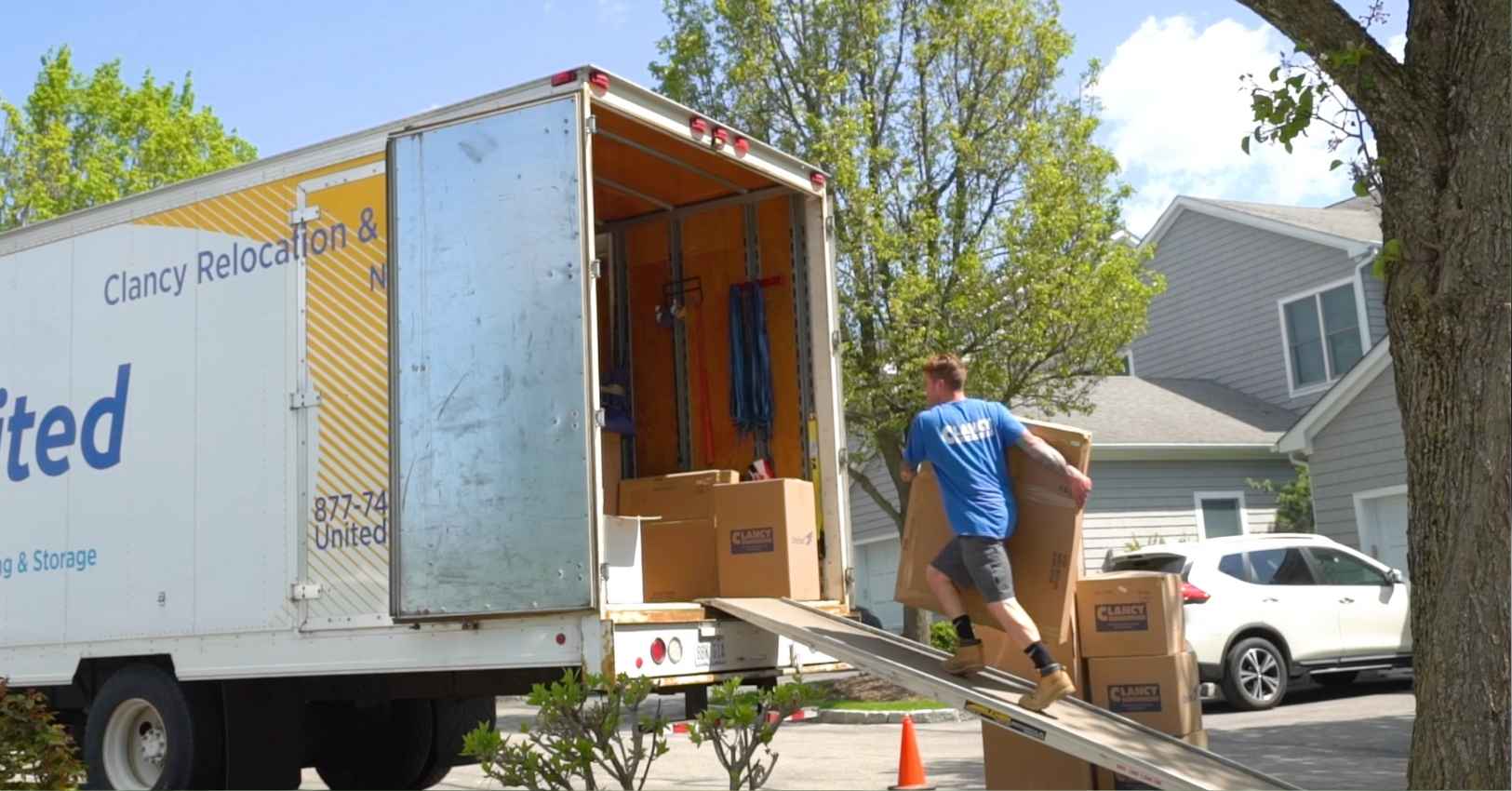
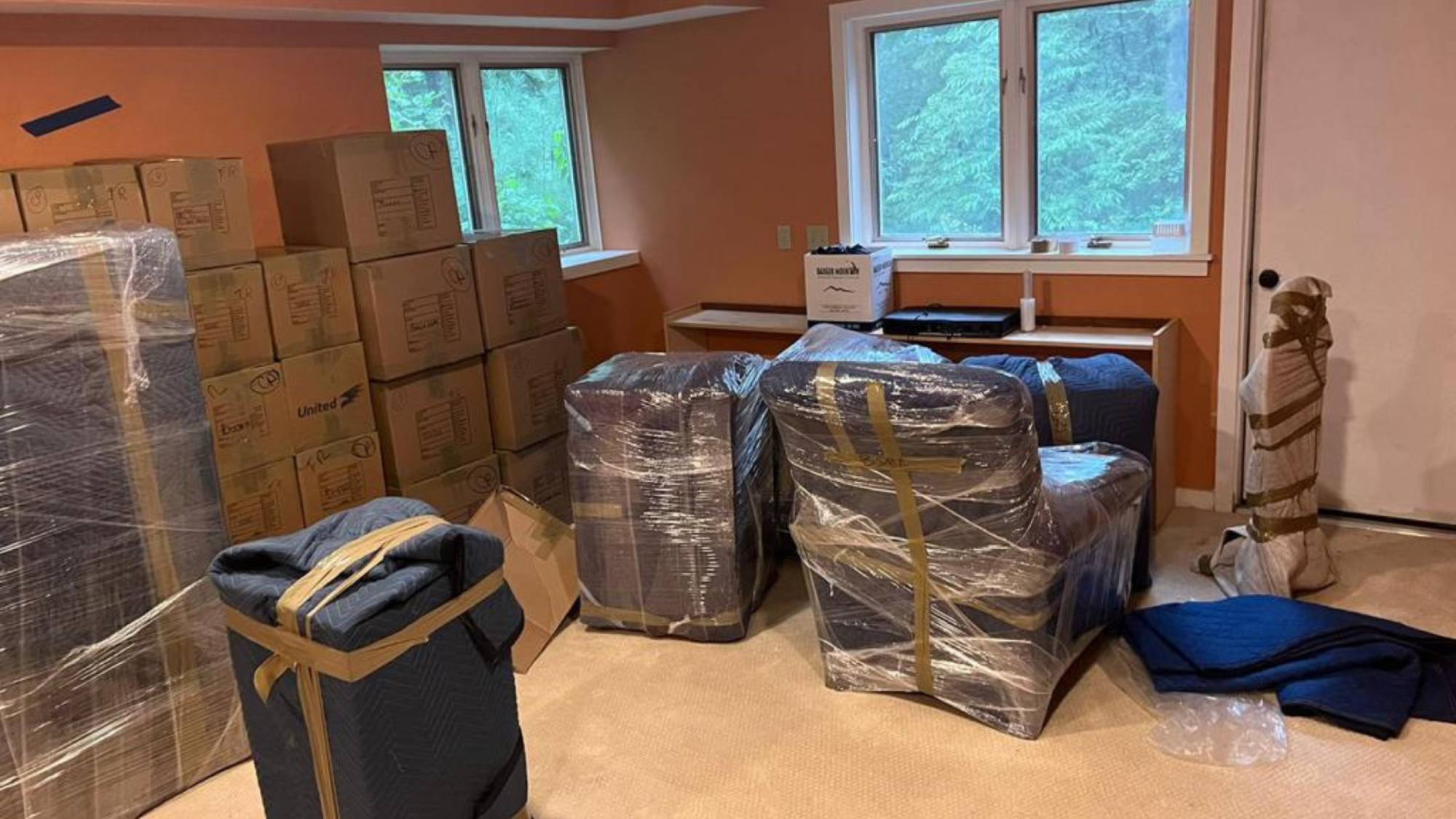
A cross-country move can be exciting but also overwhelming due to the many details involved. Without careful planning, it’s easy to become stressed by the logistics of the journey. Careful organization, early preparation, and reliable help make the difference between a stressful experience and a smooth transition.
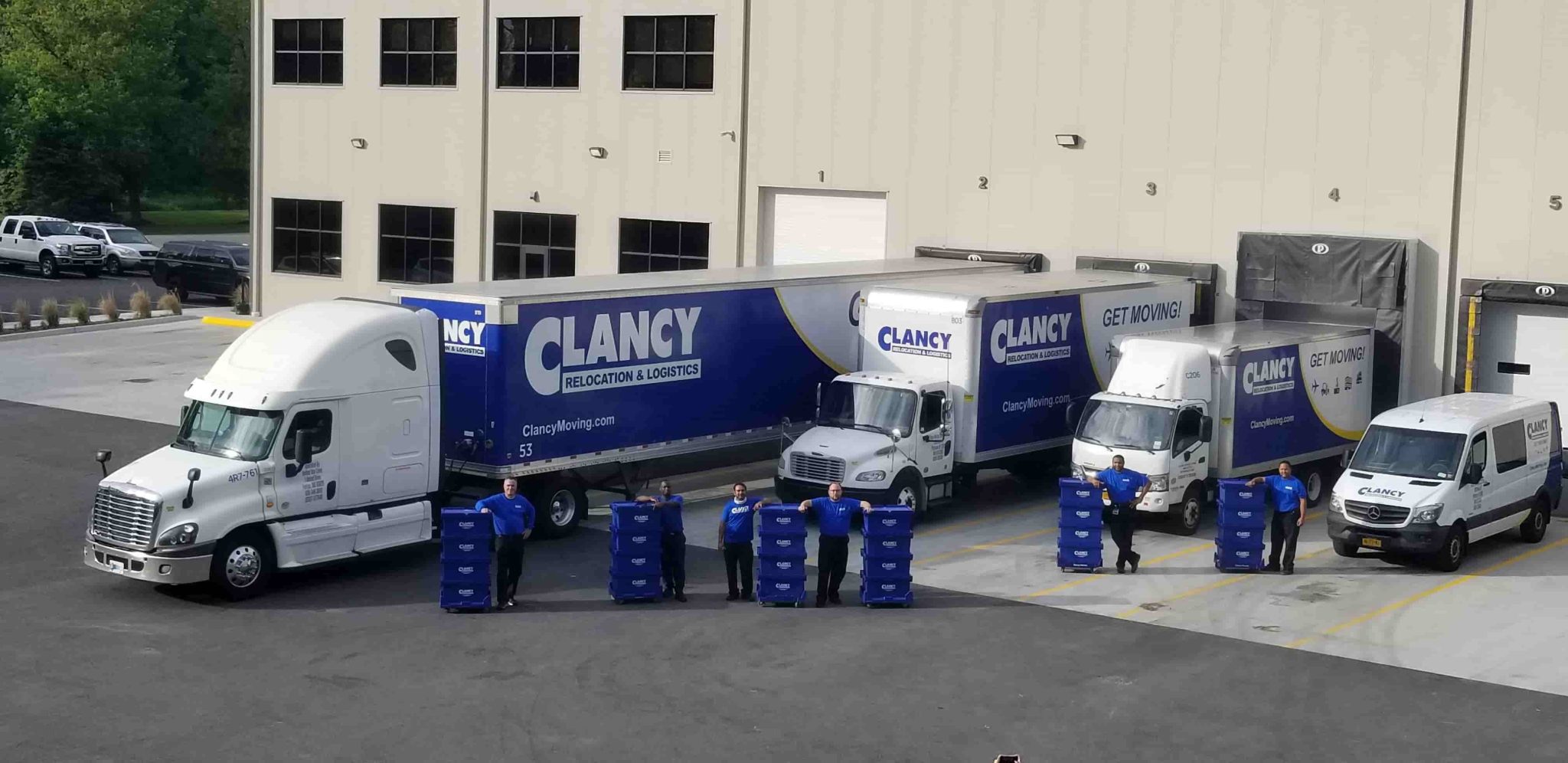
Skipping a professional corporate moving service may seem like a way to save money, but it often leads to bigger issues down the line. Without expert planning, handling, and coordination, businesses risk delays, damaged equipment, lost data, and even legal problems. These challenges can disrupt operations, increase stress, and create costly setbacks that could have been avoided.
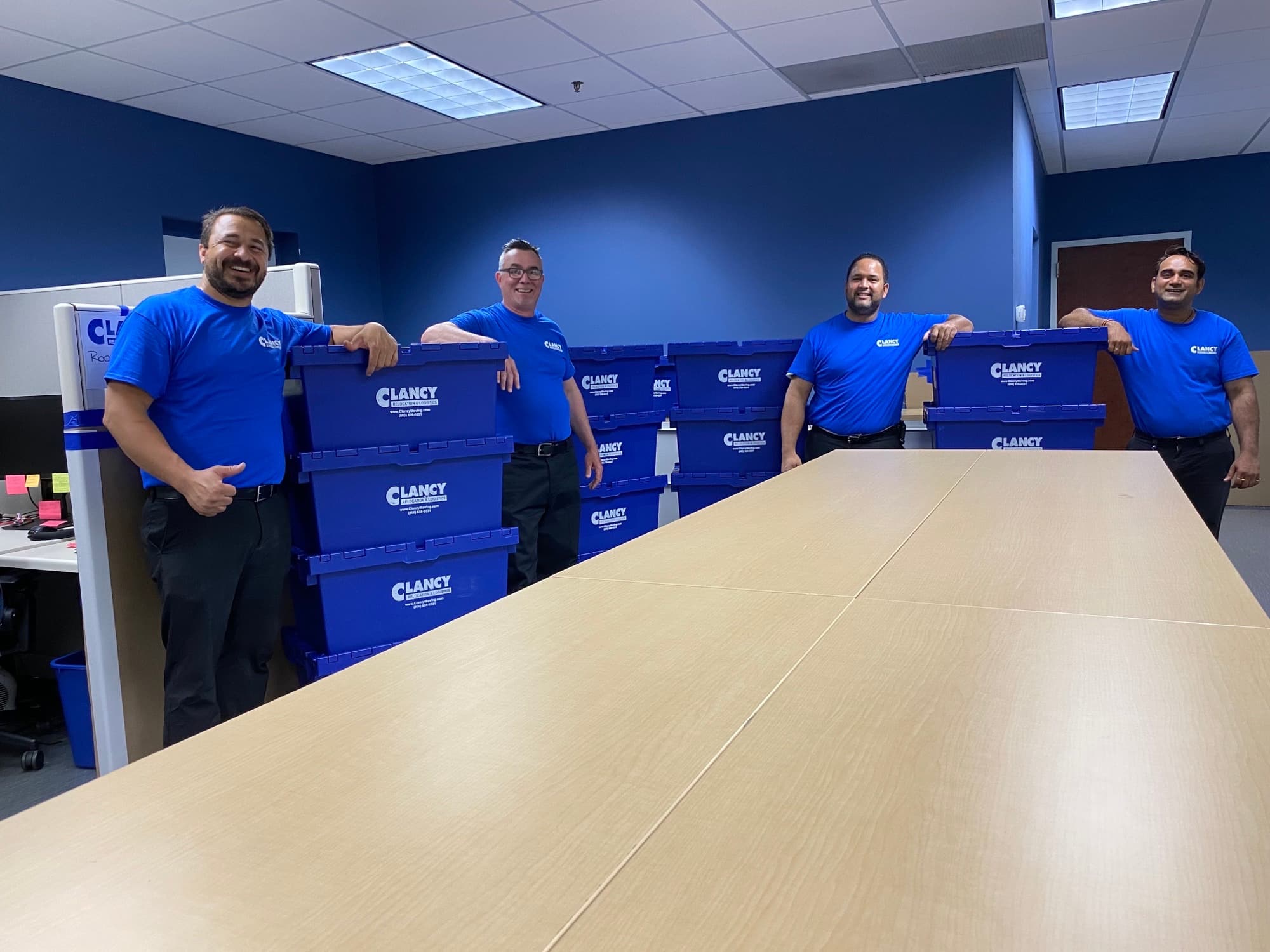
Finding professionally trained movers nearby starts with knowing what to look for. Not all moving companies offer the same level of care, experience, or skill, so choosing the right team makes a big difference. Trained movers understand how to protect fragile items, lift heavy furniture safely, and handle the entire move with efficiency and care. Taking a few simple steps can help avoid damage, delays, and hidden costs
Table of Contents

Key Takeaways

6 Key Insights from Interstate Moving Experts

1. Planning Is Essential

2. Every Move Is Different

3. Inventory Matters More Than You Think

4. Valuation Options Shouldn’t Be Ignored

5. Regulations Vary Across States

6. Good Communication Makes or Breaks a Move

Frequently Asked Questions

Start the Interstate Move with Trusted Professionals!

Key Takeaways

Booking early helps secure the right crew and schedule.

Every move is different, so custom planning is key.

Accurate inventory avoids delays and surprise costs.

Valuation protects against damage or loss.

State rules can affect timing and paperwork.

Quick responses and clear details keep things on track.

Planning a move across state lines involves more than just packing boxes and renting a truck. Interstate moves require coordination, timing, and trusted professionals who understand the process from start to finish. Many first-time movers aren’t aware of the extra details that can impact cost, timing, and overall experience. To avoid common mistakes and make the process smoother, it helps to hear directly from the experts. 

Here are six things interstate moving companies want everyone to know.

Interstate Moving Experts

6 Key Insights from Interstate Moving Experts

  • Planning Is Essential

Interstate moving companies often stress how important it is to plan early. Many people wait until the last minute, thinking a move can be arranged quickly, but cross-state moving companies operate on tight schedules—especially during busy seasons. Booking ahead not only helps secure a preferred moving date but also prevents unnecessary stress and high last-minute prices.

Why Timing Matters

When it comes to interstate moving services, early preparation makes a big difference. Most top rated interstate moving companies fill up their schedules weeks or even months in advance.

  • Better Availability: Booking early gives more options for move dates, especially weekends or month-ends, which are the busiest.
  • Lower Costs: Prices often rise closer to the move date, so early reservations help lock in better rates from the best interstate movers. However, pricing and availability can vary between companies, so it’s recommended to check with reputable providers like Clancy Relocation & Logistics for accurate, up-to-date information.
  • More Time To Organize: Starting early gives families and individuals time to declutter, pack smartly, and sort out paperwork without being rushed.

Risks Of Last-Minute Moves

Last-minute moves are not impossible, but they usually come with extra challenges. Interstate moving companies try their best to accommodate, but limited space and time make it harder to deliver quality service on short notice.

  • Fewer Choices: There’s a higher chance of having to go with less experienced or poorly rated companies when time is short.
  • Higher Stress: Rushing to prepare for a move often leads to forgotten tasks, misplaced items, or overlooked costs.
  • Extra Fees: Cross state moving companies may charge higher rates for urgent bookings, weekend pickups, or last-minute labor.

How Early Should People Book?

The timeline can vary, but experts recommend reaching out to interstate moving companies at least 6–8 weeks before the desired move date. This is especially true for peak moving months like May through September.

  • Off-Season Moves: Booking 4–6 weeks ahead may be enough when demand is lower.
  • Peak Season Moves: Start planning 2–3 months in advance to ensure access to top rated interstate moving companies.
  • Special Requests: If the move involves storage, packing services, or unusual items, extra time is needed to coordinate those details.
  • Every Move Is Different

Interstate moves aren’t all the same. What works for one customer might not work for another. That’s why interstate moving companies focus on customizing their services to fit each unique situation. From how far someone is moving to how much they’re taking with them, many details can affect how the move is planned and priced. 

Why Custom Quotes Matter

Top rated interstate moving companies understand that cookie-cutter estimates don’t reflect real moving needs. A proper quote looks at specific details, which helps movers plan better and gives customers a more accurate price.
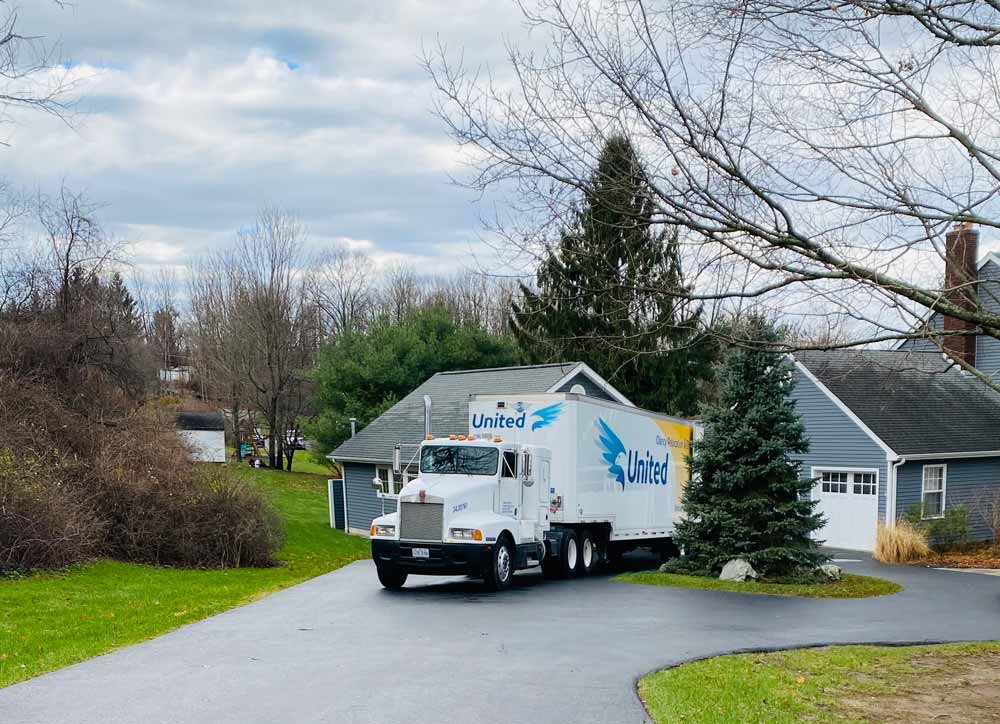
  • Distance Between Locations: Longer moves often require more planning, fuel, and time, especially when crossing state lines.
  • Volume and Type of Belongings: Moving a one-bedroom apartment is very different from moving a full house. Heavy or delicate items may need special care.
  • Type of Services Needed: Some people need full packing help, while others want a basic load-and-go. Interstate moving services can be adjusted to match the level of help needed.
  • Access Challenges at Each Location: Tight stairways, elevators, or long carries from the truck can all affect the time and cost of a move.
  • Scheduling Flexibility: If a customer is only available on certain dates, this can impact pricing and availability with cross state moving companies.

Interstate Moving Experts

Tailored Services That May Add to the Total Cost

The best interstate movers do more than just load boxes—they offer services that are designed around what the customer really needs. This helps prevent stress, reduce damage, and save time.

  • Packing and Unpacking Assistance: Movers can pack everything or just fragile items, depending on the customer’s request.
  • Storage Options: When there’s a delay between move-out and move-in, temporary storage is often available.
  • Furniture Disassembly and Reassembly: Large items like beds or tables are taken apart and set up again at the new place.
  • Specialty Item Handling: Artwork or antiques often need extra care and protective materials.
  • Inventory Matters More Than You Think

Many people don’t realize how important a detailed inventory is when moving across state lines. A clear, itemized inventory helps the moving company figure out how much space is needed, what equipment to bring, and how many workers should be assigned. Interstate moving companies rely on accurate lists to plan properly and give realistic prices. Skipping this step or making guesses can cause issues that cost time and money.

Common Issues Caused by Bad Inventory

When an inventory list is incomplete or inaccurate, problems show up fast—often on moving day. Top rated interstate moving companies stress how these mistakes can lead to delays or extra charges.

  • Underreporting Items: Forgetting to list large items like furniture or gym equipment can throw off truck space estimates, leading to the need for extra trips or bigger trucks.
  • Last-Minute Additions: Adding unexpected boxes or items right before the move can delay loading times and affect the total cost.
  • Mislabeling or Vague Descriptions: Describing items too generally, like “stuff from garage,” gives movers no clue what to expect, which makes packing and planning harder.
  • Overlooking Fragile or Special-Handling Items: Items like glass tables, instruments, or electronics need special packing. If movers don’t know about them ahead of time, they may not bring the right materials.

How the Right Inventory Helps Movers

Interstate moving services run best when movers know exactly what to expect. A well-done inventory can make the job easier for both sides.

  • Smarter Load Planning: Knowing the size and type of items allows movers to plan how to pack the truck efficiently.
  • Accurate Estimates: A full inventory gives cross state moving companies the information they need to quote prices that are fair and transparent.
  • Fewer Surprises on Moving Day: With everything listed and accounted for, there’s less chance of hold-ups or changes in cost.

Tips for Creating a Better Inventory

The process doesn’t have to be complicated. A little prep work goes a long way.

  • Go Room by Room: Start with one area at a time to avoid missing anything. Write down furniture, electronics, and boxes in each space.
  • Include Measurements When Possible: Adding dimensions for bulky items helps with space planning.
  • Use Photos for Clarity: Taking pictures of items gives movers a better idea of what needs special care.
  • Update the List as You Pack: Don’t wait until the end. Keep adding to the list as boxes get packed and labeled.
  • Valuation Options Shouldn’t Be Ignored

Interstate moving companies often offer valuation, but many people don’t realize how important this coverage can be until something goes wrong. When moving across state lines, accidents, damage, or even loss can happen. 

Types of Valuation Coverage Offered by Movers

Not all moving coverage is the same. The best interstate movers usually offer a few different options so customers can choose what fits their situation and budget. However, coverage and terms can vary between companies, so it’s recommended to check with reputable providers like Clancy Relocation & Logistics for accurate information and the most suitable options.

  • Basic Valuation Protection: This is the minimum coverage required by law for interstate moving companies. It usually covers around 60 cents per pound per item, which may not be enough to replace damaged or lost belongings.
  • Full-Value Protection: This option covers the full value of any item that is damaged or lost. The mover will either repair the item, replace it, or offer a cash settlement. This is a better choice for valuable or fragile items.
  • Third-Party Valuation: If the moving company doesn’t offer full protection or the customer wants extra peace of mind, separate valuation can be purchased from an outside provider. This is sometimes required for high-end items.

Why Valuation Coverage is Often Overlooked

Many people working with cross state moving companies assume that all their belongings are fully covered, but that’s rarely the case unless full-value protection is chosen. Here’s why valuation should never be skipped:

  • Limited Payouts on Basic Plans: Basic protection might only cover a small portion of an item’s actual worth.
  • Unexpected Accidents: Even the top rated interstate moving companies can’t prevent all accidents, especially on long routes or in bad weather.
  • Valuable Items at Risk: Electronics, artwork, and furniture are often worth more than people expect. Without proper valuation, any damage could result in big losses.

Choosing the Right Valuation

Tips for Choosing the Right Valuation

Understanding a few key things can help customers make the right decision when working with interstate moving services.

  • Ask for Written Details: Customers should request a full breakdown of what each valuation option covers.
  • Know the Item Value: Estimating the worth of items ahead of time can help choose the best valuation level.
  • Check Homeowner’s or Renter’s Valuation: Some policies might already include limited moving coverage.
  • Understand Deductibles and Limits: Full-value protection may come with limits or require a deductible, so reading the fine print is important.
  • Regulations Vary Across States

When it comes to long-distance moves, not every rule is the same across state lines. That’s why interstate moving companies must follow both federal and state laws to operate legally and safely. These rules are in place to protect both the movers and the customers.

Why Licensing and Legal Compliance Matter

Interstate movers must meet specific legal requirements to cross state lines with household goods. These rules aren’t optional. Without the proper licensing, a moving company may not be legally allowed to handle cross-state moves, putting customers at risk.

  • USDOT Number (U.S. Department of Transportation): A unique license number assigned by the Federal Motor Carrier Safety Administration (FMCSA). It proves the mover is registered and compliant with national safety and valuation standards.
  • MC Number (Motor Carrier Number): This allows a company to operate across state lines and indicates approval to transport household goods.
  • State-Level Requirements: Each state may require its own permits, taxes, or regulations. A mover must follow local rules based on where they pick up or drop off goods.

How This Affects Customers Choosing a Mover

Customers might not realize how much these licenses protect them during a move. Legitimate interstate moving services will always be able to provide proof of their credentials.

  • Prevents Moving Scams: Licensed movers are easier to verify, lowering the chances of falling victim to fraud—especially important since the BBB reports around 13,000 complaints and negative reviews about movers each year, many involving serious financial and emotional issues caused by dishonest companies.
  • Ensures Proper Valuation Coverage: Only legal cross state moving companies can offer regulated protection for damaged or lost items.
  • Supports Safer Transportation: Compliant movers are required to follow safety rules, like regular vehicle inspections and driver qualifications.

Red Flags to Watch For

Not all movers follow the rules. There are signs that a company may not be properly licensed—and should be avoided.

  • No USDOT or MC Number: If the company can’t give a license number or says it’s not needed, that’s a major warning sign.
  • No Physical Address or Written Estimate: Reputable movers list their business address and provide estimates in writing.
  • Cash-Only Payments: Licensed movers offer several payment options, not just upfront cash.
  • Good Communication Makes or Breaks a Move

When working with interstate moving companies, strong communication helps everything run smoothly from start to finish. Whether it’s a short move to a nearby state or a cross-country relocation, a shared understanding between the customer and the moving team can prevent confusion, delays, and extra costs.
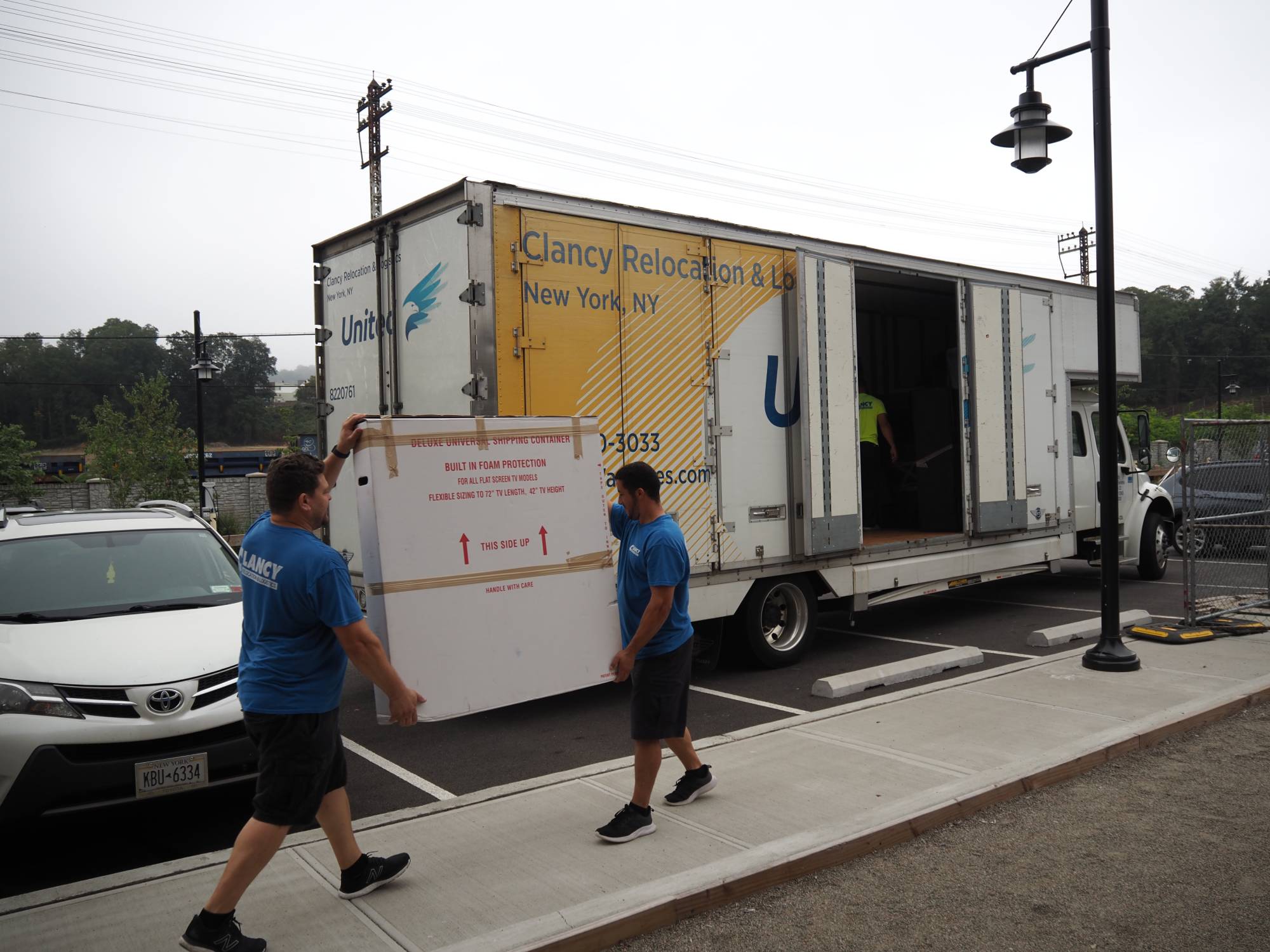
Interstate Moving Experts

Why Movers Value Clear Communication

Movers rely on accurate information and responsive clients to deliver quality service. Without it, even the best interstate movers can run into problems on moving day.

  • Fewer Surprises on Moving Day: When movers know exactly what to expect, they can bring the right size truck, tools, and crew.
  • Avoids Delays and Last-Minute Issues: Clear instructions and quick answers help movers stick to the timeline and avoid disruptions.
  • Reduces Stress for Everyone: Everyone involved is on the same page, which creates a smoother, less overwhelming experience.
  • Saves Time on Moving Day: Everything is ready to go, which means less time spent figuring things out on the spot.
  • Right-Sized Equipment and Crew: Movers can avoid bringing a truck that’s too small or sending more helpers than needed.

How to Stay in Touch With Moving Companies

Clients don’t need to know all the moving jargon, but they should know what’s happening and what’s needed. Open and simple communication helps interstate moving services run more efficiently.

  • Respond Quickly to Emails or Calls: Timely answers allow movers to finalize details and adjust plans if needed.
  • Confirm the Inventory List: Make sure all items to be moved are listed correctly and nothing is missing or added last-minute.
  • Double-Check Dates and Times: Always confirm the move-out and move-in dates so there are no misunderstandings.
  • Ask Questions Before Moving Day: It’s better to ask than assume—especially when it comes to packing rules, truck access, or valuation options.

What Movers Need to Know Ahead of Time

Sharing key details ahead of time can help cross state moving companies give the right quote and show up fully prepared.

  • Building Access Details: Let them know if there are elevators, stairs, or limited parking near the entrance.
  • Item Conditions or Special Requests: Mention fragile, oversized, or high-value items that may need extra care.
  • Packing Situation: Tell the movers if items will be packed by the client or if packing help is needed.

Travel Restrictions or Location Notes: If there are toll roads, remote locations, or access gates, share that early.

Frequently Asked Questions

How much should an interstate move cost?

The cost of an interstate move depends on several factors, including the distance, size of the move, and level of service chosen. Things like packing help, storage needs, and special handling can affect the overall amount. Timing and location may also influence the total. For accurate and up-to-date pricing, contact reputable interstate moving companies.

What is the most cost-effective way to move interstate?

The most cost-effective way is usually a self-pack option with a partial service mover or renting a moving container. Booking early, downsizing belongings, and avoiding peak moving seasons can lower costs. Compare offers from cross state moving companies to find the best value. Always confirm what is included to avoid hidden fees.

How to choose an interstate moving company?

Start by researching licensed and insured companies with experience in cross-state moves. Look for transparent pricing, detailed estimates, and positive reviews. Reputable providers like Clancy Relocation & Logistics are often listed among the top rated interstate moving companies. Ask about licensing, valuation coverage, and service guarantees before booking.

Is getting a moving company worth it?

Hiring a professional moving company is often worth it for long-distance moves due to the convenience, time savings, and reduced risk of damage. Interstate moving services can handle logistics, heavy lifting, and transport efficiently. It also limits the physical and mental stress of moving. For large or complex relocations, it’s a smart investment.

How to tell if a moving company is reputable?

A reputable company will have a valid USDOT number, clear pricing, and a strong record of customer feedback. Top rated interstate moving companies also provide written estimates and explain all terms upfront. Check for accreditation with organizations like the Better Business Bureau. Avoid movers with vague contracts or unusually low quotes.

{ "@context": "https://schema.org", "@type": "FAQPage", "mainEntity": [ { "@type": "Question", "name": "How much should an interstate move cost?", "acceptedAnswer": { "@type": "Answer", "text": "The cost of an interstate move depends on several factors, including the distance, size of the move, and level of service chosen. Things like packing help, storage needs, and special handling can affect the overall amount. Timing and location may also influence the total. For accurate and up-to-date pricing, contact reputable interstate moving companies." } }, { "@type": "Question", "name": "What is the most cost-effective way to move interstate?", "acceptedAnswer": { "@type": "Answer", "text": "The most cost-effective way is usually a self-pack option with a partial service mover or renting a moving container. Booking early, downsizing belongings, and avoiding peak moving seasons can lower costs. Compare offers from cross state moving companies to find the best value. Always confirm what is included to avoid hidden fees." } }, { "@type": "Question", "name": "How to choose an interstate moving company?", "acceptedAnswer": { "@type": "Answer", "text": "Start by researching licensed and insured companies with experience in cross-state moves. Look for transparent pricing, detailed estimates, and positive reviews. Reputable providers like Clancy Relocation & Logistics are often listed among the top rated interstate moving companies. Ask about licensing, valuation coverage, and service guarantees before booking." } }, { "@type": "Question", "name": "Is getting a moving company worth it?", "acceptedAnswer": { "@type": "Answer", "text": "Hiring a professional moving company is often worth it for long-distance moves due to the convenience, time savings, and reduced risk of damage. Interstate moving services can handle logistics, heavy lifting, and transport efficiently. It also limits the physical and mental stress of moving. For large or complex relocations, it’s a smart investment." } }, { "@type": "Question", "name": "How to tell if a moving company is reputable?", "acceptedAnswer": { "@type": "Answer", "text": "A reputable company will have a valid USDOT number, clear pricing, and a strong record of customer feedback. Top rated interstate moving companies also provide written estimates and explain all terms upfront. Check for accreditation with organizations like the Better Business Bureau. Avoid movers with vague contracts or unusually low quotes." } } ] }

State relocation

Start the Interstate Move with Trusted Professionals!

Partnering with Clancy Relocation & Logistics ensures the entire interstate move is handled with care, experience, and precision. As one of the best interstate movers, Clancy Relocation & Logistics provides dependable planning, organized logistics, and clear communication from beginning to end. With a reputation among top rated interstate moving companies, our team delivers reliable service tailored to each customer’s needs, no matter the size or distance of the move.

Request a custom quote today and let Clancy Relocation & Logistics handle the move with confidence.
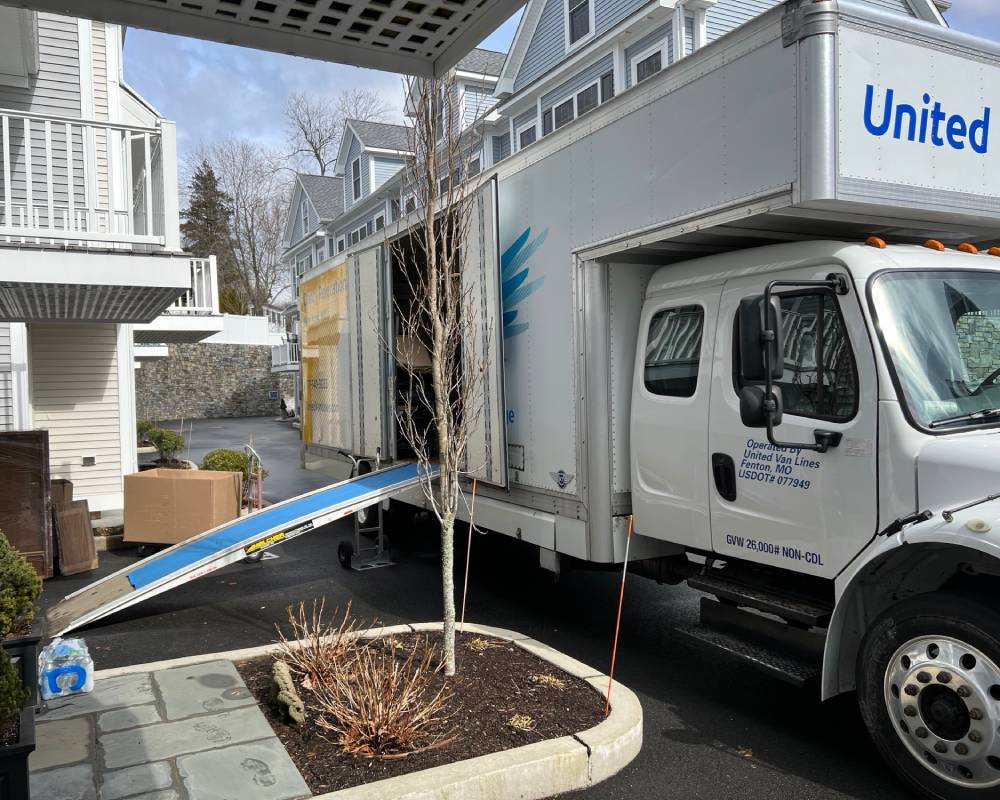
Table of Contents

Key Takeaways

Do You Need Climate-Controlled Storage When Doing a Home Renovation?

4 Reasons Why Storage Services Matter in Every Home Renovation Project

7 Factors to Consider Before Renting a Storage Unit

Frequently Asked Questions

Make Renovation Projects Smoother With Expert Storage Support!

Key Takeaways

Creating open, clutter-free spaces allows contractors to work more efficiently and safely during renovations.

Storing belongings off-site protects furniture, electronics, and valuables from dust, debris, and accidental damage.

Flexible short-term and long-term storage services help match storage plans to the exact needs and duration of any renovation project.

Removing physical clutter reduces mental stress, supports better decision-making, and keeps the renovation process more manageable.

Choosing the right storage unit depends on factors like size, rental length, accessibility, climate control, and provider reputation.

Home renovations often bring excitement and positive change, but they can also create clutter, disruption, and stress without the right preparation. From moving furniture to protecting valuables, homeowners face a range of challenges as they upgrade their living spaces. 

According to 2024 data, interior room remodeling was the most common type of renovation in the U.S., with approximately 69% of homeowners taking on such projects. These improvements frequently require clearing space and securing belongings, which is where to store your belongings safely during the process.

Do You Need Climate-Controlled Storage When Doing a Home Renovation?

Yes, a climate-controlled storage unit can be a smart investment—especially if you’re storing items that are sensitive to temperature, humidity, or dust during your home renovation.

Renovations can be messy, unpredictable, and often expose your belongings to elements like extreme heat, cold, moisture, or even construction debris. A climate-controlled unit maintains stable temperature and humidity levels, providing a safe environment for valuables such as:

Climate Control Benefits

  • Temperature stability: Typically kept between 55°F–85°F (13°C–29°C).
  • Humidity control: Helps prevent mold, rust, and warping.
  • Better dust and pest protection: These units are often better sealed.

When You Should Use Climate-Controlled Storage

For most home renovations, where there’s dust, paint fumes, potential water exposure, and variable access, climate-controlled storage offers peace of mind and helps preserve the condition of your items. It’s particularly worth it if:

  • Renovations will take longer than a few weeks
  • You live in an area with extreme temperatures or high humidity

Storing your belongings in a climate-controlled unit offers an extra layer of security and preservation, especially for:

  • Wooden furniture (tables, chairs, cabinets):
    Can warp, crack, or rot in humid or fluctuating temperatures.
  • Electronics (TVs, computers, stereo equipment):
    Moisture and extreme temperatures can damage internal components.
  • Artwork and collectibles (paintings, vinyl records, wine, stamps):
    Sensitive to temperature swings and humidity.
  • Important documents and photos:
    Can yellow, fade, or become illegible if exposed to heat or moisture.
  • Upholstered items or mattresses:
    Susceptible to mold, mildew, and odor absorption.
  • Musical instruments (especially woodwinds, guitars, pianos):
    Can go out of tune, crack, or suffer glue failure.

When It Might NOT Be Necessary

If you’re only storing non-sensitive items like:

  • Plastic bins of clothes or toys
  • Metal tools (briefly, and cleaned/dry)
  • Garden equipment
  • Temporary, short-term storage (if it’s only for a few days during mild weather)

…then a standard unit could suffice.

wrapped furniture for moving

4 Reasons Why Storage Services Matter in Every Home Renovation Project

1. Clearing Space for Renovation Work

Home renovations often demand clear, open areas for tools, equipment, and construction crews to operate safely. Using storage services helps homeowners remove unnecessary items and create a clutter-free space that supports efficient work.

Common Issues Caused by Cluttered Work Areas

Even well-planned renovations can be disrupted by items left in the workspace. A clean, open area allows for faster progress and reduces complications.

  • Restricted Movement for Contractors: Workers need room to carry tools, install materials, and navigate freely through the site. Cluttered rooms can slow them down and increase the chance of errors.
  • Increased Risk of Accidents: Leaving furniture and personal items in the work zone raises the chance of tripping, breakage, or injury. Short-term or long-term storage services can help avoid these costly setbacks.
  • Damage from Dust and Debris: Renovations generate a lot of mess, including dust, debris, and splatter that can ruin exposed belongings. Using self-storage units keeps valuable items protected in a secure environment.
  • Delayed Project Timelines: Clutter forces contractors to work around obstacles, often extending the time needed to complete each phase. Renting a storage unit helps maintain an efficient, uninterrupted workflow.
  • Misplaced Tools and Materials: Disorganized workspaces increase the likelihood of losing tools, hardware, or supplies. Clear areas make it easier to keep renovation essentials visible and within reach.
  • Obstructed Visibility for Planning: Clutter can make it difficult to assess the space and visualize layout changes. Off-site storage allows homeowners and designers to see the room clearly and make better decisions.

How Storage Services Keep Renovation Areas Safe and Efficient

Turning to storage facilities near me allows homeowners to move belongings out of harm’s way. This choice also helps maintain a safer, more productive environment for contractors and workers.

  • Creates More Working Space: Removing furniture and décor frees up floor space, giving professionals more room to complete tasks efficiently. Using storage facilities near you is a reliable way to clear entire rooms.
  • Improves Project Efficiency: With fewer obstacles in the workspace, renovations can proceed faster and more smoothly. This leads to fewer interruptions and quicker completion times.

2. Protecting Valuables from Damage

During a home renovation, protecting personal belongings should be a top priority. With constant movement, heavy tools, and dust in the air, it’s easy for items to get damaged or lost. Choosing the right storage services provides a smart way to safeguard furniture, electronics, and sentimental items throughout the renovation process.

Common Hazards That Can Damage Belongings

During renovations, household items can face unexpected risks if not properly stored. Here are some common hazards that can cause damage to belongings left in active work zones.

  • Dust and Debris: Renovation work often creates large amounts of dust, which can settle into fabrics, electronics, and small crevices. These particles can permanently affect surfaces and reduce the quality of delicate items.
  • Accidental Breakage: Furniture or fragile items may get bumped, scratched, or shattered during construction activity. Tools, ladders, or falling materials often increase the risk of breakage in busy work zones.
  • Moisture and Paint Exposure: Leaks, spills, or wet paint can accidentally ruin materials like wood, fabric, or paper. Paint overspray and humidity are especially harmful to antiques and electronics.
  • Unintentional Movement: Items may be moved repeatedly to make space, increasing the risk of damage from drops or improper handling. Frequent relocation often leads to dents, chipped finishes, or misplacement.
  • Heat and Temperature Fluctuations: Some renovation tools and processes generate heat, while open windows or HVAC changes can alter room temperature. These shifts can warp wood, crack materials, or damage temperature-sensitive items.
  • Pest Intrusion: Openings during renovations can allow pests like rodents or insects to enter the home. These pests may chew, nest, or stain unprotected belongings left in accessible areas.
  • Chemical Exposure: Strong cleaners, adhesives, and solvents used in renovation can emit fumes or spill unexpectedly. Such substances can discolor or degrade fabrics, plastics, and surfaces if not stored away securely.

Why Secure Storage Units Are the Best Choice

One of the most effective ways to avoid these risks is by using self-storage units. These spaces are designed to keep valuables protected in a clean, secure environment until the renovation is complete.

  • Clean and Climate-Controlled Spaces: Many storage facilities near me offer climate-controlled environments that protect against humidity, heat, and cold. This is essential for electronics and especially wood furniture, which can swell when exposed to humid air and shrink in dry conditions, leading to cracks or warping.
  • Private, Locked Units: Belongings are safely stored behind locked doors with exclusive access granted only to the renter. This type of storage service offers added peace of mind and strong privacy protection.
  • Dust-Free Environment: Items are kept away from the construction site, eliminating dust exposure completely. A controlled self-storage unit ensures fabrics and electronics stay clean and functional.


3. Storage Options That Support Every Renovation Timeline

During home renovations, creating space and protecting household items is just one part of the challenge. Storage services play an important role in helping homeowners maintain order and reduce stress as projects unfold.

Renovations often disrupt daily routines. Furniture, appliances, and personal items may need to be moved temporarily or for extended periods. Reliable storage facilities near you help bridge the gap between clearing out and moving back in, all while minimizing damage or clutter.

Short-Term Storage Services for Quick Renovations

Short-term storage is a practical option for projects that only last a few weeks or involve limited space.

  • Temporary Flexibility: Ideal for storing items during quick upgrades or small-scale renovations without a long-term commitment.
  • Lower Cost for Short Duration: Typically, more budget-friendly since billing is based on weeks or a single month.
  • No Long-Term Obligation: Perfect for homeowners who only need extra space for a brief period without extended contracts.


Long-Term Storage Solutions for Extended Projects

For projects that take more time or involve larger areas, long-term storage provides added convenience and security.

  • Cost-Efficient Over Time: Long-term storage solutions may include lower rates for longer commitments, offering better value over extended periods.
  • Best Fit for Large-Scale Projects: Accommodates the complete contents of multiple rooms or even the whole home.
  • Reliable for Delayed Timelines: Offers peace of mind in case renovations take longer than planned.

Disclaimer: However, keep in mind that services and pricing can vary between providers, so it’s best to consult reputable companies like Clancy Relocation & Logistics for accurate details and tailored recommendations.

4. Peace of Mind for Homeowners

During home renovations, the chaos of construction and rearranged furniture can lead to unnecessary stress. Homeowners often find themselves worrying about the safety of their possessions or feeling overwhelmed by clutter. 

How Storage Frees Up Mental Space

A clean and decluttered environment can reduce decision fatigue and improve day-to-day efficiency during renovations.

  • Improved Safety: Fewer items in the home mean fewer obstacles that can lead to slips, trips, or damage. Short-term storage services help create a safer space for everyone involved.
  • Simplified Planning: With belongings in off-site storage, it becomes easier to visualize and adapt to design changes. Having access to nearby storage facilities also allows for quick retrieval if plans shift.
  • Less Overwhelm: Clearing out non-essential items removes visual clutter, which helps lower stress and allows for better focus on renovation tasks. A quieter, more organized space supports clearer decision-making.
  • Reduced Daily Disruption: Keeping living areas free from piles of furniture and boxes makes it easier to maintain daily routines during renovation. This mental consistency contributes to a calmer experience overall.
  • Focused Communication: Without distractions from clutter, it’s easier to hold productive conversations with contractors and make informed choices. Storage services help maintain a cleaner setting for walkthroughs and planning.

Consequences of Mental Overload During Renovation

When a renovation space is filled with excess furniture, supplies, and household items, it can lead to a constant sense of mental fatigue. This state of overwhelm doesn’t just affect decision-making—it impacts the entire renovation experience. Relying on storage services to create a clean, organized environment can make a significant difference in both mindset and results.
  • Poor Decision-Making: A disorganized environment can lead to rushed or unclear choices about design, layout, or budgeting. Removing visual distractions through short-term storage services supports more thoughtful planning.
  • Increased Stress Levels: Constant exposure to mess and disorder can heighten anxiety and frustration. Using self-storage units to offload excess items helps create a more peaceful atmosphere.
  • Difficulty Managing Tasks: Too many physical items in the way can result in missed steps, forgotten materials, or overlapping responsibilities. A clear space improves workflow and keeps daily progress on track.
  • Disruption to Daily Life: Cluttered spaces can interfere with routines like cooking, sleeping, or working from home. Off-site storage facilities near you help preserve daily habits while renovations are underway.
  • Lower-Quality Results: A chaotic environment can lead to rushed work or skipped steps, ultimately impacting the finished look and function of the space. Organized surroundings allow everyone involved to focus on quality and detail.

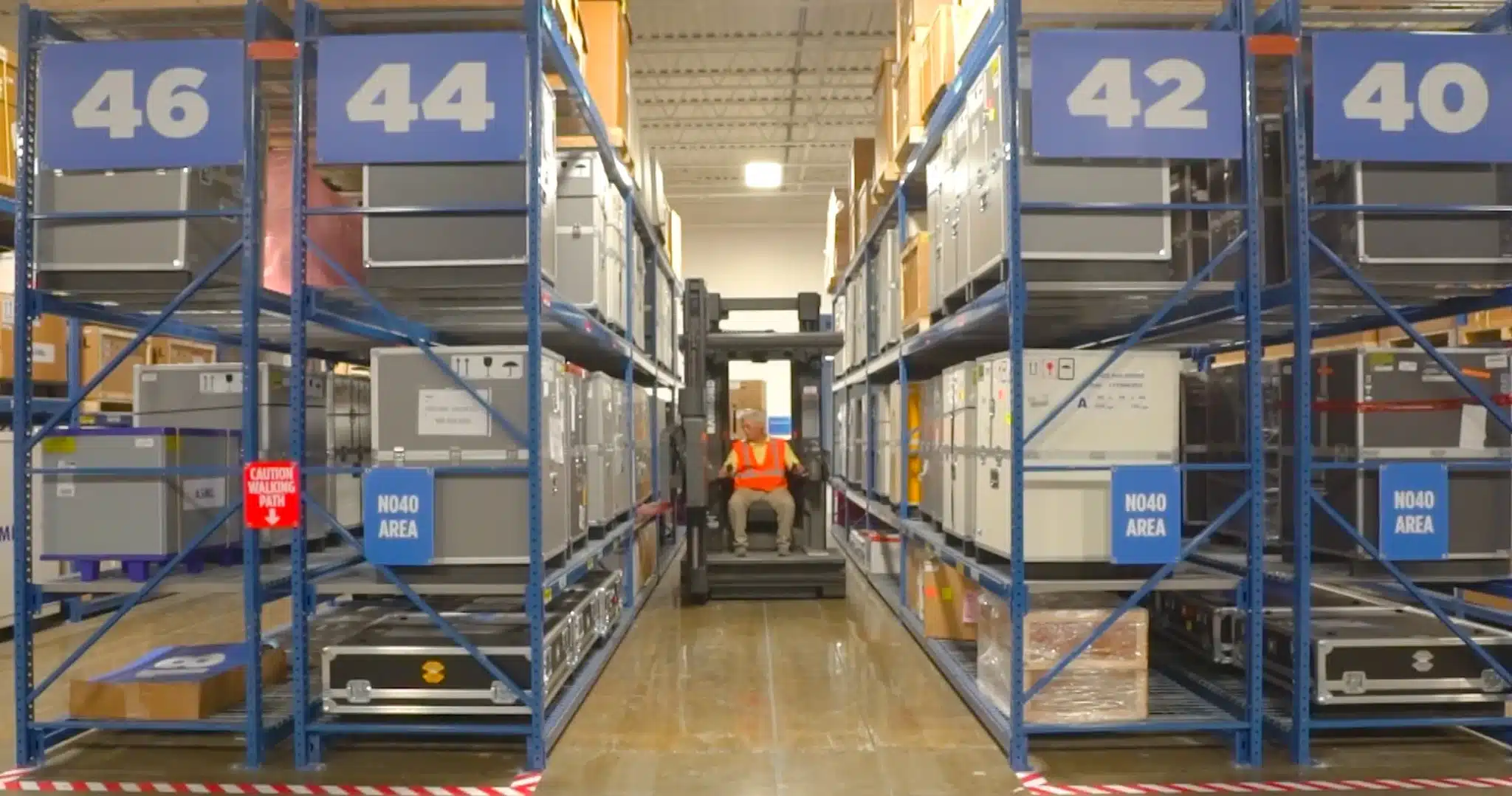
warehouse operator

7 Factors to Consider Before Renting a Storage Unit

Choosing the right storage solution can make a major difference in how smooth and efficient a home renovation feels. With furniture, appliances, and personal items needing protection or temporary relocation, it’s important to plan ahead and select a storage option that fits both the project scope and personal needs. 

Before renting a unit, here are several important factors to take into account:.

1. Unit Size and Storage Needs

Understanding how much space is needed helps avoid both overcrowding and overpaying. A small room renovation might only require a compact storage unit, while a full-home remodel could need something larger, like a 10×20 or 10×30. Instead of estimating on your own, it’s best to consult with professional movers for an accurate assessment.

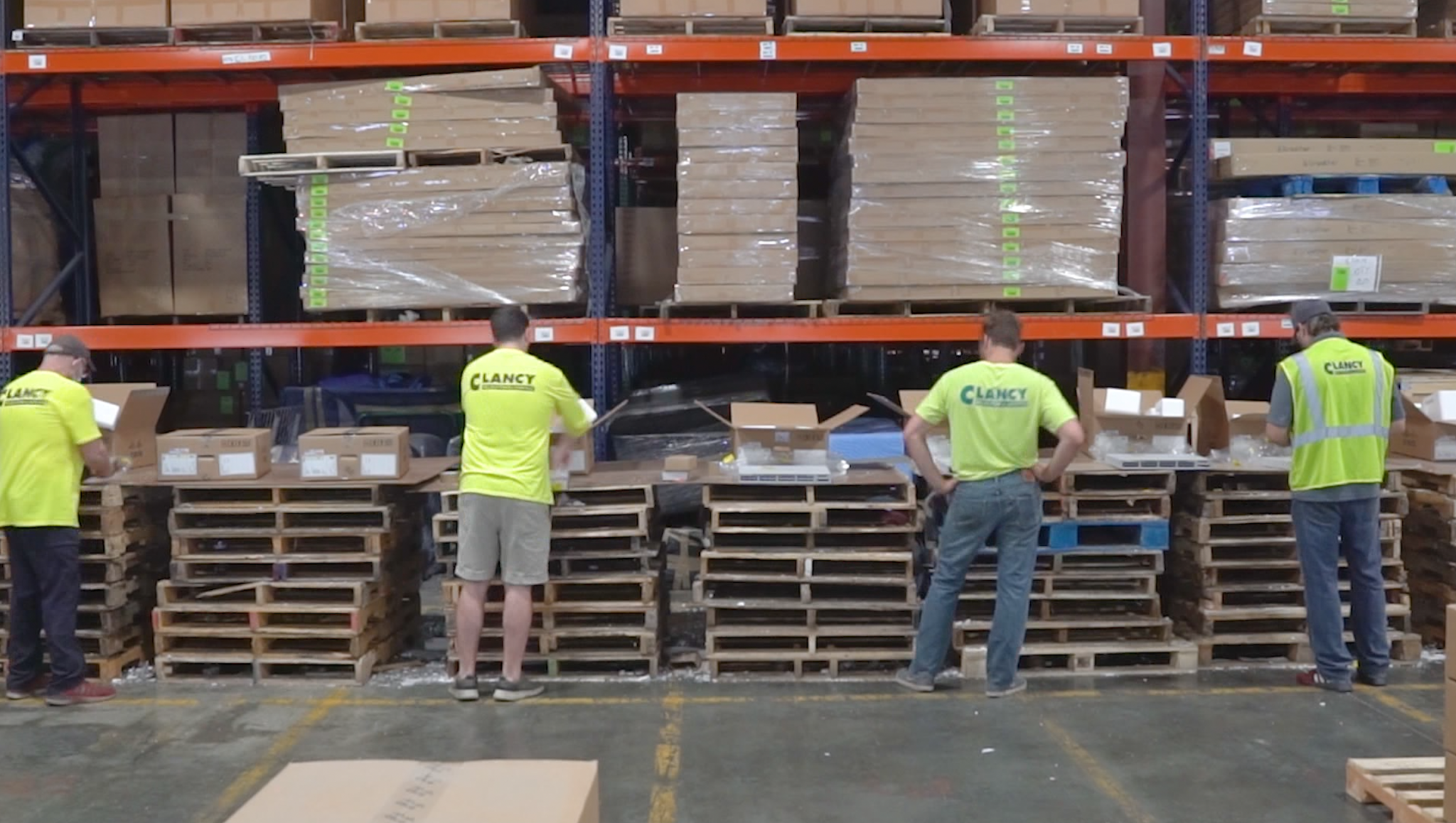
Clancy Relocation & Logistics offers climate-controlled storage using secure 6x6x7 wooden vaults. Before anything is moved, a full inventory of household goods is completed. Items are then transported, offloaded at the warehouse, containerized, and kept insured until final delivery.

Keep in mind that storage services generally involve two separate moves—into storage and out—so it is important to account for this in your budgeting.

2. Rental Duration and Flexibility

Home renovation timelines can be unpredictable, so it’s wise to choose between short-term storage services and long-term storage solutions depending on the project scope. Look for flexible rental terms that allow for extensions or early move-outs in case the renovation finishes sooner or takes longer than expected.

3. Location and Accessibility

Finding storage facilities near you ensures that items can be retrieved quickly if needed during the renovation. Easy access is especially important for homeowners who may need to rotate items in and out or access tools, equipment, or seasonal décor during the process.

4. Security Features

The safety of stored items is a top priority, especially for high-value or sentimental belongings. Choose a facility that offers secure self-storage units with gated access, surveillance cameras, and individual locks. Security features help prevent damage or theft while items are stored off-site.

5. Climate Control and Item Sensitivity

Certain materials—like wood, fabric, electronics, and photographs—can be damaged by moisture or extreme temperatures. If storing sensitive items, look for storage units with climate control to keep temperature and humidity levels consistent.

6. Cost and Budget Planning

Compare pricing across local providers and understand what’s included in the rate. Some storage services may offer promotional rates for the first month, while others may charge extra for climate control or valuation coverage. Knowing the total cost upfront helps prevent surprises later in the renovation.

7. Provider Reputation

Not all storage providers offer the same level of service or reliability. It’s smart to research reviews and consult with trusted companies like Clancy Relocation & Logistics to ensure clear terms, responsive support, and high-quality facility standards. Reputable providers can also help guide the selection process based on specific renovation needs.

Frequently Asked Questions

How big is a 10×10 storage unit?

A 10×10 storage unit is 100 square feet, roughly the size of a standard bedroom. It can typically hold the contents of a one-bedroom apartment, including furniture, boxes, and appliances. This size is popular for temporary storage during small home renovations. It offers enough space for several large items without being oversized for limited needs.

Is it worth putting stuff in storage?

Yes, storage can be a practical solution during moves, renovations, or downsizing. It helps protect belongings from damage, loss, or clutter in the home. With flexible options like short-term storage services, it suits both temporary and extended needs. Many find peace of mind knowing their items are secure and easily accessible.

What are the benefits of storage as a service?

Storage as a service offers convenience, flexibility, and added protection for personal or business items. It reduces the hassle of managing extra belongings during transitions like moving or renovating. Providers often include features like climate control, security, and transportation support. This makes it ideal for short-term or long-term storage solutions.

How big of a storage unit do I need for a 4 bedroom house?

A 10×30 storage unit is usually the best fit for a 4-bedroom home, offering around 300 square feet of floor space. With an average height of 8 feet, it provides roughly 2,400 cubic feet—comparable to the volume of a one-car garage.

What is the alternative to storage units?

One of the most popular alternatives to traditional storage units is rent-to-own sheds. They offer a cost-effective and secure way to store items at home, with the added benefit of long-term use and customizable organization.

Make Renovation Projects Smoother With Expert Storage Support!

Home renovations come with a lot of moving parts, and having a dependable storage solution helps keep everything organized and stress-free. Clancy Relocation & Logistics offers reliable storage services designed to protect furniture, appliances, and personal items throughout the renovation process. 

With secure self-storage units and conveniently located storage facilities nearby, homeowners gain the peace of mind needed to focus on what truly matters—finishing the renovation efficiently and safely.

Contact Clancy Relocation & Logistics today to find the right storage plan for any renovation timeline!


1 2 3 6